Trump's SAVE Act: GOP vs Dems Battle Explained
The SAVE Act backed by Trump ignites fierce debate between Republicans and Democrats over voter verification. Discover what's really at stake in this political battle.

Trump's SAVE Act Sparks Fierce Political Battle
Learn more about trump's national ai plan: what the framework means for st...
The political landscape heats up as Republicans and Democrats clash over former President Trump's SAVE Act. This legislative proposal promises to reshape voter verification requirements nationwide. The contentious bill has become a flashpoint in the ongoing debate about election security versus voter accessibility.
The SAVE Act (Safeguard American Voter Eligibility Act) has emerged as one of the most polarizing political issues heading into the next election cycle. Trump's backing has galvanized Republican support while raising Democratic concerns about potential voter suppression. Both parties have dug in their heels, leaving Americans wondering who truly benefits from this proposed law.
What Is the SAVE Act and Why Does It Matter?
The SAVE Act represents a comprehensive attempt to tighten voter identification requirements across the United States. At its core, the legislation mandates proof of citizenship for voter registration, requiring documentation beyond standard identification cards.
Republicans argue this measure protects election integrity and prevents non-citizens from casting ballots. Democrats counter that it creates unnecessary barriers that disproportionately affect marginalized communities.
The legislation would require states to verify citizenship status through documents like birth certificates, passports, or naturalization papers. Current voter registration systems in many states rely on self-attestation under penalty of perjury. This fundamental shift in verification methodology lies at the heart of the controversy.
How Do Republicans Justify the SAVE Act?
Republican supporters frame their position around election integrity and national sovereignty. They contend that current voter registration systems contain vulnerabilities that could allow non-citizens to influence American elections.
For a deep dive on trump considers winding down iran war, pushes nato on hormuz, see our full guide
Key Republican talking points include:
- Closing perceived loopholes: Current systems don't adequately verify citizenship status
- Protecting electoral outcomes: Ensuring only eligible citizens participate in democracy
- Public confidence: Restoring trust in election results through stricter verification
- State compliance: Creating uniform standards across all 50 states
- Fraud prevention: Eliminating opportunities for illegal voting activities
For a deep dive on scott perry suggests iran should pay for war costs, see our full guide
Trump has repeatedly championed the legislation at rallies and through social media posts. His influence within the Republican Party has made the SAVE Act a litmus test for GOP candidates seeking his endorsement. Conservative lawmakers argue that citizenship verification represents basic common sense rather than voter suppression.
The former president's involvement has elevated the SAVE Act from a standard policy proposal to a defining issue for his political movement. Republican strategists view the legislation as a winning message that resonates with base voters concerned about immigration and election security.
Why Do Democrats Oppose the SAVE Act?
Democrats have mounted fierce resistance to the SAVE Act, characterizing it as a solution in search of a problem. They point to extensive research showing that non-citizen voting occurs at statistically insignificant rates.
The Democratic critique centers on several key concerns. Democrats argue that millions of eligible American citizens lack easy access to the required documentation. Birth certificates, passports, and naturalization papers often require time and money to obtain, creating barriers to registration.
Democrats highlight that certain populations face disproportionate challenges in meeting these requirements:
- Elderly voters: Many born before hospital births became standard lack birth certificates
- Low-income Americans: Cannot afford documentation fees or time off work
- Rural residents: Face geographical barriers to obtaining necessary documents
- Minority communities: Historical discrimination affects access to official documentation
Democratic lawmakers emphasize that existing systems already prevent non-citizen voting effectively. They cite numerous studies and audits finding negligible instances of such fraud. The real threat to democracy, they argue, comes from making it harder for eligible citizens to vote.
Who Benefits from the SAVE Act?
The practical impact of the SAVE Act depends heavily on perspective and political priorities. From a purely electoral standpoint, political analysts suggest the legislation could reshape voter demographics in ways that favor Republican candidates.
Research indicates that voters most likely to lack citizenship documentation tend to support Democratic candidates. This demographic reality fuels accusations that the SAVE Act represents voter suppression disguised as election security. Republicans dismiss these claims as partisan fearmongering.
Beyond electoral calculations, the legislation could benefit several groups. Document verification companies would likely see increased business as states scramble to implement new requirements. State election officials seeking standardized procedures might welcome uniform federal guidelines, though many resist federal mandates on principle.
The SAVE Act might also benefit voters who prioritize election security above all other considerations. For Americans genuinely concerned about non-citizen voting, the legislation offers reassurance and stricter safeguards.
What Implementation Challenges Does the SAVE Act Face?
States operate diverse voter registration systems with varying levels of technological sophistication. Retrofitting these systems to verify citizenship documentation would require substantial funding and technical expertise.
Some Republican-controlled states have already implemented similar requirements at the state level. These early adopters provide case studies for potential nationwide implementation. Results have been mixed, with some states reporting smooth transitions while others encountered administrative bottlenecks and legal challenges.
Democratic-controlled states have signaled potential resistance to federal mandates they view as unconstitutional or harmful. This sets up potential conflicts over states' rights and federal election authority. Legal experts predict years of litigation if the SAVE Act becomes law.
What Political Strategy Drives the SAVE Act Battle?
Both parties recognize that the SAVE Act debate extends far beyond technical voting procedures. The legislation has become a proxy war over competing visions of American democracy and electoral participation.
For Republicans, championing the SAVE Act demonstrates commitment to election integrity and responsiveness to base voter concerns. Trump's endorsement makes support for the legislation nearly mandatory for GOP candidates seeking to maintain party standing. The political upside of appearing tough on election security outweighs potential accusations of voter suppression.
Democrats see opposition to the SAVE Act as essential to protecting voting rights and their electoral coalition. Allowing stricter citizenship verification requirements could set precedents for additional voting restrictions. The party's diverse base includes many voters who might face challenges meeting new documentation requirements.
What Happens Next with the SAVE Act?
The SAVE Act's legislative future remains uncertain. In a divided Congress, passage would require either unified Republican control or bipartisan compromise that currently seems unlikely.
Trump's continued promotion ensures the SAVE Act remains prominent in political discourse. Republican candidates will likely campaign on election security themes incorporating the legislation's principles. Democrats will counter with voter access messaging and accusations of suppression tactics.
Public opinion on the SAVE Act splits largely along partisan lines, mirroring broader polarization on election-related issues. Polling shows Republicans strongly support citizenship verification requirements while Democrats express deep skepticism. Independent voters show mixed reactions depending on question framing.
The Future of American Democracy Hangs in the Balance
The fight over Trump's SAVE Act represents more than a policy disagreement. It reflects fundamental tensions about who gets to vote, how elections should be secured, and what threats American democracy actually faces.
Republicans see necessary safeguards while Democrats see dangerous restrictions. The legislation's ultimate impact depends on implementation details, court rulings, and whether it ever becomes law.
Continue learning: Next, explore cuba oil blockade: u.s. bans russian tankers to island
The SAVE Act debate will continue shaping political campaigns and voter mobilization efforts. Both parties have staked out clear positions that energize their respective bases while deepening partisan divides. For average Americans, the SAVE Act raises important questions about balancing security with accessibility in democratic processes.
Related Articles
Lisa Cook Bank Docs Contradict Mortgage Fraud Allegations
Lisa Cook's bank documents challenge mortgage fraud allegations, revealing crucial insights that could reshape the political narrative. Explore the implications.
Sep 13, 2025

US Financial Firms Commit $1.7 Billion to UK Before Trump's Visit
US financial firms have pledged $1.7 billion to the UK just before Trump's visit, signaling strong economic ties and potential political implications.
Sep 14, 2025
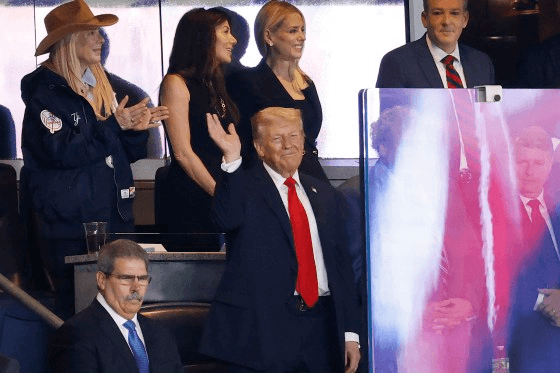
Trump Greeted by Mixed Reactions at Yankees Game
Donald Trump’s surprise appearance at a Yankees game drew a mix of boos and cheers, reflecting the polarized opinions surrounding him as the 2024 election approaches.
Sep 12, 2025