Google's Video Streaming Strategy Backfires: What Went Wrong
Google's streaming hardware strategy stumbled badly, creating opportunities for Walmart and others. This analysis reveals what went wrong and the business lessons every leader should learn.


Google's Video Streaming Strategy Has Backfired: What Went Wrong?
Learn more about roland ai pedal lydia phase 2: guitar to trumpet in real ...
Google's video streaming strategy has backfired in ways that offer critical lessons for business leaders navigating competitive tech markets. The tech giant's missteps in the streaming hardware space reveal how even industry leaders can stumble when market positioning and pricing strategies miss the mark.
While Google launched its premium Google TV Streamer at $99, competitors like Walmart seized the opportunity to undercut the market with budget-friendly alternatives. This strategic miscalculation demonstrates how pricing decisions create openings for rivals to capture market share rapidly.
Why Did Google's Video Streaming Strategy Backfire?
Google's approach to streaming hardware has encountered significant headwinds. The company discontinued its popular Chromecast line in favor of the more expensive Google TV Streamer, leaving a vacuum in the budget segment where Chromecast previously dominated.
The decision to move upmarket backfired when retailers like Walmart introduced their own Google TV-powered devices at dramatically lower price points. Walmart's Onn 4K Pro streaming device launched at just $50, undercutting Google's offering by nearly 50% while using Google's own operating system. This situation creates a peculiar dynamic where Google's technology powers devices that directly compete with its hardware.
The company essentially enabled competitors to erode its market position while still relying on Google's software ecosystem.
How Has the Competitive Landscape Shifted?
The streaming device market has become increasingly crowded and price-sensitive. Amazon's Fire TV devices, Roku players, and now Walmart's budget offerings create intense competition that leaves little room for premium pricing without substantial differentiation.
Walmart's entry into streaming hardware manufacturing represents a significant strategic move. The retail giant leverages its distribution network and purchasing power to offer compelling alternatives at aggressive price points.
Their Onn-branded devices provide similar functionality to premium options while maintaining margins through volume sales. Google now faces competition from multiple angles:
- Walmart's $50 Onn devices using Google TV software
- Amazon Fire TV Stick models starting under $30
- Roku's extensive lineup spanning budget to premium segments
- Apple TV targeting the high-end market
What Went Wrong With Google's Pricing Strategy?
For a deep dive on edtech keeps girls in school, cuts child marriage in nigeria, see our full guide
The fundamental error lies in abandoning the budget segment without a clear successor. Chromecast devices historically sold for $30-50, making them accessible impulse purchases for consumers.
The jump to $99 for the Google TV Streamer alienated price-conscious buyers who formed Chromecast's core audience. This pricing gap created opportunity space that competitors quickly exploited.
For a deep dive on the map that keeps burning man honest: tech transparency, see our full guide
Walmart recognized that millions of consumers wanted Google TV functionality without premium pricing. Their Onn devices fill exactly this niche, offering 4K streaming, Dolby audio support, and the full Google TV interface at half the cost. Google's miscalculation reveals a common strategic error: assuming customers will follow a brand upmarket without compelling reasons.
The streaming device category lacks strong brand loyalty because functionality has largely commoditized across manufacturers.
What Business Lessons Does Google's Streaming Stumble Teach?
Why Does Market Segmentation Matter?
Successful companies serve multiple market segments simultaneously. Apple demonstrates this principle with iPhone models spanning from SE to Pro Max, capturing different customer groups without creating gaps for competitors.
Google's decision to exit the budget segment entirely violated this principle. Companies must maintain presence across price points where significant customer demand exists, especially in mature markets with established competitors.
What Happens When You Create Market Vacuums?
When established players abandon market segments, competitors rush to fill the void. Google's retreat from budget streaming devices handed Walmart, Amazon, and others a gift-wrapped opportunity to capture displaced customers. This pattern repeats across industries.
Nokia's smartphone stumble allowed Samsung and Apple to dominate. Blockbuster's slow digital adoption enabled Netflix's rise. Market vacuums rarely remain empty for long.
How Do Platform and Product Strategies Conflict?
Google faces an inherent tension between its platform business (Android TV/Google TV software) and hardware sales. The company profits when any manufacturer uses its operating system, even if those devices compete with Google's hardware. This conflict creates strategic complexity.
Google must balance hardware margins against platform adoption, often choosing wider software distribution over hardware exclusivity. Amazon faces similar challenges with Fire OS devices versus broader Prime Video availability.
How Did Walmart Capitalize on Google's Misstep?
Walmart's streaming device strategy demonstrates shrewd market timing and positioning. The retailer identified an underserved segment and moved quickly to capture it with competitively priced offerings.
The Onn 4K Pro includes features that match or exceed Google's official device in several areas. It offers 4K HDR streaming, Dolby Atmos audio, voice remote functionality, and access to the complete Google TV ecosystem. For most consumers, the feature set justifies the lower price point without significant compromises.
Walmart's distribution advantages amplify this strategy. The company places Onn devices prominently in thousands of physical stores and online, creating visibility that smaller manufacturers cannot match.
This retail presence converts casual browsers into buyers through convenient access and competitive pricing.
What Makes Walmart's Private Label Strategy Work?
Walmart's Onn brand exemplifies successful private label strategy. The retailer controls costs through direct manufacturing relationships while maintaining quality standards that satisfy mainstream consumers.
This approach generates higher margins than reselling third-party brands while offering customers better value. Private labels succeed when they deliver acceptable quality at noticeably lower prices.
Onn devices meet this threshold, providing reliable performance without premium branding costs. Walmart applies lessons learned from private label success in groceries and apparel to consumer electronics.
What Does This Mean for Tech Industry Strategy?
How Should Companies Approach Price Positioning?
Moving upmarket demands clear value propositions that justify higher prices. Google's TV Streamer offers incremental improvements over budget alternatives, but not enough to warrant double the cost for most consumers. Successful premium positioning requires distinctive features, superior user experience, or brand prestige that customers willingly pay extra to obtain.
Apple TV succeeds at $129+ because it integrates seamlessly with Apple's ecosystem and delivers polished experiences. Google's device lacks comparable differentiation.
Where Do Ecosystem Control Limits Exist?
Controlling software platforms provides advantages, but cannot prevent hardware commoditization. Google discovered that licensing its TV operating system to manufacturers creates competition for its own devices, even while expanding the overall ecosystem. This dynamic affects many technology categories.
Microsoft faces similar challenges with Windows licensing. The platform business model prioritizes widespread adoption over hardware exclusivity, accepting that partners become competitors.
Why Must Market Research Drive Product Decisions?
Google's streaming strategy suggests insufficient attention to customer price sensitivity research. The company appears to have overestimated consumer willingness to pay premium prices for streaming devices, a category where functional parity exists across price points.
Effective product strategy requires deep understanding of customer priorities, competitive alternatives, and price elasticity. Companies must validate assumptions through research before making major positioning changes that abandon established market segments.
What's the Road Ahead for Streaming Hardware?
Will Price Pressure Continue?
The streaming device market will likely see ongoing price compression as manufacturing costs decline and competition intensifies. Companies cannot rely on hardware margins alone for profitability in this category. Successful players increasingly view streaming devices as ecosystem entry points rather than standalone profit centers.
Amazon subsidizes Fire TV pricing to drive Prime subscriptions and content purchases. Roku generates revenue through advertising and platform fees rather than hardware sales.
How Can Companies Achieve Integration and Differentiation?
Future streaming device success depends on deeper integration with broader ecosystems or unique features that justify premium pricing. Google could leverage its smart home capabilities, AI features, or cloud gaming services to differentiate its hardware offerings.
Without meaningful differentiation, streaming devices become interchangeable commodities where price determines purchase decisions. This reality favors retailers like Walmart with cost advantages and distribution scale.
What Strategic Lessons Can We Learn From Google's Misstep?
Google's video streaming strategy backfired because the company abandoned a successful market position without adequate replacement. The decision to discontinue budget-friendly Chromecast devices while launching a premium alternative created opportunity for competitors like Walmart to capture displaced customers. This situation offers valuable lessons for business strategists.
Maintain presence across market segments where significant demand exists. Avoid creating market vacuums that competitors can exploit. Ensure premium pricing aligns with clear value propositions that customers recognize and appreciate.
The streaming hardware market demonstrates how quickly competitive dynamics shift when established players miscalculate. Google's software platform remains strong, but its hardware business faces challenges that thoughtful market positioning could have prevented.
Continue learning: Next, explore europe's space rider clears key hurdles before launch
Companies across industries should study this case as a cautionary tale about the risks of abandoning successful market positions without compelling strategic justification.
Related Articles

Unlocking Business Growth: Strategies & Insights
Unlocking business growth requires understanding market trends, leveraging entrepreneurship, and mastering finance for strategic success.
Sep 6, 2025

Apple's Sept. 9 Event: iPhone 17 & Watch Unveil
Apple is set to unveil the iPhone 17 and a new Apple Watch on Sept. 9, marking a significant event in tech innovation and market trends.
Sep 6, 2025
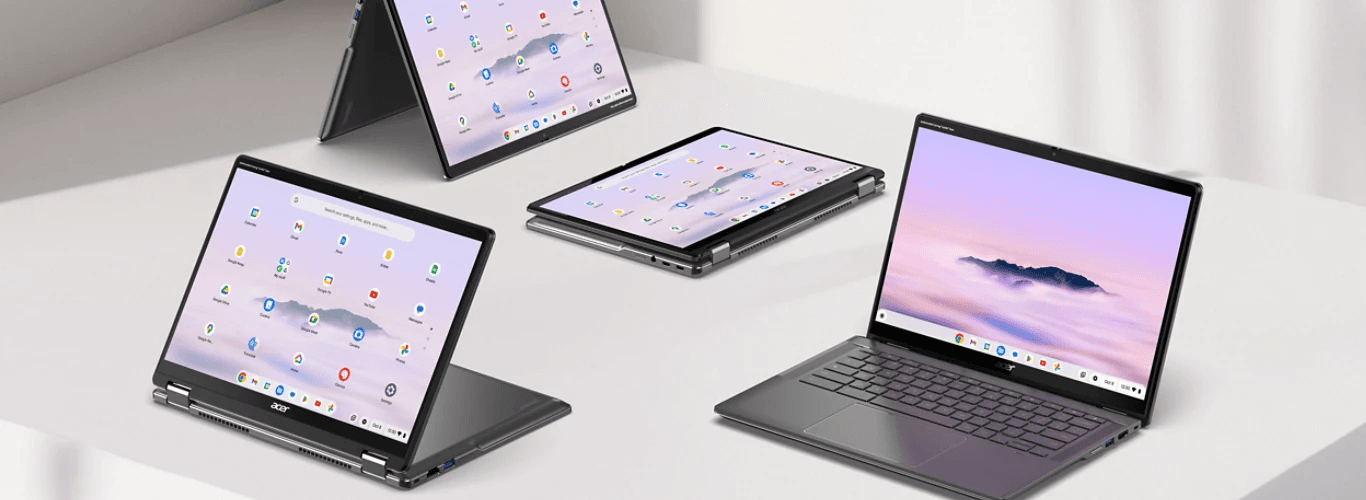
Acer's New Chromebook: A Game-Changer for Businesses?
Acer's Chromebook Plus Spin 514 combines AI and potent computing, offering businesses a glimpse into the future of work.
Sep 5, 2025