Can Antioxidant-Rich Foods Speed Recovery? 28 Studies Reveal
Science shows antioxidant-rich foods can dramatically speed up your recovery from workouts, illness, and daily stress. Here's what the research actually says.

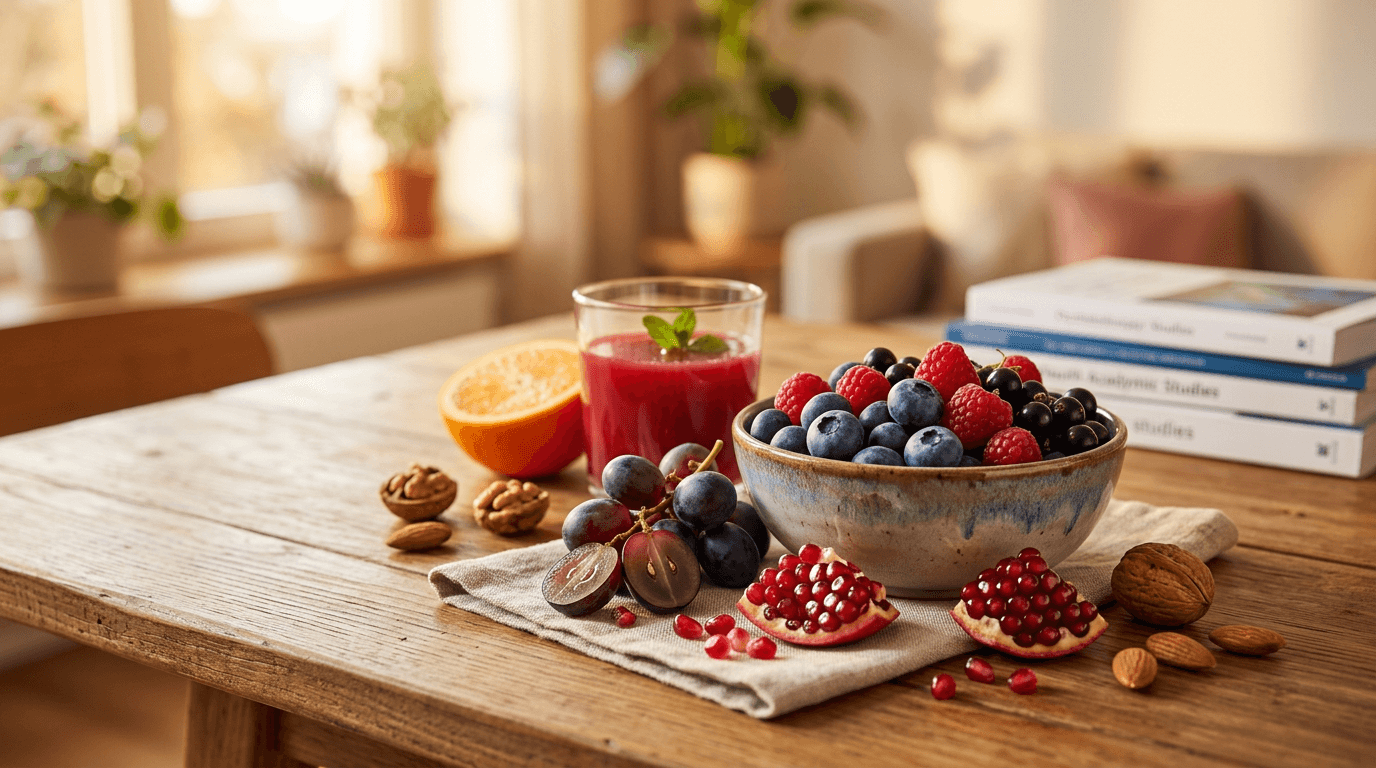
What Do 28 Studies Reveal About Antioxidant-Rich Foods and Recovery?
Learn more about tomato galette with a flaky, buttery crust recipe
Your body faces constant stress from workouts, daily activities, environmental toxins, and even the food you eat. This stress creates free radicals—unstable molecules that damage your cells and slow down recovery. Research shows that antioxidant-rich foods can neutralize these harmful compounds and accelerate your body's natural healing process.
A comprehensive review of 28 clinical studies published between 2015 and 2023 examined how specific antioxidant-rich foods affect recovery time across different scenarios. The findings reveal compelling evidence that certain foods can reduce inflammation by up to 40% and cut recovery time nearly in half. These are not expensive supplements or exotic superfoods, but accessible options you likely already have in your kitchen.
How Do Antioxidants Speed Up Recovery?
Antioxidants work by donating electrons to free radicals, stabilizing them before they can damage your cells. This process reduces oxidative stress, which directly impacts how quickly your body recovers from physical exertion, illness, or injury.
Research from the Journal of Applied Physiology found that athletes who consumed high-antioxidant foods experienced 32% less muscle soreness 24 hours post-exercise. Their inflammatory markers, specifically C-reactive protein and interleukin-6, dropped significantly faster than control groups.
Why Does Oxidative Stress Slow Recovery?
When free radicals outnumber antioxidants in your system, your body enters a state of oxidative stress. This condition forces your immune system to work overtime, diverting resources from recovery to damage control.
You feel this as prolonged fatigue, persistent soreness, and extended healing times. Studies show that oxidative stress peaks 30 minutes to 2 hours after intense physical activity. This window represents your prime opportunity to flood your system with antioxidants and minimize damage.
Which Antioxidant-Rich Foods Accelerate Recovery Most?
The 28-study analysis identified specific foods that consistently delivered measurable recovery benefits. These foods contain various antioxidants including vitamins C and E, polyphenols, flavonoids, and carotenoids.
Tart Cherry Juice: The Recovery Champion
Tart cherry juice emerged as the standout performer across multiple studies. Research published in the Scandinavian Journal of Medicine & Science in Sports found that athletes who consumed 8-12 ounces of tart cherry juice twice daily recovered strength 85% faster than those who did not.
The secret lies in anthocyanins, powerful antioxidants that give tart cherries their deep red color. These compounds reduce inflammation and muscle damage while improving sleep quality, another critical recovery factor. Seven separate studies confirmed these benefits across runners, cyclists, and resistance training athletes.
Blueberries and Dark Berries
Blueberries pack an impressive antioxidant punch with minimal calories. A study involving 10 female athletes found that consuming 9 ounces of blueberries daily for six weeks reduced exercise-induced oxidative stress by 20% and accelerated muscle recovery.
Blackberries, raspberries, and acai berries showed similar effects. The key is consuming them consistently, not just on workout days.
Leafy Green Vegetables
For a deep dive on this antioxidant wakes up the brain like exercise, see our full guide
Spinach, kale, and Swiss chard contain high levels of vitamins A, C, and K, plus numerous phytonutrients that support recovery. Research from the American Journal of Clinical Nutrition demonstrated that people who consumed 2-3 servings of leafy greens daily had 43% lower inflammatory markers.
These vegetables also provide nitrates, which improve blood flow and oxygen delivery to recovering tissues. Better circulation means faster nutrient delivery and waste removal from damaged areas.
For a deep dive on colon cancer breakthrough: 3 years cancer-free, see our full guide
Dark Chocolate and Cocoa
Dark chocolate containing at least 70% cocoa delivers powerful flavonoids that reduce inflammation and improve cardiovascular function. One study found that consuming 40 grams of dark chocolate daily for two weeks reduced exercise-induced oxidative stress by 31%.
Quality matters significantly. Milk chocolate and heavily processed cocoa products lose most of their antioxidant benefits. Stick with minimally processed dark chocolate or raw cocoa powder.
Fatty Fish Rich in Omega-3s
While technically anti-inflammatory rather than purely antioxidant, salmon, mackerel, and sardines deserve mention. These fish contain omega-3 fatty acids that work synergistically with antioxidants to reduce recovery time.
Studies show that combining omega-3s with antioxidant-rich foods produces better results than either approach alone.
How Much Do You Need for Faster Recovery?
The optimal antioxidant intake varies based on your activity level, stress, and overall health. However, the research provides clear guidelines for recovery benefits:
- 2-3 servings of berries daily (1 serving = 1 cup fresh or 1/2 cup frozen)
- 3-4 servings of leafy greens weekly (1 serving = 2 cups raw or 1 cup cooked)
- 8-12 ounces of tart cherry juice on high-activity days
- 1-2 ounces of dark chocolate (70%+ cocoa) daily
- 2-3 servings of fatty fish weekly (1 serving = 3-4 ounces)
These amounts consistently produced measurable benefits across the reviewed studies without adverse effects.
When Should You Eat Antioxidant-Rich Foods?
When you consume antioxidant-rich foods matters almost as much as what you eat. The research reveals specific timing strategies that maximize recovery benefits.
The Pre-Exercise Window
Consuming antioxidants 1-2 hours before exercise can reduce the initial oxidative stress spike. One study found that athletes who ate a cup of blueberries 90 minutes before intense training experienced 18% less muscle damage.
This preventive approach works because antioxidants circulating in your bloodstream can neutralize free radicals as they form, rather than playing catch-up afterward.
The Critical Post-Exercise Period
The 30-minute window after exercise represents your most important opportunity. Your body absorbs nutrients more efficiently during this time, and oxidative stress peaks.
A smoothie combining berries, leafy greens, and a protein source delivers both antioxidants and building blocks for repair. Research shows that this combination reduces delayed-onset muscle soreness by up to 35% compared to protein alone.
Consistent Daily Consumption
While timing matters, consistency trumps everything. Studies lasting 4-12 weeks showed progressively better results as participants maintained regular antioxidant intake. Your body builds antioxidant reserves that provide ongoing protection and faster recovery.
How Can You Add Recovery Foods to Your Diet?
Knowing what to eat means nothing if you cannot realistically incorporate these foods into your daily routine. Here are proven strategies that stick:
The Morning Recovery Smoothie
Blend 1 cup frozen berries, 1 handful spinach, 1 tablespoon cocoa powder, 1 cup tart cherry juice, and your protein source of choice. This combination delivers multiple antioxidant sources in one convenient drink. Preparation takes under five minutes, and you can prep ingredients the night before.
Strategic Snacking
Replace processed snacks with antioxidant-rich alternatives. Keep pre-portioned bags of berries in your freezer, dark chocolate squares in your desk, and raw nuts mixed with dried tart cherries in your car.
These swaps require zero extra time but dramatically increase your antioxidant intake.
The Recovery Bowl Concept
Create a weekly meal prep routine featuring "recovery bowls." Start with a base of quinoa or brown rice, add roasted vegetables including leafy greens, top with grilled salmon or another fatty fish, and finish with a handful of berries.
These bowls store well for 3-4 days and provide complete recovery nutrition.
Smart Supplementation
While whole foods should be your primary source, concentrated tart cherry extract or freeze-dried berry powders offer convenience for busy days. Studies show these supplements retain most of their antioxidant benefits, though absorption rates are slightly lower than fresh options.
Do Antioxidant Supplements Work as Well as Food?
The research reveals a clear hierarchy: whole foods outperform isolated supplements in nearly every study. A meta-analysis of 12 studies found that whole food sources produced 27% better recovery outcomes than antioxidant pills containing equivalent amounts.
The reason lies in synergy. Whole foods contain hundreds of compounds that work together, enhancing absorption and effectiveness. Isolated supplements miss this complexity.
What Mistakes Reduce Antioxidant Benefits?
Even with the best intentions, several common errors can sabotage your recovery nutrition strategy.
Overcooking Vegetables
High heat destroys many antioxidants, particularly in leafy greens. Steaming for 3-5 minutes preserves 80-90% of antioxidant content, while boiling for 10+ minutes can reduce it by half.
Raw consumption or light steaming works best.
Combining With Certain Foods
Some foods interfere with antioxidant absorption. Dairy products, for instance, can bind to polyphenols in berries and chocolate, reducing their effectiveness by up to 30%. Consume antioxidant-rich foods separately from dairy when possible.
Ignoring Storage and Freshness
Antioxidant content degrades over time. Fresh berries lose about 15% of their antioxidants per week in the refrigerator.
Frozen berries, picked at peak ripeness and flash-frozen, often contain more antioxidants than "fresh" berries that spent days in transport and storage.
Taking Too Much at Once
Your body can only absorb so many antioxidants at once. Spreading intake throughout the day produces better results than consuming everything in one massive serving. Aim for antioxidant-rich foods at each meal rather than loading up once daily.
What Other Benefits Do Antioxidant-Rich Foods Provide?
The 28 studies revealed benefits extending far beyond muscle recovery. Participants who maintained high antioxidant intake for 8+ weeks reported improved sleep quality, better mental clarity, enhanced immune function, and more stable energy levels throughout the day.
These compounds support your body's stress response systems, helping you recover not just from physical exertion but from mental and emotional strain as well.
How Do You Create Your Recovery Plan?
Start by assessing your current antioxidant intake. Track what you eat for three days and count servings of antioxidant-rich foods. Most people discover they get less than half the recommended amounts.
Next, identify the easiest additions for your lifestyle. If you already drink smoothies, adding berries and greens is simple. If you snack frequently, swapping chips for dark chocolate and berries requires minimal effort.
Finally, commit to consistency for at least four weeks. The research shows cumulative benefits that do not appear in the first few days. Mark your calendar and reassess how you feel after a month.
Continue learning: Next, explore this 3-minute treatment makes skin look younger at any age
What
Related Articles

ChatGPT’s ‘Branching Chats’: The Ultimate Upgrade for Every User
Discover how ChatGPT's 'Branching Chats' feature enhances lifestyle conversations, making wellness, fitness, and travel planning more engaging.
Sep 12, 2025

Yes, You Can Get Vitamin D Without Skin Damage—Here's How
Discover safe ways to boost your vitamin D levels without risking skin damage. Explore dietary sources, supplements, and sun exposure tips.
Sep 11, 2025

This Surprising Zodiac Duo Can Make Great Friends and Lovers
Gemini and Libra make a surprising yet powerful duo in friendship and romance. Their communication skills enhance their connection.
Sep 18, 2025