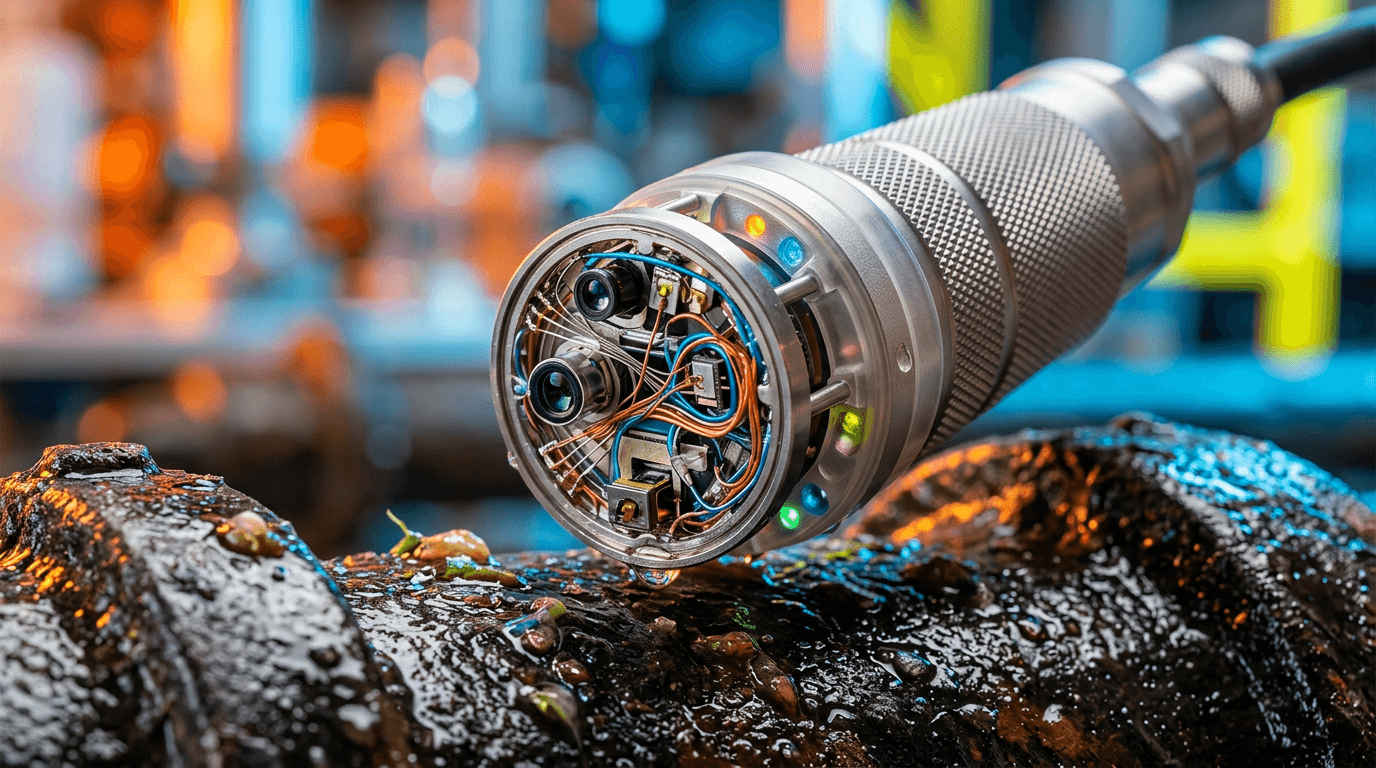
Sewers Hide a Climate Problem: New Tool Exposes Methane
Sewers worldwide release methane gas that drives climate change, but scientists lacked tools to measure it. A breakthrough from City University of Hong Kong changes everything.

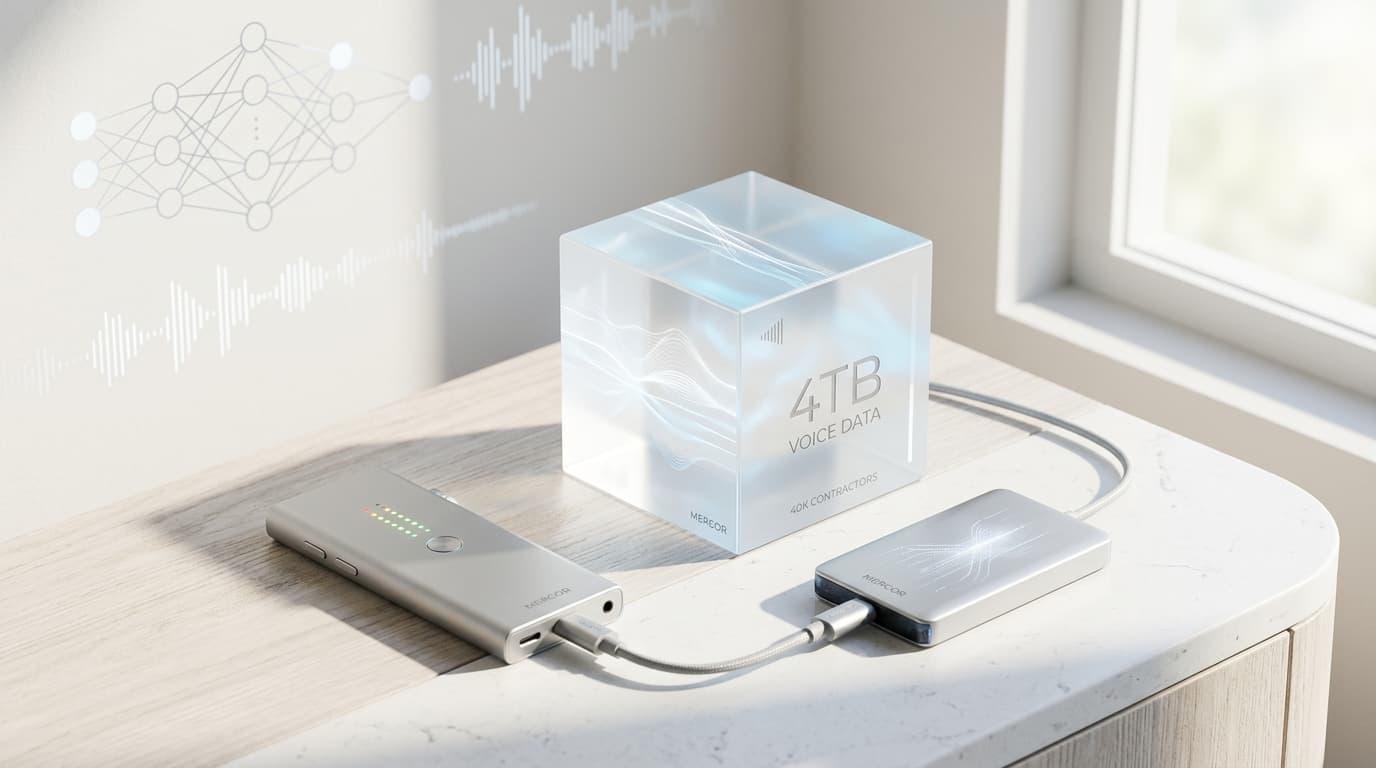
A massive security breach at Mercor has exposed 4TB of voice samples from 40,000 AI contractors, raising serious questions about data protection in the AI industry.

Pat Riley makes it clear: retirement is not an option. The Heat president doubles down on his championship-or-bust philosophy after Miami's disappointing season ends without a playoff berth.

New research analyzing ancient DNA challenges the hygiene hypothesis, showing that immune genes inherited from our ancestors may actually protect against allergies rather than cause them.

I spent a week testing Microsoft Copilot's AI features across Word, Excel, and PowerPoint. The results surprised me, and not always in a good way.

Database admins are questioning pgBackRest's maintenance status. Get the facts about this critical PostgreSQL backup tool and discover what your organization should do next.

During Operation Lunar Peek, attackers exploited two seemingly manageable CVEs to gain root access across 13,000 Palo Alto devices. The culprit? A vulnerability scoring system never designed for how adversaries actually attack.

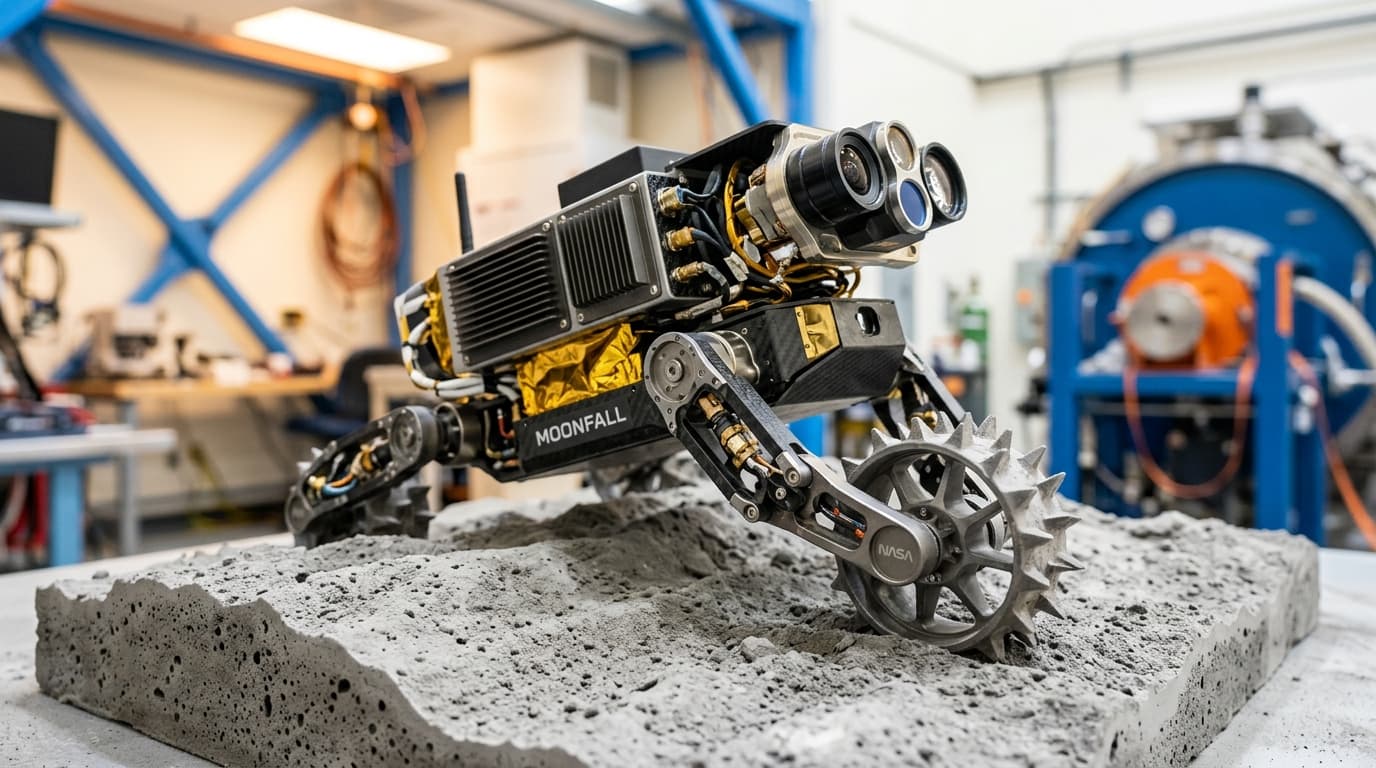
NASA is developing autonomous MoonFall drones to explore the lunar south pole's permanently shadowed craters, searching for water ice and safe landing zones for future Artemis missions.

Samsung faces a major patent lawsuit that could ban all its foldable phones from the US market. The case threatens billions in revenue and the future of foldable technology.

The 2026 NBA playoffs are reaching critical mass with multiple teams fighting for survival. The Nuggets and Suns face elimination while the Rockets extend their series after avoiding a sweep.

AI tools promise to augment human capability, but many professionals become passive consumers. Discover how to use AI as a thinking partner that elevates your cognition rather than replaces it.

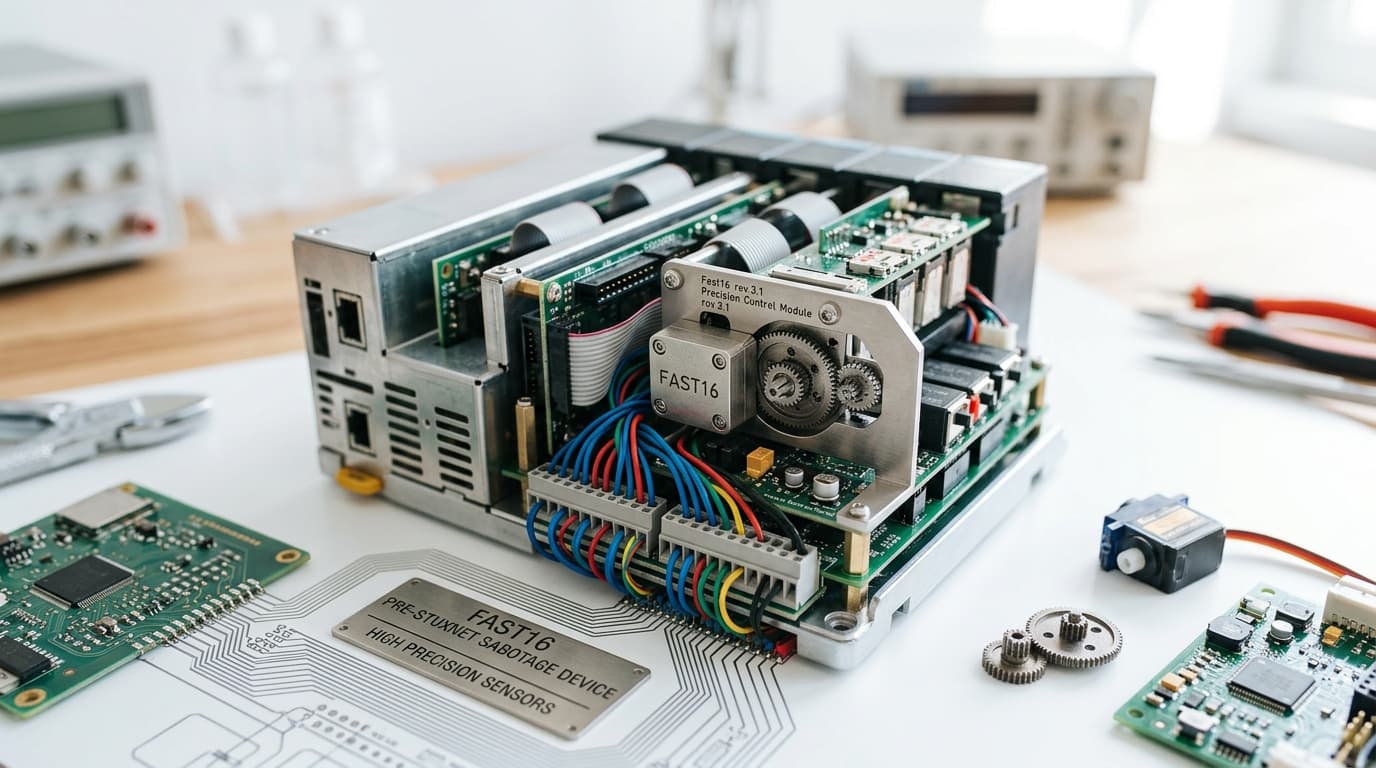
Before Stuxnet made headlines, Fast16 silently sabotaged industrial control systems in 2005. This forgotten cyberweapon pioneered precision attacks on critical infrastructure.