4TB Voice Data Stolen from 40K Mercor AI Contractors
A massive security breach at Mercor has exposed 4TB of voice samples from 40,000 AI contractors, raising serious questions about data protection in the AI industry.

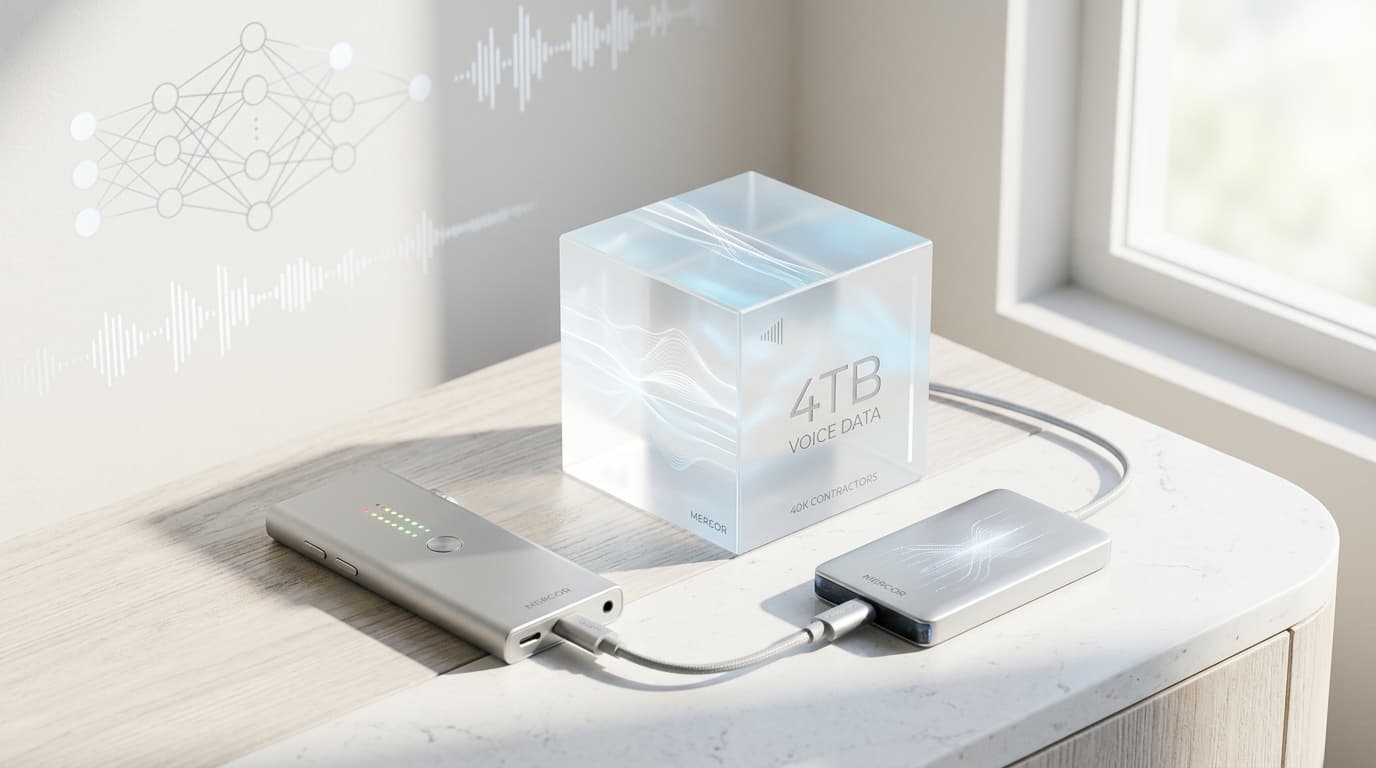
Mercor Data Breach Exposes 4TB of Voice Samples
Learn more about i tried copilot tools for word, excel & powerpoint
A massive security breach at Mercor has compromised 4TB of voice samples belonging to approximately 40,000 AI contractors, marking one of the most significant biometric data thefts in the artificial intelligence industry. The stolen voice data represents a privacy violation and a potential goldmine for cybercriminals seeking to exploit voice cloning technology. This incident highlights the growing vulnerability of AI training platforms and the personal data they collect from contractors worldwide.
The breach raises critical questions about how AI companies protect sensitive biometric information. Voice samples contain unique identifiers that criminals can weaponize for identity theft, fraud, and social engineering attacks.
What Happened in the Mercor Voice Data Theft?
Mercor, a platform connecting AI contractors with companies, suffered a security breach that exposed an enormous volume of voice recordings. The 4TB of stolen data encompasses voice samples collected from contractors who provide training data for AI models and voice recognition systems.
The breach affects approximately 40,000 contractors who trusted the platform with their biometric data. Mercor used these voice samples for various AI training purposes, including speech recognition, natural language processing, and voice assistant development.
Security experts suggest the breach occurred through compromised credentials or a vulnerability in Mercor's data storage infrastructure. The exact entry point remains under investigation. However, the scale of the theft indicates sophisticated planning and execution.
Why Do Hackers Target Voice Data?
Voice samples represent a unique form of biometric data that you cannot change like passwords. Once stolen, criminals use these recordings to:
- Create deepfake audio for impersonation and fraud
- Bypass voice authentication systems at banks and other institutions
- Train AI models for malicious purposes
- Conduct targeted social engineering attacks
- Sell on dark web marketplaces to other criminals
The value of voice data has skyrocketed with advances in AI voice cloning technology. Modern tools can generate convincing synthetic speech from just seconds of audio. This makes stolen voice samples extremely dangerous.
For a deep dive on pgbackrest no longer maintained: what database admins mus..., see our full guide
How Does This Impact AI Contractors and Workers?
The 40,000 affected contractors face serious risks to their personal and professional security. Many AI workers rely on platforms like Mercor for income, and this breach may erode trust in the gig economy model for AI training.
For a deep dive on cvss scores failed: chained cves gave root access to 13k ..., see our full guide
Contractors whose voices were stolen cannot simply reset their biometric data. Their unique vocal characteristics are now potentially in the hands of cybercriminals who can exploit them indefinitely.
What Should Affected Contractors Do Now?
Affected individuals should take immediate protective measures:
- Contact financial institutions to add extra voice authentication security
- Monitor accounts for unusual activity or unauthorized access attempts
- Be cautious of unexpected calls requesting sensitive information
- Consider enrolling in identity theft protection services
- Document the breach for potential legal action
Knowing criminals can replicate your voice creates ongoing anxiety about potential misuse. The psychological impact extends beyond immediate financial concerns.
How Will This Breach Affect the AI Industry?
The Mercor data breach exposes systemic vulnerabilities in how AI companies handle training data. Many platforms collect vast amounts of personal information from contractors without implementing adequate security measures.
This incident will likely trigger increased regulatory scrutiny of AI training platforms. Companies may face pressure to adopt stricter data protection standards and provide greater transparency about how they store and secure biometric data.
What Are the Regulatory Implications?
The breach raises questions about compliance with data protection regulations like GDPR and CCPA. Biometric data receives special protection under these frameworks. Companies face substantial penalties for inadequate safeguards.
Mercor may face regulatory investigations in multiple jurisdictions where affected contractors reside. The company could be liable for significant fines if investigators determine security measures were insufficient.
Insurance companies offering cyber liability coverage may also reassess risk profiles for AI platforms. Premium increases across the industry could follow as insurers recognize the unique risks associated with biometric data collection.
Is Voice Cloning Technology Dangerous?
The same AI technology that makes voice assistants and accessibility tools possible also enables malicious actors to create convincing deepfakes. Recent advances in generative AI have made voice cloning accessible to anyone with basic technical skills.
Criminals can now generate synthetic speech that mimics a specific person with remarkable accuracy. This capability transforms stolen voice samples into powerful tools for fraud and deception.
What Are the Real-World Consequences?
Several high-profile cases demonstrate the dangers of voice cloning. Criminals have used synthetic voices to impersonate executives and authorize fraudulent wire transfers worth millions. Scammers have targeted family members using cloned voices to fake emergencies.
The Mercor breach provides criminals with a massive library of authentic voice samples to train their own AI models. This could enable a new wave of sophisticated voice-based attacks targeting both individuals and organizations.
What Security Measures Should AI Platforms Implement?
The breach underscores the need for robust security protocols when handling biometric data. AI platforms must treat voice samples with the same care as financial information or medical records.
Essential security measures include:
- End-to-end encryption for all biometric data at rest and in transit
- Multi-factor authentication for system access
- Regular security audits and penetration testing
- Strict access controls limiting who can view sensitive data
- Automated monitoring for unusual data access patterns
- Rapid incident response protocols
Companies should also implement data minimization principles. Collect only the voice samples necessary for specific purposes and delete them after use.
How Can Platforms Build Trust Through Transparency?
AI platforms need transparency about data collection practices and security measures. Contractors deserve clear information about how companies will use, store, and protect their voice samples.
Providing regular security updates and breach notifications builds trust with contractors. Companies that demonstrate commitment to data protection will have competitive advantages in attracting talent.
What Can the Tech Industry Learn From This?
The Mercor breach offers important lessons for any company handling biometric data. As AI systems become more sophisticated, the volume of sensitive personal data collected will only increase.
Tech companies must prioritize security from the design phase rather than treating it as an afterthought. The cost of implementing robust security measures is far less than the financial and reputational damage from a major breach.
What Does the Future Hold for Biometric Data Protection?
Emerging technologies like homomorphic encryption and federated learning may offer solutions for training AI models without exposing raw biometric data. These approaches allow computation on encrypted data, reducing the risk of breaches.
Industry-wide standards for biometric data handling could help establish baseline security requirements. Professional organizations and regulatory bodies should collaborate to develop and enforce these standards.
Why This Breach Matters for AI Security
The theft of 4TB of voice samples from 40,000 Mercor contractors represents a critical moment for the AI industry. This breach demonstrates that biometric data collection carries serious responsibilities that some platforms are not adequately prepared to handle.
Continue learning: Next, explore nasa's moonfall drones to scout lunar south pole in 2025
Affected contractors face ongoing risks that they cannot easily mitigate. The AI industry must respond with stronger security measures, greater transparency, and meaningful accountability for data protection failures. Platforms can rebuild trust only through comprehensive reforms that ensure AI innovation does not come at the expense of worker privacy and security.
Related Articles

AI Tools Reveal Identities of ICE Officers Online
AI's emerging role in unmasking ICE officers spotlights the intersection of technology, privacy, and ethics, sparking a crucial societal debate.
Sep 2, 2025

AI's Role in Unveiling ICE Officers' Identities
AI unmasking ICE officers underscores a shift towards transparent law enforcement, raising questions about privacy and ethics in the digital age.
Sep 2, 2025

AI Unveils ICE Officers: A Tech Perspective
AI's role in unmasking ICE officers highlights debates on privacy, ethics, and the balance between transparency and security in law enforcement.
Sep 2, 2025
Comments
Loading comments...