iPhone Ultra Schematics Leak: Business Impact Analysis
Leaked iPhone Ultra schematics show Apple's foldable is more ambitious than expected. We analyze the business strategy, market impact, and what it means for enterprise adoption.

Scientists reveal how leadership emerges in moving crowds through unconscious coordination, creating organized patterns that prevent collisions and improve safety in crowded spaces.

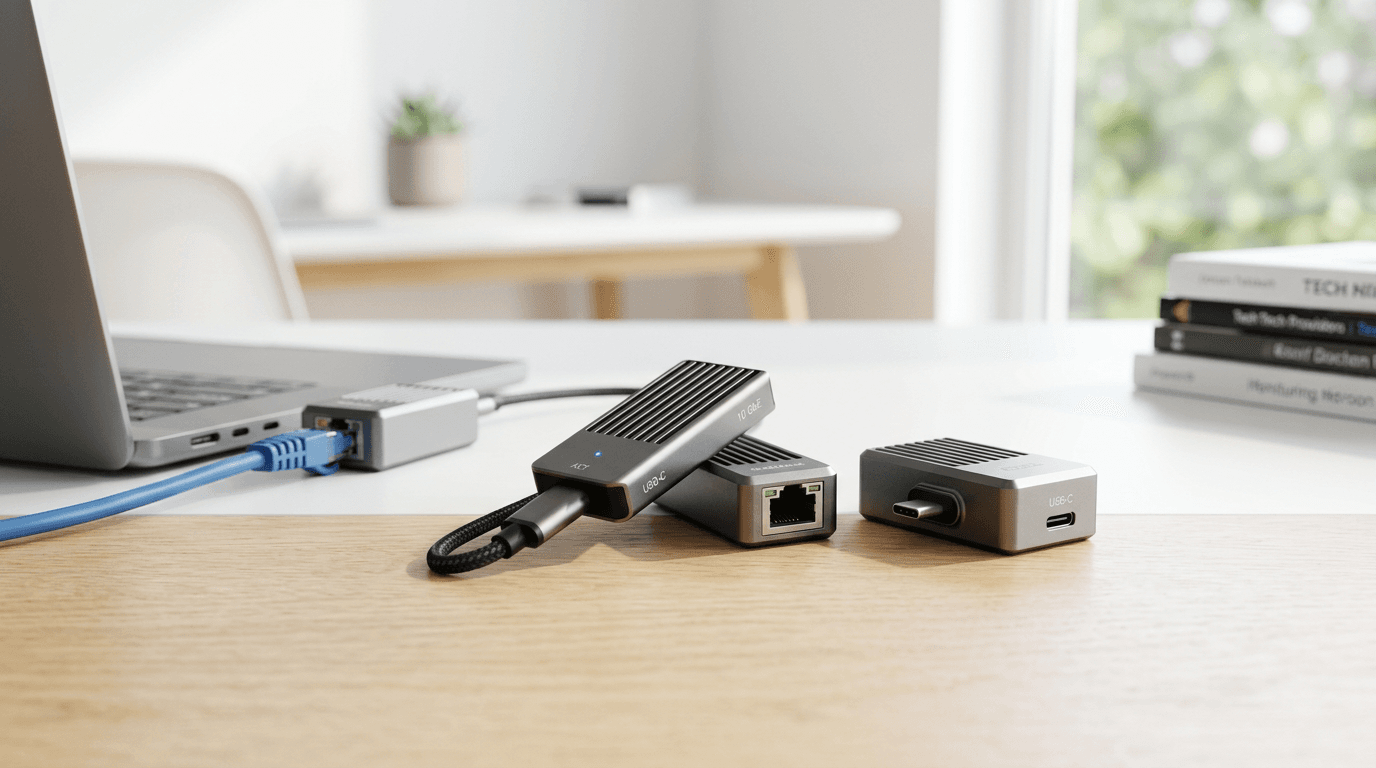
The latest generation of 10 GbE USB adapters brings enterprise-level networking to mainstream users with improved thermal management, compact form factors, and accessible pricing.

Git 2.54 introduces powerful performance improvements, enhanced security features, and better tools for modern development workflows. Learn what's new and why you should upgrade.

X launches XChat, a dedicated messaging app for iPhone and iPad users. Discover the features, privacy controls, and how it compares to WhatsApp and Telegram in this comprehensive guide.

Scientists discovered land sources emit over 20 times more airborne microplastics than the ocean, completely overturning previous assumptions about atmospheric plastic pollution.

Rackmount synths are making a comeback in 2026, and DinSync's R-101 leads the charge with uncompromising SH-101 authenticity in a modern rack format.

Recent shifts in Apple's supplier relationships reveal strategic pivots toward foldable devices, advanced AI chips, and revolutionary battery technology that could reshape its product lineup.

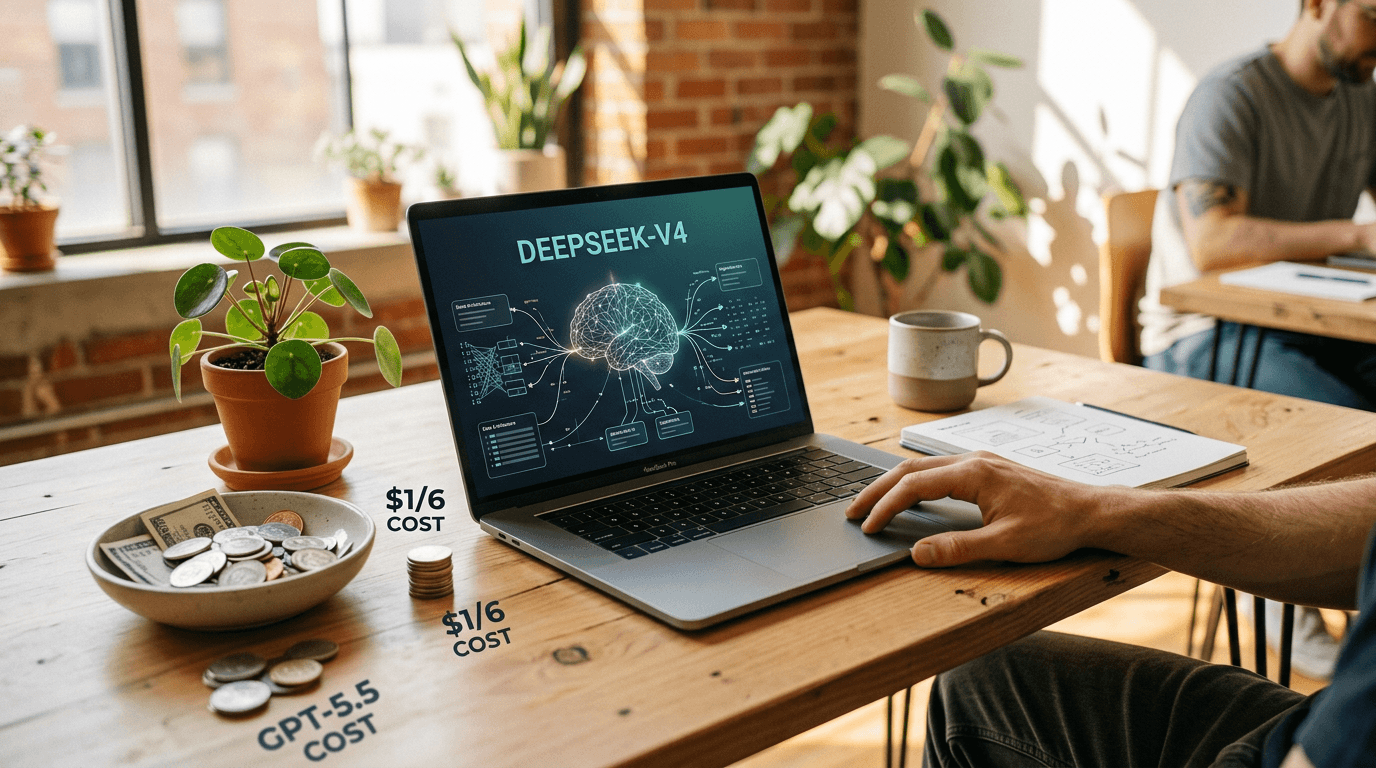
Chinese AI startup DeepSeek just released V4, a 1.6-trillion-parameter model matching frontier AI at dramatically lower costs. The open-source release forces enterprises to rethink AI economics.

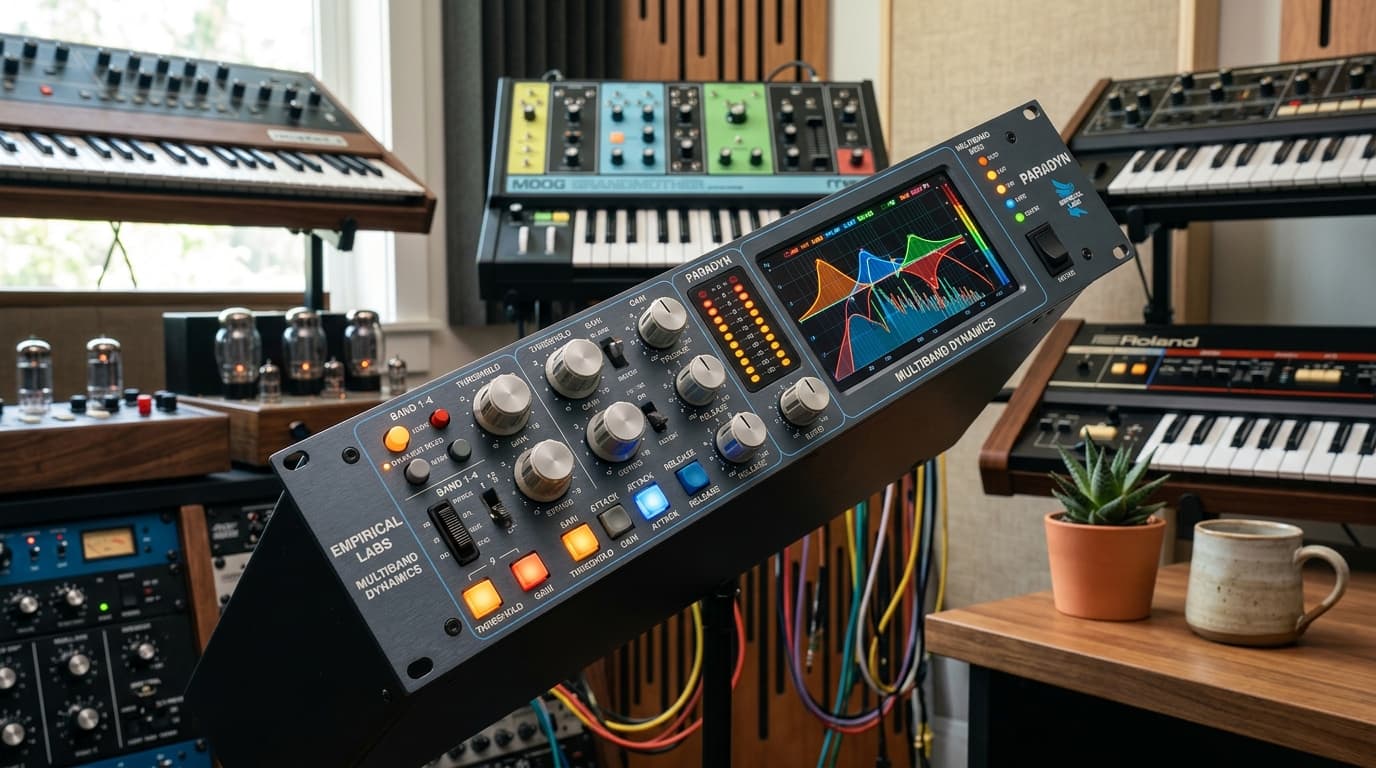
The Empirical Labs ParaDyn plugin delivers precision multiband processing that combines parametric equalization with two independent dynamics modules for unmatched sonic control.

Google's potential $40 billion investment in Anthropic marks one of the largest AI partnerships in history. This strategic move reshapes the competitive landscape of artificial intelligence.

Scientists may have discovered evidence of the universe's first stars in a distant gas clump, using James Webb data showing pristine gas irradiated by primordial stellar light.