AirPods Max 2, iOS 26.4 RC, and Top Apple Stories
Apple's biggest week yet brings AirPods Max 2, iOS 26.4 Release Candidate, fresh iPhone Fold speculation, and the surprising MacBook Neo phenomenon. Here's everything you need to know.

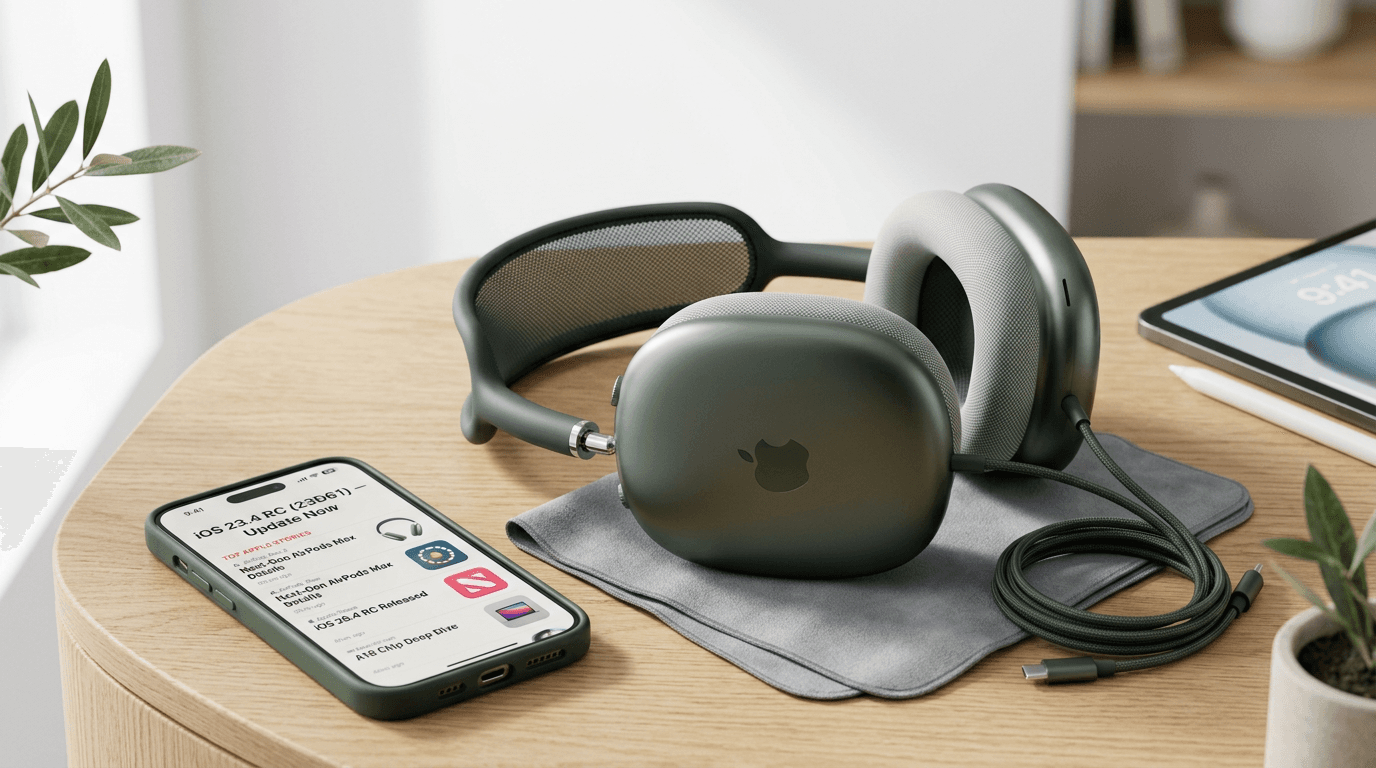
What's New in This Week's Apple Headlines: AirPods Max 2 and iOS 26.4 RC
Learn more about mamba-3: the next evolution in state space models
Apple enthusiasts had plenty to digest this week as the company unveiled the long-awaited AirPods Max 2, pushed iOS 26.4 to Release Candidate status, and sparked fresh speculation about foldable iPhone technology. The MacBook Neo also emerged as an unexpected success story, proving that Apple's experimental approaches can still capture consumer imagination.
These developments signal Apple's continued push to dominate multiple product categories while refining its software ecosystem. From hardware refreshes to software stability improvements, this week showcased Apple's dual commitment to innovation and reliability.
The AirPods Max 2 arrival addresses years of customer feedback. Meanwhile, the iOS 26.4 RC suggests imminent public release with critical bug fixes and performance enhancements.
What Changed in AirPods Max 2 and Why Does It Matter?
The second-generation AirPods Max finally addresses the criticisms that plagued the original model since its 2020 debut. Apple redesigned the charging port, switching from Lightning to USB-C to align with EU regulations and customer demand for universal connectivity.
Weight reduction became a priority. The new model sheds approximately 15 grams through refined internal components and lighter materials. The infamous "bra case" receives a functional upgrade, now offering better protection while maintaining portability.
Battery life extends to 22 hours with ANC enabled, up from 20 hours in the first generation. These improvements make the AirPods Max 2 more practical for daily use.
What Audio Technology Upgrades Does AirPods Max 2 Include?
Apple integrated its H2 chip into the AirPods Max 2, bringing computational audio improvements previously exclusive to AirPods Pro 2. Adaptive Audio now adjusts noise cancellation dynamically based on environmental conditions and user activity.
The new Personalized Spatial Audio uses advanced head-tracking algorithms and improved gyroscopes for more accurate 3D sound positioning. Conversation Awareness automatically lowers media volume when you speak, then seamlessly resumes playback when you finish talking.
These features transform the listening experience from passive to contextually intelligent. The H2 chip delivers noticeable improvements in sound quality and noise cancellation performance.
How Much Do AirPods Max 2 Cost?
For a deep dive on elon musk found guilty of defrauding twitter investors, see our full guide
Apple maintained the $549 price point despite the upgrades, positioning the AirPods Max 2 as a premium but accessible option. Five new color options join the lineup, including midnight blue and sage green alongside refreshed versions of classic finishes.
Pre-orders opened immediately with shipping estimates ranging from one to three weeks depending on color selection. Early adopters report improved comfort during extended wear sessions, validating Apple's ergonomic refinements.
For a deep dive on crimson desert launch: sales success despite technical is..., see our full guide
What's New in iOS 26.4 Release Candidate?
The iOS 26.4 RC arrived this week, signaling that public release sits just days away. This update focuses primarily on stability improvements and security patches rather than headline-grabbing features.
Developers received access to the RC build for final app compatibility testing. Apple typically releases the public version within one to two weeks after the RC phase, assuming no critical bugs emerge during this testing window.
What Key Improvements Does iOS 26.4 Include?
Battery drain issues affecting iPhone 14 and iPhone 15 models receive targeted fixes in this update. Users reported significant background activity from system processes, which Apple's engineering team traced to indexing conflicts in the Photos app.
Wi-Fi connectivity problems on certain router configurations also get addressed. The update includes revised network stack code that improves handoff between Wi-Fi networks and cellular data.
Security patches close three vulnerabilities in WebKit and one in the kernel that could potentially allow unauthorized access. These fixes make iOS 26.4 essential for device security.
When Will iOS 26.4 Release to the Public?
The RC designation indicates Apple's confidence in the build's stability. Beta testers should update immediately to help identify any remaining issues before public release.
Most users can expect the public version to arrive within the next 7-10 days. The update will be essential for maintaining device security, making installation highly recommended despite the lack of flashy new features.
Are iPhone Fold Rumors Credible?
Fresh reports from supply chain sources suggest Apple accelerated its foldable iPhone development timeline. The company allegedly ordered prototype display panels from Samsung Display and LG Display, indicating serious progress beyond conceptual stages.
Unlike previous speculation, these reports include specific technical details about hinge mechanisms and display durability testing. Apple reportedly aims for a book-style fold rather than a clamshell design, prioritizing screen real estate over pocket-friendly compactness.
What Technical Challenges Must Apple Overcome?
Crease visibility remains the primary obstacle for foldable displays. Apple's standards for display quality exceed current foldable technology capabilities, pushing engineers to develop proprietary solutions for minimizing visible fold lines.
Durability testing focuses on achieving 200,000 fold cycles without performance degradation. This target doubles the industry standard, reflecting Apple's reputation for longevity and build quality.
Battery placement in a foldable form factor presents additional engineering challenges that require innovative solutions. Apple must balance battery capacity with the device's slim profile.
When Will the iPhone Fold Launch?
Analysts predict a 2026 launch at the earliest, with 2027 being more realistic given Apple's perfectionist approach. The iPhone Fold would enter a maturing foldable market currently dominated by Samsung and emerging Chinese manufacturers.
Apple's entry could legitimize foldables for mainstream consumers who previously viewed them as experimental technology. Pricing speculation suggests a starting point above $1,800, positioning the device as an ultra-premium option within Apple's iPhone lineup.
Why Is MacBook Neo Succeeding?
The MacBook Neo, Apple's experimental modular laptop concept, exceeded internal sales projections by 40% in its first quarter. This device allows users to swap components like ports, additional batteries, and specialized modules for specific workflows.
Professional users particularly embraced the flexibility. Photographers and video editors lead adoption rates, appreciating the ability to configure the laptop for specific projects without carrying multiple devices.
How Does MacBook Neo's Modular Approach Work?
Apple's implementation differs from previous modular computing attempts by maintaining tight ecosystem control. All modules undergo rigorous certification, ensuring compatibility and preventing the fragmentation that plagued earlier modular initiatives.
The magnetic attachment system allows tool-free swapping in seconds. Users can add an SD card reader for photo imports, then swap to an Ethernet adapter for studio work, all without rebooting or external dongles.
This practical modularity addresses real workflow pain points. Apple focused on solving actual problems rather than offering modularity for its own sake.
What Does MacBook Neo's Success Mean for Future Products?
Pro users willing to pay premium prices drove initial success, but Apple now considers expanding the concept to other product lines. An iMac Neo with modular I/O could address the diverse needs of creative professionals without forcing compromises on port selection.
The success challenges Apple's recent trend toward sealed, non-upgradeable devices. It demonstrates that user repairability and customization can coexist with Apple's design philosophy when implemented thoughtfully.
What Other Apple News Happened This Week?
Apple's retail expansion continued with three new flagship stores opening in Southeast Asian markets. These locations feature updated designs emphasizing sustainability and community gathering spaces.
The company also quietly updated its trade-in values, increasing amounts for recent iPhone models while decreasing older device valuations. This adjustment reflects current secondary market conditions and aims to encourage upgrade cycles.
WatchOS 11.3 beta 2 introduced complications for third-party fitness apps, expanding developer access to prime watch face real estate. This change could significantly improve the Apple Watch experience for users invested in non-Apple fitness ecosystems.
What Do These Developments Mean for Apple's Future?
This week's announcements reveal Apple's multi-pronged strategy for maintaining market leadership. Hardware refreshes like AirPods Max 2 keep existing product lines competitive while addressing customer feedback.
Experimental products like the MacBook Neo test new concepts with minimal risk to core product lines. Meanwhile, steady software updates maintain the reliability and security that underpin customer trust in the Apple ecosystem.
The convergence of these strategies positions Apple to navigate an increasingly competitive technology landscape. By balancing innovation with refinement, the company addresses both early adopters seeking cutting-edge features and mainstream users prioritizing stability and ease of use.
What Does This Week Tell Us About Apple?
The AirPods Max 2 launch demonstrates Apple's willingness to iterate on premium products despite long refresh cycles. iOS 26.4 RC's imminent arrival ensures software stability across the iPhone lineup.
iPhone Fold rumors suggest Apple takes foldable technology seriously, even if public release remains years away. The MacBook Neo's success proves that thoughtful modularity can resonate with professional users.
Continue learning: Next, explore ghostling: the ai tool transforming digital communication
These stories collectively illustrate Apple's approach to technology development. The company moves deliberately, prioritizing quality over speed, while simultaneously exploring future directions that could reshape entire product categories. For Apple enthusiasts, this week provided both immediate gratification and exciting glimpses of what might come next.
Related Articles

AI's Role in Unveiling ICE Officers' Identities
AI unmasking ICE officers underscores a shift towards transparent law enforcement, raising questions about privacy and ethics in the digital age.
Sep 2, 2025

Transforming Gaza: From Conflict Zone to Tech Hub
A leaked plan from the Trump administration reveals a bold strategy to turn Gaza into a thriving high-tech hub. Discover the potential.
Sep 3, 2025

Gaza's Tech Revolution: Trump's Bold High-Tech Vision
A leaked plan from the Trump administration unveils a vision to make Gaza a high-tech hub, focusing on AI, cybersecurity, and digital innovation.
Sep 3, 2025