Sun Storms Powered by Magnetic Engine 16 Earths Deep
Scientists have discovered that the sun's powerful magnetic field, which drives solar storms threatening Earth's technology, originates from a magnetic engine buried 16 Earths deep.

When a cow named Veronika started using tools with primate-like precision, scientists had to rethink everything they knew about bovine intelligence. Her behavior is rewriting the rules.

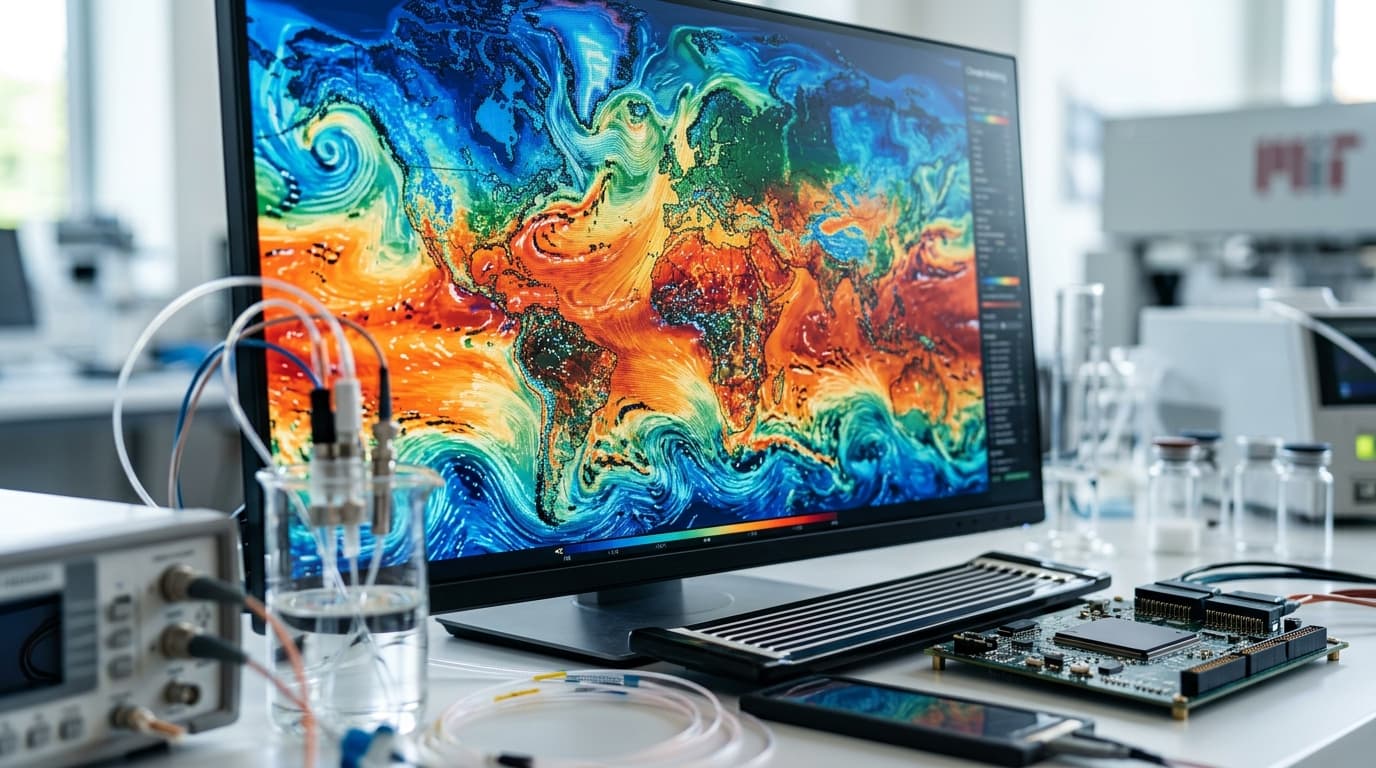
New MIT research reveals that global leaders who use interactive climate simulators understand solutions better and commit to real-world action. Discover how modeling drives change.

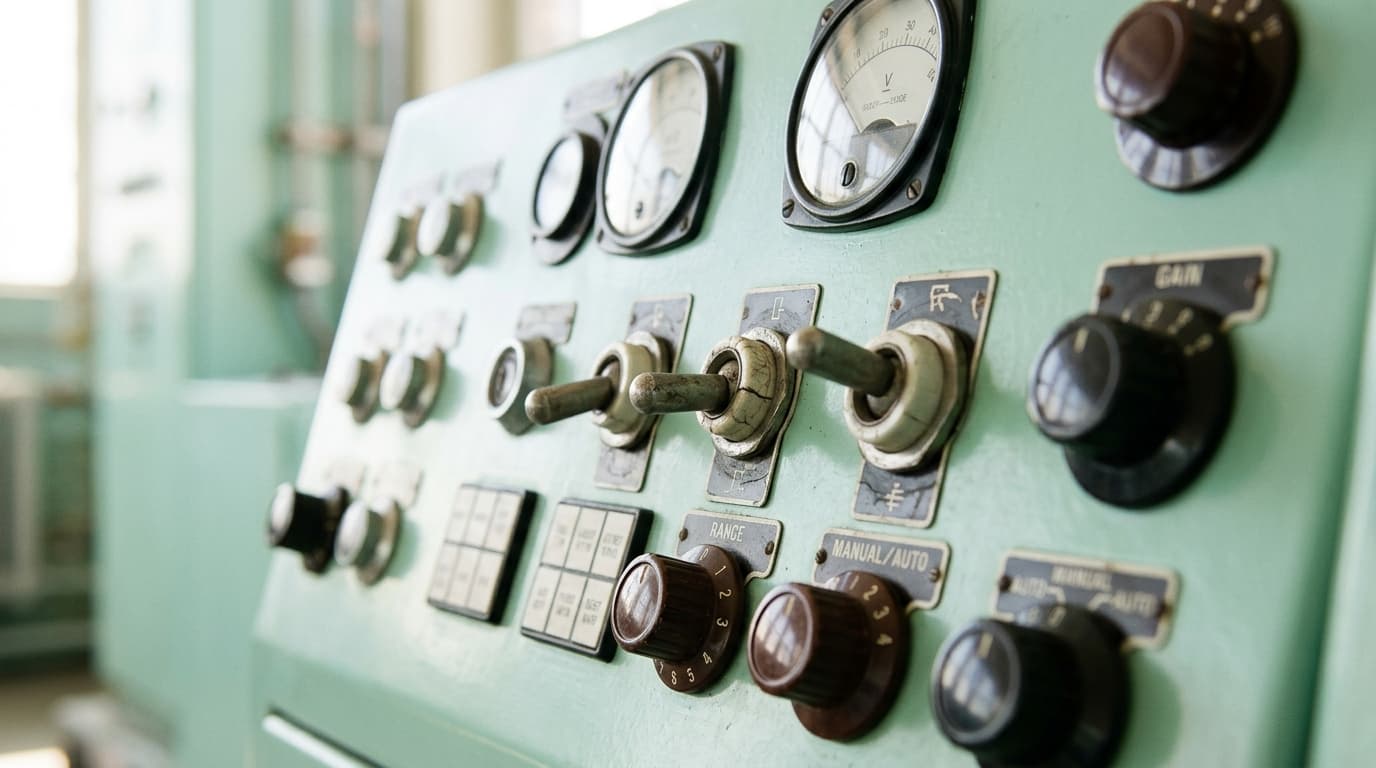
Seafoam green control rooms were everywhere for decades. The color choice was not aesthetic preference but calculated human factors engineering based on eye strain, psychology, and technology.

Apple's first foldable iPhone won't arrive with the iPhone 18 Pro lineup this September. Bloomberg's Mark Gurman reveals the iPhone Fold faces a delayed launch timeline.

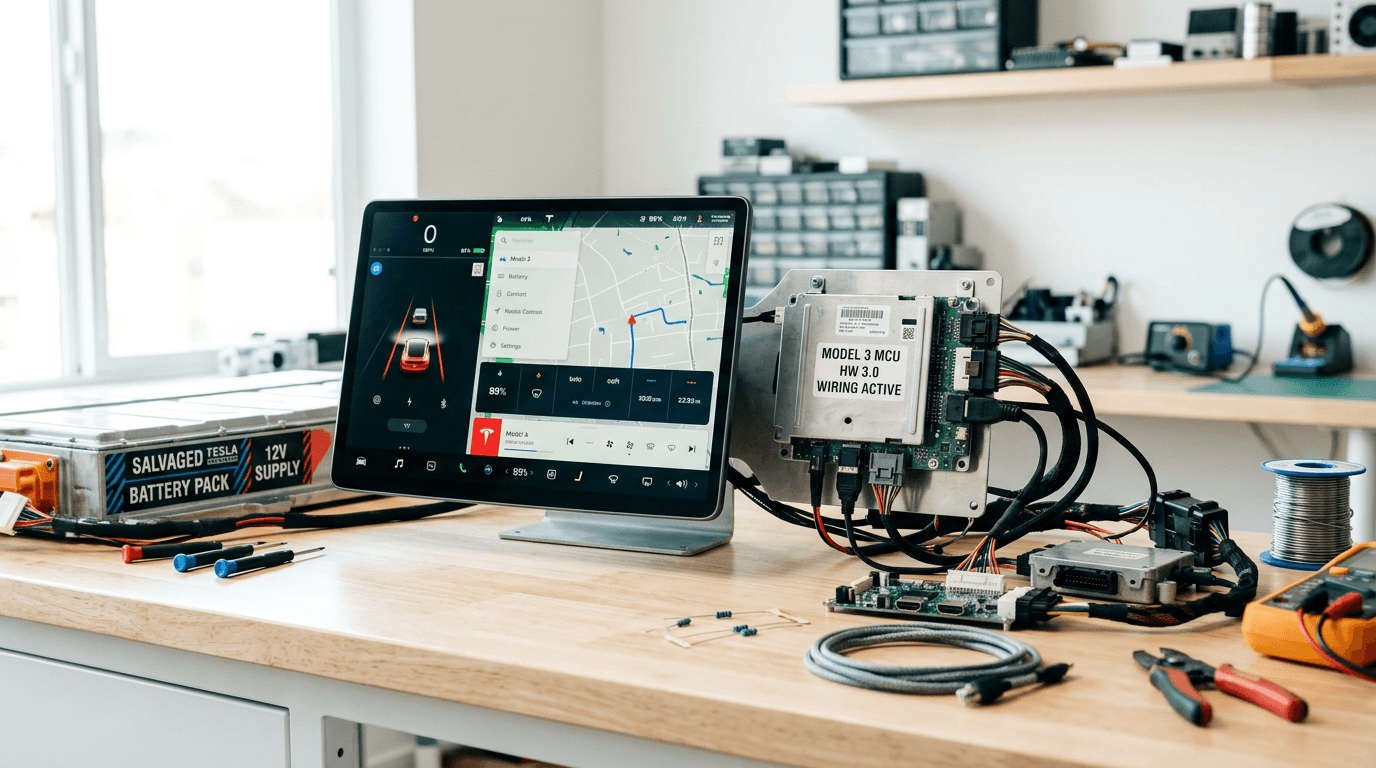
Salvaged Tesla computers are giving tech enthusiasts unprecedented access to automotive AI systems. Discover how crashed car parts are powering desktop experiments.

Melania Trump shared the spotlight with a sophisticated humanoid robot at a White House technology summit, promoting artificial intelligence integration in American education.

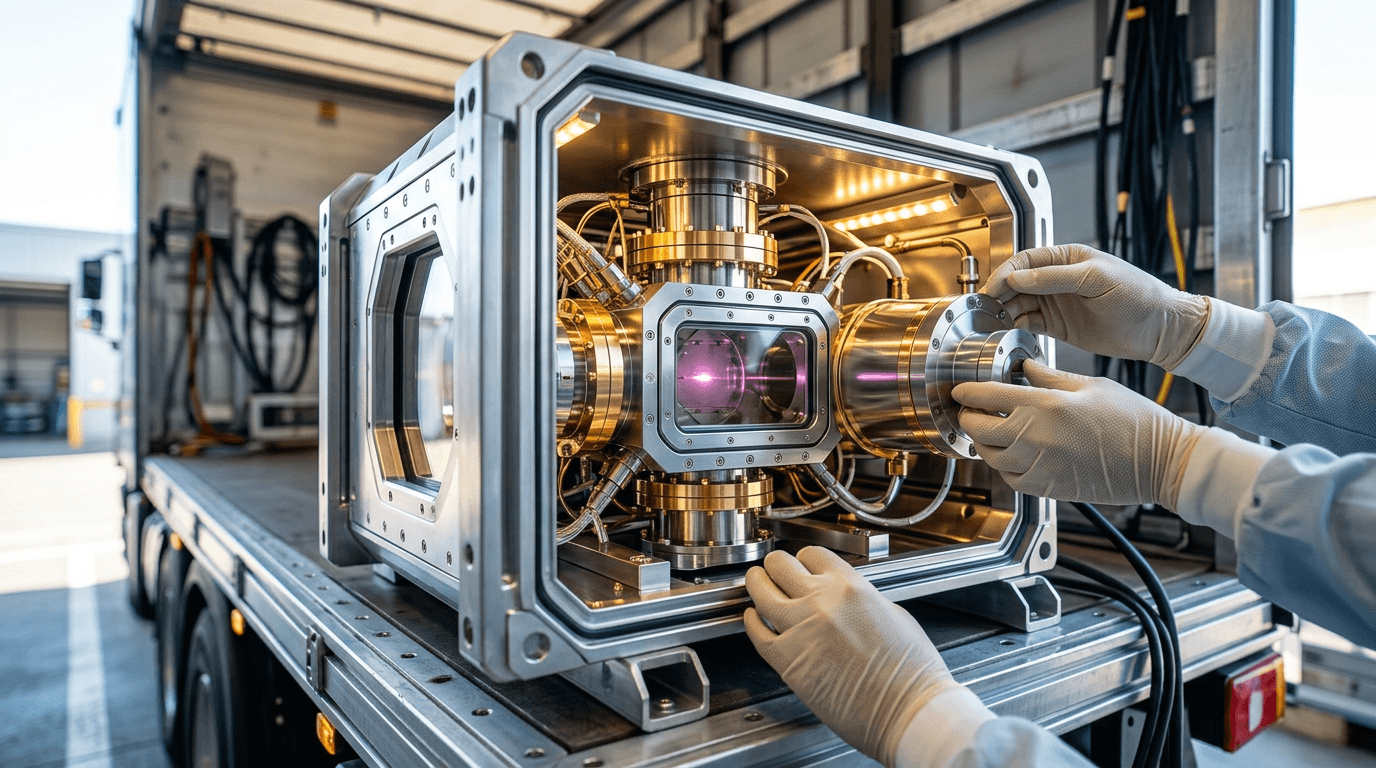
In a groundbreaking achievement, scientists at CERN successfully transported antimatter by truck for the first time in history, paving the way for an antimatter delivery service across Europe.

Qualcomm's Snapdragon 8 Elite Gen 6 specifications have leaked, revealing significant performance gains and cost implications for the premium smartphone market in 2027.

Phantom crane flies defy conventional flight by using their legs as aerodynamic controls. Scientists reveal how these insects adjust leg angles to manipulate drag and master the skies.

Wine 11 revolutionizes Linux gaming with a kernel-level rewrite that delivers massive performance gains, finally closing the gap with native Windows gaming performance.

In spring 2024, the moon gained a massive new crater as wide as two football fields. NASA's orbiter captured this rare event, expected only once per century, offering unprecedented insights.