Melania Trump Escorted by Humanoid Robot at White House
Melania Trump shared the spotlight with a sophisticated humanoid robot at a White House technology summit, promoting artificial intelligence integration in American education.
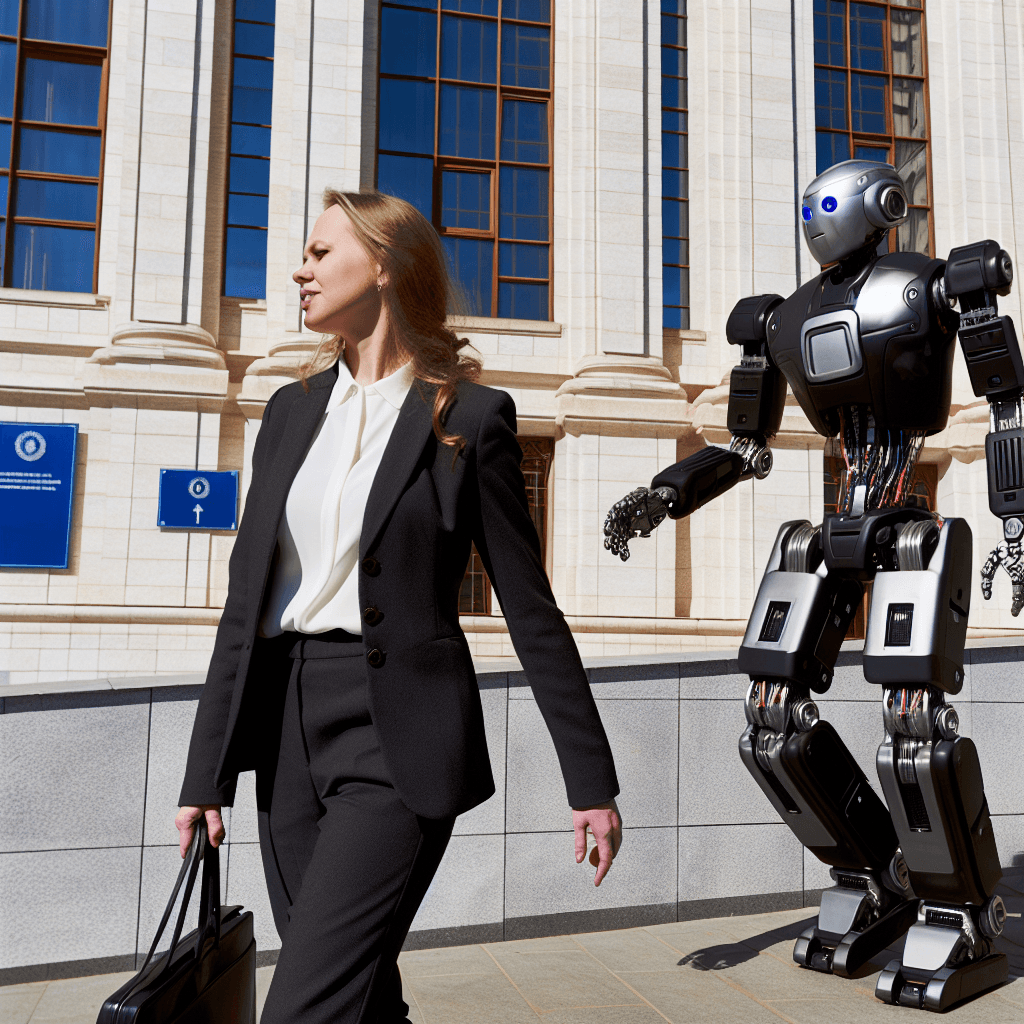
Melania Trump and Humanoid Robot Make History at White House Tech Summit
Learn more about google turboquant cuts ai memory costs 50% and boosts spe...
The White House witnessed an unprecedented moment when Melania Trump appeared alongside a talking humanoid robot at a technology summit focused on artificial intelligence in education. The first lady's collaboration with advanced robotics technology signals a growing emphasis on AI integration in American classrooms. This marks a notable shift in how the administration addresses educational innovation.
This unique pairing of political figure and artificial intelligence demonstrates the Trump administration's willingness to embrace cutting-edge technology. The event sparked conversations about the future of learning and the role government can play in shaping technological advancement.
What Happened When Melania Trump Met the Humanoid Robot?
The tech summit brought together educators, technology leaders, and policymakers to discuss artificial intelligence applications in schools. Melania Trump shared the stage with a sophisticated humanoid robot capable of natural conversation and interactive demonstrations. The robot showcased various educational capabilities, from answering complex questions to demonstrating problem-solving techniques.
The first lady emphasized the importance of preparing American students for a technology-driven future. She highlighted how AI tools could personalize learning experiences and provide additional support to teachers managing diverse classrooms.
What Did the Humanoid Robot Demonstrate?
The humanoid robot displayed several impressive capabilities during the summit:
- Conversational AI that responded to questions in real-time with contextual understanding
- Educational content delivery across multiple subjects including mathematics and science
- Adaptive learning recognition that adjusted explanations based on comprehension levels
- Multilingual communication abilities supporting diverse student populations
- Interactive demonstrations showing how AI assists rather than replaces human teachers
For a deep dive on apple's ai captions images better than 10x larger models, see our full guide
These features illustrated practical applications for classroom environments. The technology demonstrated how artificial intelligence could supplement traditional teaching methods while maintaining human oversight and guidance.
How Does Melania Trump Envision AI in Education?
For a deep dive on github copilot data policy update: what devs need to know, see our full guide
Melania Trump articulated a clear vision for integrating artificial intelligence into American schools responsibly. She stressed that technology should enhance educational outcomes without diminishing the essential role of human educators. The first lady acknowledged concerns about screen time and digital dependence while advocating for balanced implementation.
Her remarks focused on three key priorities. First, ensuring equitable access to AI educational tools across different socioeconomic backgrounds. Second, maintaining robust privacy protections for student data. Third, training teachers to effectively utilize AI resources in their curricula.
The summit represented a continuation of Melania Trump's "Be Best" initiative, which addresses children's well-being and development. By incorporating technology discussions, she expanded the initiative's scope to include digital literacy and technological preparedness.
How Did Politicians React to the White House Tech Summit?
The event generated varied responses across the political spectrum. Supporters praised the administration's forward-thinking approach to educational technology and its willingness to explore innovative solutions. They argued that embracing AI positions American students competitively in the global marketplace.
Critics raised questions about implementation costs and potential job displacement for educators. Some education advocates expressed concern about replacing human interaction with artificial alternatives, particularly for younger students who benefit from emotional connections with teachers.
How Does This Compare to Previous Educational Initiatives?
The Trump administration's focus on AI in education differs significantly from previous approaches. Earlier initiatives concentrated primarily on standardized testing reforms and school choice programs. This tech-forward strategy represents a departure toward infrastructure and capability building.
Comparative analysis shows increasing bipartisan interest in educational technology. Both Democratic and Republican policymakers recognize the necessity of preparing students for automated workplaces and digital economies. The debate centers not on whether to adopt such technologies but how quickly and extensively.
What Technology Powers Educational Humanoid Robots?
The humanoid robot featured at the summit represents years of artificial intelligence development. These machines utilize natural language processing, machine learning algorithms, and sophisticated sensors to interact with humans naturally. Their programming allows them to recognize speech patterns, interpret questions, and formulate appropriate responses.
Educational robots differ from consumer AI assistants in several important ways. They incorporate curriculum-specific knowledge bases aligned with educational standards. Their responses prioritize pedagogical effectiveness over simple information delivery. Safety protocols ensure age-appropriate interactions and content filtering.
What Are the Costs and Implementation Challenges?
Introducing AI technology into schools presents significant financial and logistical obstacles. Individual humanoid robots can cost between $50,000 and $200,000, making widespread deployment prohibitively expensive for many districts. Software licensing, maintenance, and technical support add ongoing expenses.
Implementation requires substantial infrastructure upgrades. Schools need reliable high-speed internet, updated electrical systems, and dedicated spaces for technology integration. Teacher training programs must expand to include AI literacy and classroom management strategies for technology-enhanced environments.
Funding remains the primary barrier. Federal grants and public-private partnerships offer potential solutions, but comprehensive nationwide adoption would require billions in investment. Pilot programs in select districts may provide valuable data before broader rollouts.
How Did the Public React to Melania Trump and the Robot?
The image of Melania Trump walking alongside a humanoid robot quickly spread across social media platforms. Reactions ranged from enthusiastic support to skeptical commentary. Technology enthusiasts celebrated the visibility given to AI innovation, while others created humorous memes about robot-politician interactions.
Educators expressed mixed feelings about the demonstration. Some welcomed attention to classroom technology needs, while others worried the focus on expensive robots overshadowed more pressing concerns like teacher salaries and basic supplies. Parent groups debated whether AI represents genuine educational advancement or unnecessary distraction.
The event generated substantial media coverage, bringing artificial intelligence in education into mainstream conversation. This visibility may accelerate policy discussions and funding considerations at state and federal levels.
What Does This Mean for American Education's Future?
The White House tech summit signals growing government interest in educational technology integration. Whether this translates into concrete policy changes and funding allocations remains uncertain. However, the high-profile nature of the event ensures continued attention to AI's role in learning environments.
Experts predict gradual rather than revolutionary adoption of educational AI. Schools will likely begin with software-based solutions before investing in physical robots. Virtual tutoring systems, automated grading tools, and personalized learning platforms offer more affordable entry points for AI integration.
The long-term impact depends on addressing legitimate concerns about data privacy, equitable access, and maintaining human connection in education. Successful implementation requires balancing technological capability with pedagogical wisdom and ethical considerations.
Conclusion: Technology Meets Tradition at the White House
Melania Trump's appearance with a humanoid robot at the White House tech summit represents a significant moment in the intersection of politics, education, and technology. The event highlighted both the potential and challenges of integrating artificial intelligence into American classrooms.
The path forward involves substantial obstacles including funding, infrastructure, and training requirements. Yet the conversation has begun at the highest levels of government.
Continue learning: Next, explore was 2025 really the year of ai agents? a developer's take
The first lady's advocacy for AI in education brings visibility to an important policy area. Whether this momentum translates into meaningful change depends on sustained commitment, adequate resources, and thoughtful implementation strategies. The image of a political figure and humanoid robot together symbolizes a future where technology and humanity collaborate in shaping the next generation's education.
Related Articles

AI Revolution: Making Autonomous Vehicles 99% Safer
Explore the groundbreaking AI technology that promises to prevent 99% of accidents in autonomous vehicles, marking a new era in road safety.
Sep 6, 2025

Unpacking The Bitter Lesson in AI Evolution
Delving into the Bitter Lesson in AI: Unraveling its true meaning and impact on future technological innovations and trends.
Sep 4, 2025

AI Tools Reveal Identities of ICE Officers Online
AI's emerging role in unmasking ICE officers spotlights the intersection of technology, privacy, and ethics, sparking a crucial societal debate.
Sep 2, 2025