Ghost Producers in Techno: The Hidden Architects
Behind many chart-topping techno tracks stand invisible creators. Ghost producers craft the sound while others take the spotlight, creating a complex industry dynamic few understand.

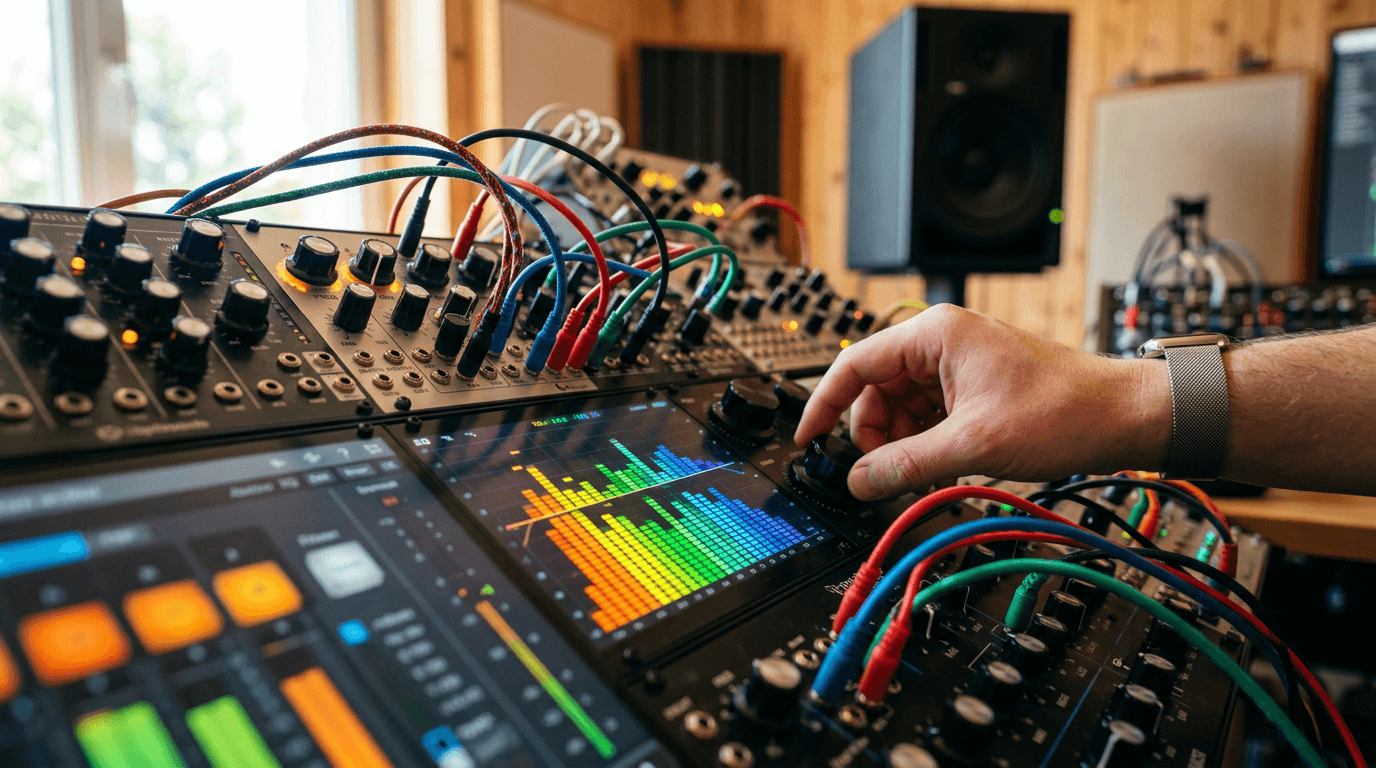
Ghost Producers in Techno: The Hidden Architects of the Scene
Learn more about snl u.k. resurrects diana & churchill with dna tech
The techno DJ commanding a festival stage might not have created the tracks spinning from the decks. Ghost producers in techno represent an open secret within electronic music, yet their influence remains largely invisible to fans. This shadowy practice shapes the sound of major acts while raising questions about authenticity, creativity, and the business mechanics of modern dance music.
The ghost production system thrives because it solves practical problems for both parties. DJs with packed touring schedules lack studio time, while talented producers need income and exposure.
Why Do Ghost Producers Dominate Techno Culture?
Techno's emphasis on performance over personality creates ideal conditions for ghost production. Unlike pop music where songwriting credits carry prestige, techno prioritizes the dancefloor experience. Fans care more about how tracks sound in a club than who programmed the kick drum.
The genre's technical demands also play a role. Professional-quality techno requires deep knowledge of synthesis, mixing, and mastering. A DJ might excel at reading crowds and building sets but lack the production skills that take years to develop.
Economic realities reinforce the system. Established DJs generate revenue through performances, not track sales. They need a steady release schedule to maintain booking fees and label relationships. Ghost producers provide that output while the DJ focuses on touring and brand building.
What Does Ghost Production Cost?
Ghost production operates on several payment models. Flat-fee arrangements typically range from $500 to $5,000 per track, depending on the producer's reputation and the client's profile. Some deals include royalty splits, though these remain less common in techno than in pop music.
Higher-profile projects command premium rates. A ghost-produced track for a top-tier techno artist might cost $10,000 or more.
The payment structure often includes:
- Upfront fees covering production and mixing
- Additional charges for revisions beyond initial scope
- Separate mastering costs or bundled packages
- Non-disclosure agreements protecting both parties
- Rights transfers giving full ownership to the buyer
For a deep dive on doncic wants child support filing nixed: what we know, see our full guide
How Does the Ghost Production Process Work?
Most ghost production begins with a brief outlining style, tempo, and reference tracks. The producer creates an initial version, then refines it through feedback rounds. Communication happens through private channels, with stems and project files transferred via secure platforms.
For a deep dive on michigan handles saint louis to make sweet 16 dominance, see our full guide
Production timelines vary widely. A straightforward peak-time techno track might take one to two weeks. Complex productions with intricate sound design can extend to a month or longer.
Quality control separates professional ghost producers from amateurs. Top-tier creators deliver radio-ready masters that match or exceed the client's previous releases. They study the artist's sound signature and replicate production techniques convincingly.
What Do Professional Ghost Producers Deliver?
Professional ghost producers provide comprehensive packages. Beyond the final master, they supply organized project files, individual stems, and MIDI data. This allows the client to make adjustments or claim authentic involvement in the creative process.
The technical specifications matter enormously. Tracks must meet label requirements for loudness, dynamic range, and frequency balance. Ghost producers understand mastering standards across different platforms and formats.
Many producers also create multiple versions. A package might include the original mix, a radio edit, an extended club version, and stripped-down tool variations.
Is Ghost Production Ethical or Just Business?
Critics argue ghost production undermines artistic integrity. Fans believe they support specific artists, not anonymous production teams. This perceived deception damages trust when exposed, as several high-profile cases have demonstrated.
Defenders counter that music has always been collaborative. Classical composers employed copyists, pop stars work with writing teams, and film directors rely on large crews.
The debate intensifies around live performances. When a DJ plays ghost-produced tracks, the crowd experiences genuine energy and connection. Does it matter who programmed the hi-hats if the dancefloor responds?
Who Really Owns the Creative Work?
Legal agreements clearly define ownership, but ethical questions persist. The ghost producer surrenders credit in exchange for payment. They accept anonymity as a business transaction, though some later regret these decisions.
Some argue the DJ's role as curator and performer constitutes legitimate artistry. Selecting tracks, building sets, and reading crowds require distinct skills. The ghost producer handles technical execution while the DJ manages artistic direction and presentation.
Others see this as rationalization. They believe producers deserve recognition for their creative labor, regardless of contractual arrangements.
How Does Ghost Production Impact Techno's Creative Ecosystem?
Ghost production creates market distortions. Talented producers working anonymously might never build their own brands. Meanwhile, less-skilled DJs occupy prominent positions based on marketing rather than production ability.
The system also affects release quality across the genre. When multiple artists use the same ghost producers, tracks begin sounding homogeneous. This creative convergence reduces diversity and innovation within techno's sonic landscape.
However, ghost production also provides income streams supporting underground talent. Many producers fund experimental personal projects through commercial ghost work.
How Do Labels Handle Ghost Production?
Record labels occupy an ambiguous position. Most know which artists use ghost producers but maintain public silence. They prioritize marketability and consistent output over production authenticity.
Some labels explicitly prohibit ghost production in contracts. Others tacitly encourage it by demanding frequent releases from touring artists.
A few labels have embraced transparency, crediting ghost producers as co-writers or remixers. This compromise acknowledges their contributions while preserving the headliner's brand value.
How Can You Spot Ghost-Produced Tracks?
Production inconsistencies often reveal ghost work. Sudden quality jumps, stylistic shifts, or technical improvements between releases suggest different creators. Experienced listeners notice these patterns, though proving ghost production remains difficult without insider confirmation.
Mixing and mastering signatures provide clues. Professional producers develop distinctive approaches to compression, reverb, and spatial processing. When these characteristics change dramatically across an artist's catalog, ghost production becomes likely.
Social media behavior also hints at ghost production. Artists who rarely share studio photos, avoid technical discussions, or never post work-in-progress content might be outsourcing production.
What Does the Future Hold for Ghost Production in Techno?
Technology may democratize production skills, reducing ghost production's necessity. Modern DAWs, sample packs, and AI tools lower technical barriers. Future DJs might produce competently without years of training.
Conversely, increasing professionalization could expand ghost production. As techno grows commercially, marketing and touring demands intensify.
Transparency might become the norm. Younger audiences raised on collaborative creative processes may care less about single-artist attribution. This cultural shift could normalize credited production teams in techno, similar to other music genres.
How Can Producers Build Sustainable Ghost Production Careers?
For producers considering ghost work, reputation matters more than individual track fees. Delivering consistently excellent results leads to ongoing clients and referrals. The ghost production network operates largely through word-of-mouth recommendations.
Diversifying income sources provides stability. Successful producers balance ghost work with personal releases, sound design, mixing services, and teaching.
Maintaining creative satisfaction requires boundaries. Many producers limit ghost work to specific percentages of their time, preserving energy for personal artistic development.
The Invisible Foundation of Modern Techno
Ghost producers in techno function as the genre's hidden infrastructure. They enable the commercial ecosystem while complicating questions of authenticity and creative ownership. The system persists because it serves practical needs, despite ongoing ethical debates.
Continue learning: Next, explore google's 4 android gaming upgrades for windows pc users
Understanding ghost production reveals how modern techno actually operates beyond romantic notions of solitary studio genius. Whether this practice enhances or diminishes the genre depends on individual values around artistic transparency and collaborative creation. Ghost producers will continue shaping techno's sound, recognized or not.
Related Articles

AI's Role in Unveiling ICE Officers' Identities
AI's application in unveiling ICE officers' identities sparks debate over privacy and accountability, highlighting a new era in technology.
Sep 2, 2025

AI Tools Reveal Identities of ICE Officers Online
AI's emerging role in unmasking ICE officers spotlights the intersection of technology, privacy, and ethics, sparking a crucial societal debate.
Sep 2, 2025

AI's Role in Unveiling ICE Officers' Identities
AI unmasking ICE officers underscores a shift towards transparent law enforcement, raising questions about privacy and ethics in the digital age.
Sep 2, 2025