At-Home Hair Growth System Drops in Price - Red Light
The science-backed red light therapy device that stimulates hair follicles and promotes regrowth just dropped to its lowest price. Here's why this technology works and what makes it worth buying.

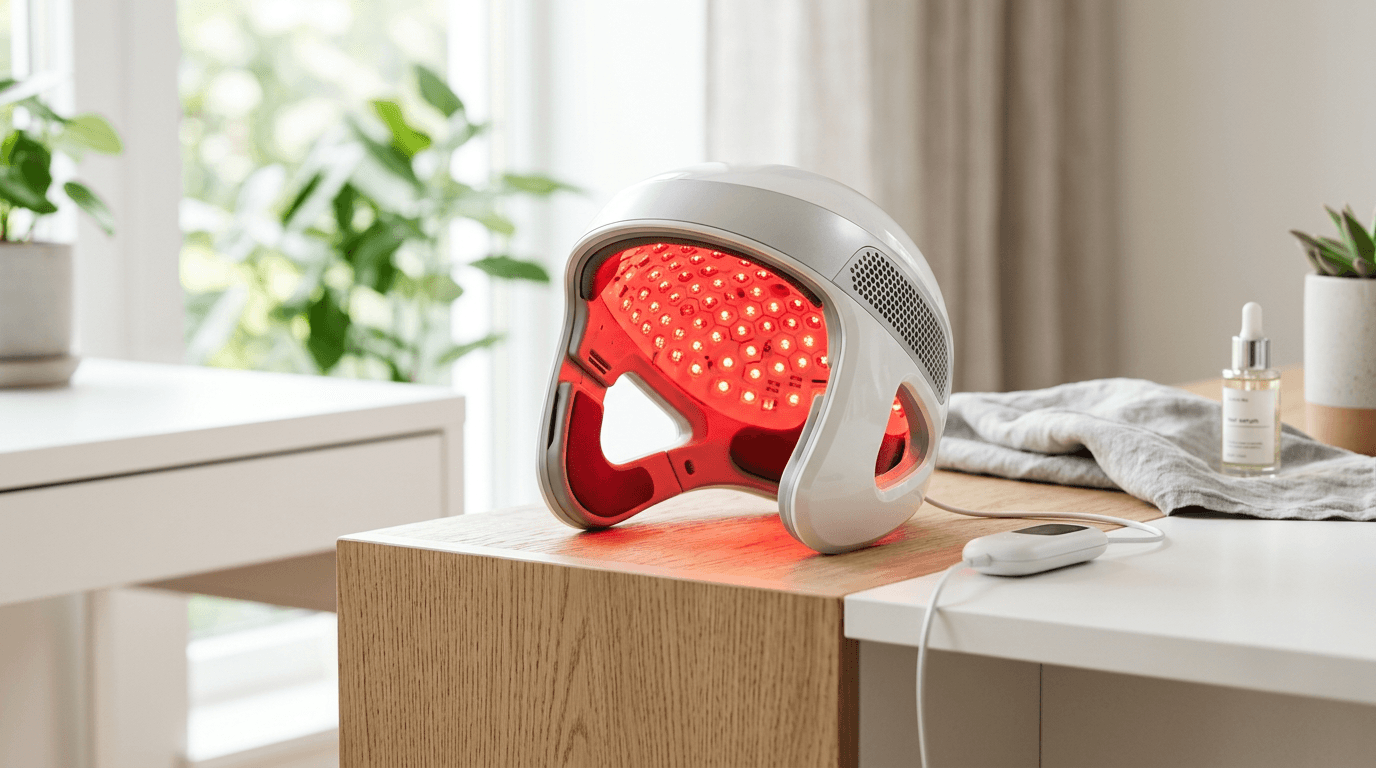
Red Light Therapy Devices Have Moved from Clinical Settings into Our Homes
Learn more about $96 3d-printed rocket recalculates trajectory mid-flight
The technology behind hair restoration has never been more accessible. One device stands out from the crowded market, and it just became significantly more affordable.
This is your chance to invest in proven hair growth technology without the premium price tag. The intersection of medical-grade technology and consumer electronics has created a new category of wellness devices that actually deliver results.
Unlike topical treatments or supplements that show mixed outcomes, red light therapy uses specific wavelengths to stimulate cellular activity at the follicle level. The science is solid, the FDA has cleared these devices, and now the price barrier has dropped.
How Does Red Light Therapy Work for Hair Growth?
Red light therapy, technically called photobiomodulation, uses specific wavelengths between 630-850 nanometers to penetrate the scalp. These wavelengths trigger mitochondrial activity in hair follicle cells, increasing ATP production and cellular metabolism. The result? A reactivation of dormant follicles and strengthening of existing hair shafts.
The technology operates on the same principles used in wound healing and pain management devices. When photons from red and near-infrared LEDs reach the scalp, they stimulate blood flow and reduce inflammation around hair follicles.
This creates an optimal environment for hair growth while counteracting the effects of DHT, the hormone responsible for pattern baldness. Clinical studies show consistent results across different demographics.
Participants using red light therapy devices three times weekly for 16-24 weeks demonstrated measurable increases in hair density and thickness. The non-invasive nature means zero downtime and no systemic side effects common with pharmaceutical options.
What Technical Specifications Actually Matter?
Not all red light therapy devices deliver the same results. The wavelength precision, power density, and coverage area determine effectiveness.
Medical-grade devices typically use 650-660nm red light combined with 850nm near-infrared light for optimal penetration depth. Power density, measured in milliwatts per square centimeter, should range between 5-30 mW/cm².
Too low and you won't stimulate cellular activity. Too high and you risk thermal damage. The best devices maintain consistent power output across the entire treatment area, eliminating hot spots or dead zones.
Treatment time correlates directly with power density. Higher-powered devices require shorter sessions, typically 10-15 minutes, while lower-powered units need 20-30 minutes. The device currently on sale delivers 12 mW/cm² across 272 medical-grade LEDs, hitting the sweet spot for effectiveness and convenience.
Why Does This At-Home Hair Growth System Stand Out?
For a deep dive on the appalling stupidity of spotify's ai dj: a critical look, see our full guide
The device features a hands-free design that wraps around your head like a lightweight headset. This ergonomic approach solves the biggest problem with panel-style devices: maintaining proper distance and coverage during treatment.
You can work, read, or watch TV while the device operates automatically. Build quality separates premium devices from budget alternatives.
For a deep dive on apple tv beta software hints surface in new leak, see our full guide
This system uses clinical-grade LEDs with a rated lifespan exceeding 50,000 hours. The cooling system prevents overheating during extended sessions, and the rechargeable battery eliminates cord management hassles. These engineering details matter for long-term reliability.
The control system offers three preset programs optimized for different stages of hair loss. Each program adjusts intensity and duration based on whether you're maintaining existing hair, treating early thinning, or addressing advanced hair loss.
What Results Can You Expect from Real-World Use?
Users report visible results within 12-16 weeks of consistent use. Early changes include reduced shedding and increased hair shaft diameter. New growth typically appears around the 20-week mark, starting as fine vellus hair that gradually thickens.
The device integrates seamlessly into daily routines. Most users treat while checking emails in the morning or unwinding in the evening.
The wireless design means you're not tethered to an outlet, and the automatic shutoff prevents overtreatment. Maintenance requirements are minimal.
The device requires no consumables or replacement parts during normal use. A simple wipe-down keeps the LEDs clean, and firmware updates via USB ensure optimal performance as the technology evolves.
What Does the Price Drop Mean for Buyers?
The current discount brings the device down from its typical $899 price point to $649. This represents a 28% reduction and matches the lowest price we've tracked over the past 18 months.
For context, comparable clinical-grade devices range from $750-1,200, making this sale particularly significant. Price reductions on technology products typically signal one of three scenarios: inventory clearance before a new model, seasonal promotions, or manufacturer incentives to increase market share.
In this case, the discount appears tied to a promotional campaign rather than product obsolescence. The device remains the current generation with full manufacturer support. The value proposition becomes clearer when compared to ongoing treatment costs.
Professional red light therapy sessions run $75-150 per visit with recommended frequencies of 2-3 times weekly. The at-home device pays for itself within 3-4 months of equivalent professional treatments.
Is Red Light Therapy Right for Your Hair Loss Type?
Red light therapy shows the strongest results for androgenetic alopecia, the most common form of pattern baldness. It works for both men and women experiencing diffuse thinning or receding hairlines. The technology also benefits those with telogen effluvium, a stress-related shedding condition.
Certain conditions don't respond as well to light therapy. Alopecia areata, an autoimmune disorder causing patchy hair loss, requires different treatment approaches.
Similarly, hair loss from scarring conditions or chemotherapy needs specialized medical intervention. Understanding your specific type of hair loss ensures appropriate treatment selection. The ideal candidate has noticed gradual thinning over months or years rather than sudden hair loss.
Active follicles respond better than completely dormant ones, so earlier intervention typically yields better outcomes. That said, clinical data shows improvements even in advanced cases when combined with other treatments.
How Do At-Home Devices Compare to Professional Treatments?
Professional-grade red light therapy systems in dermatology offices use similar wavelengths and power densities as premium at-home devices. The primary difference lies in treatment area coverage and session monitoring by trained technicians.
For most users, these advantages don't justify the 10-20x cost difference over time. At-home devices offer consistency that professional visits can't match.
Hair growth requires regular, sustained treatment over months. Missing appointments or irregular scheduling disrupts the cellular stimulation cycle. Having a device at home eliminates scheduling barriers and ensures treatment adherence.
The technology gap between professional and consumer devices has narrowed significantly. Five years ago, at-home options used inferior LEDs with inconsistent output. Today's consumer devices incorporate the same diodes and control systems found in clinical equipment, just in more compact housings.
What Key Features Should You Evaluate Before Buying?
When shopping for red light therapy devices, several specifications determine value and effectiveness:
- LED count and wavelength accuracy: Look for 200+ LEDs with certified 650nm and 850nm output
- Power density verification: Devices should specify mW/cm² and provide independent testing results
- Coverage area: Full scalp coverage requires strategic LED placement, not just high LED counts
- Safety certifications: FDA clearance and CE marking indicate proper testing and compliance
- Warranty and support: Minimum 2-year warranties suggest manufacturer confidence in durability
The device currently on sale meets or exceeds these criteria across all categories. The 3-year warranty extends beyond industry standards, and the company provides responsive customer support with documented response times under 24 hours.
How Can You Maximize Results with Your Hair Growth Device?
Consistency drives results with red light therapy. Set a specific schedule, three times weekly, and stick to it regardless of immediate visible changes.
Cellular changes precede visible growth by several weeks, so patience is essential during the initial treatment phase. Combining red light therapy with other evidence-based treatments can accelerate results.
Minoxidil, biotin supplements, and scalp massage complement light therapy by addressing hair loss through different mechanisms. This multi-modal approach often produces superior outcomes compared to single-treatment strategies. Document your progress with monthly photos taken in consistent lighting conditions.
Hair growth happens gradually, making it difficult to notice day-to-day changes. Photographic evidence provides objective tracking and helps maintain motivation during the treatment process.
What Are the Most Common Questions About Red Light Therapy Devices?
Safety concerns rank among the most frequent questions. Red light therapy is non-ionizing, meaning it doesn't damage DNA like UV radiation.
The wavelengths used can't cause burns when devices operate within specified parameters. Side effects are rare and typically limited to mild scalp warmth during treatment. Treatment duration matters less than consistency.
Whether you use 10-minute or 25-minute sessions depends on device power output. The total light energy delivered determines effectiveness, not session length alone. Follow manufacturer guidelines specific to your device's specifications.
Results vary based on individual factors including age, genetics, and hair loss severity. Most users see measurable improvements within 4-6 months. Some respond faster, others need extended treatment periods.
What Technology Powers Modern Hair Growth Solutions?
The evolution of LED technology has made at-home photobiomodulation practical and affordable. Early devices used inefficient bulbs that generated excessive heat and inconsistent wavelengths.
Modern LEDs deliver precise wavelengths with minimal power consumption and heat generation. Microprocessor control systems in contemporary devices manage power distribution, treatment timing, and safety monitoring.
These smart features prevent user error and optimize treatment parameters automatically. The technology mirrors advances in other consumer health devices like smart thermometers and blood pressure monitors. Battery technology improvements have eliminated the biggest limitation of early wireless devices.
Lithium-ion cells now provide sufficient power for multiple treatments per charge while maintaining compact form factors. Fast charging capabilities mean the device is ready when you are.
Should You Make the Investment Decision Now?
At $649, the device represents a significant but justified investment for those serious about addressing hair loss. Compare this to the cumulative cost of topical treatments ($30-60 monthly), professional therapy sessions ($300-600 monthly), or surgical interventions ($4,000-15,000).
The device offers the best cost-per-result ratio for non-surgical hair restoration. The sale creates urgency, but smart buying requires evaluating your specific situation.
If you've tried other treatments without success or want to avoid pharmaceutical side effects, red light therapy offers a compelling alternative. The technology's safety profile makes it suitable for long-term use without diminishing returns. Consider the device an investment in confidence and appearance rather than a simple purchase.
Hair loss affects self-esteem and social interactions for many people. Effective treatment delivers psychological benefits that extend beyond physical appearance, making the value proposition more comprehensive than the price tag suggests.
Technology Meets Practical Hair Restoration
The convergence of medical-grade technology and consumer accessibility has created genuine solutions for hair loss. This red light therapy device represents the current state-of-the-art in at-home treatment options, backed by clinical evidence and engineered for real-world use.
Continue learning: Next, explore rack-mount hydroponics: smart vertical farming tech
The current price reduction makes proven technology more accessible without compromising quality or effectiveness. At $649, the device delivers professional-grade results at a
Related Articles

AI Tools Reveal Identities of ICE Officers Online
AI's emerging role in unmasking ICE officers spotlights the intersection of technology, privacy, and ethics, sparking a crucial societal debate.
Sep 2, 2025

AI's Role in Unveiling ICE Officers' Identities
AI unmasking ICE officers underscores a shift towards transparent law enforcement, raising questions about privacy and ethics in the digital age.
Sep 2, 2025

Maduro's Alarm Over US Naval Deployment Near Venezuela
Maduro labels US naval deployment near Venezuela as a "bloody threat," spotlighting the role of tech and cybersecurity in modern geopolitics.
Sep 2, 2025
Comments
Loading comments...