Z.ai's GLM-5 Turbo: Faster AI Agents at Lower Cost
Chinese AI startup Z.ai debuts GLM-5 Turbo, a faster, cheaper model designed for autonomous agents and multi-step workflows, but breaks from its open-source roots.

When AI agents lose context mid-task, it's not a model problem. Nvidia's BlueField-4 STX architecture targets the storage bottleneck limiting agentic AI performance at scale.

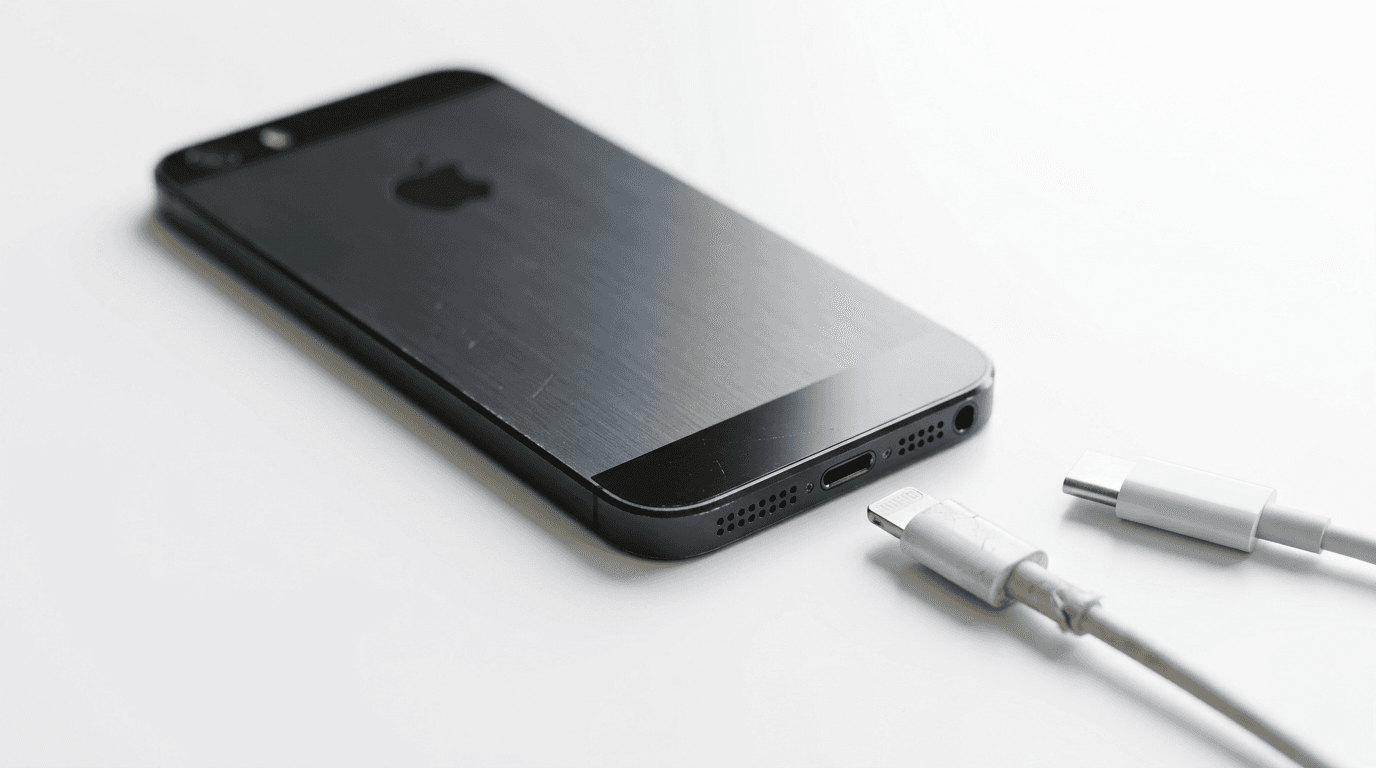
Apple has officially moved the iPhone 5 to its obsolete products list, marking the end of an era for the first Lightning-equipped iPhone that revolutionized mobile connectivity in 2012.

The US Securities and Exchange Commission is considering eliminating mandatory quarterly reporting. This regulatory change could reshape how tech companies communicate with investors.

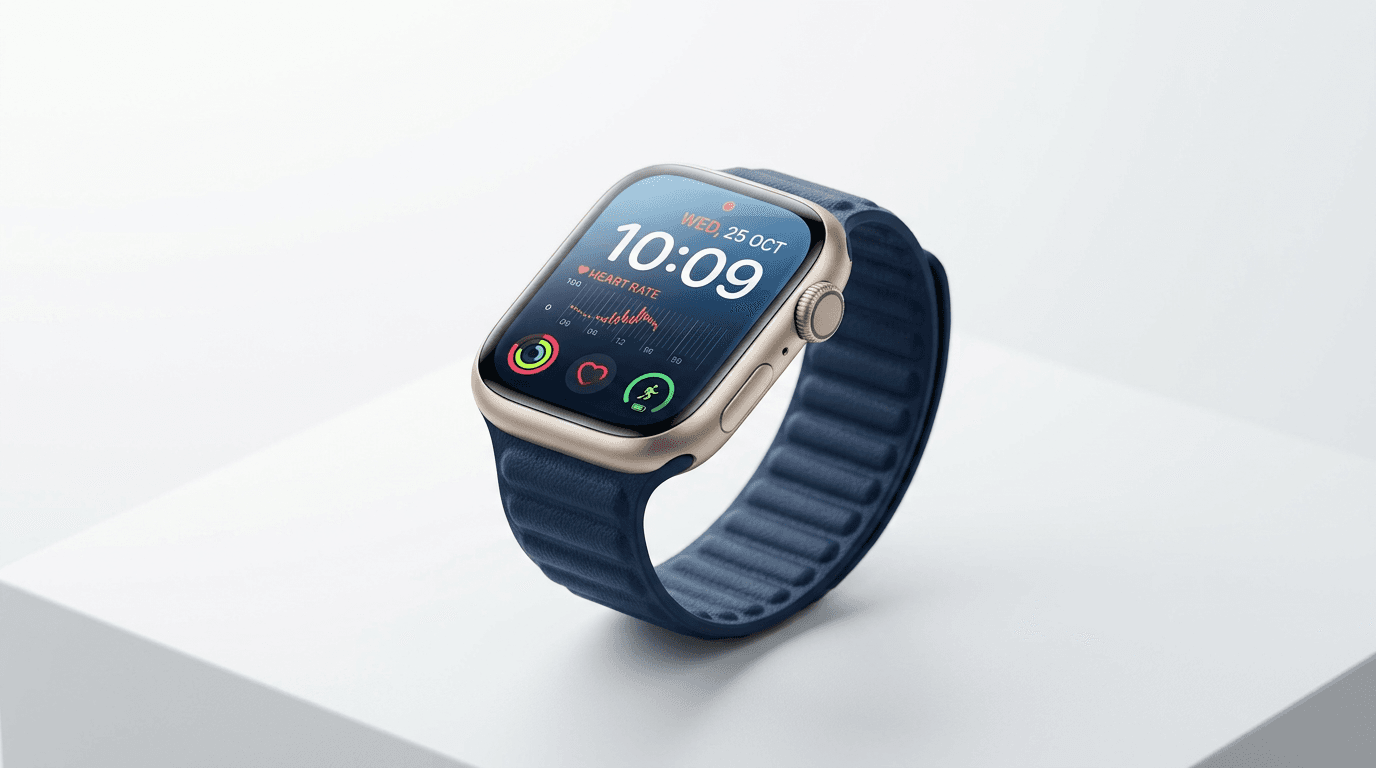
New Apple Watch Series 11 leaks suggest a spring announcement with blood pressure monitoring, thinner design, and breakthrough battery life improvements.

FreeBSD delivers stability, performance, and design philosophy that keeps developers loyal. From powering Netflix to enterprise storage with ZFS, here's why this Unix system stands out.

Anduril founder Palmer Luckey reveals America's fragile AI advantage over China in revealing Axios interview covering nuclear weapons, Iran strategy, and underground warfare systems.

The Apple Watch Ultra 2 is finally available for under $500. This premium smartwatch offers extreme durability, 55 hours of battery life, and a super bright display perfect for athletes.

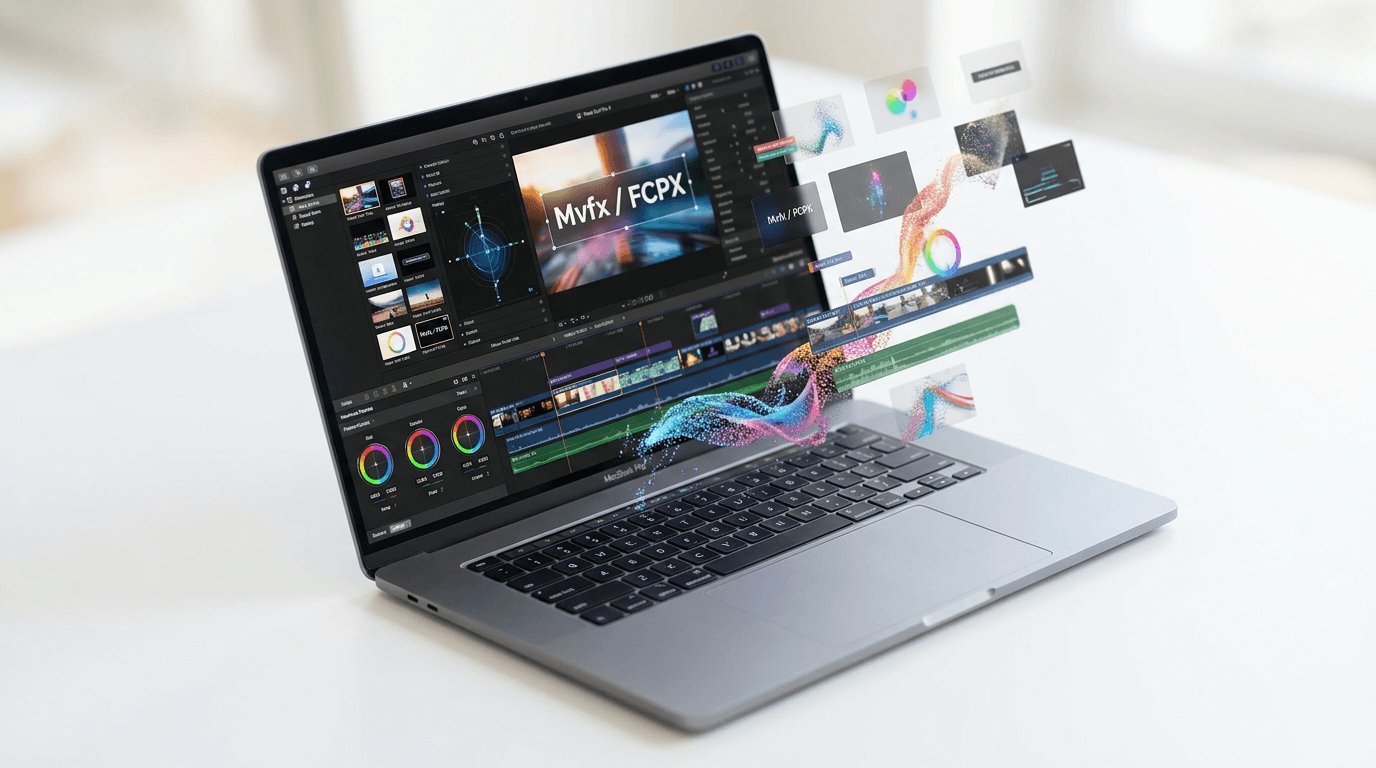
Apple has acquired MotionVFX, the Polish software company behind some of Final Cut Pro's most popular plugins and visual effects tools, bringing 70 employees into its creative software team.

Democratic societies face unique challenges when corruption surfaces. Learn how trust erosion impacts digital transformation, cybersecurity, and technology adoption in open societies.

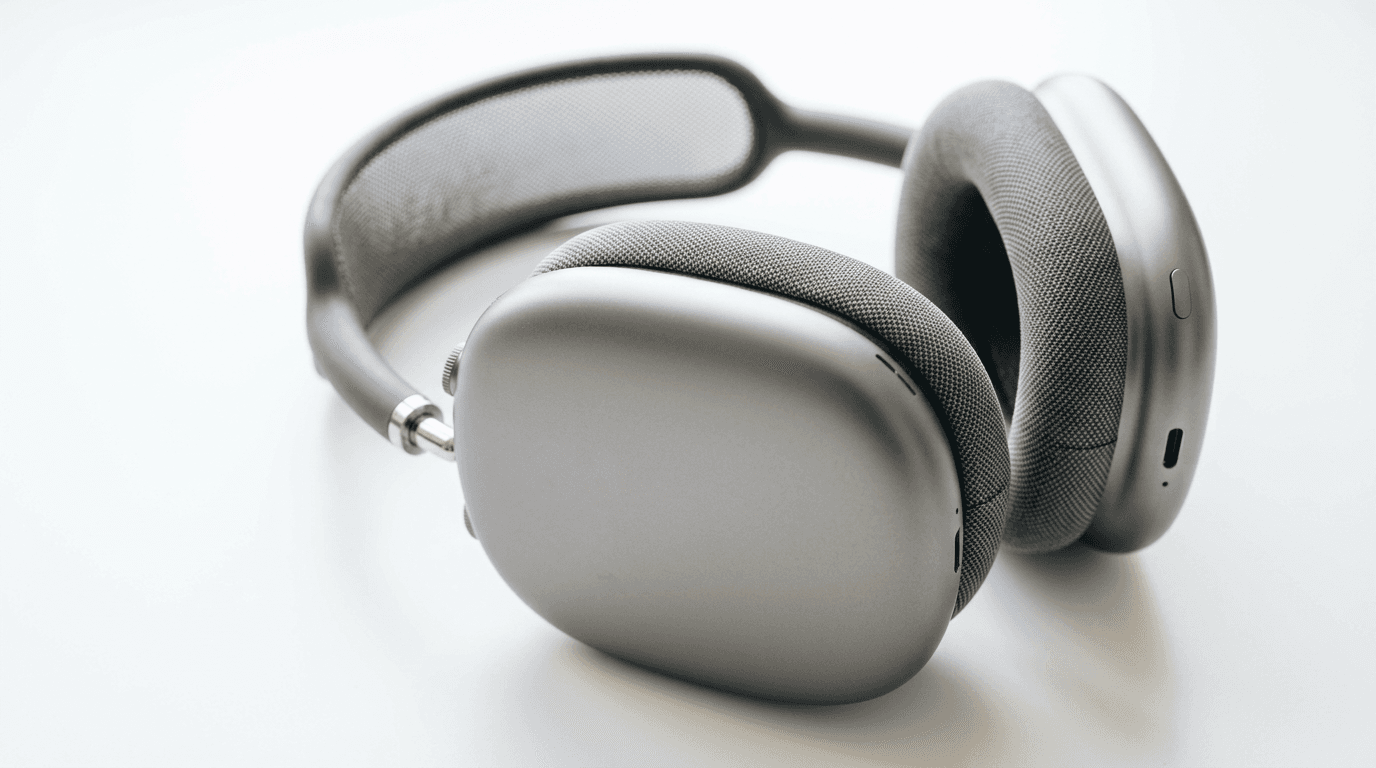
Apple's AirPods Max 2 feature impressive internal upgrades, but the exterior tells a different story. From the controversial Smart Case to the unchanged industrial design, here's what remains.

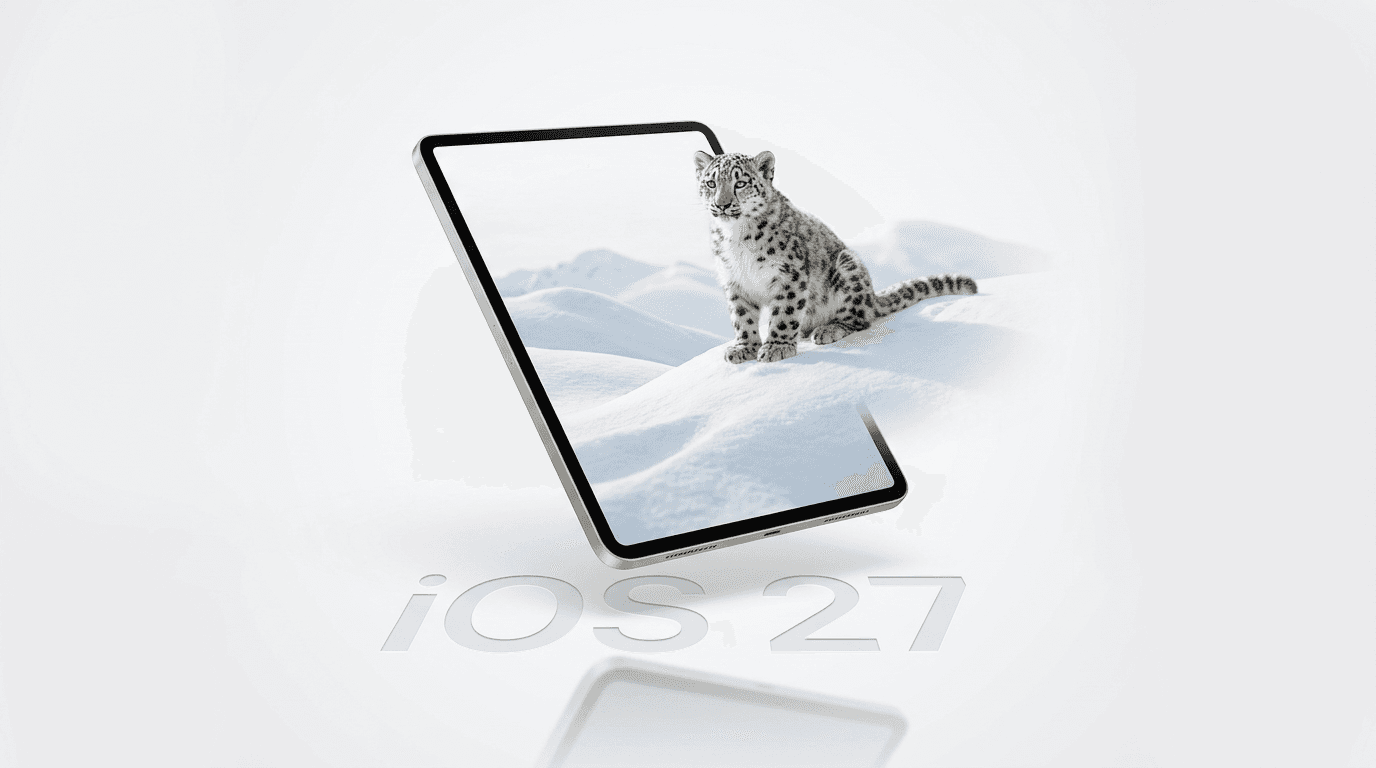
Apple's iOS 27 takes a page from Mac OS X Snow Leopard's playbook, prioritizing performance and stability over flashy new features. Here's what that means for iPhone users.