Apple's First Lightning iPhone Is Now Obsolete
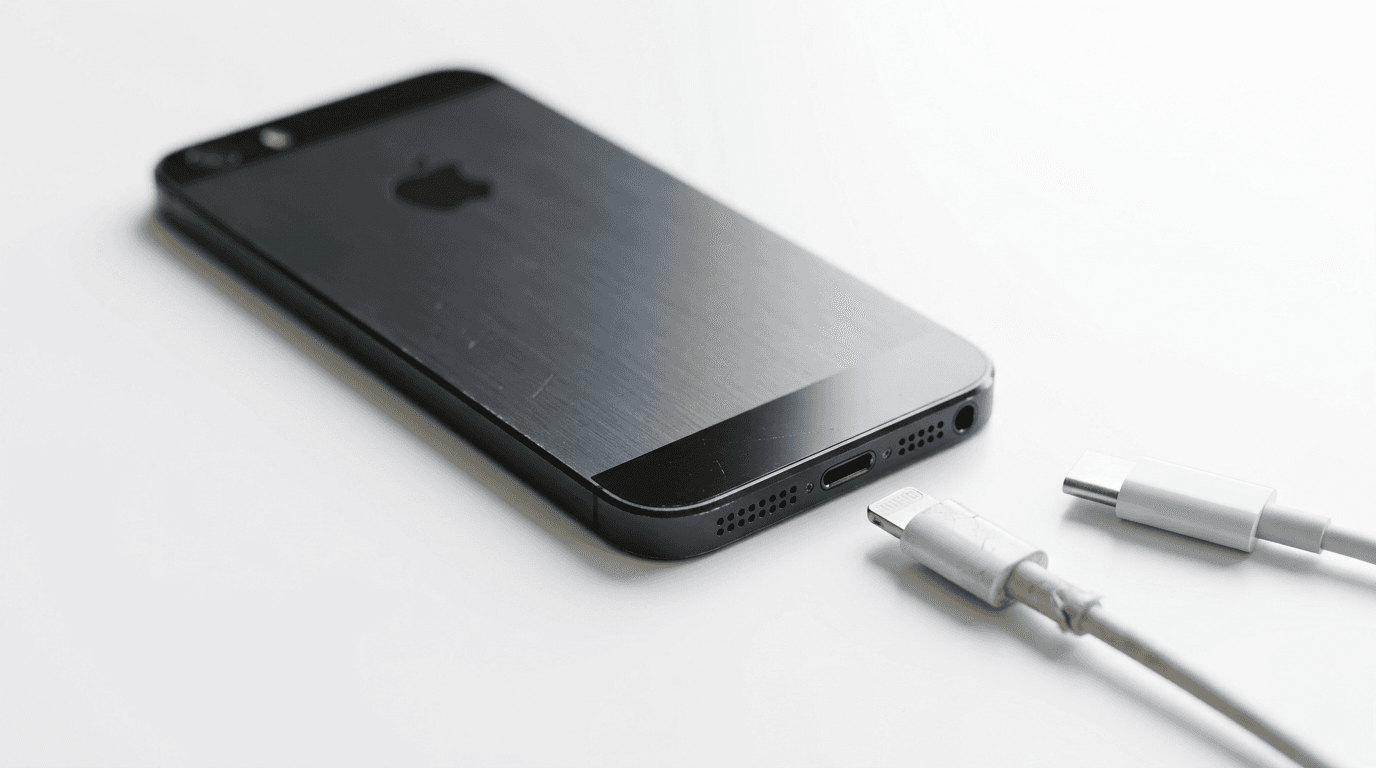
Apple has officially moved the iPhone 5 to its obsolete products list, marking the end of an era for the first Lightning-equipped iPhone that revolutionized mobile connectivity in 2012.

Apple's First Lightning iPhone Is Now Obsolete
Learn more about sec quarterly reporting requirement: what's changing?
The iPhone that introduced the world to Lightning connectivity has reached the end of its official lifespan. Apple quietly moved the iPhone 5 to its obsolete products list in 2024, more than a decade after the device revolutionized smartphone design and connectivity. This transition marks a significant milestone for Apple enthusiasts and signals the complete end of support for the groundbreaking device that debuted in 2012.
For owners still holding onto their iPhone 5, this change means repairs through official Apple channels are now impossible. The company no longer provides service components for obsolete devices, leaving third-party repair shops as the only remaining option for maintenance.
What Do Apple's Vintage and Obsolete Classifications Mean?
Apple maintains a structured approach to product support that determines how long devices receive official service. The company categorizes older products into two distinct groups based on their distribution timeline.
A device earns "vintage" status five years after Apple stops distributing it for sale. During this period, Apple retail stores and authorized service providers can still perform repairs, but only if the necessary parts remain available.
The "obsolete" designation arrives at the seven-year mark. Once a product reaches obsolete status, Apple discontinues all hardware service and stops providing repair components to service providers. The iPhone 5 spent six years on the vintage list before making this final transition.
How Did the iPhone 5 Change Mobile Technology?
Apple launched the iPhone 5 in September 2012 to tremendous fanfare. The device represented a complete redesign from its predecessor, introducing features that would define smartphones for years to come.
The phone featured a stunning glass and aluminum body that felt premium yet lightweight. Apple stretched the display to 4 inches, maintaining the width while adding vertical screen real estate. This design choice allowed for an extra row of app icons while preserving one-handed usability.
For a deep dive on apple watch series 11 leaked specs point to big surprise, see our full guide
Most significantly, the iPhone 5 introduced the Lightning connector, replacing the 30-pin dock connector that had served Apple devices since 2003. This smaller, reversible port sparked initial controversy but quickly became the industry standard for Apple products. The Lightning port remained Apple's primary charging solution for over a decade until USB-C adoption began in 2023.
The device also brought LTE connectivity to the iPhone lineup, dramatically improving download speeds and mobile internet performance. Combined with Apple's A6 chip, the iPhone 5 delivered performance that felt genuinely next-generation.
For a deep dive on why i love freebsd: a developer's honest take, see our full guide
What Happens When Your iPhone Becomes Obsolete?
The obsolete designation carries practical implications for device owners. Apple's official service channels completely stop supporting these products, creating challenges for anyone still using them.
Here's what changes when a device reaches obsolete status:
- No official repairs: Apple Stores and authorized service providers cannot service the device
- Zero parts availability: Apple stops manufacturing and distributing replacement components
- No warranty exceptions: Even devices with unusual circumstances receive no support
- Third-party only: Independent repair shops become the sole option for fixes
- Software updates ceased: Obsolete devices stopped receiving iOS updates years earlier
Why Did Apple Discontinue the iPhone 5 After One Year?
Apple maintained an unusually short sales window for the iPhone 5. The company discontinued the device in September 2013, just one year after launch, when it introduced the iPhone 5s and iPhone 5c.
This rapid discontinuation reflected Apple's strategic product positioning. The iPhone 5s brought Touch ID and significant performance improvements, while the iPhone 5c offered a more affordable option with a colorful polycarbonate design. The original iPhone 5 occupied an awkward middle ground between these two new models.
Despite its brief official sales period, the iPhone 5's influence extended far beyond its single year of availability. The design language, Lightning connector, and form factor shaped Apple's smartphone strategy for subsequent generations.
Should You Keep Using an Obsolete iPhone?
Owning an obsolete iPhone presents serious security and functionality challenges. These devices stopped receiving iOS updates years ago, leaving them vulnerable to security exploits and incompatible with modern apps.
The iPhone 5 maxed out at iOS 10, released in 2016. This means the device lacks eight years of security patches, privacy features, and app compatibility updates. Most modern apps either refuse to run on iOS 10 or provide severely limited functionality.
Beyond software limitations, hardware failures become increasingly likely with age. Battery degradation, screen issues, and component failures affect devices over a decade old. Without access to official repair parts, fixing these problems becomes difficult and expensive.
What Is the iPhone 5's Lasting Legacy?
The iPhone 5's obsolete status doesn't diminish its historical significance. This device represented a pivotal moment in smartphone evolution and Apple's product strategy.
The Lightning connector decision proved particularly consequential. While controversial initially, the reversible port provided genuine user benefits and enabled thinner device designs. Apple used Lightning across its product line for over a decade, only recently transitioning to USB-C due to European Union regulations.
The iPhone 5's design philosophy influenced Apple's approach for years. The aluminum and glass construction, the focus on thinness, and the careful balance between screen size and usability became hallmarks of subsequent iPhone generations.
Collectors and Apple enthusiasts now view the iPhone 5 as a significant piece of technology history. Well-preserved units command attention in vintage technology circles, representing the bridge between Apple's early iPhone era and its modern smartphone dominance.
What Other Devices Joined the Obsolete List?
Apple simultaneously moved the 8GB iPhone 4 from vintage to obsolete status. This lower-capacity variant of the iPhone 4 represented Apple's attempt to maintain an entry-level smartphone option in emerging markets.
The company regularly updates its vintage and obsolete products list, typically adding devices that have reached their seven-year threshold. These transitions happen quietly, with Apple updating its official support documentation without major announcements.
Other notable devices on the obsolete list include various MacBook models from the mid-2010s, older iPad generations, and discontinued Apple Watch models. Each represents a specific moment in Apple's product evolution.
How Can You Prepare When Your Device Approaches Obsolete Status?
Apple device owners should monitor their product's status on the vintage and obsolete list. Planning ahead prevents frustration and data loss when support ends.
Consider these steps when your device approaches vintage status:
- Back up all data: Create comprehensive backups using iCloud and local storage
- Document device condition: Photograph any existing damage for insurance purposes
- Complete needed repairs: Address issues while parts remain available
- Plan replacement timeline: Research newer models and budget accordingly
- Archive important content: Download photos, documents, and app data
Will Apple Product Lifecycles Change in the Future?
Apple's vintage and obsolete policies reflect industry-standard support timelines. However, growing right-to-repair movements and environmental concerns may pressure the company to extend support periods.
Some jurisdictions now require longer support commitments for electronic devices. The European Union and several U.S. states have implemented or proposed legislation mandating extended repair part availability and software support.
Apple has responded by expanding its self-service repair program and improving documentation for independent repair providers. These initiatives may eventually influence how long devices remain serviceable, even after reaching obsolete status.
The End of an Era for Lightning's Pioneer
The iPhone 5's transition to obsolete status closes a significant chapter in Apple's history. This device introduced the Lightning connector, brought LTE to the iPhone, and established design principles that influenced a decade of smartphone development. While official support has ended, the iPhone 5's legacy persists in every modern iPhone that followed.
Continue learning: Next, explore apple watch ultra 2 for under $500: best deal yet
For current owners, the obsolete designation means it's time to upgrade. The combination of outdated software, security vulnerabilities, and unavailable repairs makes continued use impractical. The iPhone 5 served admirably, but technology marches forward, and this pioneering device can now rest as a historical artifact of mobile innovation.
Related Articles
AI's Role in Unveiling ICE Officers' Identities
AI unmasking ICE officers underscores a shift towards transparent law enforcement, raising questions about privacy and ethics in the digital age.
Sep 2, 2025

Gaza's Tech Revolution: Trump's Bold High-Tech Vision
A leaked plan from the Trump administration unveils a vision to make Gaza a high-tech hub, focusing on AI, cybersecurity, and digital innovation.
Sep 3, 2025

Trump's Bold Move: Patent Ownership for University Funding
Trump's administration proposes a bold initiative: patents for new inventions in exchange for university funding. How could this reshape technology?
Sep 2, 2025