Filmmakers Expose Hollywood's Dark Screener Culture
Jim Cummings and PJ McCabe's buzzy Sundance series satirizes Hollywood's screener culture, exposing how advance viewing access reinforces industry power dynamics and gatekeeping.

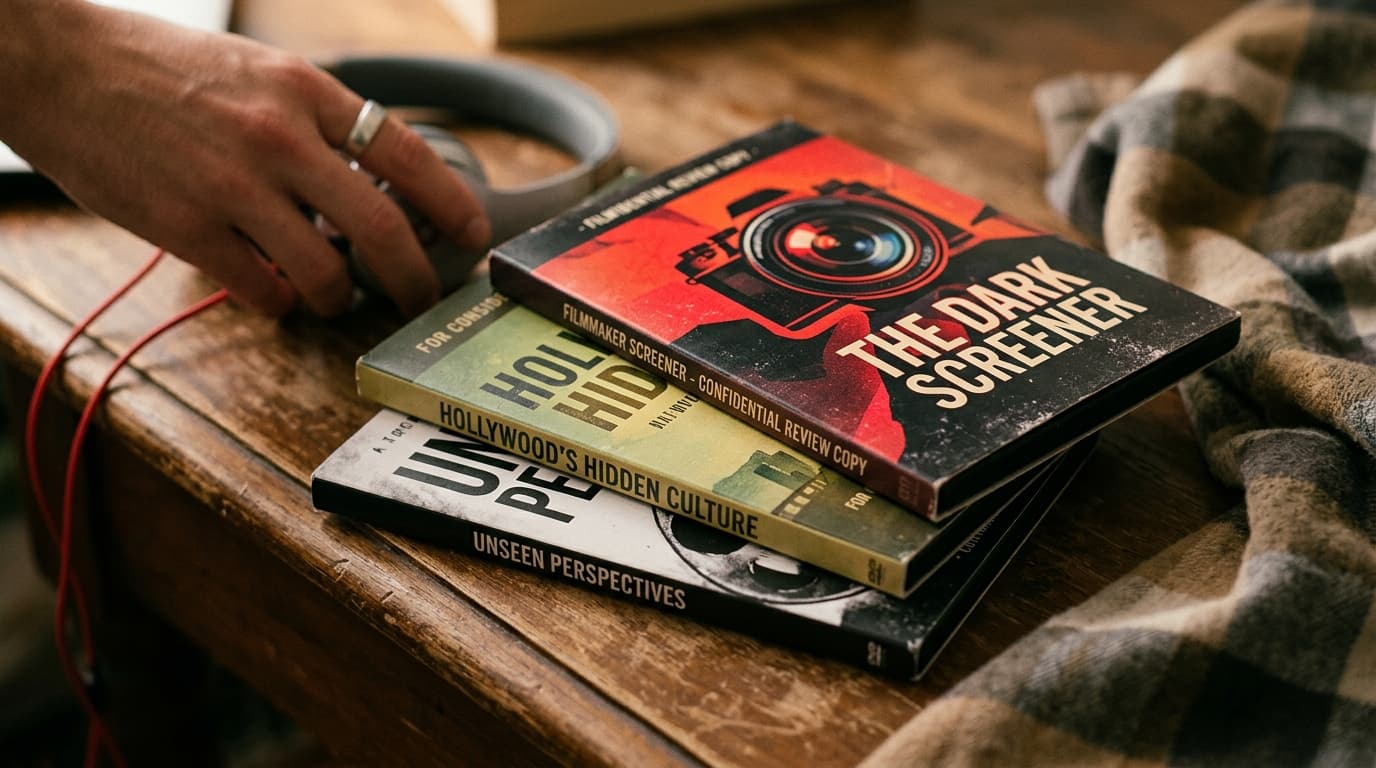
Hollywood's Obsession with Early Access Has Created a Toxic Culture Few Dare to Criticize
Learn more about apple: the first 50 years book now 30% off on amazon
Jim Cummings and PJ McCabe are breaking that silence with "The Screener," a buzzy Sundance series that satirizes the entertainment industry's most guarded secret: the insider game of advance viewing privileges and the power dynamics that fuel it. The duo's sharp-eyed comedy pulls back the curtain on how major talent agencies, executives, and industry players weaponize access to unreleased content.
Their work arrives at a moment when Hollywood's gatekeeping practices face increasing scrutiny. This makes the satire both timely and necessary.
What Is the Dark Reality Behind Hollywood's Screener Culture?
Screeners, the advance copies of films and TV shows distributed for awards consideration and industry review, have become currency in Hollywood's power economy. What started as a practical tool for Academy voters has morphed into a status symbol that reinforces industry hierarchies. The system creates clear winners and losers.
Top-tier agents, studio executives, and A-list talent receive immediate access to the hottest projects. Meanwhile, working professionals, critics from smaller outlets, and emerging filmmakers often wait weeks or miss out entirely.
How Did Screener Access Become a Power Play?
The transformation of screener culture reflects broader issues within the entertainment industry. Access to advance content now signals your place in Hollywood's pecking order. Getting a screener link before your peers can make or break professional relationships and networking opportunities.
Cummings and McCabe understand this dynamic intimately. Both filmmakers have navigated the indie film world where access often determines whether your project gets buzz or dies in obscurity. Their series "The Screener" channels these frustrations into biting comedy that resonates with anyone who has felt excluded from Hollywood's inner circle.
For a deep dive on sam kieth dies at 63: 'the maxx' and 'sandman' artist, see our full guide
What Makes "The Screener" Different from Other Industry Satires?
The Sundance series takes aim at specific industry practices that most insiders recognize but rarely discuss publicly. The show satirizes the performative nature of screener requests, where professionals must grovel for access while maintaining the illusion of casual interest.
For a deep dive on carrie anne fleming dies at 51: remembering the actress, see our full guide
Key targets of the satire include:
- Major talent agencies that control screener distribution like medieval gatekeepers
- The unwritten rules about who deserves early access and who must wait
- Industry professionals who hoard screeners to boost their perceived importance
- The anxiety and FOMO that drives desperate requests for advance viewing
- The way screener access reinforces existing power imbalances in Hollywood
Who Are Jim Cummings and PJ McCabe?
Cummings brings significant credibility to this project. His breakout film "Thunder Road" won the SXSW Grand Jury Prize and demonstrated his ability to blend comedy with genuine emotional depth. He followed that success with "The Wolf of Snow Hollow," proving his voice resonates beyond festival circuits.
McCabe's background in independent filmmaking adds another layer of authenticity. Together, they have experienced both sides of screener culture, from being shut out to eventually gaining access as their profiles rose.
This dual perspective sharpens their satirical edge.
Why Are Industry Insiders Paying Attention to This Series?
The series has generated significant buzz at Sundance because it names what everyone knows but few acknowledge. Hollywood operates on unspoken rules and coded language. "The Screener" translates that code into comedy that makes industry professionals squirm with recognition.
The timing proves particularly relevant. Streaming platforms have complicated screener distribution even further. Netflix, Apple TV+, and other services guard their content jealously, creating new frustrations around access and awards campaigning.
How Does Screener Culture Impact Independent Filmmakers?
Screener culture affects independent creators most severely. Without agency representation or studio backing, indie filmmakers struggle to get their work seen by the people who matter. This creates a self-perpetuating cycle where access begets more access.
The problem extends beyond individual frustration. When screener distribution favors established players, it limits diversity in the types of stories that gain traction. Emerging voices from underrepresented communities face additional barriers in an already exclusionary system.
How Do Screener Politics Influence Awards Season?
Awards campaigns increasingly depend on strategic screener distribution. Studios and publicists carefully control who sees what and when, maximizing buzz while managing narrative. This calculated approach turns what should be merit-based recognition into a game of access and influence.
The Academy has attempted reforms, including stricter rules about screener watermarking and distribution. However, these measures address piracy concerns more than the underlying power dynamics that Cummings and McCabe satirize.
What Can Change in Hollywood's Screener System?
The conversation "The Screener" sparks matters more than any immediate reforms. By making industry gatekeeping visible and ridiculous, the series challenges professionals to examine their own participation in these systems.
Some potential improvements include:
- More transparent criteria for screener distribution
- Expanded access for critics from diverse outlets and backgrounds
- Industry acknowledgment that screener hoarding serves no legitimate purpose
- Recognition that artificial scarcity around advance viewing harms the art form
Streaming platforms could lead this change by democratizing access during awards season. However, the industry's attachment to exclusivity makes meaningful reform unlikely without sustained pressure.
Can Satire Drive Industry Reform?
Comedy often succeeds where serious criticism fails. By making people laugh at screener culture's absurdities, Cummings and McCabe create space for honest conversation. Industry professionals can acknowledge the system's flaws without feeling personally attacked.
This approach has historical precedent. Shows like "The Larry Sanders Show" and "30 Rock" exposed entertainment industry dysfunction while entertaining audiences. "The Screener" follows this tradition, using humor to reveal uncomfortable truths about Hollywood's power structures.
Why Does This Matter Beyond Hollywood?
Screener culture represents a microcosm of broader gatekeeping issues in creative industries. Publishing, music, and gaming all struggle with similar dynamics where access determines opportunity. The patterns Cummings and McCabe expose extend far beyond film and television.
Understanding these systems helps audiences appreciate the obstacles creators face. When viewers recognize how difficult it is to break through Hollywood's barriers, they can better support independent voices and diverse storytelling. The series also validates the experiences of countless industry professionals who have felt diminished by screener politics.
Seeing your frustrations reflected in art creates community and momentum for change.
The Bottom Line on Hollywood's Screener Culture
Jim Cummings and PJ McCabe have created something rare with "The Screener": a comedy that entertains while exposing genuine industry dysfunction. Their satire of Hollywood's screener culture reveals how access and exclusivity reinforce power imbalances that harm independent creators and limit diverse voices.
The Sundance series arrives at a critical moment when the entertainment industry faces pressure to democratize opportunity. By making screener politics visible and ridiculous, Cummings and McCabe challenge professionals to examine their participation in these systems. Whether Hollywood listens remains to be seen, but the conversation has begun.
Continue learning: Next, explore the faithful: women of the bible review - fox drama falls...
"The Screener" stands as both sharp entertainment and necessary critique. It reminds us that the best way to challenge broken systems is to make people laugh at their absurdity.
Related Articles

Prince Harry Meets King Charles: A Long-Awaited Reunion
Prince Harry meets King Charles for the first time in over a year. Discover the significance of this emotional reunion and its impact on the royal family.
Sep 12, 2025
Nina Dobrev and Shaun White Call Off Engagement After 5 Years
Nina Dobrev and Shaun White have called off their engagement after over five years together. Explore the timeline of their relationship and insights into their split.
Sep 12, 2025
Robin Wright's Bold Move: From Hollywood to England
Robin Wright's relocation to England is a bold statement on her search for liberation and a commentary on America's current state.
Sep 6, 2025