Fatty Liver Treatment May Raise Cancer Risk, Study Warns
A breakthrough study reveals that inhibiting Caspase-2 to treat fatty liver disease may backfire, causing cellular damage and tumors over time despite short-term benefits.

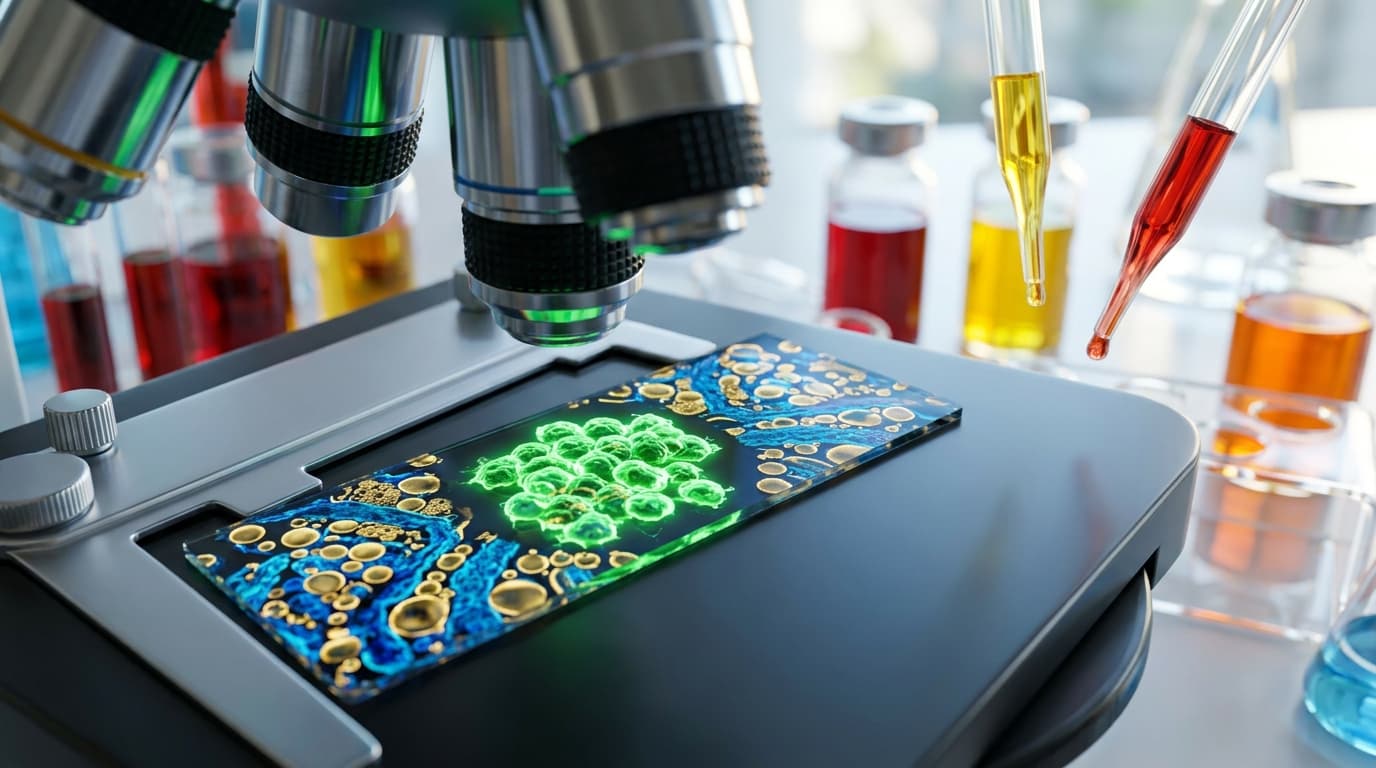
Scientists Discover Fatty Liver Treatment May Trigger Cancer Risk
Learn more about the often overlooked cause of insulin resistance
Scientists working to cure fatty liver disease may have stumbled upon a dangerous paradox. A promising fatty liver treatment may raise cancer risk according to new research that challenges our understanding of liver protection mechanisms. The discovery reveals how blocking a specific enzyme could offer short-term relief while setting the stage for long-term catastrophe.
The enzyme in question, Caspase-2, has long puzzled researchers. While many assumed it played a protective role in liver health, new evidence suggests its removal creates more problems than it solves.
This finding forces medical researchers to reconsider treatment strategies that seemed promising just months ago.
What Is Caspase-2 and Why Does It Matter for Liver Health?
Caspase-2 belongs to a family of enzymes that regulate cell death and survival. These molecular scissors cut specific proteins inside cells, triggering various cellular responses.
In the liver, Caspase-2 acts as a quality control inspector. It identifies and removes damaged cells before they cause trouble.
Researchers initially thought blocking this enzyme would prevent liver cell death in fatty liver disease. The logic seemed sound: if fewer liver cells die, the organ should function better. Early experiments appeared to confirm this hypothesis, showing reduced liver damage in the short term.
The latest study reveals a darker side to this approach. Without Caspase-2, liver cells begin behaving abnormally, growing to unusual sizes and accumulating genetic mistakes. These changes set off a cascade of problems that worsen over time.
What Happens When You Remove Caspase-2 from Liver Cells?
The absence of Caspase-2 transforms liver cells in troubling ways. Cells grow abnormally large, a condition called hepatomegaly at the cellular level.
This enlargement signals cellular dysfunction, not healthy growth.
These oversized cells accumulate DNA damage at alarming rates. Without Caspase-2 to trigger their removal, damaged cells persist and multiply. The genetic errors pile up like uncorrected typos in an important document, eventually changing how cells behave.
The body recognizes something is wrong and responds with inflammation. White blood cells flood the liver tissue, attempting to clean up the mess. This chronic inflammation damages healthy tissue and leads to scarring, medically known as fibrosis.
For a deep dive on rollercoaster tycoon optimization: a masterclass in code, see our full guide
How Does Blocking Caspase-2 Lead to Cancer Over Time?
Time reveals the true cost of inhibiting this enzyme. While initial results might look promising, the long-term effects paint a disturbing picture.
For a deep dive on apple: the first 50 years book now 30% off on amazon, see our full guide
The study found that consequences worsen significantly with age, suggesting cumulative damage over time.
What Is the Progression from Fatty Liver Treatment to Tumor Formation?
The progression follows a predictable but frightening path:
- Stage 1: Liver cells grow abnormally large and accumulate genetic damage
- Stage 2: Chronic inflammation develops as the immune system responds
- Stage 3: Repeated inflammation causes scarring and fibrosis
- Stage 4: Damaged cells with genetic errors begin multiplying uncontrollably
- Stage 5: Tumors form, particularly in older subjects
This cascade demonstrates how a seemingly helpful intervention can backfire spectacularly. The short-term reduction in fatty liver symptoms masks a brewing storm of cellular chaos.
Why Does Age Increase Cancer Risk from Caspase-2 Inhibition?
Older organisms showed dramatically higher cancer rates in the study. This age dependency reveals important clues about how Caspase-2 inhibition works.
As animals age, their cells accumulate more baseline damage from normal metabolism and environmental exposure.
Without Caspase-2 to remove these damaged cells, the burden grows exponentially. Young animals can compensate temporarily, but older ones lack the resilience to manage the accumulating cellular debris. The result is a sharp increase in tumor formation among aged subjects lacking this enzyme.
This finding has profound implications for human medicine. Fatty liver disease typically affects middle-aged and older adults, the exact population most vulnerable to cancer risk from Caspase-2 inhibition.
What Does This Discovery Mean for Treating Fatty Liver Disease?
The research forces a major rethinking of therapeutic strategies. Fatty liver disease, also called hepatic steatosis, affects millions worldwide.
The condition occurs when fat accumulates in liver cells, impairing organ function and increasing disease risk.
How Do Doctors Currently Treat Fatty Liver Disease?
Most fatty liver treatments focus on lifestyle changes. Doctors recommend weight loss, exercise, and dietary modifications. These interventions work but require significant patient commitment and time to show results.
Pharmaceutical companies have invested heavily in drug treatments that could offer faster relief. Some experimental therapies target cell death pathways, including those involving Caspase-2.
This new research suggests such approaches need careful reevaluation.
Why Does This Treatment Create a Medical Paradox?
The Caspase-2 story illustrates a common medical dilemma. Treating symptoms doesn't always address underlying problems.
Blocking this enzyme reduces immediate liver damage but removes a crucial safeguard against cancer.
Think of Caspase-2 as a building inspector who condemns unsafe structures. Firing the inspector might reduce demolition costs in the short term, but dangerous buildings remain standing. Eventually, they collapse or catch fire, causing far worse damage.
This analogy captures the essence of the problem. Short-term metrics improve while long-term risk skyrockets. Researchers must now find treatments that address fatty liver disease without compromising cancer protection.
What Should Patients with Fatty Liver Disease Do Now?
This research remains in animal models and hasn't yet translated to human trials. However, the findings raise important cautions for ongoing drug development.
Any therapy targeting Caspase-2 or similar pathways requires extensive long-term safety testing.
Patients currently managing fatty liver disease should continue following their doctors' advice. Lifestyle modifications remain the safest and most effective approach. No approved medications specifically block Caspase-2 for fatty liver treatment, so this research doesn't affect current standard care.
What Questions Should You Ask Your Doctor About Fatty Liver Treatment?
If you have fatty liver disease, consider discussing these points:
- What treatment options focus on root causes rather than symptoms?
- Are any experimental therapies I'm considering related to cell death pathways?
- How can I reduce liver fat through diet and lifestyle changes?
- What monitoring should I receive to track disease progression?
Why Does This Research Matter for Future Drug Development?
This study highlights the importance of long-term safety studies in drug development. Promising short-term results can mask serious delayed consequences.
Researchers must look beyond immediate outcomes to understand full treatment impacts.
The finding also demonstrates the complexity of biological systems. Enzymes like Caspase-2 often serve multiple functions. Blocking one pathway affects others in unpredictable ways.
This interconnectedness demands humility and caution in medical innovation.
What Are Scientists Researching Next for Fatty Liver Disease?
Scientists now face several critical questions. Can they develop treatments that preserve Caspase-2's cancer-fighting role while reducing liver damage?
Are there ways to enhance the enzyme's protective functions? What other pathways might offer safer therapeutic targets?
Researchers are exploring combination approaches that address multiple aspects of fatty liver disease simultaneously. These strategies aim to reduce fat accumulation while maintaining cellular quality control mechanisms. Such treatments may prove safer than single-target interventions.
The Bottom Line: What This Cancer Risk Discovery Means for Liver Disease Treatment
The discovery that a promising fatty liver treatment may raise cancer risk serves as a crucial reminder about medical complexity. Blocking Caspase-2 might reduce immediate liver damage, but it removes a vital safeguard against tumor formation.
The enzyme's role in eliminating damaged cells proves more important than researchers initially recognized.
This research doesn't spell doom for fatty liver treatment development. Instead, it provides valuable guidance for creating safer, more effective therapies. Understanding why Caspase-2 inhibition fails helps scientists design better alternatives that address disease without compromising long-term health.
For now, patients should focus on proven strategies: maintaining healthy weight, exercising regularly, and following medical advice. These approaches may require more effort than a simple pill, but they offer genuine benefits without hidden dangers.
Continue learning: Next, explore samsung now supports airdrop: eligible galaxy devices
As research continues, new treatments will emerge that learn from this important lesson about balancing short-term gains against long-term risks.
Related Articles

Unpacking The Bitter Lesson in AI Evolution
Delving into the Bitter Lesson in AI: Unraveling its true meaning and impact on future technological innovations and trends.
Sep 4, 2025

Unlocking 150: The Future of Human Longevity
Dive into the future of longevity research, where scientists are unlocking the secrets to extending human life up to 150 years.
Sep 6, 2025

Turning the Tide: Scaling Up Carbon Capture Solutions
Discover the potential of atmospheric carbon capture in reversing climate change through innovation, policy support, and global collaboration.
Sep 6, 2025