Preeclampsia Treatment Breakthrough: Blood Filter Shows P...
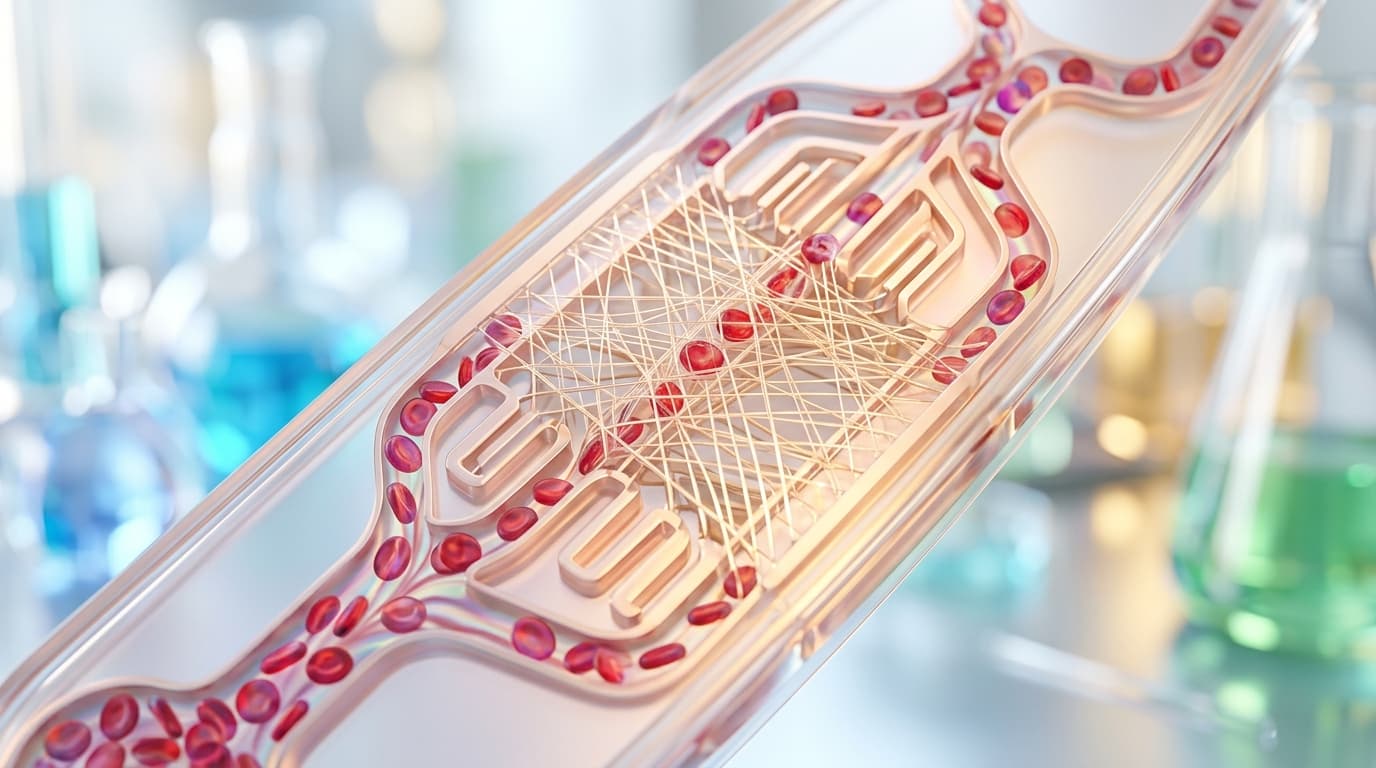
Preeclampsia affects up to 8% of pregnancies, but a breakthrough blood filtering treatment could change how doctors manage this dangerous condition. Learn about this promising therapy.
Every day, scientists and clinicians around the globe work tirelessly to redefine the boundaries of what is medically possible. Medical research is the lifeblood of healthcare innovation, turning once-fatal diagnoses into manageable conditions and offering newfound hope to patients worldwide. In an era defined by rapid technological advancement, staying informed about these scientific discoveries is crucial for understanding how the future of medicine will impact our daily lives and longevity. This curated collection of articles brings you the latest medical breakthroughs and clinical insights from the frontlines of science. Here, you will discover revolutionary advancements, such as a pioneering blood-filtering treatment for preeclampsia and the rediscovery of a forgotten drug that offers a lifeline to children battling rare diseases. We explore cutting-edge cellular biology, including how removing senescent zombie cells can reverse liver damage, alongside ground-breaking diagnostic tools like using the sense of smell to detect Alzheimer’s disease long before symptoms appear. However, progress also requires caution; our coverage includes vital safety alerts, such as recent studies warning that certain fatty liver treatments may inadvertently raise cancer risks. Whether you are a healthcare professional, a patient seeking answers, or simply curious about the future of human health, this page is your gateway to understanding the next generation of medicine. Dive into these articles today to explore the innovations reshaping our world.
An old drug once used for African sleeping sickness is giving new hope to children with Bachmann-Bupp syndrome, an ultra-rare genetic disorder. Early treatments show promising results.

Researchers discovered that zombie immune cells drive fatty liver disease through chronic inflammation. Removing these cells reversed liver damage in mice, even without dietary changes.

Your sense of smell might detect Alzheimer's years before memory loss. Scientists discovered brain immune cells destroy smell nerves early in the disease, creating a warning sign.
A breakthrough study reveals that inhibiting Caspase-2 to treat fatty liver disease may backfire, causing cellular damage and tumors over time despite short-term benefits.
New research shows belly fat predicts heart failure risk better than BMI, even in normal-weight people. Inflammation from visceral fat damages hearts silently.

Scientists studying yaks in the Himalayas discovered a genetic mutation that protects brain cells from low oxygen stress, offering new hope for treating multiple sclerosis and nerve damage.

Weight-loss medications like Ozempic could do more than slim waistlines. Scientists discover these drugs may help hearts heal after attacks by targeting microscopic blood vessels.
A breakthrough study reveals why some brain cells resist Alzheimer's damage. The discovery of a natural cleanup system that removes toxic tau protein could revolutionize treatment approaches.