EU Wants to Scan Your Private Messages: What You Need to ...
The European Union is pushing forward with legislation that could force tech companies to scan your private messages and photos. Here's what's at stake for digital privacy and encryption.

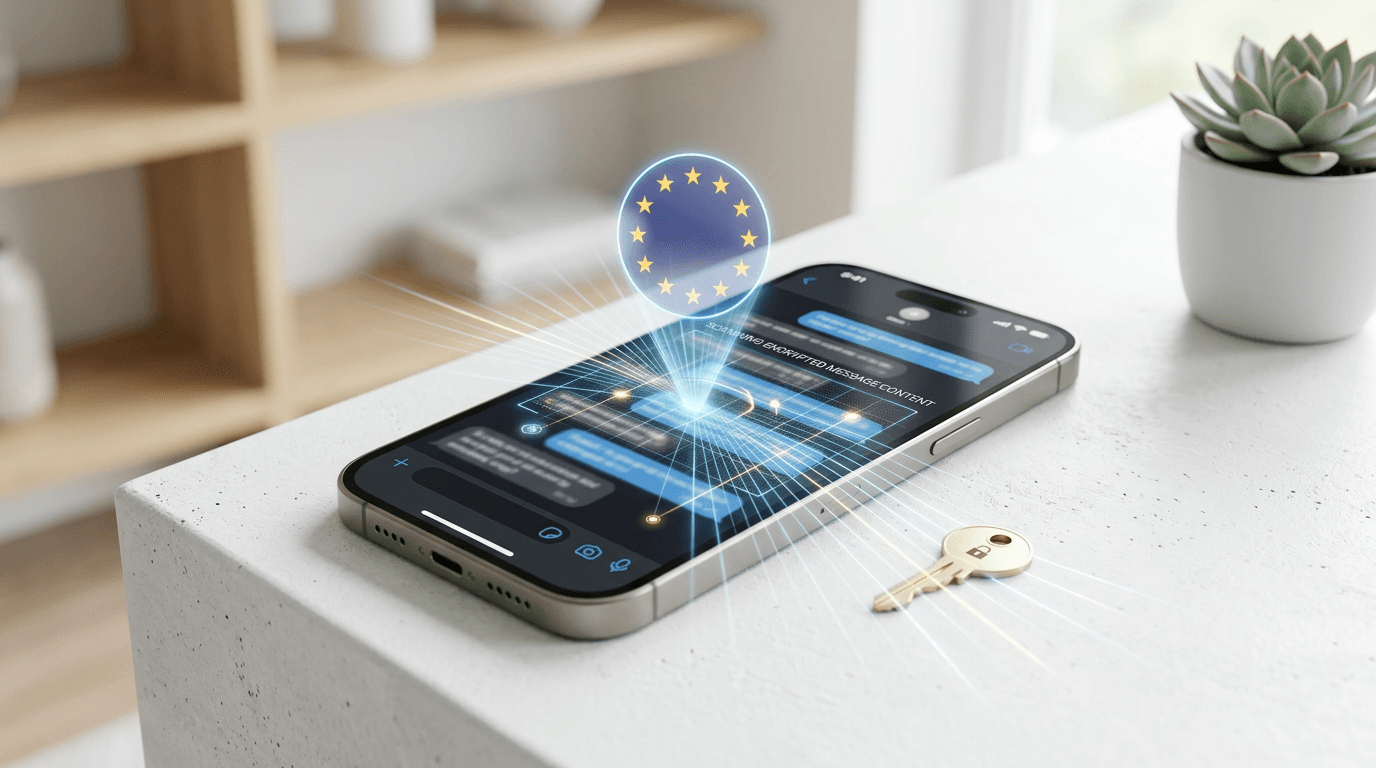
EU Chat Control: What Happens When Governments Want to Scan Your Private Messages?
Learn more about can't install sonarworks id reference? fix it now
The European Union is advancing controversial legislation that could fundamentally change how your private messages and photos are handled online. The proposal, known as "chat control," would require tech companies to scan user content for illegal material, potentially breaking the encryption that keeps your communications private. This marks one of the most significant threats to digital privacy in recent years.
What Is the EU's Chat Control Proposal?
The EU's proposed regulation aims to combat child sexual abuse material (CSAM) by mandating content scanning across messaging platforms. While the stated goal addresses a serious problem, the technical implementation raises critical concerns about privacy, security, and fundamental rights.
The legislation would require messaging services like WhatsApp, Signal, and Telegram to implement detection systems. These systems would scan messages and images before they reach their intended recipients. This process fundamentally contradicts the principle of end-to-end encryption, where only the sender and recipient can access message content.
How Would Message Scanning Actually Work?
Tech companies would need to deploy client-side scanning technology on user devices. Your phone or computer would analyze content before encryption occurs. The system would compare messages and images against databases of known illegal material using hash matching and potentially AI-powered detection algorithms.
If suspicious content is detected, the system would flag it for human review and potentially report it to authorities. Proponents argue this approach preserves encryption while enabling detection. Critics call it a backdoor that undermines encryption's fundamental purpose.
What Are the Technical Problems with Client-Side Scanning?
Security researchers have identified several critical flaws in client-side scanning proposals:
For a deep dive on antimatter traveled by truck for the first time in history, see our full guide
False positives: AI systems frequently misidentify innocent content as problematic, potentially flagging millions of legitimate messages.
Security vulnerabilities: Any scanning system creates new attack vectors that malicious actors can exploit.
For a deep dive on privacy enhancements final release: unexpected additions, see our full guide
Scope creep: Infrastructure built for one purpose can easily be expanded to detect other content types.
Encryption compromise: Breaking encryption for one purpose weakens it for all purposes, including protection from criminals and hostile states.
The technical community largely agrees that you cannot have secure end-to-end encryption and mandatory content scanning simultaneously. One necessarily compromises the other.
Why Does the EU Want to Scan Your Private Messages?
Despite widespread criticism from cybersecurity experts, tech companies, and civil liberties organizations, EU officials continue pushing the proposal forward. Understanding the political and social pressures driving this legislation helps explain its persistence.
Child safety advocates argue that encrypted platforms provide safe havens for criminals. They point to statistics showing increased online exploitation and argue that law enforcement needs tools to combat these crimes. This creates intense political pressure to "do something," even if technical experts warn against specific approaches.
What Is the Political Landscape Around Chat Control?
Several EU member states strongly support chat control, viewing it as necessary for public safety. Belgium, which held the EU Council presidency, made passing the regulation a priority. However, other countries including Germany, Poland, and the Netherlands have expressed reservations about the privacy implications.
The debate reflects a fundamental tension between security and privacy that has defined digital policy for decades. Politicians face pressure to demonstrate action on child safety while balancing concerns about surveillance and civil liberties.
How Would Chat Control Affect Your Digital Privacy?
If the EU implements chat control, the implications extend far beyond European borders. Tech companies operating globally may need to implement scanning systems that affect users worldwide. The precedent could encourage other governments to demand similar capabilities.
What Happens to Encrypted Messaging Services?
Messaging apps built on privacy principles face an impossible choice. They can either comply with scanning requirements and abandon their security promises, or they can exit the EU market entirely. Signal's leadership has stated they would rather leave Europe than compromise their encryption.
This could fragment the internet, creating different versions of services for different regions. European users might lose access to the most secure communication tools, forcing them toward less private alternatives.
What Are the Broader Surveillance Implications?
Once scanning infrastructure exists, expanding its use becomes trivially easy. Governments could pressure companies to scan for terrorism content, copyright infringement, misinformation, or political dissent. History shows that surveillance tools are rarely limited to their original purpose.
Journalists, activists, lawyers, and anyone requiring confidential communications would face new risks. The chilling effect on free speech and association could be profound, even if most users never directly encounter the scanning system.
How Can You Protect Your Privacy Right Now?
While legislation develops, individuals can take steps to protect their digital communications. Understanding your options helps you make informed decisions about privacy and security.
Which Communication Tools Offer the Best Security?
Prioritize messaging apps with strong encryption and transparent privacy policies. Services like Signal, which are open-source and independently audited, offer the strongest protections. Avoid platforms that already scan content or have weak security track records.
Stay informed about how your chosen services respond to regulatory pressure. Companies that clearly state their privacy commitments and willingness to resist overreach deserve support.
How Can You Support Privacy Advocacy?
Civil liberties organizations across Europe are fighting chat control proposals. Groups like European Digital Rights (EDRi) and national privacy advocates need public support to counter political pressure. Contacting elected representatives and expressing concerns about surveillance can influence policy outcomes.
The debate over chat control isn't finished. Public opposition has already forced revisions to the proposal, and continued pressure could prevent its implementation or secure meaningful safeguards.
What Happens Next with EU Chat Control?
The legislative process continues with negotiations between EU institutions. The European Parliament, Council, and Commission must agree on final text before implementation. This process could take months or years, and the outcome remains uncertain.
Several countries have indicated they cannot support the current proposal without significant changes. Technical experts continue publishing research demonstrating the security risks. This opposition may force a fundamental rethinking of the approach.
Alternatively, political pressure for action on child safety could overcome technical objections. A watered-down version might pass with limited scanning requirements or voluntary compliance. The final outcome will significantly impact digital privacy for years to come.
Should You Be Worried About EU Message Scanning?
The EU's push to scan private messages represents a critical moment for digital privacy. While combating child exploitation is undeniably important, the proposed solution threatens the encryption that protects everyone's security. Breaking encryption to scan content creates vulnerabilities that criminals, hostile governments, and other bad actors will inevitably exploit.
The technical community has spoken clearly: you cannot have both strong encryption and content scanning. Policymakers must choose between these competing goals. The decision will shape internet privacy and security for the next generation.
Continue learning: Next, explore snapdragon 8 elite gen 6 specs leaked: business impact
Staying informed and engaged with this issue matters. The outcome affects not just Europeans but internet users worldwide. As the debate continues, understanding what's at stake helps you protect your privacy and advocate for policies that balance legitimate safety concerns with fundamental rights to private communication.
Related Articles

AI's Role in Unveiling ICE Officers' Identities
AI unmasking ICE officers underscores a shift towards transparent law enforcement, raising questions about privacy and ethics in the digital age.
Sep 2, 2025

AI Tools Reveal Identities of ICE Officers Online
AI's emerging role in unmasking ICE officers spotlights the intersection of technology, privacy, and ethics, sparking a crucial societal debate.
Sep 2, 2025

AI Unveils ICE Officers: A Tech Perspective
AI's role in unmasking ICE officers highlights debates on privacy, ethics, and the balance between transparency and security in law enforcement.
Sep 2, 2025