Frontier Jet Hits Person on Runway at Denver Airport
A Frontier Airlines jet struck and killed a person on the runway during takeoff at Denver International Airport, prompting immediate investigation into airport security protocols.
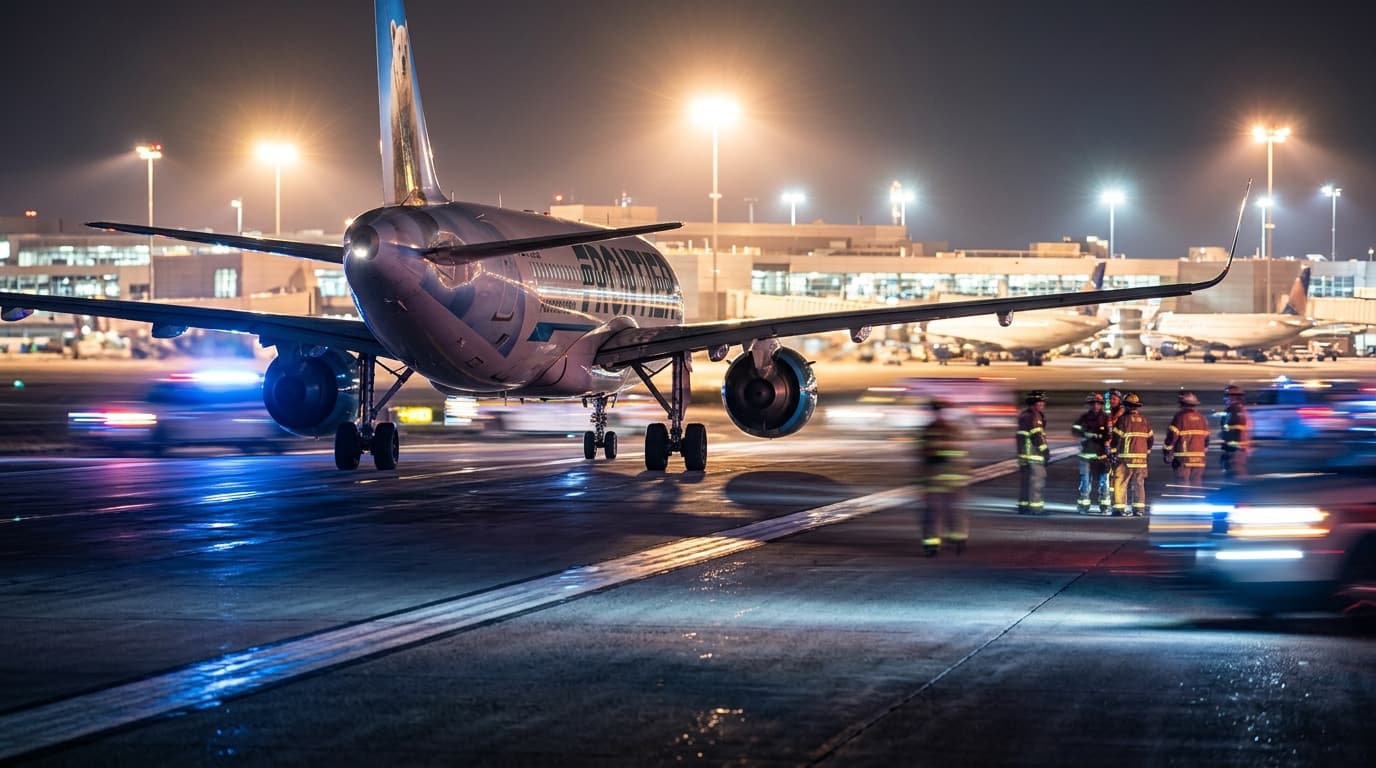
Frontier Jet Hits Person on Runway at Denver Airport: What We Know
Learn more about how to get discounted tsa precheck in may 2024
A Frontier Airlines jet struck and killed a person on the runway during takeoff at Denver International Airport, raising urgent questions about airport security and runway safety protocols. The incident occurred during what should have been a routine departure, transforming into a tragic event that halted operations and launched multiple investigations. This marks a rare but devastating breach of airport security systems designed to prevent unauthorized access to active runways.
The collision happened as Frontier Airlines Flight 1218 was accelerating for takeoff, forcing pilots to abort the departure immediately. Airport officials confirmed the person died at the scene, though their identity and how they accessed the restricted runway area remain under investigation.
What Happened During the Runway Incident?
Frontier Airlines confirmed that their aircraft made contact with a person on the runway at Denver International Airport during the takeoff roll. The flight crew detected the collision and immediately halted the departure sequence, bringing the aircraft to a stop on the runway.
Passengers aboard the flight reported feeling a sudden deceleration as pilots applied maximum braking. Emergency response teams arrived within minutes, but the individual struck by the aircraft was pronounced dead at the scene. The aircraft sustained minor damage and was taken out of service for inspection.
Denver International Airport temporarily closed the affected runway while authorities conducted their initial investigation. Other runways remained operational, though the incident caused significant delays across the airport's departure schedule.
How Did Someone Access the Runway?
The most pressing question facing investigators centers on how an individual gained access to an active runway at one of America's busiest airports. Denver International Airport employs multiple security layers designed to prevent unauthorized runway access.
These security measures include perimeter fencing with intrusion detection systems, security patrols monitoring restricted areas, and access control points requiring credentials. Surveillance cameras cover critical zones, and regular security audits assess system effectiveness.
For a deep dive on leavitt on trump's tsa order: 'should not have come to this', see our full guide
Despite these measures, the person somehow reached the runway during active flight operations. Investigators from the Federal Aviation Administration, Transportation Security Administration, and local law enforcement are examining security footage and interviewing airport personnel to determine the breach point.
What Are Runway Incursions and Why Do They Matter?
For a deep dive on air canada crash: flight attendant's miracle survival, see our full guide
Runway incursions represent one of aviation's most serious safety concerns. The FAA defines a runway incursion as any unauthorized aircraft, vehicle, or person on a runway surface. While most incursions involve aircraft or ground vehicles, pedestrian incursions remain exceptionally rare at commercial airports.
The aviation industry has made significant progress reducing runway incursions through improved technology and training. Advanced ground radar systems now alert controllers to potential conflicts, while enhanced runway lighting helps pilots maintain situational awareness during taxi operations. Statistics from the FAA show runway incursions have decreased over the past decade despite increasing air traffic.
This incident demonstrates that even sophisticated security systems can experience failures with tragic consequences.
What Happens During a Rejected Takeoff?
When pilots detect an emergency during takeoff, they must make split-second decisions about whether to continue or abort. The Frontier crew's decision to reject the takeoff followed standard protocols for unexpected obstacles on the runway.
Rejected takeoffs place enormous stress on aircraft systems. Brakes must dissipate tremendous kinetic energy, often heating to extreme temperatures. Tires face maximum loads, and the airframe experiences significant forces.
After any rejected takeoff, maintenance crews conduct thorough inspections before the aircraft returns to service. In this case, the collision damage required additional assessment beyond standard rejected takeoff procedures. Pilots train extensively for these scenarios in flight simulators.
How Will Airport Security Protocols Change?
Denver International Airport officials announced a comprehensive review of security protocols following the incident. Airport director Phil Washington stated that authorities would examine every aspect of perimeter security and access control systems.
The review will likely focus on several critical areas. Physical barriers receive scrutiny to identify potential weak points in fencing or gates. Electronic surveillance systems face evaluation for coverage gaps or technical failures.
Personnel procedures undergo analysis to ensure security staff follow established protocols. Other major airports may implement enhanced security measures as a precautionary response. The aviation industry typically shares lessons learned from incidents to prevent similar occurrences elsewhere.
What Is the Impact on Frontier Airlines Operations?
Frontier Airlines immediately grounded the aircraft involved for inspection and investigation. The airline rebooked passengers on alternative flights and provided support services during the disruption.
The carrier faces potential scrutiny regarding crew training and response procedures, though preliminary reports suggest the flight crew followed proper protocols. Frontier maintains a strong safety record, and this incident appears to result from external factors rather than airline operations. Investigators will review cockpit voice recordings and flight data to document the crew's actions during the incident.
What Are the Investigation Timeline and Next Steps?
The FAA launched an immediate investigation into the circumstances surrounding the collision. Federal investigators typically spend weeks or months gathering evidence, interviewing witnesses, and analyzing data before issuing preliminary findings. The National Transportation Safety Board may also participate in the investigation given the fatality involved.
Key investigation priorities include determining how the individual accessed the runway, reviewing airport security system performance, and analyzing flight crew response and decision-making. Investigators will identify potential security vulnerabilities and develop recommendations to prevent future incidents.
Final investigation reports often take a year or more to complete. However, authorities typically issue safety recommendations quickly if they identify immediate concerns requiring corrective action.
What Are the Legal and Regulatory Implications?
The incident will likely trigger regulatory reviews beyond the immediate investigation. The TSA may reassess security requirements for commercial airports, particularly regarding perimeter security and access control.
Denver International Airport could face scrutiny from federal regulators if investigators identify security deficiencies. Airports must maintain compliance with numerous federal security regulations, and violations can result in enforcement actions. The victim's family may pursue legal action against the airport, Frontier Airlines, or other parties depending on investigation findings.
What Lessons Can Aviation Security Learn?
This tragic incident reinforces the critical importance of layered security approaches at airports. No single security measure provides complete protection, requiring airports to maintain multiple overlapping systems.
Technology continues advancing airport security capabilities. Newer systems employ artificial intelligence to detect unusual activity patterns and alert security personnel to potential threats. Thermal imaging cameras enhance perimeter monitoring during darkness or adverse weather.
Human factors remain equally important. Security personnel need adequate training, resources, and support to maintain vigilance during long shifts. Regular security exercises help identify weaknesses before real incidents occur.
How Are Aviation Workers and Passengers Being Supported?
The incident affected numerous people beyond the victim. Flight crew members, passengers, and airport personnel who witnessed or responded to the tragedy may experience psychological trauma requiring professional support.
Airlines and airports maintain employee assistance programs providing counseling services. Frontier Airlines offered support resources to crew members and passengers aboard the affected flight. Airport operations gradually returned to normal as investigators completed their initial on-scene work.
Strengthening Airport Safety Moving Forward
The fatal collision between a Frontier Airlines jet and a person on the Denver airport runway represents a tragic failure of security systems designed to prevent such incidents. While runway incursions involving pedestrians remain extremely rare, this event demonstrates the catastrophic consequences when security protocols fail.
Continue learning: Next, explore musk offers to pay tsa salaries as trump floats ice plan
Investigators face critical questions about how someone accessed an active runway despite multiple security layers. Their findings will shape future security requirements and potentially drive technology investments across the aviation industry. The incident serves as a sobering reminder that aviation safety depends on constant vigilance and continuous improvement.
Related Articles

US to Resume Nexperia Chip Shipments from China: Key Insights
Explore the implications of the US resuming Nexperia chip shipments from China and its impact on sports technology and athlete performance.
Nov 1, 2025

YouTube TV Blackouts: ESPN and Disney Channels Go Dark
YouTube TV's blackout of ESPN and Disney channels raises concerns for sports fans. What does this mean for your viewing experience?
Oct 31, 2025

Investing in AI: Wall Street's Concerns and Sports Insights
Wall Street is concerned about an AI bubble. Discover which sectors in sports technology stand out and how to navigate your investments wisely.
Oct 26, 2025