.de TLD Offline: DNSSEC Outage Shakes German Domain Trust
When Germany's .de domain registry experienced a DNSSEC failure, millions of websites became unreachable. This incident reveals critical vulnerabilities in internet infrastructure.

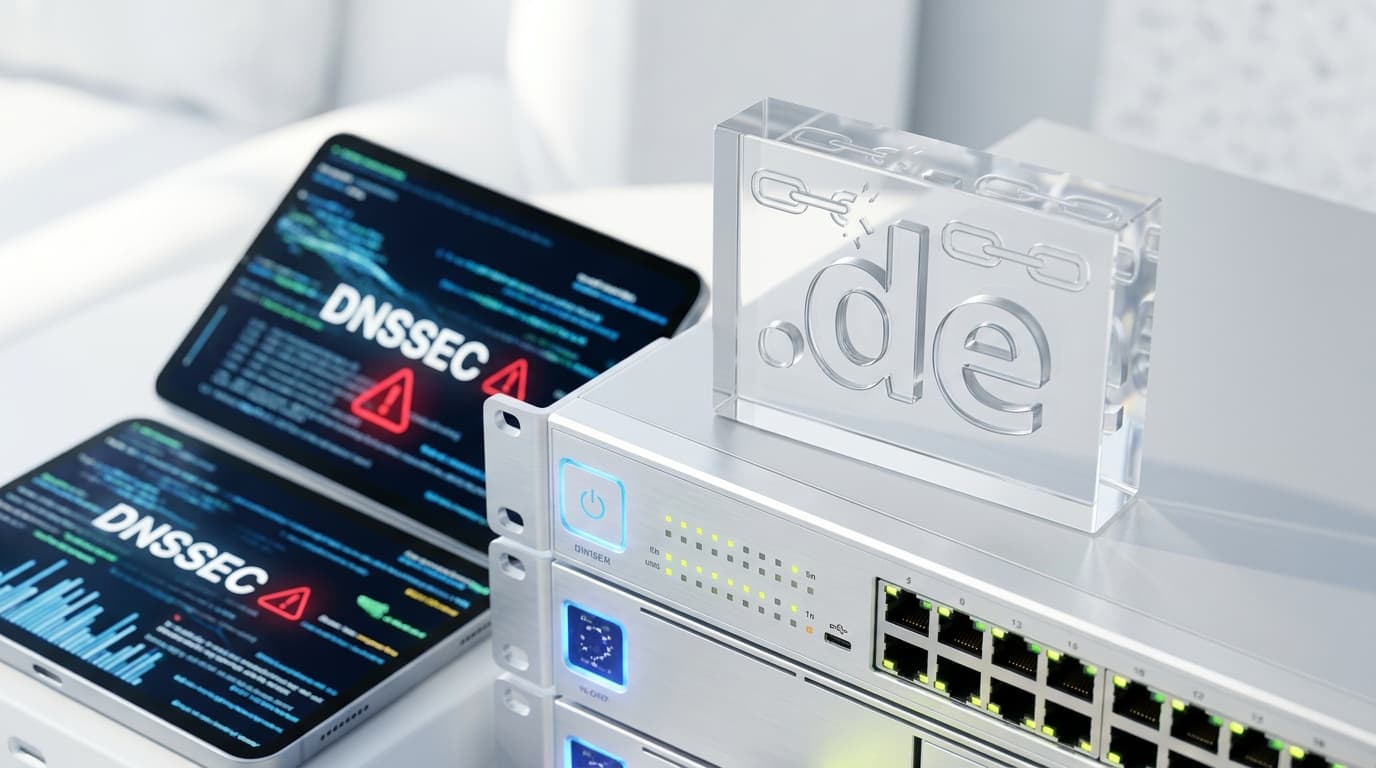
Understanding the .de TLD DNSSEC Outage
Learn more about should i run plain docker compose in production in 2026?
When Germany's .de top-level domain experienced a DNSSEC-related outage, it sent shockwaves through the internet community. The incident affected millions of websites under one of the world's most popular country-code domains. It highlighted critical vulnerabilities in the DNS security infrastructure we rely on daily.
The .de domain, managed by DENIC (Germany's network information center), serves over 17 million registered domains. A DNSSEC misconfiguration or failure can render these domains unreachable for users whose DNS resolvers enforce strict security validation.
What Is DNSSEC and Why Does It Matter?
DNSSEC (Domain Name System Security Extensions) adds cryptographic signatures to DNS records. This technology prevents attackers from hijacking DNS queries and redirecting users to malicious websites. Think of it as a digital seal of authenticity for internet addresses.
The system works through a chain of trust. Each level of the DNS hierarchy signs the records for the level below it. When this chain breaks, security-conscious DNS resolvers reject the domain as potentially compromised.
Key benefits of DNSSEC include:
- Protection against cache poisoning attacks
- Verification of DNS data authenticity
- Prevention of man-in-the-middle attacks
- Enhanced trust in domain resolution
- Compliance with modern security standards
How Did the .de Domain DNSSEC Outage Happen?
For a deep dive on async rust never left the mvp state: what went wrong, see our full guide
DNSSEC outages typically occur due to signature expiration, key rollover errors, or configuration mistakes. For a TLD as large as .de, the impact multiplies exponentially. When DNSSEC validation fails at the TLD level, every domain beneath it becomes inaccessible to users with validating resolvers.
The technical chain of events usually unfolds like this: the registry updates DNSSEC keys, a misconfiguration occurs during the transition, validating DNS resolvers detect the signature mismatch, and domains become unreachable. The process happens within minutes, affecting millions simultaneously.
For a deep dive on chrome installs 4 gb ai model without user consent, see our full guide
Most users don't notice immediately because many DNS resolvers don't enforce strict DNSSEC validation. However, organizations with security-focused infrastructure experienced immediate disruption.
What Happens When DNSSEC Fails?
A DNSSEC failure creates a split internet experience. Users with non-validating resolvers continue accessing websites normally. Those using validating resolvers, including many corporate networks and security-conscious individuals, receive error messages.
The symptoms include:
- "SERVFAIL" DNS errors
- Browser messages about server unavailability
- Complete inability to resolve affected domains
- No connection to email servers on affected domains
- Disruption of any service relying on DNS resolution
This creates a troubleshooting nightmare. Website owners see traffic from some users but not others. IT departments struggle to determine whether the problem lies with their infrastructure or upstream providers.
What Was the Impact on German Internet Infrastructure?
Germany's digital economy depends heavily on the .de domain. E-commerce platforms, government services, financial institutions, and countless small businesses operate under this TLD. Even brief outages translate to significant financial losses and eroded trust.
The incident exposed how centralized points of failure persist despite the internet's distributed architecture. When a single registry encounters problems, millions of domains suffer simultaneously. This vulnerability affects not just Germany but any country relying on centralized TLD management.
The .de DNSSEC outage demonstrates a critical paradox. DNSSEC provides crucial protection against DNS attacks, but implementation complexity creates new failure modes.
How Do Registries Prevent DNSSEC Outages?
Professional domain registries implement multiple safeguards. Automated monitoring systems track DNSSEC signature validity continuously. Key rollover procedures follow strict protocols with extensive testing. Redundant systems ensure no single point of failure.
DENIC, like other major registries, maintains sophisticated infrastructure. Yet mistakes still happen. The complexity of DNSSEC operations means even experienced teams can encounter unexpected issues during routine maintenance.
Best practices include:
- Automated signature renewal well before expiration
- Staged rollouts of DNSSEC key changes
- Real-time monitoring of validation status
- Rapid rollback procedures for detected issues
- Communication channels for emergency notifications
What Should Domain Owners Learn From This DNSSEC Outage?
Domain owners can't prevent TLD-level DNSSEC failures, but they can prepare. Understanding how DNSSEC works helps you recognize when problems originate upstream versus with your own configuration. Monitoring tools can alert you to resolution failures before users complain.
Diversifying your digital presence reduces risk. Companies operating critical services should consider maintaining domains across multiple TLDs. If .de experiences problems, your .com or .eu domains continue functioning normally.
The incident also reinforces the importance of status pages and alternative communication channels. When your primary domain becomes unreachable, how do you inform customers? Social media, email lists, and backup domains provide essential continuity.
What Does This Mean for DNS Security's Future?
This outage sparked renewed discussions about DNS infrastructure resilience. The internet community continues exploring ways to maintain DNSSEC's security benefits while reducing operational complexity. Some propose automated validation systems that detect configuration errors before deployment.
Emerging technologies like DNS over HTTPS (DoH) and DNS over TLS (DoT) add encryption layers but don't eliminate DNSSEC's role. These protocols protect privacy during transmission but don't verify data authenticity like DNSSEC does. The technologies complement rather than replace each other.
Registries worldwide watched the .de incident closely. Many reviewed their own DNSSEC procedures and emergency response protocols. Shared learning from these events gradually improves the entire ecosystem's reliability.
How Quickly Can Registries Resolve TLD DNSSEC Issues?
Resolution speed depends on the problem's nature and the registry's response capabilities. Simple signature renewals take minutes to propagate. Complex key rollover issues might require hours. The global DNS caching system means full recovery extends beyond the initial fix.
DENIC's technical team typically responds rapidly to critical issues. Their experience managing one of the world's largest ccTLDs means they maintain 24/7 monitoring and response capabilities. Most DNSSEC incidents get resolved within hours, though DNS cache TTLs can extend user impact.
The distributed nature of DNS means different users experience different recovery timelines. Some see immediate restoration while others wait for cached records to expire. This variability complicates communication during incidents.
Balancing Security and Reliability After the .de DNSSEC Outage
The .de DNSSEC outage serves as a critical reminder that security technologies introduce their own complexities. DNSSEC protects against serious threats, but its implementation requires meticulous attention to operational details. Domain registries must balance robust security with operational reliability.
Continue learning: Next, explore apple eyes intel and samsung as backup us chipmakers
For internet users and businesses, the incident highlights infrastructure dependencies we often take for granted. Understanding these systems helps you prepare for disruptions and make informed decisions about your digital presence. As the internet evolves, finding the right balance between security, reliability, and operational complexity remains an ongoing challenge that affects millions of domains worldwide.
Related Articles

Transforming Gaza: From Conflict Zone to Tech Hub
A leaked plan from the Trump administration reveals a bold strategy to turn Gaza into a thriving high-tech hub. Discover the potential.
Sep 3, 2025

Gaza's Tech Revolution: Trump's Bold High-Tech Vision
A leaked plan from the Trump administration unveils a vision to make Gaza a high-tech hub, focusing on AI, cybersecurity, and digital innovation.
Sep 3, 2025

AI Tools Reveal Identities of ICE Officers Online
AI's emerging role in unmasking ICE officers spotlights the intersection of technology, privacy, and ethics, sparking a crucial societal debate.
Sep 2, 2025