Critics Still Dining at Noma: The Restaurant's Final Act
Food critics continue flocking to Noma despite its announced closure. Discover why this matters for fine dining's future, plus pizza drama in Naples and Goop's restaurant debut.

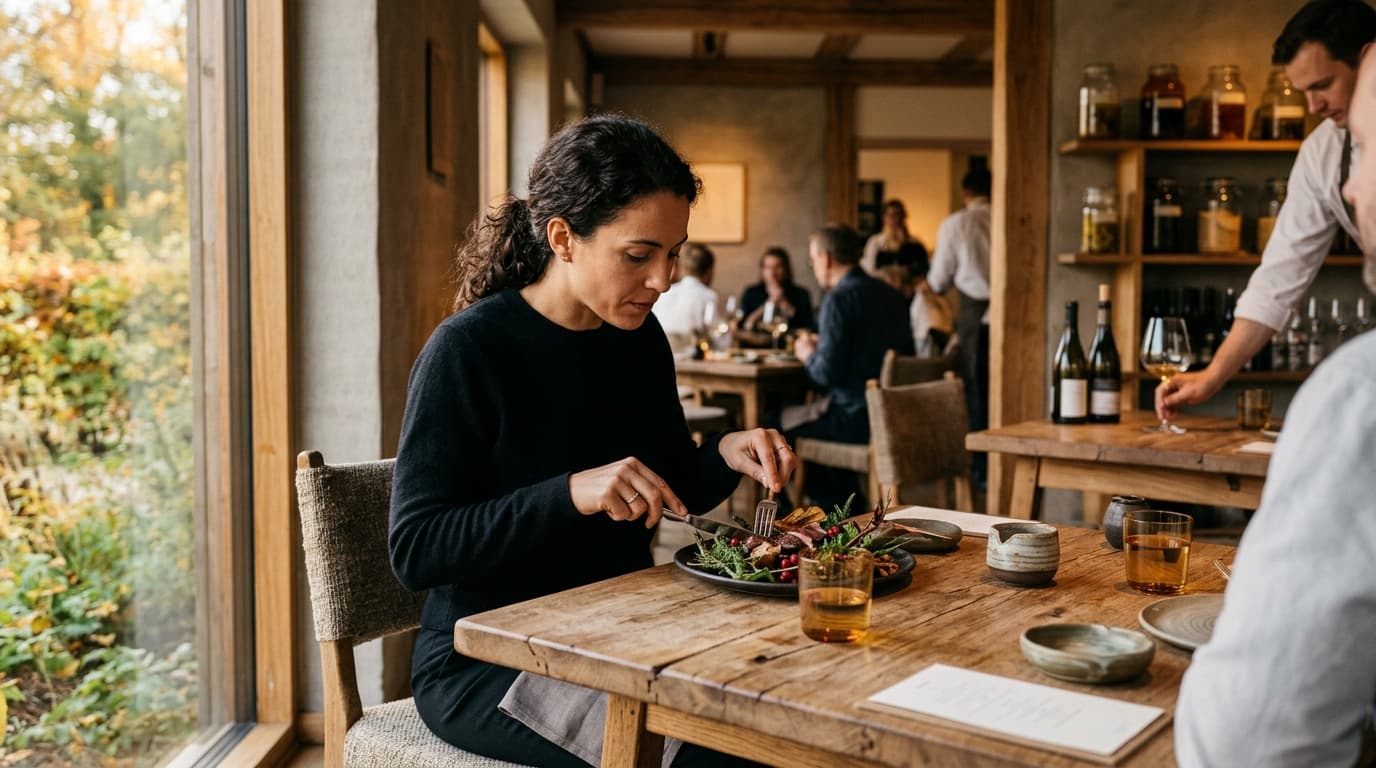
Critics Still Dining at Noma Despite Closure Announcement
Learn more about cannes critics' week: indonesian directors co-create shorts
Rene Redzepi announced Noma would close its doors as a traditional restaurant in 2024. The culinary world collectively gasped. Yet food critics continue booking tables at the Copenhagen institution, eager to experience its final chapters.
This phenomenon reveals something fascinating about restaurant culture, legacy dining, and our relationship with food experiences that are slipping away.
The three-Michelin-starred restaurant transformed Nordic cuisine and influenced a generation of chefs worldwide. Now, as it transitions to a test kitchen and pop-up model, diners pay premium prices for what might be their last chance to taste Redzepi's vision in its original form.
Why Do Critics Keep Returning to Noma?
Noma's influence extends far beyond its 40-seat dining room. The restaurant pioneered foraging techniques, fermentation methods, and a distinctly Nordic approach to fine dining that spawned countless imitators. Critics recognize they're witnessing the end of an era, not just another restaurant closing.
The reservation system remains notoriously difficult to navigate. Demand hasn't waned despite meal prices exceeding $500 per person before beverages. This scarcity mindset drives both professional critics and amateur food enthusiasts to secure tables while they still can.
Food journalists understand the historical significance of documenting Noma's final service period. Their reviews will serve as primary sources for future culinary historians studying early 21st-century gastronomy. The pressure to capture this moment adds weight to every dish description and service observation.
What Economic Realities Force Legendary Restaurants to Close?
For a deep dive on bard college president leon botstein retires after epstei..., see our full guide
Redzepi's decision to shutter traditional service stemmed from sustainability concerns, both environmental and financial. Operating a restaurant of Noma's caliber requires intense labor, with staff working grueling hours for modest compensation. The current fine dining model simply doesn't support fair wages while maintaining profitability.
The transition to a test kitchen addresses these concerns while preserving Noma's innovative spirit. This new model allows the team to focus on research and development without nightly service pressure. They can operate occasional pop-ups in diverse locations worldwide and collaborate with other chefs and food producers more freely.
For a deep dive on macbook ultra rumors: apple's most expensive laptop yet, see our full guide
The shift reduces overhead costs associated with permanent restaurant operations. It creates better work-life balance for team members.
Critics covering this transition document more than menu changes. They're witnessing a potential blueprint for how prestigious restaurants might evolve to survive modern economic realities.
Why Is Naples Fighting Over Pizza Authenticity?
Naples faces its own culinary controversy as pizza purists clash with modern innovators. The city that birthed pizza margherita now grapples with questions about authenticity versus evolution. Traditional pizzaiolos argue that certain techniques and ingredients are non-negotiable, while younger chefs experiment with unconventional toppings and preparation methods.
This debate mirrors larger conversations happening throughout the food world. How much can a dish change before it loses its identity? Who gets to decide what counts as authentic?
The Associazione Verace Pizza Napoletana maintains strict guidelines for authentic Neapolitan pizza. Dough must contain only flour, water, salt, and yeast. Tomatoes must be San Marzano or similar varieties. The list continues with exacting specifications that some view as preservationist and others see as restrictive.
What Actually Defines Authentic Pizza?
Authenticity debates often miss a crucial point: food has always evolved. The tomato itself didn't arrive in Italy until the 16th century, and pizza as we know it only emerged in the late 19th century. Today's "traditional" pizza would seem revolutionary to earlier generations.
Younger Neapolitan pizzamakers increasingly embrace this historical perspective. They honor foundational techniques while exploring new possibilities. Some use heritage grain varieties or experiment with extended fermentation times. Others incorporate local seasonal ingredients that traditional recipes never considered.
Critics covering Naples' pizza scene must navigate these tensions carefully. Their reviews can elevate innovative pizzerias or reinforce traditional hierarchies.
How Deep Does Coffee Obsession Go?
The specialty coffee world continues its march toward maximum complexity with podcasts dedicated to home espresso equipment. These shows dive deep into pressure profiling, water chemistry, and grinder alignment with a level of detail that would bewilder casual coffee drinkers.
This hyper-specialization reflects broader trends in food culture. Enthusiasts no longer settle for general cooking shows or basic recipe blogs. They want expert-level information about specific ingredients, techniques, and equipment.
Podcasts fill this niche perfectly, offering long-form discussions that written content can't always match.
The espresso podcast phenomenon highlights how equipment has become central to home cooking identity. Your coffee setup signals values, priorities, and knowledge level to fellow enthusiasts. A $3,000 espresso machine isn't just about better coffee. It's about joining a community of people who care deeply about extraction ratios and temperature stability.
Can Goop Kitchen Succeed in New York's Competitive Market?
Gwyneth Paltrow's lifestyle empire has opened a restaurant in New York, bringing Goop's wellness-focused philosophy to the dining scene. The menu emphasizes organic ingredients, anti-inflammatory preparations, and dishes aligned with various dietary restrictions. Critics approach Goop Kitchen with mixed expectations, curious whether it will transcend its celebrity origins.
The restaurant faces unique challenges. Goop's brand attracts devoted followers but also significant skepticism. Some view its wellness claims as scientifically dubious, while others appreciate its focus on clean eating and ingredient transparency.
Early reviews note competent execution and pleasant flavors, though few dishes break new culinary ground. The space itself embodies Goop's aesthetic: minimalist design, abundant natural light, and an atmosphere of serene wellness. Whether this translates to repeat business beyond initial curiosity remains uncertain.
Do Celebrity Restaurants Ever Earn Critical Respect?
Celebrity-backed restaurants often struggle with credibility in serious food circles. Critics wonder if famous names substitute for culinary substance. However, some celebrity ventures have earned genuine respect by hiring talented chefs and giving them creative freedom.
Goop Kitchen's success will depend on whether it evolves beyond its founder's celebrity. The food must speak for itself, developing a reputation independent of Paltrow's polarizing public image. This requires consistent quality, genuine hospitality, and menu development that responds to diner feedback rather than corporate branding mandates.
The restaurant enters a crowded New York market where wellness-focused dining has become mainstream. Competitors offer similar clean-eating menus without celebrity baggage. Goop Kitchen needs a compelling reason for diners to choose it over established alternatives.
How Is Food Criticism Adapting to Industry Changes?
These stories collectively illustrate how restaurant culture is evolving. Noma's closure challenges assumptions about fine dining's future. Naples' pizza debates question how tradition adapts to change. Espresso podcasts reveal the depth of modern food obsession. Goop Kitchen tests whether celebrity wellness brands can create lasting culinary impact.
Critics documenting these shifts play a crucial role in shaping how we understand food's cultural significance. Their reviews, features, and commentary create narratives that influence both industry professionals and everyday diners.
As restaurants experiment with new business models and concepts, criticism must evolve too, asking different questions and applying fresh frameworks.
Continue learning: Next, explore how 'for all mankind' evolved into hard science fiction
The next decade will likely bring more restaurants following Noma's lead, reimagining what fine dining can be. Traditional models face mounting pressure from labor costs, sustainability concerns, and changing consumer expectations. Critics who recognize these forces and contextualize them for readers will provide the most valuable perspectives in this transitional period.
Related Articles

Porsche 911 Turbo S Hybrid: A Game-Changer in Luxury Sports
Porsche's hybrid engine in the 911 Turbo S redefines luxury sports cars, combining performance with sustainability in a strategic business move.
Sep 7, 2025

Hermes 4 AI: Surpassing ChatGPT in Business Innovation
Nous Research's Hermes 4 AI models outshine ChatGPT, offering businesses unparalleled innovation and strategic insights without content restrictions.
Sep 7, 2025

Unlocking Business Growth: Strategies & Insights
Unlocking business growth requires understanding market trends, leveraging entrepreneurship, and mastering finance for strategic success.
Sep 6, 2025
Comments
Loading comments...