Climate Change Rewrites Winter Lakes in Backward Ways
Lakes are responding to climate change in counterintuitive ways. New research shows autumn warming doesn't always translate to warmer winters under the ice, revealing complex patterns.

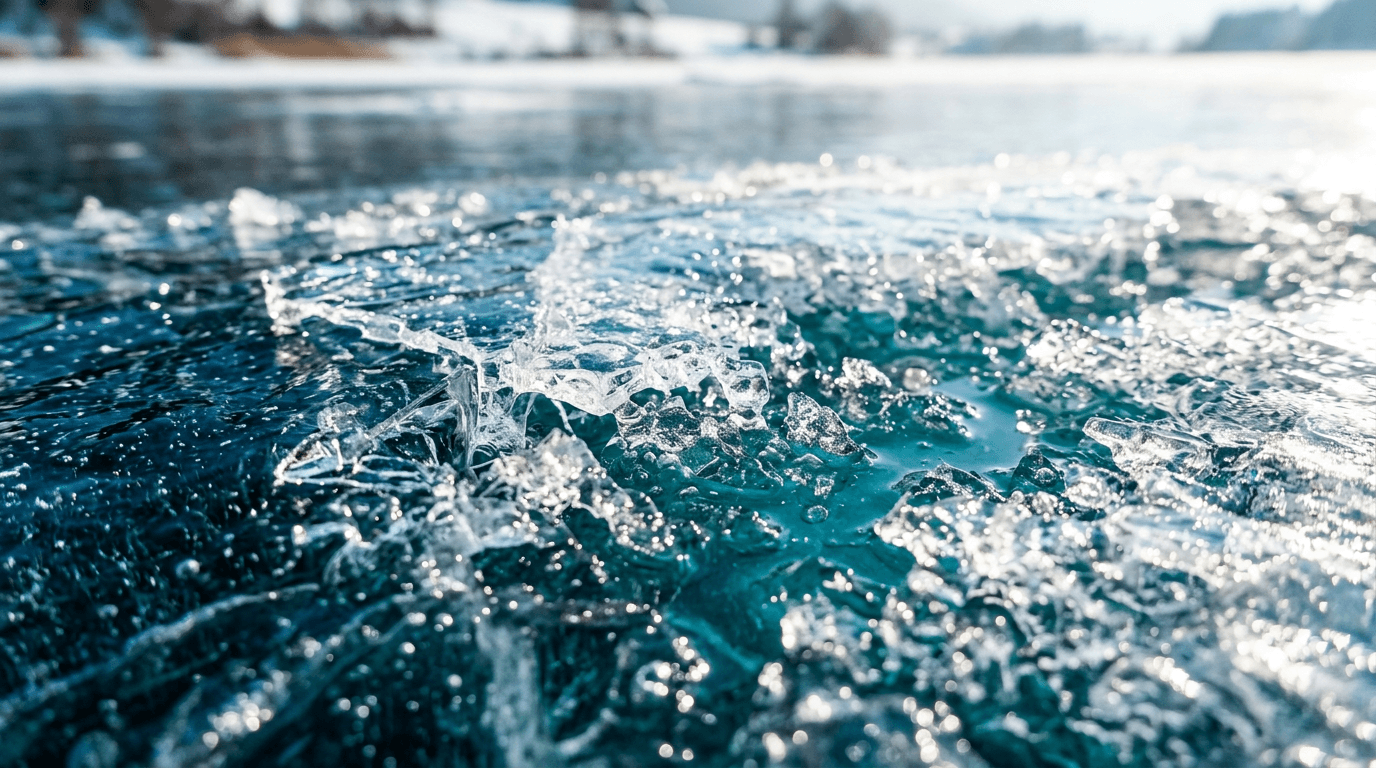
Lakes Show Puzzling Winter Response to Climate Change
Learn more about trademark violation: fake notepad++ for mac exposed
Lakes across the Northern Hemisphere are experiencing a puzzling transformation. Climate change is warming autumn lake surfaces, but the winter effects beneath the ice tell a counterintuitive story that challenges our understanding of seasonal lake dynamics.
Researchers from York University, the Finnish Environment Institute, and the University of Eastern Finland discovered that warmer fall temperatures don't always translate to warmer winters under the ice. This backward pattern reveals how climate change is rewriting winter lakes in ways that defy simple predictions.
Why Don't Warmer Autumns Always Mean Warmer Winters in Lakes?
Most people assume warmer autumns lead directly to warmer winters in lakes. The reality proves far more complex.
Lake ecosystems respond to seasonal warming through intricate physical processes that can produce unexpected results. The research team examined how autumn surface warming affects winter conditions beneath lake ice. Some lakes show warmer under-ice conditions, while others display cooler temperatures despite warmer autumns.
How Does Autumn Warming Affect Ice Formation?
The timing and formation of lake ice plays a crucial role in determining winter conditions. When autumn temperatures rise, lakes experience delayed ice formation. This extended open-water period allows more heat exchange with the atmosphere.
Delayed ice cover creates a longer cooling period before the protective ice layer forms. Lakes lose more accumulated heat to the atmosphere during these extended autumn periods. The result can be colder water temperatures once ice finally establishes itself.
Ice phenology refers to the timing of ice-related events like freeze-up and breakup dates. Climate change is shifting these patterns dramatically across northern lakes. Earlier ice breakup and later freeze-up dates are becoming the new normal in many regions.
For a deep dive on day trading minimum drops from $25,000 to $2,000, see our full guide
What Role Do Lake Mixing and Stratification Play?
Lakes undergo seasonal mixing patterns that determine temperature distribution throughout the water column. During autumn, many lakes experience turnover as surface waters cool and sink. This mixing process redistributes heat and oxygen throughout the lake.
For a deep dive on artificial hearts grow better in space than on earth, see our full guide
Warmer autumn temperatures can alter the intensity and duration of fall mixing. Extended stratification periods change how heat distributes before ice formation. These changes cascade into winter conditions in ways that vary by lake depth, size, and local climate.
Shallow lakes respond differently than deep lakes to autumn warming. Shallow systems mix more completely and lose heat faster. Deep lakes retain thermal memory longer, carrying autumn warmth into winter beneath the ice.
What Does Climate Change Mean for Lake Ecosystems?
Winter conditions beneath lake ice govern critical ecological processes. Fish, invertebrates, and microorganisms depend on specific temperature and oxygen conditions for survival. Changes to these under-ice environments ripple through entire food webs.
The research highlights several key impacts on lake ecosystems:
- Oxygen dynamics shift as warmer or cooler under-ice temperatures affect decomposition rates and oxygen consumption
- Fish habitat quality changes when winter thermal conditions move outside historical ranges
- Spring bloom timing shifts based on under-ice conditions that influence nutrient cycling
- Ice-dependent species face new challenges as ice phenology becomes increasingly unpredictable
Why Does Understanding These Patterns Matter?
Predicting future lake conditions requires understanding these complex seasonal interactions. Simple warming projections miss the nuanced ways lakes respond to climate change. Managers and scientists need accurate models to protect freshwater resources.
Thousands of northern communities depend on lakes for drinking water, recreation, and economic activities. Ice fishing, winter tourism, and transportation across frozen lakes all rely on predictable ice conditions. These traditions face uncertainty as climate change rewrites winter lake patterns.
The backward nature of some lake responses to warming demonstrates the sophistication required in climate science. Not every system responds linearly to temperature increases.
How Do Regional Variations Affect Lake Winter Responses?
The international research team examined lakes across different climate zones and geographic regions. They discovered that local factors strongly influence how individual lakes respond to autumn warming. Latitude, elevation, and surrounding landscape all play roles.
Canadian lakes showed different patterns compared to Finnish lakes, despite both regions experiencing northern climates. These variations reflect differences in continental climate patterns, lake morphology, and regional warming rates. No single prediction fits all lakes.
What Did Scientists Measure and How?
Researchers analyzed long-term temperature data from multiple lakes to identify trends. They compared autumn surface temperatures with winter under-ice measurements. Ice phenology records provided additional context about freeze and thaw timing.
The study employed statistical models to separate climate change signals from natural variability. Lakes naturally fluctuate from year to year, making trend detection challenging. Long-term datasets spanning decades proved essential for identifying genuine climate-driven changes.
Advanced sensors and monitoring networks now provide unprecedented detail about lake conditions. Continuous temperature loggers track under-ice environments throughout winter. Satellite observations monitor ice cover extent and timing across vast regions.
What Are the Future Implications for Northern Lakes?
Climate models project continued warming across northern regions. Autumn temperatures will likely increase further, intensifying the patterns researchers already observe. Understanding current responses helps predict future lake conditions.
Some lakes may transition to ice-free winters within coming decades. This dramatic shift would fundamentally alter ecosystem function and regional hydrology. Other lakes will maintain ice cover but experience shorter ice seasons and different thermal regimes.
The backward patterns observed in some lakes may intensify or shift as warming continues. Thresholds exist where lake responses could change dramatically. Scientists work to identify these tipping points before irreversible changes occur.
How Can Communities Adapt to Changing Lake Conditions?
Communities and resource managers must adapt to increasingly unpredictable lake ice conditions. Traditional knowledge about safe ice thickness and timing becomes less reliable. New monitoring approaches and safety protocols become necessary.
Fisheries management requires updating as winter habitat conditions shift. Species distributions may change as lakes warm or cool beneath the ice. Conservation strategies must account for complex seasonal interactions rather than simple warming trends.
Water quality monitoring needs to intensify during transition seasons. The extended open-water periods and altered mixing patterns affect nutrient cycling and algal growth. Understanding these connections helps protect drinking water sources.
What Does This Tell Us About Climate Change Impacts?
This research reveals how climate change operates through complex pathways rather than simple cause-and-effect relationships. The backward nature of some lake responses illustrates why detailed scientific investigation matters.
Lakes serve as sentinels of climate change, responding quickly to atmospheric warming. Their reactions provide early warnings about broader ecosystem shifts. The counterintuitive patterns discovered in this research emphasize the need for continued monitoring and study.
Freshwater ecosystems face multiple climate stressors beyond temperature changes. Altered precipitation patterns, extreme weather events, and changing ice dynamics combine to reshape lake environments. Understanding seasonal interactions helps predict cumulative impacts.
Key Takeaways: What We've Learned About Winter Lakes
Climate change affects lakes in ways that defy simple predictions. The discovery that autumn warming can lead to cooler winter conditions in some lakes challenges conventional assumptions. This backward pattern demonstrates the sophisticated responses of natural systems to environmental change.
The research from York University, the Finnish Environment Institute, and the University of Eastern Finland advances our understanding of seasonal lake dynamics. Their findings emphasize the importance of studying climate impacts at seasonal scales rather than assuming uniform warming effects.
Continue learning: Next, explore apple may drop magsafe on future iphones: what we know
As northern lakes continue changing, scientists and communities must adapt their expectations and management strategies. The complex interplay between autumn warming, ice phenology, and winter temperatures requires ongoing research and monitoring. Understanding these patterns today prepares us for the transformed lake ecosystems of tomorrow.
Related Articles

Warming Seas Shrink Resilient Red Sea Corals
Even the toughest Red Sea corals are shrinking under prolonged heat stress, posing risks to reefs and human livelihoods reliant on them.
Sep 6, 2025

Mars Colony Milestone: First Successful Human Landing
The first astronauts have successfully landed on Mars, marking a new chapter in human history and space exploration. Discover the science behind the mission.
Sep 6, 2025

AI Tools Reveal Identities of ICE Officers Online
AI's emerging role in unmasking ICE officers spotlights the intersection of technology, privacy, and ethics, sparking a crucial societal debate.
Sep 2, 2025
Comments
Loading comments...