Apple May Drop MagSafe on Future iPhones: What We Know
A surprising rumor claims Apple could remove MagSafe from future iPhones. We break down the speculation, what it means for users, and why this decision seems unlikely.

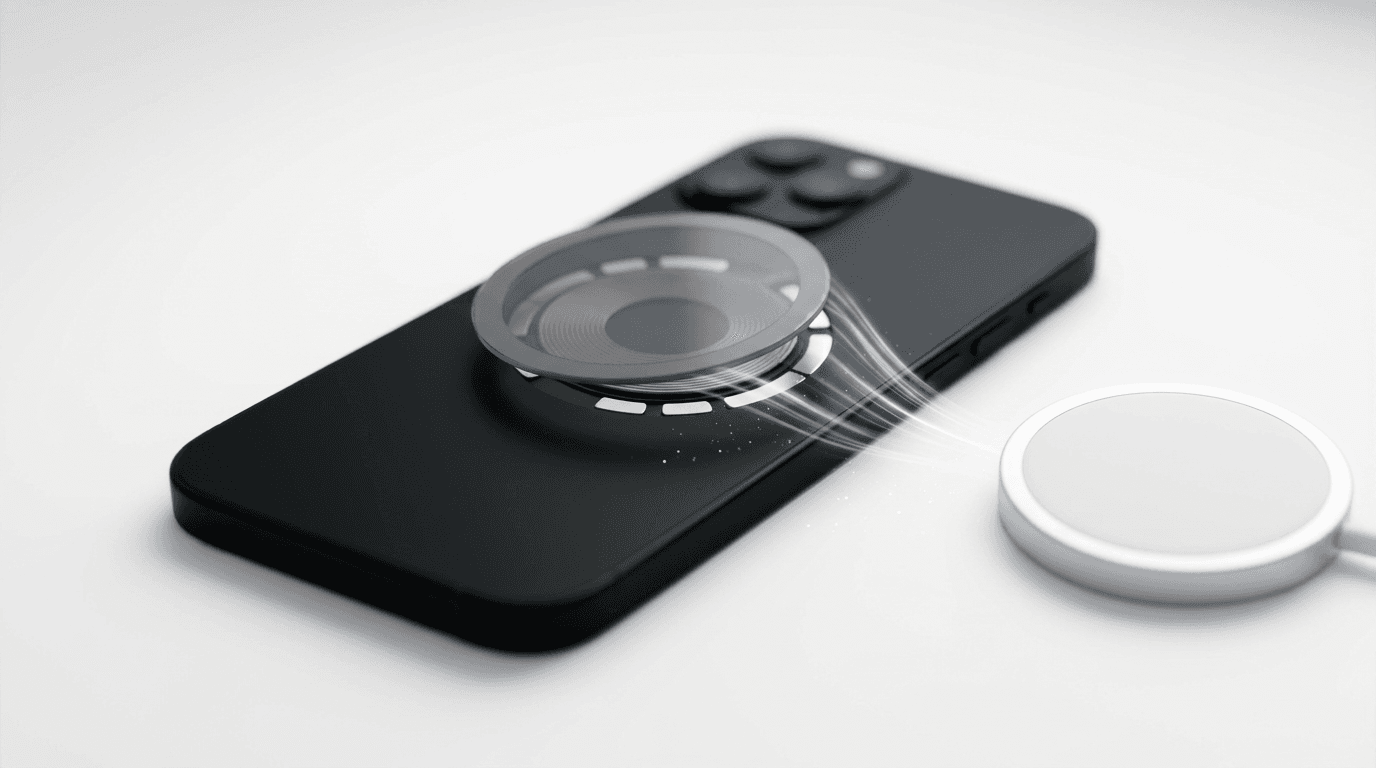
Will Apple Remove MagSafe from Future iPhones? Analyzing the Rumor
Learn more about byomesh lora mesh radio: 100x bandwidth revolution
Apple introduced MagSafe for iPhone in 2020, revolutionizing wireless charging with magnetic alignment and a growing ecosystem of accessories. Now, a bizarre rumor suggests the company might abandon this technology on future iPhones. The speculation has left Apple enthusiasts scratching their heads.
The rumor lacks concrete sourcing and contradicts Apple's recent investments in MagSafe technology. Examining the possibility reveals insights into Apple's strategic thinking and the evolution of wireless charging standards.
Where Did the MagSafe Removal Rumor Start?
The speculation about Apple ditching MagSafe appears to stem from anonymous sources without established track records. Unlike reliable Apple analysts such as Ming-Chi Kuo or Mark Gurman, this rumor lacks credibility markers that typically accompany legitimate leaks.
Industry watchers note that Apple has invested heavily in MagSafe infrastructure since its 2020 debut. The company expanded the ecosystem to include charging pads, battery packs, wallets, and third-party accessories. Abandoning this investment would represent a dramatic strategic reversal.
The timing raises questions. Apple recently contributed to the Qi2 wireless charging standard, which incorporates MagSafe's magnetic alignment technology. This collaboration suggests Apple plans to strengthen magnetic wireless charging, not eliminate it.
What Is the Current State of MagSafe Technology?
MagSafe has evolved significantly since its introduction on the iPhone 12 series. The technology delivers up to 15W of wireless charging power through precise magnetic alignment. This system ensures optimal charging efficiency and enables a robust accessory ecosystem.
Key MagSafe features include:
- Magnetic alignment that guarantees proper charging pad placement
- Support for simultaneous charging and accessory attachment
- Compatibility with a wide range of first-party and third-party products
- Integration with car mounts, stands, and battery packs
- Enhanced user experience through haptic feedback and visual indicators
The technology has become deeply embedded in Apple's product strategy. Every iPhone model since 2020 has featured MagSafe. The company continues refining the implementation with each generation.
Why Would Apple Consider Removing MagSafe?
For a deep dive on torso electronics s-4 update lets you freeze time, see our full guide
Despite the rumor's questionable origins, exploring potential motivations reveals interesting possibilities. Apple occasionally eliminates features it deems redundant or outdated, as demonstrated by removing the headphone jack and physical SIM card tray.
Could Cost Reduction Drive the Decision?
For a deep dive on banksy's london statue: tech reveals truth behind viral art, see our full guide
MagSafe components add manufacturing costs and occupy valuable internal space. The magnetic ring, alignment sensors, and charging coils require precise engineering. Removing these elements could reduce production expenses and free space for larger batteries or additional components.
Apple has historically prioritized device thinness and weight reduction. Eliminating MagSafe hardware could enable slimmer iPhone designs. However, the company would need to offer compelling alternatives to justify removing a popular feature.
How Does the Qi2 Standard Factor In?
Apple's involvement in developing the Qi2 wireless charging standard presents an intriguing angle. Qi2 incorporates magnetic alignment similar to MagSafe, potentially making Apple's proprietary implementation redundant. The company could theoretically transition to Qi2 exclusively while maintaining magnetic charging capabilities.
This scenario seems more plausible than complete elimination. Apple would preserve the magnetic charging experience while adopting a universal standard. Users would retain compatibility with MagSafe accessories through Qi2's magnetic profile.
What Would MagSafe Removal Mean for Users?
Eliminating MagSafe would significantly impact the iPhone user experience and accessory ecosystem. Millions of users have invested in MagSafe-compatible products, from charging stands to car mounts.
How Would the Accessory Ecosystem Be Affected?
The MagSafe accessory market has flourished since 2020. Third-party manufacturers have created hundreds of products leveraging the magnetic connection. Removing MagSafe would render these accessories obsolete for new iPhone models.
Apple typically maintains backward compatibility when possible. The company would likely face substantial backlash from users and accessory makers if it abandoned MagSafe without a comparable replacement.
What About Charging Convenience?
MagSafe's magnetic alignment solves a common wireless charging frustration. Users no longer need to carefully position their phones on charging pads. The magnets automatically guide the device into the optimal charging position.
Reverting to standard wireless charging would sacrifice this convenience. Users would return to the trial-and-error process of finding the correct charging pad placement. This regression would contradict Apple's user-experience-first philosophy.
How Likely Is the MagSafe Removal Rumor?
Analyzing Apple's recent actions and statements suggests the MagSafe removal rumor lacks credibility. Multiple factors indicate the company plans to expand rather than eliminate magnetic charging technology.
What Does Apple's Qi2 Investment Reveal?
Apple actively participated in creating the Qi2 standard, which incorporates MagSafe's magnetic alignment technology. This involvement demonstrates commitment to magnetic wireless charging's future. The company would not contribute its technology to an industry standard while planning to abandon it.
Qi2 enables other manufacturers to create MagSafe-compatible accessories without Apple's proprietary licensing. This expansion benefits Apple by growing the accessory ecosystem and reinforcing magnetic charging as an industry standard.
Is Apple Still Developing MagSafe Products?
Apple regularly updates its MagSafe accessory lineup. Recent releases include new charging pads, battery packs, and cases. These ongoing product launches signal continued commitment to the technology.
The company has also improved MagSafe integration in recent iPhone models. Enhanced magnetic strength, faster charging speeds, and better thermal management indicate active development rather than planned obsolescence.
What Does Apple's History Tell Us?
When Apple eliminates features, it typically follows a predictable pattern. The company introduces superior alternatives before removing existing technology. For example, wireless charging preceded Lightning port removal discussions.
No evidence suggests Apple has developed a MagSafe replacement. The company would need to introduce revolutionary charging technology before abandoning its current magnetic system. Such innovations typically leak months or years before official announcements.
What Can We Expect from Future iPhone Charging?
Rather than removing MagSafe, Apple will likely enhance the technology in upcoming iPhone models. Industry trends and patent filings suggest several potential improvements.
Will Wireless Charging Get Faster?
Current MagSafe charging tops out at 15W, significantly slower than wired charging options. Apple may increase wireless charging speeds to 20W or higher. This improvement would reduce the performance gap between wired and wireless charging.
Competitors already offer faster wireless charging solutions. Apple typically adopts such features once it can implement them reliably and safely. Thermal management improvements could enable higher charging speeds without compromising device safety.
Could Reverse Wireless Charging Arrive?
Rumors have long suggested Apple will add reverse wireless charging to iPhones. This feature would enable users to charge AirPods, Apple Watch, or other devices using their iPhone's battery. MagSafe's magnetic alignment would make this functionality particularly user-friendly.
What About Long-Distance Wireless Charging?
Apple has explored truly wireless charging technology that works at a distance. Patents describe systems that charge devices without physical contact or charging pads. However, this technology remains years away from commercial viability.
Should You Worry About Losing MagSafe?
Current evidence strongly suggests Apple will retain MagSafe on future iPhone models. The rumor lacks credible sourcing and contradicts Apple's recent investments in magnetic charging technology.
Users can confidently invest in MagSafe accessories without fearing immediate obsolescence. The technology has become fundamental to Apple's iPhone strategy and charging ecosystem. Even if Apple eventually transitions to Qi2 exclusively, the magnetic charging experience would remain intact.
Apple occasionally surprises the industry with unexpected decisions. However, eliminating a popular, well-integrated feature without a superior replacement would represent an uncharacteristic misstep. The company's track record suggests it will enhance rather than abandon MagSafe technology.
MagSafe Appears Safe for the Foreseeable Future
The rumor about Apple ditching MagSafe on future iPhones appears unfounded based on available evidence. Apple's continued investment in magnetic charging technology, involvement in Qi2 development, and expanding accessory ecosystem all point toward MagSafe's long-term future.
While Apple has eliminated popular features before, it typically provides compelling alternatives and clear strategic rationale. Neither exists for potential MagSafe removal. Users should view this rumor with healthy skepticism until credible sources provide supporting evidence.
Continue learning: Next, explore fix swing settings in reaper: complete guide
The more likely scenario involves MagSafe evolution rather than elimination. Expect faster charging speeds, improved efficiency, and deeper integration with the broader Apple ecosystem. Magnetic wireless charging has proven too valuable and popular for Apple to abandon without extraordinary justification.
Related Articles

Transforming Gaza: From Conflict Zone to Tech Hub
A leaked plan from the Trump administration reveals a bold strategy to turn Gaza into a thriving high-tech hub. Discover the potential.
Sep 3, 2025

Gaza's Tech Revolution: Trump's Bold High-Tech Vision
A leaked plan from the Trump administration unveils a vision to make Gaza a high-tech hub, focusing on AI, cybersecurity, and digital innovation.
Sep 3, 2025

AI Tools Reveal Identities of ICE Officers Online
AI's emerging role in unmasking ICE officers spotlights the intersection of technology, privacy, and ethics, sparking a crucial societal debate.
Sep 2, 2025
Comments
Loading comments...