4 Small Tweaks That Turn Your Walk Into a Power Workout
Your daily walk is hiding serious fitness potential. These four simple adjustments transform your casual stroll into a metabolism-boosting, muscle-building powerhouse.

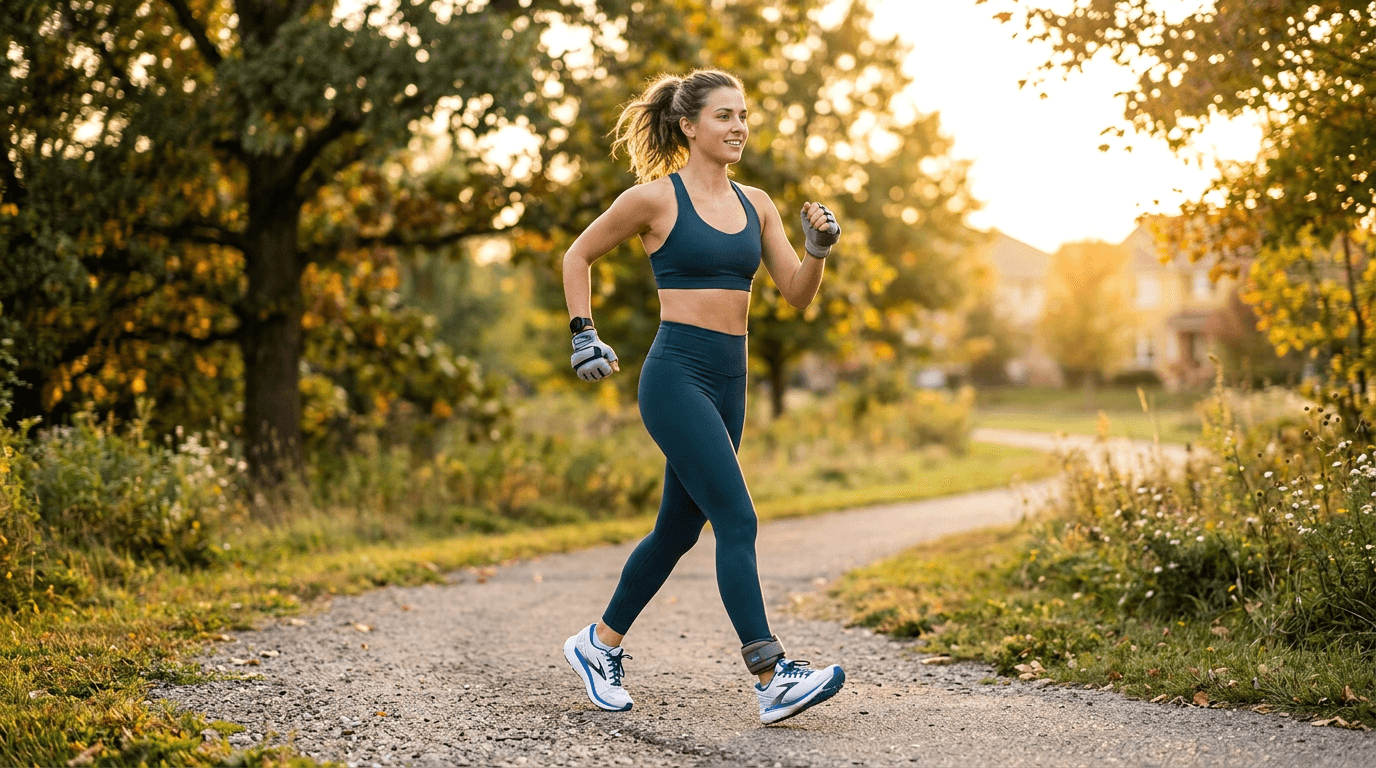
Why Does Your Daily Walk Need an Upgrade?
Learn more about how to thoroughly clean your humidifier (it's time)
Walking remains one of the most accessible forms of exercise, yet most people barely scratch the surface of its potential. You lace up your sneakers, head out the door, and maintain the same comfortable pace you've used for months. Your routine walk can deliver serious fitness results with just a few strategic modifications.
Research shows that walking burns approximately 100 calories per mile for the average person. What if you could double that calorie burn without adding extra time to your routine? These four evidence-based tweaks transform your walk from a pleasant stroll into a seriously effective workout that challenges your muscles, elevates your heart rate, and maximizes every minute you spend moving.
How Do Intervals Supercharge Calorie Burn?
Interval training works for walkers just as effectively as it does for runners and gym enthusiasts. Incorporating speed bursts into your walk creates an afterburn effect that keeps your metabolism elevated for hours after you finish.
Start by walking at your normal pace for three minutes, then increase your speed to a brisk, challenging pace for one minute. You should feel slightly breathless during the fast intervals but still able to speak in short sentences.
Studies published in the Journal of Applied Physiology demonstrate that interval walking burns up to 50% more calories than steady-pace walking. The metabolic boost continues long after your workout ends, with your body burning additional calories during recovery.
What's the Best Way to Structure Your Interval Walk?
Begin with a five-minute warm-up at an easy pace to prepare your muscles and joints. This prevents injury and allows your cardiovascular system to gradually adjust to increased demands.
For a deep dive on are your standards too high in relationships? find out now, see our full guide
During your main workout, alternate between moderate and high-intensity periods. Your moderate pace should feel comfortable but purposeful, while your high-intensity bursts push you to about 80% of your maximum effort. Finish with a five-minute cooldown to gradually lower your heart rate.
Why Do Inclines Build More Muscle?
For a deep dive on 31 spring side dishes to brighten any meal, see our full guide
Flat terrain keeps your walk comfortable, but hills and inclines activate completely different muscle groups. Walking uphill engages your glutes, hamstrings, and calves with significantly more intensity than level ground.
Seek out routes with natural hills, or use the incline feature on a treadmill if you walk indoors. Even a 5% grade increases calorie expenditure by approximately 50% compared to flat walking. Your body works harder to propel itself upward, building lean muscle mass while burning more calories.
What Happens When You Add Elevation?
Uphill walking forces your muscles to contract more powerfully with each step. Your glutes fire more intensely to push your body weight upward, while your core muscles engage to maintain balance and posture.
This increased muscular demand translates to greater calorie burn during and after your walk. Research from the University of Colorado indicates that walking on an incline can burn three times more calories than walking on flat ground at the same speed.
How Do You Find the Right Grade?
Start with modest inclines of 3-5% if you're new to hill walking. As your strength improves over several weeks, gradually increase to steeper grades. Avoid leaning forward excessively, which reduces the effectiveness and can strain your lower back.
How Should You Use Your Arms While Walking?
Most walkers let their arms swing passively at their sides, missing a significant opportunity to increase workout intensity. Engaging your upper body transforms walking into a full-body exercise that burns more calories and builds upper body strength.
Bend your elbows at 90-degree angles and pump your arms forward and back in rhythm with your steps. Your hands should reach chest height on the forward swing and hip height on the back swing.
Keep your shoulders relaxed and avoid crossing your arms in front of your body. This simple adjustment engages your shoulders, biceps, triceps, and core muscles. Studies show that proper arm movement increases calorie burn by 5-10% and naturally encourages a faster walking pace.
Should You Add Light Weights?
Once you've mastered the arm pumping technique, consider adding light hand weights of one to three pounds. This increases resistance and further challenges your upper body muscles.
Hold the weights loosely rather than gripping them tightly, which can elevate blood pressure unnecessarily. Maintain the same 90-degree arm position and controlled pumping motion. If you experience any shoulder discomfort, reduce the weight or return to unweighted arm swings.
What Walking Patterns Burn More Calories?
Your typical heel-to-toe stride works well for casual walking, but varying your movement patterns activates different muscle groups and increases calorie expenditure. These variations also improve balance, coordination, and functional fitness.
Incorporate these pattern changes into different segments of your walk:
- Side steps: Walk sideways for 30-60 seconds to target your inner and outer thighs
- Backward walking: Carefully walk backward on flat, clear terrain to engage your hamstrings and improve proprioception
- Walking lunges: Perform 10-20 walking lunges to intensely work your quads and glutes
- High knees: Lift your knees toward your chest for 30 seconds to elevate your heart rate
These movement variations break up the monotony of standard walking while challenging your body in new ways. Your muscles must adapt to unfamiliar movement patterns, which increases calorie burn and builds functional strength.
How Do You Stay Safe During Pattern Changes?
Always perform non-traditional walking patterns on smooth, level surfaces free from obstacles. Look over your shoulder frequently when walking backward, and avoid traffic areas. Start with short 30-second intervals until you develop confidence and coordination with each new pattern.
How Do You Combine These Walking Tweaks?
You don't need to implement all four tweaks simultaneously. Start by adding one or two modifications to your current routine, then gradually incorporate others as they become comfortable.
A sample 30-minute enhanced walking workout might look like this: five-minute warm-up, then alternate between two minutes of normal pace on flat ground and one minute of brisk pace with arm pumping. Add a three-minute uphill segment, followed by 30 seconds of side steps.
Repeat this pattern with variations, finishing with a five-minute cooldown. The beauty of these adjustments lies in their flexibility. You can customize your walk based on available time, terrain, and fitness level.
How Should You Track Your Progress?
Monitor your improvements by noting how you feel during and after walks. You might track distance covered, average pace, or perceived exertion level. Many people find that these simple tweaks allow them to walk the same distance in less time or cover more ground in their usual workout window.
Pay attention to how your body responds over several weeks. You should notice improved cardiovascular endurance, increased leg strength, and better overall energy levels. Your clothes may fit differently as you build lean muscle and reduce body fat.
When Should You Start Transforming Your Walk?
These four simple modifications prove that effective workouts don't require expensive equipment or gym memberships. Your daily walk already provides a solid foundation for fitness. By adding intervals, seeking inclines, engaging your arms, and varying your movement patterns, you unlock its full potential.
Continue learning: Next, explore at-home hair growth system drops in price - red light
Start with one tweak that appeals to you most, master it over a week or two, then add another. Within a month, your walk will deliver results that rival more complex workout programs. Consistency and progressive challenge matter more than perfection. Every enhanced walk moves you closer to your fitness goals while you enjoy the mental clarity and stress relief that walking naturally provides.
Related Articles

ChatGPT’s ‘Branching Chats’: The Ultimate Upgrade for Every User
Discover how ChatGPT's 'Branching Chats' feature enhances lifestyle conversations, making wellness, fitness, and travel planning more engaging.
Sep 12, 2025

Yes, You Can Get Vitamin D Without Skin Damage—Here's How
Discover safe ways to boost your vitamin D levels without risking skin damage. Explore dietary sources, supplements, and sun exposure tips.
Sep 11, 2025

5 Essential Benefits of Amino Acids Supplements
Explore how amino acids supplements extend beyond muscle repair, offering enhanced recovery, mental health support, and immunity for everyone.
Sep 10, 2025
Comments
Loading comments...