Warsh Denies Trump Pressure on Fed Rates Despite Push
Trump's Fed nominee Kevin Warsh faces Senate scrutiny over independence claims, insisting he won't be a "sock puppet" despite president's push for rate cuts.
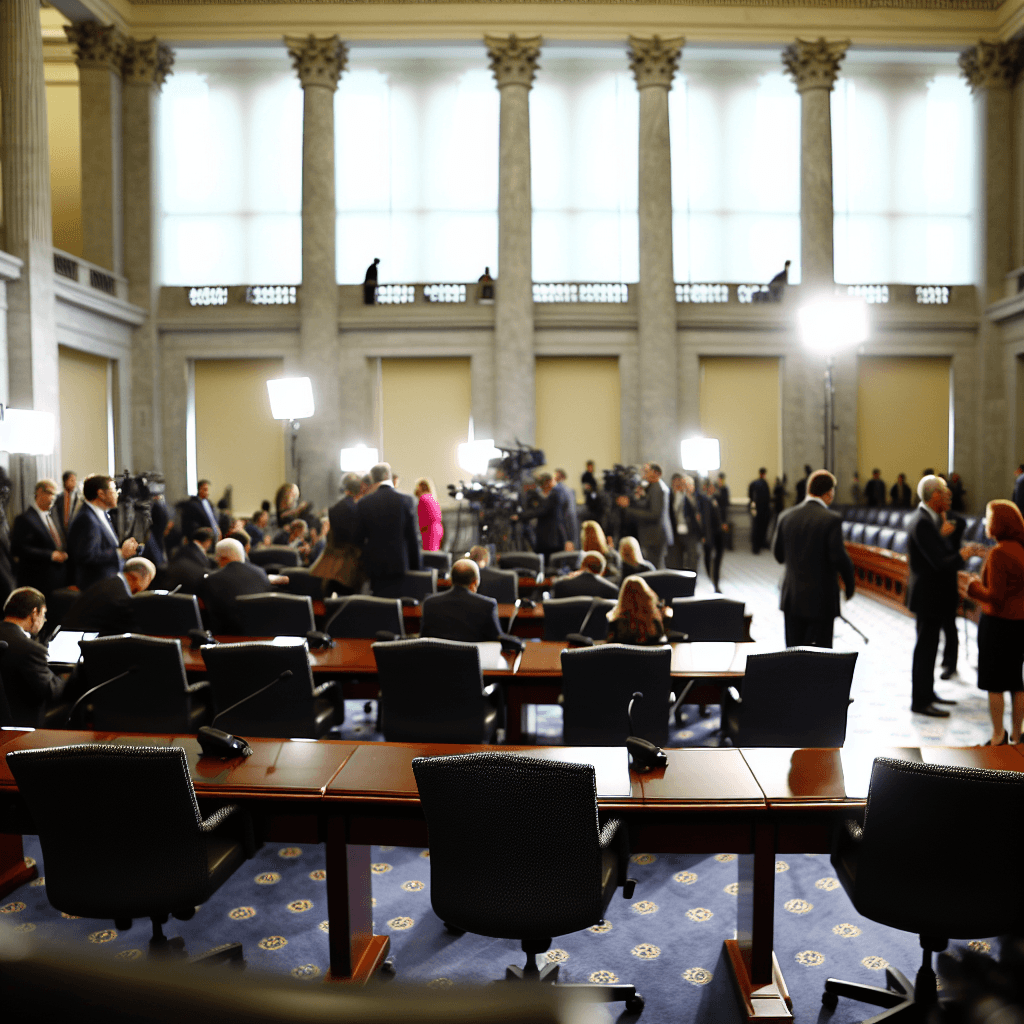
Kevin Warsh Faces Senate Grilling Over Federal Reserve Independence
Learn more about trump's fed nominee kevin warsh faces tough senate hearing
Kevin Warsh, President Donald Trump's nominee to lead the Federal Reserve, faced intense questioning from senators about his ability to maintain independence from White House influence. The hearing comes as Trump publicly advocates for immediate interest rate cuts, raising concerns about potential political interference in monetary policy. Warsh's testimony represents a critical moment for the Fed's traditional autonomy from presidential pressure.
The former Fed governor insisted he received no direct pressure from Trump regarding rate decisions. Meanwhile, the president continues his vocal campaign for lower borrowing costs. This tension between presidential preferences and central bank independence has become a defining issue in Warsh's confirmation process.
Can Warsh Maintain Fed Independence From Trump?
During his Senate Banking Committee hearing, Warsh made his position clear with forceful language. "I will not be Trump's 'sock puppet' if confirmed as Fed chairman," he stated, addressing concerns head-on about his relationship with the president who nominated him.
The nominee emphasized his commitment to data-driven decision-making over political considerations. He pointed to his previous service at the Fed from 2006 to 2011, highlighting his track record of independent judgment during the financial crisis.
Warsh's testimony included several key commitments:
- Making monetary policy decisions based solely on economic data and analysis
- Maintaining the Fed's dual mandate of price stability and maximum employment
- Resisting any political pressure from the White House or Congress
- Protecting the institution's credibility and long-term effectiveness
- Communicating transparently with markets and the public
Why Is Trump Pushing for Immediate Rate Cuts?
President Trump has not been subtle about his desire for lower interest rates. Through social media posts and public statements, he has repeatedly called for immediate rate reductions to stimulate economic growth.
For a deep dive on trump ceasefire ends wednesday: extension unlikely, see our full guide
This public pressure campaign has raised red flags among economists and lawmakers who view Fed independence as crucial to economic stability. The president's approach marks a departure from traditional presidential restraint regarding Fed policy.
Previous administrations generally avoided commenting on specific monetary policy decisions to preserve the central bank's autonomy. Trump's willingness to break this norm has intensified scrutiny of his Fed nominees. Democratic senators pressed Warsh on how he would handle such public pressure.
For a deep dive on investors misreading iran war news as markets whipsaw, see our full guide
The nominee maintained that his conversations with Trump focused on his economic philosophy and qualifications, not specific policy commitments.
What Is Warsh's "Regime Change" Plan for the Federal Reserve?
Beyond the independence question, Warsh outlined his vision for significant changes at the Federal Reserve. CNBC analysts noted that despite a difficult hearing, Warsh's "regime change" plan emerged largely intact.
His proposals include restructuring how the Fed communicates with markets and potentially adjusting its inflation-targeting framework. Warsh has criticized the Fed's current approach to forward guidance, arguing it boxes policymakers into predetermined paths. He advocates for more flexibility in responding to changing economic conditions.
The nominee also suggested revisiting the Fed's 2% inflation target, though he stopped short of proposing specific alternatives. He emphasized the need for the central bank to adapt its tools to modern economic challenges, including digital currencies and evolving financial markets.
Do Senators Believe Warsh Can Resist Presidential Pressure?
The New York Times reported that Warsh faced considerable skepticism from senators questioning whether he could truly resist presidential pressure. Democratic members pointed to his close relationship with Trump and his alignment with the president's economic views as potential conflicts.
Senator Elizabeth Warren challenged Warsh directly about his ability to say no to Trump. She referenced the president's history of criticizing Fed chairs who didn't follow his preferences, including Jerome Powell.
Warsh responded that his professional reputation and the institution's credibility would guide his decisions, not political calculations. Republican senators generally offered more supportive questioning, though some expressed concern about maintaining Fed independence regardless of who occupies the White House. The bipartisan nature of these concerns reflects the Fed's unique status as an independent agency within the government structure.
What Are the Three Key Takeaways From the Hearing?
CNN identified three major themes that emerged from the contentious session.
First, Warsh's independence will face immediate testing if confirmed. With Trump actively pushing for rate cuts and Warsh advocating for data-driven decisions, conflict seems inevitable if economic conditions don't warrant lower rates.
Second, the nominee's reform agenda goes beyond interest rates. His vision for restructuring Fed operations and communication strategies could reshape how the central bank functions for years to come.
Third, the confirmation vote remains uncertain. While Republicans hold a Senate majority, some members have expressed reservations about confirming any nominee who might compromise Fed independence.
How Would Warsh's Fed Leadership Differ From Current Policy?
Warsh has been critical of the Fed's recent performance, particularly its handling of inflation that surged to 40-year highs. He argues the central bank was too slow to recognize inflationary pressures and too hesitant to act decisively.
This critique aligns with Trump's frustrations about Fed policy under current leadership. However, Warsh's proposed solutions differ from Trump's simple call for rate cuts.
The nominee emphasizes the importance of credibility and long-term thinking over short-term political wins. He has warned against using monetary policy to artificially boost economic growth, noting the risks of future inflation and financial instability.
His approach would likely involve:
- More aggressive responses to emerging inflation threats
- Greater transparency about the Fed's decision-making process
- Reduced reliance on forward guidance that limits flexibility
- Enhanced focus on financial stability alongside traditional mandates
Why Does Fed Independence Matter for the Economy?
This confirmation battle extends beyond one nominee or one administration. The precedent set by Warsh's hearing and potential confirmation could affect how future presidents interact with the Federal Reserve.
If political pressure becomes normalized, the Fed's ability to make unpopular but necessary decisions could be compromised. Economists across the political spectrum have emphasized the importance of central bank independence.
Research shows that countries with independent central banks generally experience lower inflation and more stable economic growth. The Fed's credibility, built over decades, allows it to influence markets and manage expectations effectively.
Warsh acknowledged this history during his testimony, stating that protecting Fed independence serves both Democratic and Republican administrations. He argued that short-term political gains from influencing monetary policy pale compared to the long-term costs of damaged credibility.
What Happens Next in the Confirmation Process?
The Senate Banking Committee will vote on whether to advance Warsh's nomination to the full Senate. This vote could occur within weeks, depending on how quickly senators feel comfortable with his answers and commitments.
If the committee approves his nomination, the full Senate will debate and vote on confirmation. Democratic opposition appears likely based on the hearing's tone, but Republican support could secure confirmation if the party remains unified.
Some moderate Republicans have indicated they want additional assurances about independence before committing their votes. The White House has expressed confidence in Warsh's confirmation prospects. Trump has praised his nominee's economic expertise and business background, though he has not directly addressed the independence concerns raised during the hearing.
The Stakes for Federal Reserve Autonomy
Kevin Warsh's confirmation hearing highlighted the tension between presidential preferences and Federal Reserve independence. His insistence that he received no pressure from Trump on rate cuts, despite the president's public advocacy, will be tested if he assumes leadership of the central bank.
Continue learning: Next, explore democrats gain ground in iowa governor's race 2025
The outcome of this confirmation process will signal whether traditional norms of Fed independence can withstand an era of more direct presidential involvement in monetary policy discussions. Senators from both parties must weigh Warsh's qualifications and reform vision against legitimate concerns about maintaining the institutional autonomy that has served American economic policy for generations.
Related Articles
Federal Judge Halts Trump's Move to Fire Fed's Lisa Cook
A federal judge has stopped Trump from firing Fed Governor Lisa Cook for now, in a pivotal moment for U.S. governance and legal oversight.
Sep 10, 2025

Trump's Final Ultimatum to Hamas: Accept Hostage Deal
Trump has issued a 'last warning' to Hamas to accept a hostage deal, stating that Israel is on board. This could be a significant turn in Middle East relations.
Sep 7, 2025
Lisa Cook Bank Docs Contradict Mortgage Fraud Allegations
Lisa Cook's bank documents challenge mortgage fraud allegations, revealing crucial insights that could reshape the political narrative. Explore the implications.
Sep 13, 2025