Trump's Fed Nominee Kevin Warsh Faces Tough Senate Hearing
Trump's Federal Reserve nominee Kevin Warsh prepares for a high-stakes Senate confirmation hearing that could reshape America's monetary policy and determine Jerome Powell's fate.
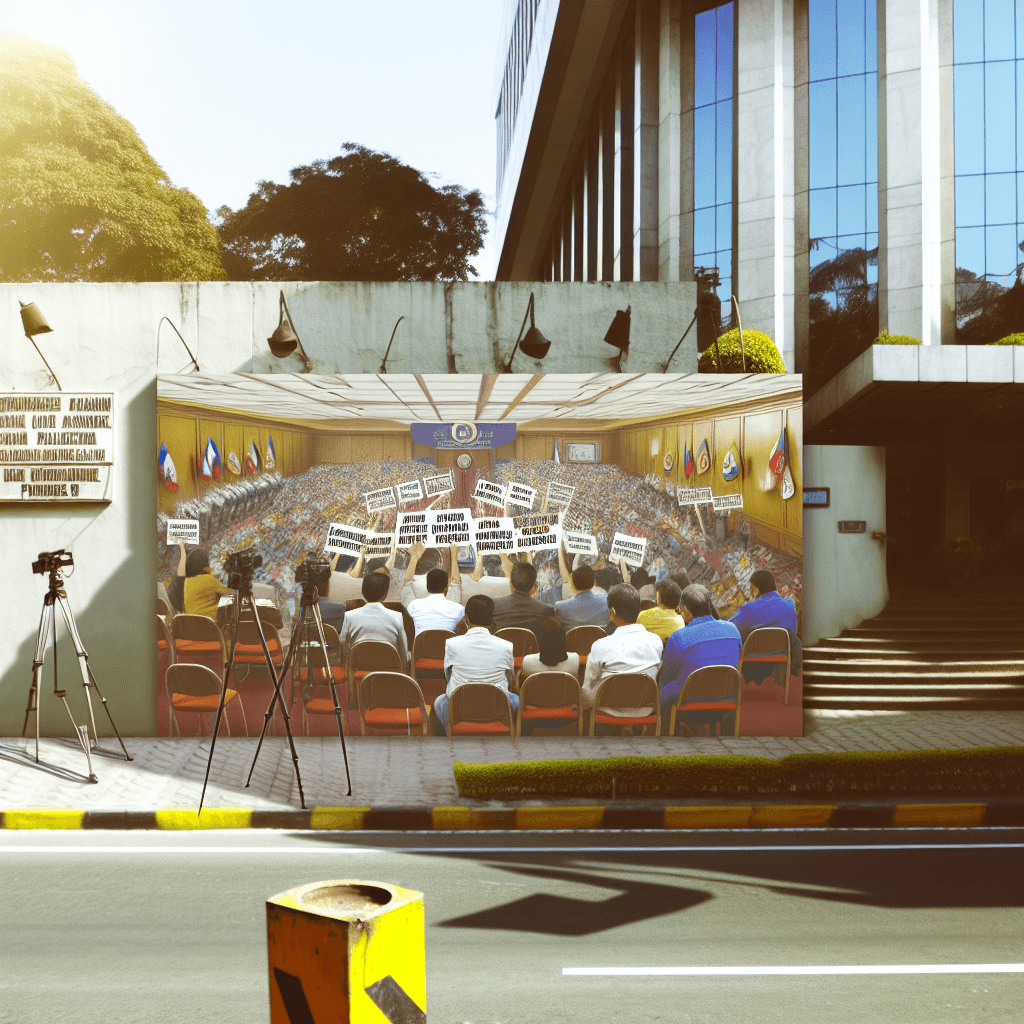
Trump's Fed Nominee Kevin Warsh Faces Tough Senate Hearing
Learn more about trump ceasefire ends wednesday: extension unlikely
The battle for control of America's monetary policy intensifies as Kevin Warsh, Trump's Federal Reserve nominee, prepares to face Senate scrutiny. This confirmation hearing represents more than a routine appointment process.
It signals a potential shift in how the world's most powerful central bank operates. The outcome could determine whether current Fed Chair Jerome Powell completes his term or faces an unprecedented early exit.
The stakes extend beyond Washington politics. Financial markets, inflation concerns, and economic stability hang in the balance as senators prepare to grill Warsh on his monetary philosophy and his relationship with the former president who nominated him.
Who Is Kevin Warsh and Why Does His Nomination Matter?
Kevin Warsh brings substantial Federal Reserve experience to this nomination battle. He served as a Fed governor from 2006 to 2011, navigating the turbulent waters of the financial crisis. His tenure during that critical period gives him insider knowledge that few nominees possess.
Warsh's background extends beyond central banking. He worked in private equity and married into the Estee Lauder family, connections that critics suggest could influence his policy decisions.
Supporters counter that his Wall Street experience provides valuable perspective on how monetary policy affects financial markets. The 54-year-old Stanford fellow has advocated for tighter monetary policy and greater Fed accountability. These positions align with Trump's criticism of Powell's interest rate decisions but raise questions about central bank independence.
What Makes This Confirmation Hearing Different?
This Senate Banking Committee hearing carries unusual weight for several reasons:
- The Powell Factor: Trump has publicly criticized current Fed Chair Jerome Powell, whose term doesn't expire until 2026
- Market Uncertainty: Financial markets fear political interference in monetary policy decisions
- Inflation Concerns: Americans still grapple with higher prices despite recent cooling
- International Implications: Global central banks watch closely as Fed independence faces scrutiny
For a deep dive on investors misreading iran war news as markets whipsaw, see our full guide
Senators from both parties have signaled tough questioning ahead. Democrats worry about protecting Fed independence from political pressure. Republicans want assurance that Warsh won't simply rubber-stamp Trump's policy preferences.
How Does Jerome Powell Complicate Warsh's Nomination?
For a deep dive on democrats gain ground in iowa governor's race 2025, see our full guide
Jerome Powell's position creates an unprecedented constitutional and practical challenge. Federal Reserve chairs serve four-year terms by statute, and Powell's term extends to 2026. Trump cannot legally remove Powell without cause, though the former president has hinted at creative workarounds.
Some legal scholars suggest Trump might try appointing Warsh to a different Fed position first, then maneuvering him into the chair role. Others believe Trump hopes Powell will resign under pressure rather than face constant public criticism.
Powell has shown no indication of stepping down voluntarily. He weathered Trump's previous attacks during his first term and maintained the Fed's traditional independence. Markets have rewarded this steadiness with relative stability despite political turbulence.
Could Trump's Fed Strategy Backfire?
The push to replace Powell carries significant risks for Trump's economic agenda. Financial markets value Fed independence and predictability. Any perception that the central bank has become politicized could trigger several negative consequences.
Investor confidence might erode if markets believe monetary policy serves political rather than economic objectives. Bond yields could spike as creditors demand higher returns to compensate for increased uncertainty.
The dollar's status as the world's reserve currency depends partly on trust in American institutions. Bloomberg analysis suggests Trump's aggressive approach might paradoxically strengthen Powell's position. Public support for Fed independence has grown, and forcing Powell out could generate bipartisan backlash that complicates Trump's broader agenda.
What Key Issues Will Senators Probe During the Hearing?
The confirmation hearing will focus on several critical areas that reveal Warsh's fitness for the role.
How Does Warsh View Fed Independence?
Senators will press Warsh on how he would handle presidential pressure regarding interest rate decisions. His previous writings suggest support for greater political accountability at the Fed, but he must clarify whether accountability means subordination to White House preferences.
Democratic senators particularly want assurance that Warsh would resist inappropriate political interference. His answers could determine whether any Democrats cross party lines to support his nomination.
What Is Warsh's Inflation and Interest Rate Philosophy?
Warsh's monetary policy views lean hawkish, favoring higher interest rates to combat inflation. He criticized the Fed's aggressive pandemic-era stimulus and warned about inflation before it materialized.
This prescience strengthens his credibility but raises questions about his approach to current economic conditions. The economy shows mixed signals. Inflation has cooled significantly from its 2022 peak, but prices remain elevated compared to pre-pandemic levels.
Unemployment stays low, yet consumer confidence wavers. Warsh must articulate how he would balance these competing concerns.
Do Warsh's Wall Street Connections Create Conflicts?
Warsh's extensive financial industry ties will draw scrutiny. Senators will question whether his background creates conflicts of interest when regulating banks or making policy decisions that affect financial markets.
His supporters argue that understanding Wall Street helps the Fed anticipate market reactions to policy changes. Critics counter that someone so embedded in finance cannot objectively regulate it or prioritize Main Street over Wall Street interests.
What Happens Next in the Confirmation Process?
The Senate Banking Committee hearing represents just the first major hurdle. After testimony and questioning, the committee votes on whether to advance the nomination to the full Senate.
A simple majority of the 100-member Senate is required for confirmation. Republicans currently hold a narrow Senate majority, giving them mathematical ability to confirm Warsh without Democratic support. However, several Republican senators have expressed concerns about protecting Fed independence, making the vote count uncertain.
The timeline remains fluid. Confirmations can take weeks or months depending on political dynamics and whether senators demand additional information or hearings. Financial markets will watch closely for signals about the nomination's prospects.
What Political Calculations Face Both Parties?
Democrats face a strategic dilemma. Opposing Warsh too aggressively might appear partisan, but rubber-stamping a nominee who could undermine Fed independence carries its own risks. Some moderate Democrats might support Warsh if he provides strong assurances about independence.
Republicans must balance loyalty to Trump against institutional concerns. Several Republican senators served during previous Fed controversies and remember the economic costs of political interference in monetary policy.
Their votes could prove decisive. The confirmation battle tests whether institutional norms or partisan loyalty prevails in this critical appointment.
What Are the Broader Implications for Economic Policy?
This nomination battle extends beyond personalities to fundamental questions about economic governance. The Federal Reserve's independence has underpinned American economic stability for decades.
Markets trust that Fed decisions reflect economic analysis rather than political expediency. Erosion of this trust could have lasting consequences. Other countries might question dollar-denominated assets if they believe American monetary policy serves partisan purposes.
Inflation expectations could become unanchored if markets lose confidence in the Fed's commitment to price stability. Conversely, some economists argue the Fed has grown too insulated from democratic accountability. They contend that unelected officials wield enormous power over ordinary Americans' economic lives without sufficient oversight.
This debate will feature prominently in Warsh's hearing. The outcome shapes not just who leads the Fed, but how the institution functions in an increasingly polarized political environment.
Why Does This Confirmation Hearing Matter to You?
Kevin Warsh's confirmation hearing represents a critical juncture for the Federal Reserve and American economic policy. The proceedings will reveal whether Trump can reshape monetary policy to align with his economic vision or whether institutional resistance will preserve traditional Fed independence.
Senators face the responsibility of thoroughly vetting Warsh's qualifications while considering broader implications for economic stability. Their questions and his answers will signal how America's central bank evolves in an era of heightened political polarization.
The outcome affects everyone. Interest rates, inflation, employment, and economic growth all depend partly on who leads the Federal Reserve and how much independence that person maintains.
Continue learning: Next, explore trump insider trading suspicions: what you need to know
As Warsh prepares to face the Senate Banking Committee, Americans should pay attention to this consequential debate about their economic future. The decisions made in this hearing room will ripple through the economy for years to come.
Related Articles
Federal Judge Halts Trump's Move to Fire Fed's Lisa Cook
A federal judge has stopped Trump from firing Fed Governor Lisa Cook for now, in a pivotal moment for U.S. governance and legal oversight.
Sep 10, 2025

Trump's Final Ultimatum to Hamas: Accept Hostage Deal
Trump has issued a 'last warning' to Hamas to accept a hostage deal, stating that Israel is on board. This could be a significant turn in Middle East relations.
Sep 7, 2025
Lisa Cook Bank Docs Contradict Mortgage Fraud Allegations
Lisa Cook's bank documents challenge mortgage fraud allegations, revealing crucial insights that could reshape the political narrative. Explore the implications.
Sep 13, 2025