Trump Security Tightened After Pennsylvania Attempt
House Republican Rep. Ryan Zinke reveals how Trump's security has dramatically improved since the July 2024 Pennsylvania assassination attempt, with enhanced protocols now in place.
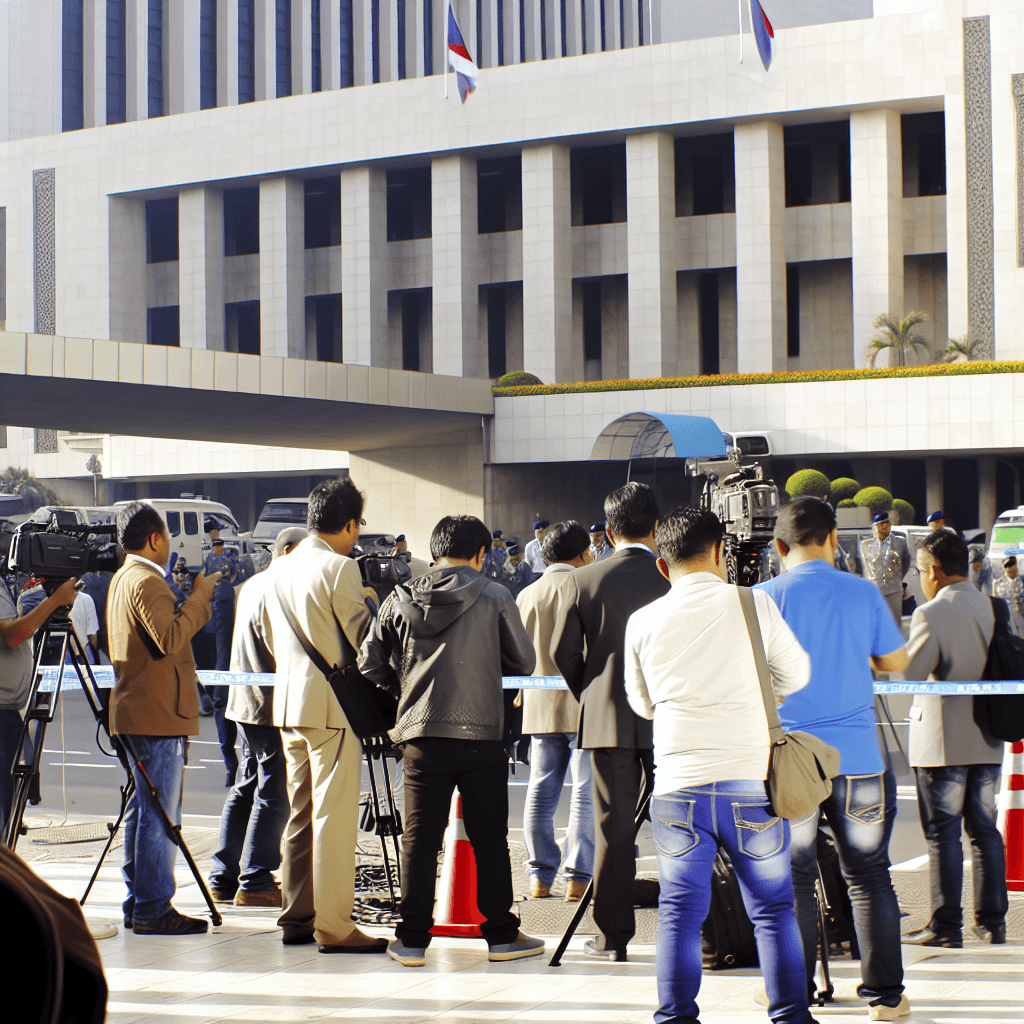
Trump Security Enhancements: How Protection Has Changed After Assassination Attempts
Learn more about trump evacuated: dc dinner shooting motive under review
The safety of President Donald Trump remains at the forefront of national security discussions following multiple threats to his life. Rep. Ryan Zinke's recent statements highlight how protective measures have evolved since the July 2024 Pennsylvania assassination attempt, especially after gunfire erupted at Saturday's White House Correspondents' Association dinner.
Security around Trump has "tightened" significantly, according to House Republicans who monitor presidential protection protocols closely. These developments underscore the unprecedented security challenges facing a former president who continues to dominate the political landscape.
The escalation of protective measures reflects both the persistent threats and the Secret Service's commitment to preventing another tragedy.
How Has Trump Security Changed Since Pennsylvania?
Rep. Ryan Zinke (R-Mont.) provided crucial insights into the upgraded security protocols surrounding President Trump during his Sunday interview. The Montana congressman emphasized that protective measures have substantially improved since the Pennsylvania incident.
"The policy is when the president is shot at or in threat, you get him down, you cover him, and you move him to safety," Zinke explained. This protocol represents the fundamental approach Secret Service agents follow during active threats.
The Pennsylvania assassination attempt in July 2024 served as a watershed moment for presidential security. Following that incident, security teams implemented several critical changes:
- Enhanced perimeter security at all Trump appearances
- Increased agent-to-protectee ratios during public events
- Advanced threat detection technology deployment
- Improved coordination between local and federal law enforcement
- Stricter venue screening procedures before presidential visits
What Happened at the White House Correspondents' Dinner?
Saturday's White House Correspondents' Association dinner became another flashpoint for security concerns when a gunman exchanged shots with law enforcement. The incident occurred while Washington's political elite gathered for the annual event.
For a deep dive on trump praises journalist after shooting at media dinner, see our full guide
Law enforcement responded swiftly to neutralize the threat. The quick action prevented what could have been a catastrophic situation at one of Washington's most high-profile events.
Trump was not present at the dinner. However, the incident highlighted the ongoing security challenges facing political figures in today's volatile environment. The proximity of such violence to major political gatherings reinforces why enhanced protective measures remain necessary.
For a deep dive on trump's whca dinner: night of tears and terror revealed, see our full guide
What Secret Service Protocol Changes Protect Trump Now?
The Secret Service has fundamentally revised its approach to protecting President Trump following the Pennsylvania attempt. These changes reflect lessons learned from that near-fatal incident.
Agent positioning now prioritizes immediate physical coverage over visual surveillance. This tactical shift means agents stay closer to Trump during public appearances, ready to create human shields within milliseconds of detecting threats.
Advance teams now spend additional days surveying venues before Trump arrives. They map escape routes, identify potential sniper positions, and coordinate with local SWAT teams to establish overlapping security zones. Technology integration has accelerated dramatically.
Drone detection systems, advanced metal detectors, and AI-powered crowd scanning tools now supplement traditional security measures at Trump events.
How Does Heightened Security Affect Trump's Political Activities?
The increased security around Trump carries significant political ramifications beyond immediate safety concerns. These measures affect how he campaigns, interacts with supporters, and maintains his public presence.
Rallies and public events now require more extensive planning and resources. Venues must meet stricter security standards, which limits location options and increases costs for event organizers. The visible security presence also sends a powerful message to Trump's base.
Supporters view the enhanced protection as validation of the threats their candidate faces, potentially strengthening their resolve and commitment.
What Campaign Changes Has Enhanced Security Required?
Trump's campaign strategy has adapted to accommodate the new security realities. Spontaneous appearances and impromptu rallies have become less frequent as advance planning requirements expand.
The campaign now works more closely with Secret Service to balance security needs with political objectives. This collaboration ensures Trump can still connect with voters while maintaining appropriate protective measures.
Fundraising events face particular scrutiny. Intimate gatherings with wealthy donors present unique security challenges. Vetting procedures for attendees have become more rigorous, sometimes creating friction with major contributors accustomed to easier access.
How Does Congress Oversee Trump Security Funding?
House Republicans like Zinke have taken active roles in ensuring adequate resources flow to presidential protection services. Congressional oversight committees regularly review Secret Service budgets and operational effectiveness.
Funding requests for enhanced security technology and additional personnel have received bipartisan support. Lawmakers recognize that protecting former presidents, especially those remaining politically active, serves national interests beyond partisan considerations.
The Pennsylvania incident prompted immediate congressional hearings examining security failures. These investigations led to specific recommendations that Secret Service leadership has implemented in subsequent months.
What Broader Threats Face Political Figures Today?
The threats against Trump exist within a larger pattern of increasing violence targeting political figures. This trend concerns security professionals across the political spectrum.
Statistics show a troubling rise in threats against public officials over the past decade. The Secret Service investigates thousands of potential threats annually, with numbers climbing steadily since 2016. Social media has amplified both threat detection and threat proliferation.
Platforms help identify potential dangers. However, they also provide venues for radicalization and coordination among extremists.
How Does Trump Security Compare to Other Former Presidents?
Trump's current security level exceeds typical protection afforded to former presidents. The persistent threats and his continued political prominence justify this enhanced coverage.
Former Presidents Obama, Bush, and Clinton receive lifetime Secret Service protection, but their security footprints remain smaller than Trump's current detail. Their lower public profiles and reduced political activities require less intensive protection.
The cost of protecting Trump runs significantly higher than average former president security expenses. Estimates suggest his protection costs taxpayers tens of millions annually, though exact figures remain classified.
What Additional Security Measures Do Experts Recommend?
Security professionals emphasize that current measures, while improved, must continue evolving. Threat actors adapt their tactics, requiring constant vigilance and innovation from protective services.
Experts recommend several additional enhancements:
- Expanded intelligence sharing between federal and state agencies
- Improved social media monitoring using advanced analytics
- Enhanced training for local law enforcement supporting Secret Service operations
- Greater investment in counter-drone technology
- Development of rapid response protocols for evolving threat scenarios
What Security Challenges Will Trump Face Going Forward?
As Trump's political career continues, security challenges will likely intensify rather than diminish. His potential 2024 campaign and beyond will require sustained vigilance from protective services.
The Secret Service faces the difficult task of balancing security with Trump's desire for direct voter engagement. This tension between safety and political effectiveness will define protection strategies moving forward. Technological advances offer both opportunities and challenges.
New tools enhance threat detection. However, they also provide adversaries with sophisticated attack methods requiring constant countermeasure development.
Zinke's comments reflect broader Republican concerns about ensuring Trump's safety while he remains politically active. The party recognizes that his security directly impacts their electoral prospects and political messaging.
Continue learning: Next, explore trump releases photo, video of suspected whcd shooter
The Pennsylvania assassination attempt fundamentally changed how security professionals approach Trump's protection. The improvements Zinke described represent significant progress, though threats persist and evolve constantly. Saturday's White House Correspondents' dinner incident demonstrated that political violence remains an urgent concern requiring unwavering attention from law enforcement and security services nationwide.
Related Articles

Lisa Cook Bank Docs Contradict Mortgage Fraud Allegations
Lisa Cook's bank documents challenge mortgage fraud allegations, revealing crucial insights that could reshape the political narrative. Explore the implications.
Sep 13, 2025

Federal Judge Halts Trump's Move to Fire Fed's Lisa Cook
A federal judge has stopped Trump from firing Fed Governor Lisa Cook for now, in a pivotal moment for U.S. governance and legal oversight.
Sep 10, 2025

Trump's Final Ultimatum to Hamas: Accept Hostage Deal
Trump has issued a 'last warning' to Hamas to accept a hostage deal, stating that Israel is on board. This could be a significant turn in Middle East relations.
Sep 7, 2025
Comments
Loading comments...