Webb Telescope Spots Impossible Atmosphere on Super Earth
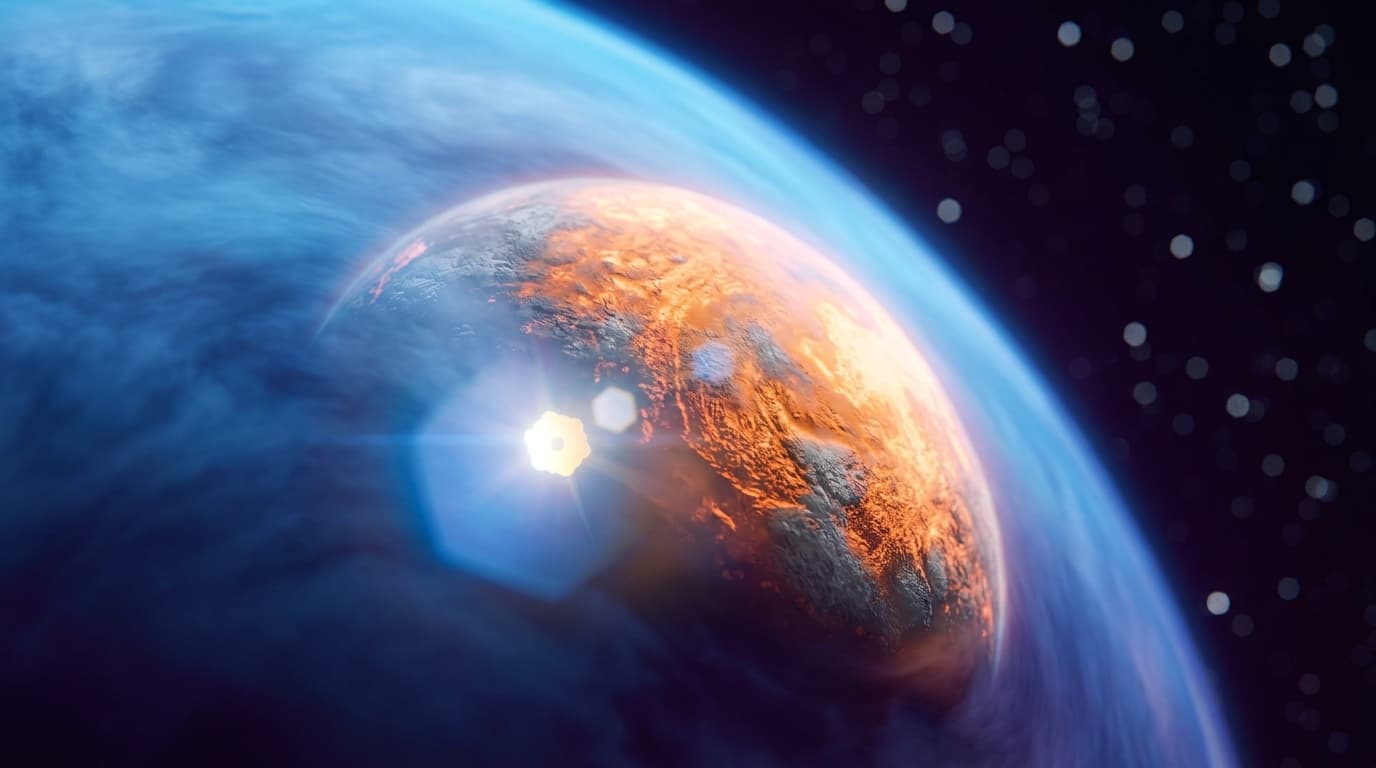
NASA's Webb telescope detected an "impossible" atmosphere on TOI-561 b, a scorching super-Earth with a magma ocean that completes an orbit in just 10 hours.

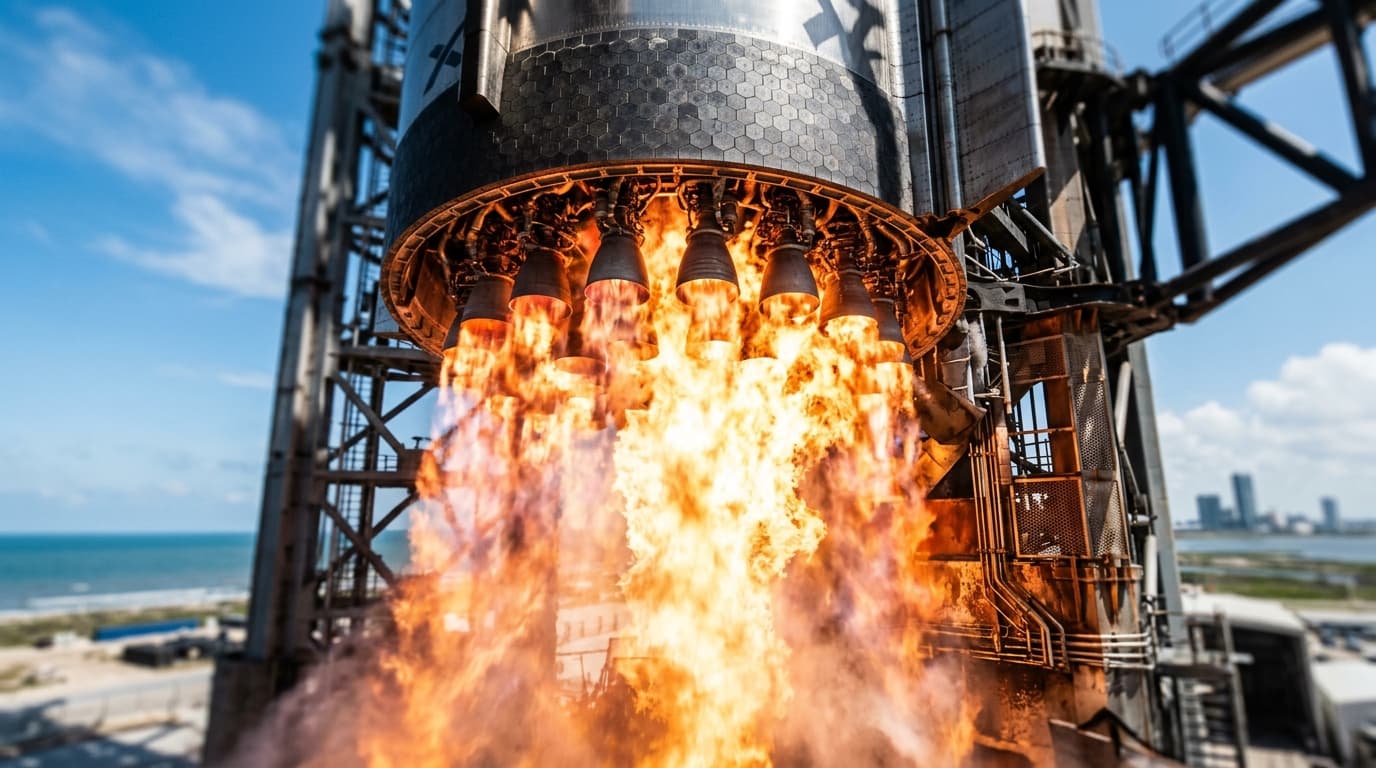
SpaceX just fired up its most powerful rocket ever. The V3 Starship completed its first static fire test on March 16, 2026, marking a critical milestone before its April debut launch.

Rod Pyle and Tariq Malik welcome Jay Gallentine to discuss John Casani, the JPL visionary behind Voyager, Galileo, and Cassini missions that transformed our understanding of the cosmos.

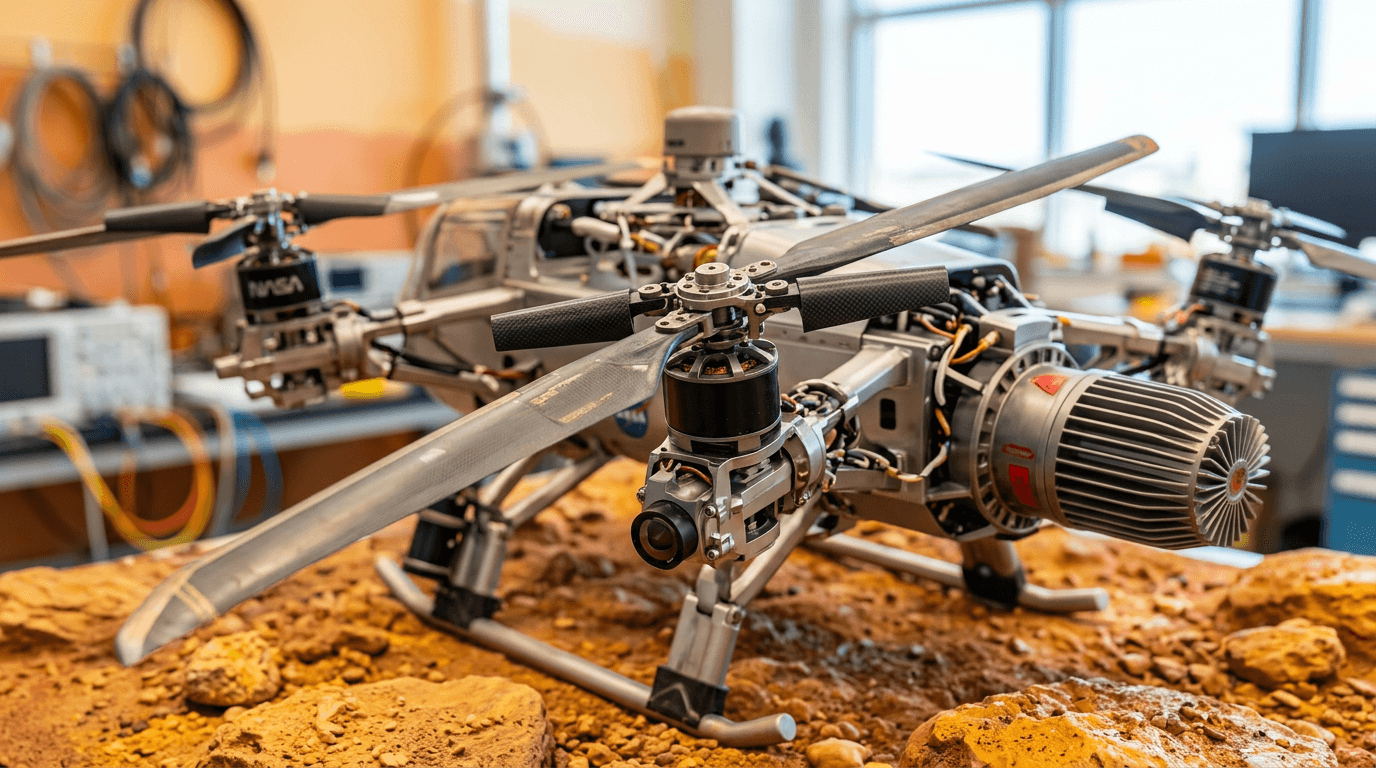
NASA enters construction phase for Dragonfly, a revolutionary nuclear-powered rotorcraft that will fly through Titan's atmosphere in 2034, searching for the chemical origins of life.
Supercomputers are unraveling the secrets of Enceladus's plumes, revealing new insights into the moon's subsurface conditions and implications for future exploration.

Comet 3I/ATLAS lights up Mars' sky, revealing insights into interstellar visitors. Explore its significance and what it means for future missions.

New research reveals Martian dust devils can reach speeds of 160 km/h, reshaping our understanding of the planet's climate and weather patterns.

Hubble captures a stunning image of NGC 6000, a spiral galaxy glowing in blue and gold, showcasing the beauty of stellar evolution and cosmic events.

ESA's new 35-meter super antenna in Australia enhances communication with distant spacecraft, supporting major missions like Juice and BepiColombo.

Explore how a cosmic collision turned Earth into a blue planet, shaping our understanding of life and the technology that drives exploration.

Manganese diboride, a new rocket fuel compound, offers 150% more energy density, revolutionizing propulsion and holding potential for diverse applications.

NASA's VIPER lunar rover mission is back on track with Blue Origin's lander, promising groundbreaking discoveries and business opportunities in space.