ICE to Remain at Airports: Trump Border Czar's Latest Move
Trump's border czar has announced that ICE agents will continue operations at airports nationwide. This decision marks a significant shift in immigration enforcement strategy.
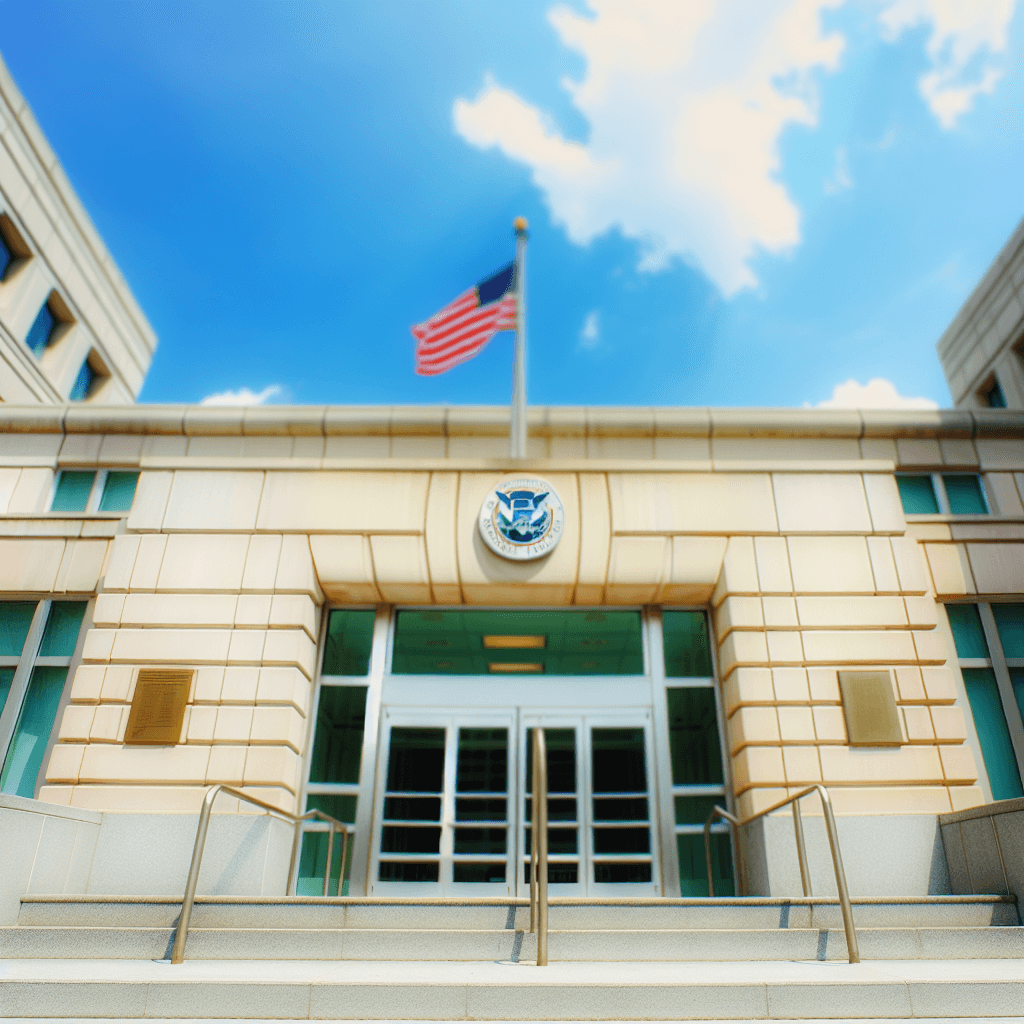
Trump Administration Deploys Permanent ICE Presence at U.S. Airports
Learn more about russia sends oil to cuba after trump softens blockade
The Trump administration has announced a major shift in immigration enforcement. Immigration and Customs Enforcement (ICE) agents will now maintain a permanent presence at airports across the United States. This policy change, confirmed by Trump's border czar, marks an aggressive expansion of interior enforcement operations affecting millions of travelers.
Will ICE Agents Remain at Airports Permanently?
Tom Homan, Trump's border czar, confirmed that ICE agents will conduct airport operations indefinitely. The announcement has drawn scrutiny from civil rights advocates concerned about the administration's immigration enforcement tactics.
This decision fundamentally changes how immigration enforcement intersects with everyday travel. ICE operations at airports were previously sporadic and targeted. The new approach makes enforcement systematic and ongoing.
Homan defended the policy by citing national security priorities. He emphasized the need to identify individuals with outstanding deportation orders. Airports serve as critical checkpoints where immigration violations can be detected efficiently.
What Does Permanent ICE Presence at Airports Mean for Travelers?
The expanded ICE operations involve several key components. Agents will conduct identity verification checks, review travel documents, and cross-reference passenger information against immigration databases.
ICE personnel will work alongside Transportation Security Administration (TSA) staff. TSA focuses on security screening. ICE agents specifically target immigration violations and individuals subject to removal proceedings.
Key aspects of airport operations include:
- Enhanced document verification at departure and arrival gates
- Coordination with airline personnel to identify flagged passengers
- Real-time database checks against immigration violation records
- Detention authority for individuals with active deportation orders
- Collaboration with Customs and Border Protection (CBP) at international terminals
What Legal Authority Supports Airport Immigration Enforcement?
For a deep dive on iran threatens us and israeli officials in middle east, see our full guide
The Trump administration bases its airport enforcement strategy on existing immigration statutes. Federal law grants ICE broad authority to conduct operations within the United States. Immigration agents can operate anywhere within 100 miles of the border, which includes most major airports.
Legal experts debate the extent of ICE's authority in these settings. Some argue that airport operations fall within constitutional bounds. Others contend that certain tactics may violate Fourth Amendment protections against unreasonable searches.
For a deep dive on burchett calls for new senate leadership after dhs vote, see our full guide
The administration maintains these operations are legally sound and necessary for public safety. They cite precedents from previous administrations. Critics note the scale and permanence differ significantly from past enforcement efforts.
How Does ICE Airport Presence Impact Travelers and Airlines?
The permanent ICE presence has created ripple effects throughout the aviation industry. Airlines now face additional coordination requirements and potential delays. Immigration checks add time to boarding processes.
Domestic travelers, particularly those without traditional identification, may encounter unexpected complications. U.S. citizens cannot be detained for immigration violations. However, the verification process itself can cause delays and anxiety.
International travelers face heightened scrutiny upon arrival. Those with valid visas may still undergo secondary screening if ICE identifies concerns in their travel history or documentation.
How Are Airlines Responding to ICE Operations?
Major carriers have begun adjusting their procedures to accommodate increased ICE presence. Some airlines have extended recommended arrival times. Others have modified boarding protocols to account for potential immigration checks.
Industry representatives have expressed concerns about operational impact. Flight delays attributable to immigration enforcement could affect on-time performance metrics and customer satisfaction ratings.
Several airlines have enhanced staff training to handle situations where ICE agents detain or question passengers. This includes protocols for rebooking affected passengers and managing gate delays.
Who Faces the Highest Risk from Airport ICE Operations?
Undocumented immigrants traveling domestically face the highest risk under the new enforcement regime. Routine travel for work or family visits now carries significant detention and deportation risks.
Individuals with pending immigration cases or those who have overstayed visas are primary targets. ICE databases flag these travelers automatically when they check in for flights or pass through security.
Legal permanent residents with certain criminal convictions may face questioning. Their status generally protects them from removal. The encounter itself can be stressful and time-consuming.
What Are Politicians and the Public Saying About Airport ICE Presence?
The announcement has sparked intense political debate along partisan lines. Republican lawmakers have praised the move as necessary for enforcing immigration laws and protecting national security.
Democratic legislators and immigration advocates have condemned the policy as overreach. They argue that permanent airport operations represent an inefficient use of resources better deployed at actual borders.
Public opinion remains divided. Polling suggests Americans are split on whether enhanced airport enforcement makes them feel safer or represents government overreach.
How Are Civil Rights Organizations Responding?
Advocacy groups including the American Civil Liberties Union plan to monitor airport operations closely. They have established hotlines for travelers who believe ICE agents violated their rights.
Several organizations have filed Freedom of Information Act requests seeking details about airport enforcement operations. Legal challenges to specific aspects of the policy are expected.
Immigrant rights groups have launched public education campaigns. These efforts inform travelers about their rights when encountering ICE agents. Individuals can decline to answer questions beyond basic identity verification.
How Does Current Airport Enforcement Compare to Past Policies?
ICE operations at transportation hubs are not entirely new. The scale and permanence mark a significant escalation. Previous administrations conducted targeted operations but avoided systematic, ongoing presence.
The Obama administration focused ICE efforts primarily on individuals with serious criminal convictions. The Trump administration has expanded priorities to include anyone present illegally, regardless of criminal history.
This shift reflects broader changes in immigration enforcement philosophy. The current approach emphasizes maximum deterrence through visible, widespread enforcement rather than targeted operations.
What Changed Between Previous and Current Airport Policies?
Under previous policies, ICE typically conducted airport operations in response to specific intelligence. The current approach makes airport presence routine rather than exceptional.
The difference extends to who gets targeted. Earlier policies created priority categories, with serious criminals at the top. Current enforcement treats all immigration violations with similar urgency.
Resource allocation has shifted dramatically. ICE has redirected significant personnel to airport operations, drawing from other enforcement areas.
What Should Travelers Know About Their Rights?
Anyone planning to fly should understand their rights and the current enforcement environment. U.S. citizens cannot be detained for immigration violations. They may be asked to verify citizenship.
Non-citizens should carry immigration documents at all times when traveling. Valid visas, green cards, or work permits should be readily accessible, not packed in checked luggage.
Travelers approached by ICE agents have the right to remain silent beyond providing basic identification. They can request to speak with an attorney before answering substantive questions about immigration status.
What Are the Best Practices for Air Travel Under ICE Operations?
- Arrive at airports earlier than usual to account for potential delays
- Keep all immigration documents in carry-on bags
- Know the contact information for immigration attorneys
- Understand that ICE agents can operate anywhere in the airport
- Be aware that refusing to cooperate may result in missed flights
What Does Permanent Airport ICE Presence Mean for the Future?
The decision to maintain permanent ICE presence at airports represents a major escalation in immigration enforcement. Tom Homan's announcement signals that airport operations will continue indefinitely, affecting millions of travelers.
This policy shift has far-reaching implications for civil liberties, airline operations, and immigrant communities. Supporters argue it enhances security and enforces existing laws. Critics contend it creates fear and represents resource misallocation.
Continue learning: Next, explore yemen houthis strike israel: business impact analysis
Travelers should stay informed about their rights and prepare for potential encounters with immigration agents. Legal challenges and political debates will continue. The airport enforcement landscape will likely remain contentious and subject to change.
Related Articles

Lisa Cook Bank Docs Contradict Mortgage Fraud Allegations
Lisa Cook's bank documents challenge mortgage fraud allegations, revealing crucial insights that could reshape the political narrative. Explore the implications.
Sep 13, 2025
Federal Judge Halts Trump's Move to Fire Fed's Lisa Cook
A federal judge has stopped Trump from firing Fed Governor Lisa Cook for now, in a pivotal moment for U.S. governance and legal oversight.
Sep 10, 2025

Trump's Final Ultimatum to Hamas: Accept Hostage Deal
Trump has issued a 'last warning' to Hamas to accept a hostage deal, stating that Israel is on board. This could be a significant turn in Middle East relations.
Sep 7, 2025