Hidden Chemical Risks in Waste-to-Energy Residues Revealed
New research exposes potentially hazardous chemical residues in waste-to-energy byproducts, challenging the safety narrative around UK incinerators and demanding better oversight.

The Hidden Hazards of UK Waste Incineration: What You Need to Know
Learn more about google's personal intelligence now free for gemini users
Every year, millions of tonnes of household rubbish disappear into energy-from-waste facilities across the UK. These incinerators promise a cleaner alternative to landfill, converting trash into electricity while reducing waste volume. But groundbreaking research from the University of East London reveals a troubling blind spot in this system.
The largest UK study of its kind exposes potentially hazardous chemical residues lurking in waste incineration byproducts. These findings challenge the narrative that energy-from-waste facilities offer a completely safe solution to our mounting rubbish problem.
What Are Air Pollution Control Residues?
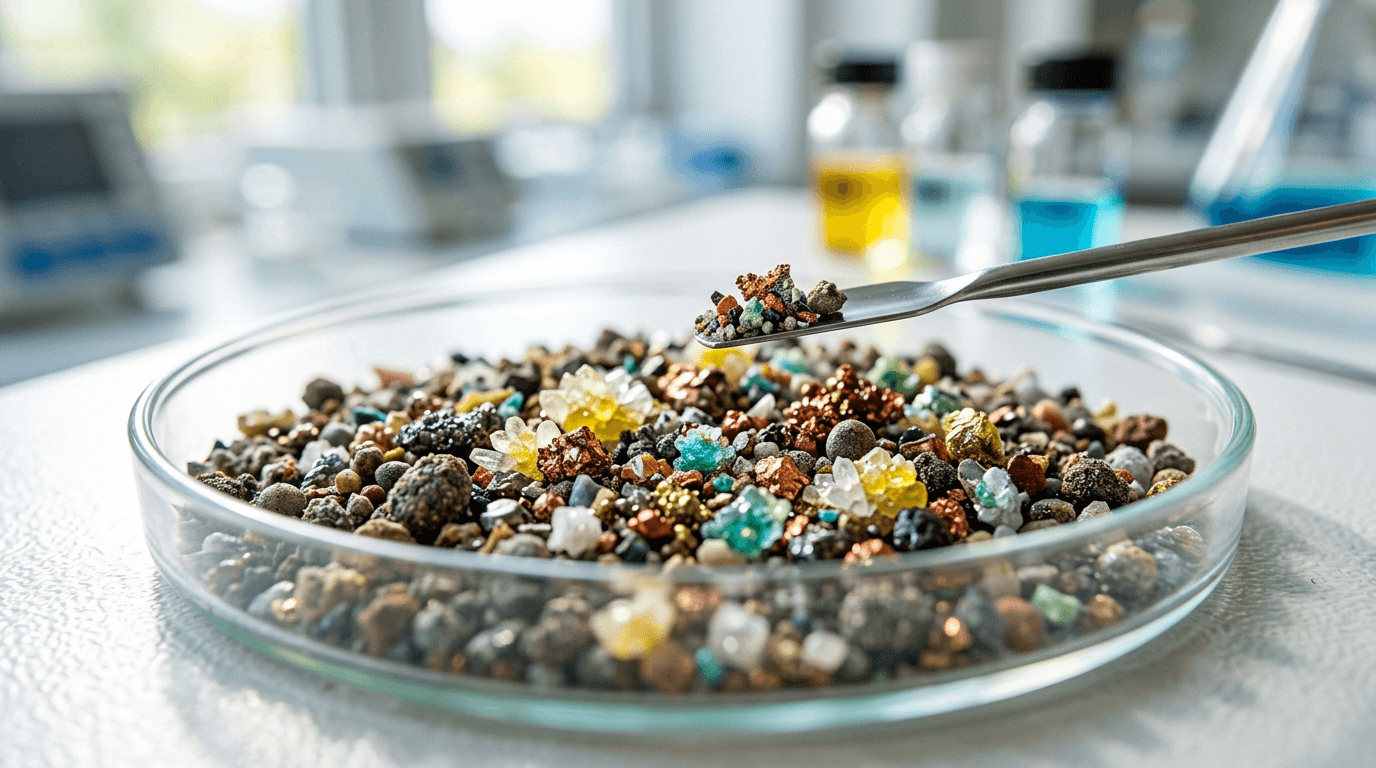
Air pollution control residues, known as APCr, form when incinerators capture harmful pollutants from flue gases. This fine, highly alkaline powder contains concentrated toxins that would otherwise escape into the atmosphere. The capture system protects air quality but creates a different problem altogether.
The residues contain heavy metals, dioxins, and other persistent organic pollutants. These substances accumulate during incineration, becoming far more concentrated than in the original waste stream. The University of East London study examined these residues in unprecedented detail, analyzing samples from multiple facilities across the country.
What Chemicals Lurk in APCr?
Researchers discovered a complex mixture of hazardous substances within the residues. Lead, cadmium, mercury, and zinc appeared in concentrations that exceed safety thresholds for standard waste disposal. The alkaline nature of APCr, with pH levels often above 12, adds another layer of risk.
This extreme alkalinity causes chemical burns on contact. It poses serious environmental threats if the material enters water systems. The combination of toxicity and alkalinity makes APCr one of the most challenging waste byproducts to manage safely.
How Much APCr Does the UK Produce?
For a deep dive on xln audio, sonarworks, cherry audio: 3 studio deals, see our full guide
The scale of APCr production in the UK remains surprisingly obscure to the public. Energy-from-waste facilities generate approximately 200,000 tonnes of these residues annually. This figure continues to climb as more incinerators come online to meet waste management targets.
Each tonne of municipal waste incinerated produces roughly 30-40 kilograms of APCr. With the UK operating over 50 energy-from-waste plants, the cumulative impact becomes substantial. The UEL study emphasizes that current disposal methods may not adequately address the long-term risks these volumes present.
For a deep dive on kagi translate adds linkedin speak output language, see our full guide
Are Current Disposal Methods Safe?
Most APCr currently travels to specialized hazardous waste landfills or undergoes stabilization treatment before disposal. Some facilities export residues to Germany and Scandinavia, where advanced treatment options exist. However, the research team questions whether these approaches truly neutralize the chemical threats.
Stabilization processes typically mix APCr with cement or other binding agents. This method immobilizes heavy metals temporarily, but degradation over decades could release toxins back into the environment. The study calls for more rigorous long-term monitoring of disposal sites.
What Did the UEL Study Discover?
The University of East London research team conducted the most comprehensive analysis of waste-to-energy residues ever undertaken in Britain. They collected samples from 15 different facilities, representing various incinerator technologies and waste inputs. The findings revealed concerning patterns across all sample sites.
Key discoveries from the study include:
- Heavy metal concentrations exceeded EU hazardous waste thresholds in 87% of samples
- Dioxin levels varied significantly between facilities, suggesting inconsistent pollution control
- Novel contaminants not previously monitored appeared in multiple samples
- Leaching tests showed potential for groundwater contamination under certain conditions
- Microplastic particles were present in unexpected quantities
These results suggest that current regulatory frameworks may not fully capture the risks associated with APCr disposal. The researchers advocate for enhanced testing protocols and stricter classification standards.
Why Have These Risks Remained Hidden?
The waste-to-energy industry operates under regulations designed decades ago, before the current generation of facilities existed. Testing requirements focus on a limited range of known contaminants, potentially missing emerging chemical threats. The UEL team argues that monitoring has not kept pace with technological changes in incineration.
Public reporting requirements remain minimal. Detailed chemical analyses rarely enter the public domain. This opacity prevents communities near disposal sites from understanding potential exposure risks.
What Are the Environmental and Health Risks?
The concentrated toxins in air pollution control residues pose multiple pathways for environmental contamination. Improper handling during transport or storage could expose workers to hazardous materials. Leaching from disposal sites threatens groundwater quality, particularly in areas with high rainfall.
Persistent organic pollutants accumulate in food chains. They potentially reach human populations through contaminated fish, livestock, or crops. The alkaline nature of APCr can devastate soil ecosystems if released, killing beneficial microorganisms and altering pH balances for years.
Do Monitoring Programs Go Far Enough?
Current regulations require monitoring of disposal sites for limited periods, often just 30 years after closure. Many toxic substances in APCr remain hazardous for centuries. The research team identified this temporal mismatch as a critical oversight in waste management policy.
Climate change adds another variable. Extreme weather events could compromise containment systems sooner than anticipated. Flooding, erosion, and temperature fluctuations may accelerate the breakdown of stabilization materials, releasing toxins prematurely.
What Solutions Do Researchers Propose?
The UEL study offers several recommendations for addressing the hidden risks in waste-to-energy residues. Enhanced chemical screening should include a broader range of contaminants, updated regularly as new substances emerge. Facilities must adopt more rigorous quality control measures to minimize residue toxicity at the source.
Advanced treatment technologies show promise for reducing hazards:
- Thermal treatment at extreme temperatures destroys organic pollutants
- Chemical extraction processes remove heavy metals for potential recycling
- Vitrification transforms residues into stable glass-like materials
- Plasma gasification breaks down complex molecules into basic elements
These approaches require significant investment but could eliminate long-term disposal risks. The researchers suggest that incineration operators should bear responsibility for funding advanced treatment, incorporating these costs into waste processing fees.
Can Circular Economy Principles Help?
Reducing waste generation remains the most effective strategy for minimizing APCr production. The study advocates for stronger recycling initiatives and extended producer responsibility schemes. By keeping materials in use longer, society reduces the volume requiring incineration.
Designing products for easier disassembly and recycling could decrease the toxic content of waste streams. This upstream approach would lower contaminant concentrations in APCr. It makes residues less hazardous and easier to manage safely.
Will Regulations Change?
The findings from this landmark study arrive as the UK government reviews waste management policies. Environmental agencies face pressure to strengthen oversight of energy-from-waste facilities and their byproducts. Industry representatives argue that additional regulations could increase costs and slow waste processing capacity.
Public health advocates emphasize that hidden environmental costs ultimately burden society more than upfront investments in safer practices. The debate continues as stakeholders seek balance between waste management efficiency and environmental protection.
Rethinking Waste-to-Energy Solutions
The University of East London study reveals that energy-from-waste facilities carry hidden environmental costs that deserve greater scrutiny. Air pollution control residues contain concentrated hazards requiring sophisticated management strategies beyond current practices. While these facilities serve important functions in waste reduction, society must acknowledge and address the chemical legacy they create.
Continue learning: Next, explore z.ai's glm-5 turbo: faster ai agents at lower cost
Transparency, enhanced monitoring, and investment in advanced treatment technologies offer pathways toward safer residue management. Reducing waste at the source through circular economy principles provides the most sustainable solution. This research challenges us to look beyond convenient narratives and confront the full environmental impact of our waste management choices.
Related Articles

Tech's Role in Florida's Vaccine Mandate Debate
Florida's move to eliminate vaccine mandates underscores the critical role of tech in public health. Discover the intersection of innovation and policy.
Sep 4, 2025

Mars Colony Milestone: First Successful Human Landing
The first astronauts have successfully landed on Mars, marking a new chapter in human history and space exploration. Discover the science behind the mission.
Sep 6, 2025

Unpacking The Bitter Lesson in AI Evolution
Delving into the Bitter Lesson in AI: Unraveling its true meaning and impact on future technological innovations and trends.
Sep 4, 2025
Comments
Loading comments...