Half Of Women Get Hypertension After Menopause: Why
Menopause triggers hypertension in nearly half of all women due to hormonal changes. Discover the hidden connection between estrogen loss and rising blood pressure, plus actionable steps to protect your cardiovascular health.

Why Does Menopause Trigger High Blood Pressure in Nearly Half of All Women?
Learn more about fatty liver treatment may raise cancer risk, study warns
Blood pressure readings that sailed through routine checkups for decades can suddenly spike in your 50s. For nearly half of all women, menopause marks the beginning of a battle with hypertension that catches many by surprise. This is not coincidence, and it is not just about aging.
A hidden hormonal shift during menopause fundamentally changes how your body regulates blood pressure. Understanding this connection can help you take control of your cardiovascular health during this critical transition.
What Connects Menopause and High Blood Pressure?
Menopause brings more than hot flashes and mood changes. Your body undergoes a profound hormonal transformation that directly impacts your cardiovascular system.
Research shows that 47% of women develop hypertension within the first few years after menopause. This rate significantly exceeds that of men in the same age group. The culprit? Estrogen, or rather, the lack of it.
How Does Estrogen Protect Your Blood Vessels?
Estrogen acts as a natural shield for your cardiovascular system throughout your reproductive years. It helps blood vessels stay flexible and dilated, which keeps blood pressure in check. The hormone also influences how your kidneys handle sodium and how your body responds to stress hormones.
When estrogen levels plummet during menopause, these protective effects vanish. Your blood vessels become stiffer, less responsive, and more prone to constriction. This creates the perfect storm for rising blood pressure.
What Role Does Aldosterone Play in Blood Pressure?
Recent research has uncovered another piece of the puzzle: aldosterone. This hormone, produced by your adrenal glands, regulates salt and water balance in your body.
Studies show that aldosterone levels can increase after menopause, causing your body to retain more sodium and fluid. Higher aldosterone means higher blood volume, which translates directly to increased pressure on your artery walls. This hormonal double-whammy - estrogen loss plus aldosterone increase - creates a significant cardiovascular challenge.
Why Should You Take Post-Menopausal Hypertension Seriously?
Hypertension is not just a number on a blood pressure cuff. It is a serious health condition that increases your risk for:
For a deep dive on the often overlooked cause of insulin resistance, see our full guide
- Heart attack and heart failure
- Stroke and cognitive decline
- Kidney disease and dysfunction
- Vision problems and retinal damage
- Metabolic syndrome and diabetes
Women often underestimate their cardiovascular risk, focusing instead on conditions like breast cancer. Yet heart disease kills more women than all cancers combined. Post-menopausal hypertension serves as an early warning sign that demands attention.
For a deep dive on sam kieth dies at 63: 'the maxx' and 'sandman' artist, see our full guide
Why Is High Blood Pressure Called the Silent Killer?
Most women with hypertension feel perfectly fine. You will not necessarily experience headaches, dizziness, or other obvious symptoms. This silent progression makes regular monitoring essential, especially after age 45.
Many women discover their elevated blood pressure only during routine checkups or after a cardiovascular event. By then, damage to blood vessels and organs may already be underway.
What Factors Increase Your Hypertension Risk After Menopause?
Not every woman develops hypertension after menopause. Several factors influence your individual risk profile.
Does Weight Gain During Menopause Affect Blood Pressure?
Menopause often brings unwanted pounds, particularly around your midsection. This visceral fat is not just cosmetic. It is metabolically active tissue that produces inflammatory compounds and hormones that raise blood pressure.
Even a 10-pound weight gain can significantly impact your cardiovascular health. The distribution of fat matters as much as the total amount.
How Much Does Family History Matter?
Your genes play a significant role in hypertension risk. If your mother or sisters developed high blood pressure during menopause, your chances increase substantially.
This genetic predisposition does not guarantee hypertension, but it means you need to be more vigilant. Regular monitoring becomes even more critical with a family history.
Which Lifestyle Factors Compound Your Risk?
Several lifestyle choices amplify your risk during this vulnerable period:
- High sodium intake (most Americans consume double the recommended amount)
- Sedentary behavior and lack of regular exercise
- Chronic stress and poor stress management
- Excessive alcohol consumption
- Smoking or tobacco use
How Can You Prevent Post-Menopausal Hypertension?
You are not powerless against post-menopausal hypertension. Evidence-based strategies can significantly reduce your risk or help manage existing high blood pressure.
How Often Should You Monitor Your Blood Pressure?
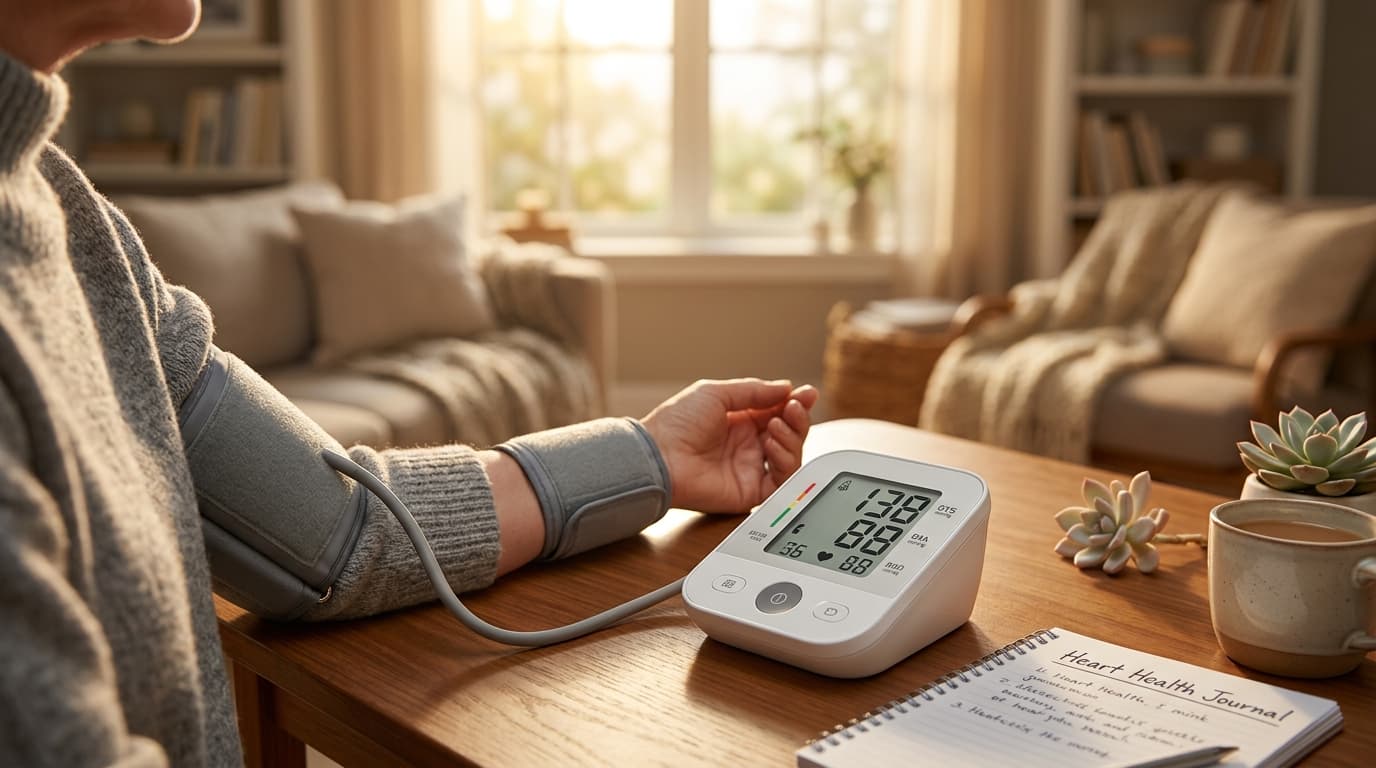
Knowledge is power when it comes to blood pressure. Invest in a quality home blood pressure monitor and check your readings weekly.
Normal blood pressure is below 120/80 mmHg. Anything consistently above 130/80 mmHg requires medical attention. Track your numbers in a journal or app to help your healthcare provider spot trends and adjust treatment plans accordingly.
What Is the DASH Diet and How Does It Help?
The Dietary Approaches to Stop Hypertension (DASH) diet specifically targets blood pressure reduction. This eating pattern emphasizes vegetables, fruits, whole grains, lean proteins, and low-fat dairy while limiting sodium, red meat, and added sugars.
Studies show the DASH diet can lower blood pressure by 8-14 points, rivaling the effect of some medications. Focus on potassium-rich foods like bananas, sweet potatoes, and leafy greens, which help counteract sodium's effects.
How Much Exercise Do You Need to Lower Blood Pressure?
Regular physical activity strengthens your heart and improves blood vessel function. Aim for 150 minutes of moderate aerobic exercise weekly, plus two strength training sessions.
This does not require a gym membership or complicated routines. Brisk walking, swimming, cycling, or dancing all count. The key is consistency, not intensity.
Can Stress Management Lower Your Blood Pressure?
Chronic stress elevates cortisol and other hormones that raise blood pressure. Menopause already challenges your stress response system, making management techniques essential.
Practices like meditation, deep breathing exercises, yoga, or tai chi demonstrably lower blood pressure. Even 10 minutes daily makes a difference. Find what resonates with you and make it non-negotiable.
When Do You Need Medical Treatment for High Blood Pressure?
Sometimes lifestyle changes are not enough. That is okay, and it does not mean you have failed.
When Should You Start Blood Pressure Medication?
Your doctor may recommend blood pressure medication if your readings consistently exceed 140/90 mmHg. Additional risk factors like diabetes or kidney disease may warrant earlier treatment.
Multiple drug classes effectively treat hypertension, and finding the right one may take some trial and error. Do not let concerns about side effects prevent necessary treatment. Uncontrolled hypertension causes far more problems than medication side effects.
Does Hormone Replacement Therapy Help Blood Pressure?
Hormone replacement therapy (HRT) remains controversial for cardiovascular health. Some studies suggest it may help when started early in menopause, while others show increased risk.
This decision requires careful discussion with your healthcare provider, weighing your individual risk factors and symptoms. HRT is not primarily a blood pressure treatment, but it may offer some protective effects when used appropriately.
How Often Should You Get Health Screenings?
Schedule annual physicals that include blood pressure checks, cholesterol panels, and blood sugar testing. These screenings catch problems early when they are most treatable. Do not skip appointments, even when you feel fine.
What Should You Remember About Menopause and Blood Pressure?
The link between menopause and hypertension is real, significant, and affects millions of women. Understanding the hormonal mechanisms behind rising blood pressure empowers you to take proactive steps.
You cannot prevent menopause, but you can minimize its cardiovascular impact. Start monitoring your blood pressure now, before problems develop. Adopt heart-healthy lifestyle habits that serve you well beyond menopause.
Work closely with healthcare providers who take your concerns seriously and stay current on women's cardiovascular health. Your post-menopausal years can be vibrant, healthy, and full of possibility. Managing blood pressure is one crucial piece of that puzzle.
Continue learning: Next, explore 112 women tried 3 sleep strategies: only one worked
Take it seriously, but do not let it overshadow everything else. With awareness, action, and appropriate medical care, you can navigate this transition successfully and protect your heart for decades to come.
Related Articles

ChatGPT’s ‘Branching Chats’: The Ultimate Upgrade for Every User
Discover how ChatGPT's 'Branching Chats' feature enhances lifestyle conversations, making wellness, fitness, and travel planning more engaging.
Sep 12, 2025
Yes, You Can Get Vitamin D Without Skin Damage—Here's How
Discover safe ways to boost your vitamin D levels without risking skin damage. Explore dietary sources, supplements, and sun exposure tips.
Sep 11, 2025

5 Essential Benefits of Amino Acids Supplements
Explore how amino acids supplements extend beyond muscle repair, offering enhanced recovery, mental health support, and immunity for everyone.
Sep 10, 2025