Gulf States Ready for Self Defense as Iran Tensions Rise
Gulf states issued a joint statement condemning Iran's attacks and declaring readiness for self defense. This shift carries major implications for businesses, energy markets, and global trade.


Gulf States Self Defense Stance: What Does It Mean for Global Business?
Learn more about white house cryptic videos spark business communication d...
The Gulf region's geopolitical landscape shifted dramatically this week as member states of the Gulf Cooperation Council issued an unprecedented joint condemnation of Iran. This collective stance on self defense marks a turning point in Middle Eastern politics with far-reaching implications for global business, energy markets, and international trade.
For businesses operating in or dependent on the Gulf region, this development signals potential volatility ahead. Companies must reassess their risk management strategies and supply chain dependencies as tensions escalate.
How Are Gulf States Reshaping the Regional Business Climate?
The joint statement released Thursday represents more than diplomatic posturing. It reflects a fundamental shift in how Gulf nations approach regional security and their willingness to defend economic interests independently.
Saudi Arabia, the UAE, Kuwait, Bahrain, Qatar, and Oman collectively condemned what they termed Iran's "blatant" and "criminal" attacks. This unified response breaks from previous patterns where individual states issued separate statements or remained silent on sensitive security matters.
The economic implications extend beyond regional borders. Gulf states control approximately 40% of global oil reserves and represent crucial trade corridors connecting Asia, Europe, and Africa. Any disruption to stability threatens supply chains, energy prices, and international commerce.
What Does This Mean for Energy Markets?
Energy sector analysts are closely monitoring how this defensive posture affects oil and gas production. The Gulf states produce roughly 20 million barrels of oil daily, making regional stability critical for global energy security.
Investors have already responded with increased volatility in energy futures markets. Brent crude prices fluctuated following the announcement, reflecting uncertainty about potential supply disruptions.
Companies with significant energy exposure must prepare contingency plans for price spikes and availability constraints. The shift toward self defense also signals potential increases in defense spending across Gulf nations. This creates opportunities for defense contractors, cybersecurity firms, and infrastructure protection services while diverting capital from other economic sectors.
How Should Businesses Plan for Continuity?
For a deep dive on google turboquant cuts ai memory costs 50% and boosts spe..., see our full guide
Corporations with Gulf operations face immediate strategic decisions. Risk assessment frameworks need updating to account for heightened geopolitical tensions and potential military escalation.
Key considerations for business leaders include:
For a deep dive on github copilot data policy update: what devs need to know, see our full guide
- Supply chain diversification: Reducing dependency on single-source Gulf suppliers or transit routes
- Insurance coverage review: Ensuring adequate protection against political risk and business interruption
- Personnel safety protocols: Updating evacuation plans and security measures for employees in the region
- Financial hedging strategies: Protecting against currency fluctuations and commodity price volatility
- Alternative logistics planning: Identifying backup shipping routes and transportation methods
Companies that proactively address these factors position themselves better than competitors who adopt a wait-and-see approach.
What Is the Economic Impact of Shifting Defense Policies?
The move toward independent self defense capabilities requires substantial financial investment. Gulf states already rank among the world's highest military spenders per capita, but this stance suggests further increases ahead.
Defense expenditures create both opportunities and challenges for regional economies. While domestic defense industries may flourish, capital diverted to military purposes reduces funds available for economic diversification initiatives. Saudi Arabia's Vision 2030 and similar transformation programs across Gulf states aim to reduce oil dependency.
However, security concerns may slow progress toward these economic goals as governments prioritize immediate defense needs over long-term structural reforms.
How Will International Trade Routes Be Affected?
The Strait of Hormuz, through which approximately 21% of global petroleum passes, remains a critical chokepoint. Any military confrontation in the region could disrupt this vital waterway, causing cascading effects throughout global commerce.
Shipping companies have already increased insurance premiums for vessels transiting Gulf waters. These costs ultimately pass to consumers through higher prices for goods ranging from electronics to automobiles.
Businesses dependent on just-in-time inventory systems face particular vulnerability. Manufacturing operations in Asia and Europe that rely on Gulf-sourced materials or components should evaluate buffer stock strategies and alternative sourcing options.
How Does This Affect Investment Climate and Market Confidence?
Foreign direct investment into Gulf states may experience short-term cooling as investors reassess political risk premiums. However, the unified stance also demonstrates regional stability and coordination, which could ultimately strengthen confidence in Gulf markets.
Stock markets in Dubai, Abu Dhabi, and Riyadh showed mixed reactions to the announcement. Financial services firms operating in these markets must help clients navigate increased volatility while identifying opportunities created by market dislocations. The defense posture announcement coincides with ongoing efforts to attract international capital through regulatory reforms, visa liberalization, and business-friendly initiatives.
Governments face the delicate balance of maintaining security while preserving their reputation as stable investment destinations.
What Sectors Face the Greatest Risk?
Certain industries face disproportionate exposure to escalating tensions:
- Aviation and tourism: Airlines and hospitality businesses suffer when travelers avoid regions perceived as unstable
- Construction and real estate: Major infrastructure projects may face delays if security concerns divert resources
- Financial services: Banking operations require stability for cross-border transactions and investment flows
- Logistics and shipping: Transportation companies bear increased costs and operational complexity
Conversely, some sectors may benefit from heightened defense spending and security focus. Technology companies specializing in cybersecurity, surveillance, and communications infrastructure could see increased demand.
What Are the Strategic Implications for Global Businesses?
Multinational corporations must incorporate this geopolitical shift into their strategic planning processes. The era of assuming Gulf stability as a constant has ended, requiring more sophisticated risk management approaches.
Scenario planning exercises should model various escalation pathways and their business impacts. Companies that develop flexible response capabilities can adapt quickly as situations evolve, maintaining competitive advantages over less-prepared rivals. The self defense stance also affects long-term market positioning decisions.
Firms considering Gulf expansion must weigh growth opportunities against elevated political risks. Those already established in the region should evaluate whether current exposure levels remain appropriate.
How Can Businesses Build Resilience Through Diversification?
Smart businesses use this moment to strengthen operational resilience. Geographic diversification reduces concentration risk, while relationship diversification ensures multiple options for critical inputs and services.
Companies should also diversify their information sources about regional developments. Relying solely on mainstream media or government statements provides incomplete pictures. Engaging local partners, security consultants, and industry networks delivers more nuanced understanding of evolving situations.
The current tensions remind businesses that geopolitical risk management deserves equal attention to financial and operational risks. Organizations that integrate political risk assessment into core strategic processes make better-informed decisions and avoid costly surprises.
What Scenarios Should Businesses Prepare For?
The Gulf states' readiness for self defense creates an uncertain but manageable business environment. While worst-case scenarios involve military conflict and severe economic disruption, more likely outcomes include continued tensions without major escalation.
Business leaders should prepare for a range of possibilities rather than betting on single outcomes. Maintaining flexibility allows rapid pivots as circumstances change, protecting both downside risks and upside opportunities.
The situation also highlights the interconnected nature of modern global commerce. Events in one region ripple across continents through supply chains, financial markets, and commodity prices. Companies that understand these connections navigate disruptions more effectively than those viewing markets in isolation.
What Actionable Steps Should Business Leaders Take?
Executives should take concrete actions now rather than waiting for further developments:
- Conduct comprehensive risk assessments specific to Gulf exposure
- Stress-test supply chains against various disruption scenarios
- Review and update crisis management and business continuity plans
- Strengthen relationships with alternative suppliers and partners
- Monitor developments through diverse, reliable information sources
- Engage with insurance providers about coverage adequacy
- Communicate transparently with stakeholders about risk management approaches
These measures don't eliminate uncertainty but significantly improve organizational preparedness and resilience.
How Can Businesses Navigate the New Gulf Reality?
The Gulf states' shift toward self defense readiness fundamentally alters the regional business landscape. While creating new risks and uncertainties, this development also clarifies the security environment and demonstrates regional coordination.
Businesses that respond proactively, updating strategies and strengthening resilience, will navigate this transition successfully. Those that ignore the implications or delay action face greater vulnerability to disruptions.
Continue learning: Next, explore reddit's human verification: fighting bots in 2025
The key lies in balancing prudent risk management with continued engagement in one of the world's most economically significant regions. As geopolitical tensions evolve, the companies that thrive will be those treating uncertainty as a strategic planning input rather than an excuse for paralysis. The Gulf region remains vital to global commerce, and businesses must adapt their approaches to this new reality while maintaining focus on long-term opportunities.
Related Articles
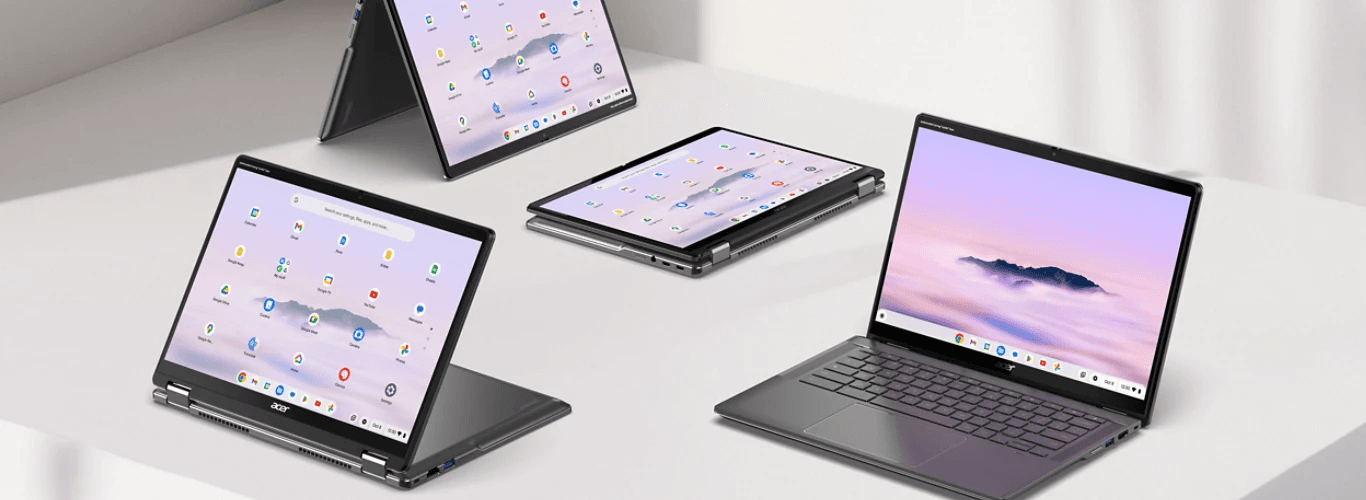
Acer's New Chromebook: A Game-Changer for Businesses?
Acer's Chromebook Plus Spin 514 combines AI and potent computing, offering businesses a glimpse into the future of work.
Sep 5, 2025

Sony's Paywall Strategy: Xperia Feature Sparks Debate
Sony's recent strategy to lock a key Xperia feature behind a subscription has sparked a debate on innovation versus monetization.
Sep 4, 2025

iPhone 17 Unveiled: Features & Expectations
With the iPhone 17 launch just a week away, explore the rumored features, technological advancements, and Apple's push for sustainability.
Sep 5, 2025