Ex-Microsoft Lead Reviews MacBook Neo: 'Stay Excellent'
Former Windows chief Steven Sinofsky shares his candid thoughts on Apple's MacBook Neo and reflects on Microsoft's early ARM PC missteps that shaped today's laptop landscape.

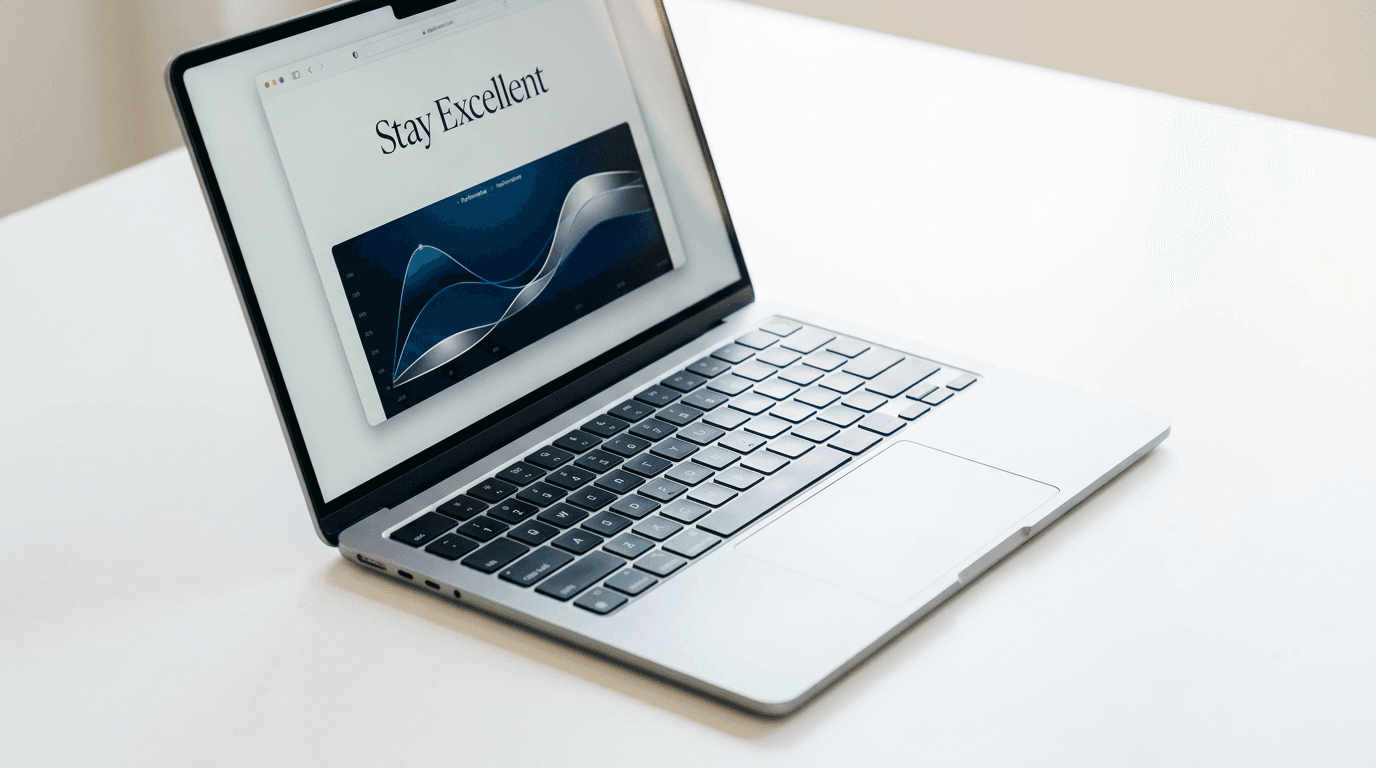
Steven Sinofsky's MacBook Neo Review Reveals Microsoft's ARM PC Mistakes
Learn more about u.s. section 301 probes target 60 economies over forced l...
When a former Microsoft executive praises an Apple product, the tech world listens. Steven Sinofsky led Microsoft's Windows Division during its most critical years. He recently published a detailed MacBook Neo review that goes beyond typical product analysis.
His assessment offers a rare insider perspective on why Microsoft's early ARM-based PC initiatives stumbled while Apple's Silicon transition succeeded spectacularly. Sinofsky's review arrives at a pivotal moment for the laptop industry.
ARM-based processors now dominate performance benchmarks, battery life comparisons, and developer enthusiasm. His unique position as someone who championed Microsoft's early ARM efforts makes his MacBook Neo evaluation particularly valuable for understanding the broader shift in computing architecture.
What Did Sinofsky Say About the MacBook Neo?
Sinofsky's central thesis is simple yet profound: "It just has to stay excellent." This statement captures Apple's challenge in maintaining the momentum it built with Apple Silicon. The MacBook Neo represents the culmination of Apple's chip design expertise, but sustaining that lead requires continuous innovation.
He praised several specific aspects of the MacBook Neo:
- Performance consistency: The chip delivers sustained performance without thermal throttling during extended workloads
- Battery efficiency: All-day battery life that actually matches Apple's marketing claims
- Software optimization: Native ARM applications that leverage the hardware's full potential
- Build quality: Premium materials and construction that justify the price premium
Sinofsky noted that the MacBook Neo doesn't just compete with Intel and AMD laptops. It redefines what users should expect from portable computing.
His review emphasized that Apple succeeded where Microsoft initially failed by controlling both hardware and software development. This vertical integration created the foundation for Apple's ARM success.
How Did Apple's Vertical Integration Create Competitive Advantages?
The former Microsoft executive highlighted how Apple's vertical integration created competitive advantages impossible for Windows PC manufacturers to replicate. Apple designed its chips specifically for macOS, optimizing power consumption at the silicon level. Microsoft, by contrast, had to convince third-party chip makers and PC manufacturers to align on a unified ARM strategy.
Sinofsky pointed out that the MacBook Neo benefits from years of iOS chip development experience. Apple refined its ARM architecture through billions of iPhones and iPads before transitioning Macs. This iterative approach allowed Apple to solve thermal, performance, and compatibility challenges before launching its first Apple Silicon Mac.
For a deep dive on google maps adds gemini ai 'ask maps' feature, see our full guide
Why Did Microsoft's Early ARM PC Push Fail?
Sinofsky's review dedicates significant attention to Microsoft's Surface RT and early Windows on ARM initiatives. He offers a candid postmortem of decisions that seemed logical at the time but ultimately hindered adoption.
For a deep dive on ai auto-complete subtly shapes views on social issues, see our full guide
His insider perspective reveals organizational and strategic challenges that doomed Microsoft's first ARM attempts. The Surface RT launched in 2012 with significant limitations.
It couldn't run traditional Windows applications, forcing users to rely on a sparse Windows Store ecosystem. Microsoft positioned the device as a tablet competitor to the iPad while marketing it with laptop features. This confused messaging left consumers uncertain about the product's purpose.
What Mistakes Did Microsoft Make with ARM PCs?
Sinofsky identifies several critical errors in Microsoft's approach:
- Premature launch: Microsoft released ARM devices before the software ecosystem matured
- Compatibility confusion: Users expected full Windows functionality but received a restricted experience
- Performance gaps: Early ARM chips couldn't match Intel processors for demanding applications
- Developer apathy: Third-party developers showed little interest in creating ARM-optimized Windows apps
He contrasts this with Apple's methodical transition strategy. Apple gave developers two years' notice, provided excellent development tools, and created Rosetta 2 for seamless Intel app compatibility.
Microsoft's early ARM efforts lacked this comprehensive ecosystem support, leaving users and developers frustrated. The difference in execution explains why Apple Silicon succeeded where Surface RT failed.
What Changed Between Microsoft's Surface RT and Today's ARM PCs?
Sinofsky notes that ARM technology has matured dramatically since Microsoft's Surface RT debacle. Qualcomm's Snapdragon processors now deliver competitive performance, and Windows on ARM has improved significantly. However, Apple's head start and ecosystem control give it sustained advantages that Windows PC makers struggle to overcome.
The chip shortage during 2021-2022 also validated Apple's decision to design its own processors. While PC manufacturers scrambled for Intel and AMD supplies, Apple maintained production schedules. This supply chain independence proved the strategic value of vertical integration beyond just performance benefits.
How Does the MacBook Neo Compare to Modern Windows ARM Laptops?
Sinofsky's review includes comparisons between the MacBook Neo and current Windows on ARM devices. He acknowledges that Microsoft's partners have finally created compelling ARM laptops, but Apple maintains clear advantages.
The gap has narrowed, yet the MacBook Neo still leads in key areas that matter to professional users. Battery life remains Apple's strongest differentiator.
The MacBook Neo delivers 15-20 hours of real-world usage compared to 10-15 hours for premium Windows ARM laptops. This difference stems from Apple's chip efficiency and macOS optimization. Windows still carries legacy code that impacts power consumption, even on ARM processors.
Application compatibility has improved dramatically for Windows on ARM, but gaps persist. Adobe Creative Suite, Microsoft Office, and many professional applications now run natively on Apple Silicon. Windows ARM users still encounter applications that run only through emulation or don't work at all.
Do Performance Benchmarks Tell the Whole Story?
Sinofsky references benchmark data showing the MacBook Neo outperforming similarly priced Windows laptops in single-core and sustained workload tests. However, he cautions against focusing solely on synthetic benchmarks.
Real-world performance depends on software optimization, thermal management, and user workflow requirements. He notes that Windows ARM laptops excel in specific scenarios where Windows ecosystem integration matters.
Enterprise users with Microsoft-centric IT infrastructure may prefer Windows devices despite performance disadvantages. The choice between MacBook Neo and Windows ARM laptops ultimately depends on software needs and ecosystem preferences.
What Must Apple Do to Stay Excellent?
Sinofsky's "stay excellent" directive contains implicit warnings about complacency. Apple's current lead in ARM laptop performance isn't guaranteed to last. Qualcomm, Intel, and AMD are investing billions in competitive ARM and hybrid chip architectures.
Microsoft has also learned from past mistakes and now provides better ARM support in Windows. He identifies several areas where Apple must continue innovating:
- Gaming performance: Apple Silicon still lags in gaming compared to dedicated graphics solutions
- Professional workflows: Some specialized applications remain Intel-only or poorly optimized
- Upgradeability: Soldered RAM and storage limit the MacBook Neo's longevity for some users
- Price accessibility: Premium pricing excludes budget-conscious consumers from the Apple Silicon ecosystem
Sinofsky suggests that Apple's biggest threat isn't current Windows ARM laptops but future innovations from competitors who learned from Apple's playbook. Qualcomm's Snapdragon X Elite chips show that other companies can design competitive ARM processors.
Can Apple Maintain Developer Enthusiasm for the MacBook Neo?
Maintaining developer enthusiasm represents another critical challenge Sinofsky highlights. Apple successfully convinced developers to optimize for Apple Silicon, but sustaining that momentum requires continued platform growth.
If Mac market share stagnates, developers may deprioritize macOS optimization in favor of Windows and web applications. The former Microsoft executive notes that cross-platform development tools like Electron reduce the importance of native optimization.
Many popular applications now run identically on Mac and Windows using web technologies. This trend could diminish Apple Silicon's performance advantages if developers choose convenience over optimization.
What Lessons Does Sinofsky's Review Offer the Tech Industry?
Sinofsky's MacBook Neo analysis offers broader insights about technology transitions and competitive strategy. His experience leading Windows during the tablet era provides context for understanding why some innovations succeed while others fail.
The review serves as both product assessment and strategic case study. Timing matters enormously in technology adoption.
Microsoft pushed ARM PCs before the ecosystem was ready, while Apple waited until it could deliver a complete experience. This patience allowed Apple to avoid the compatibility disasters that plagued Surface RT. Companies must balance first-mover advantages against execution risks.
Vertical integration provides powerful advantages but isn't automatically superior. Apple's control over hardware and software enabled its successful ARM transition, but Microsoft's partner ecosystem offers flexibility and choice.
Why Is Ecosystem Readiness Critical for Platform Success?
Sinofsky emphasizes that hardware excellence means nothing without software support. The MacBook Neo succeeds because developers created optimized applications that showcase the hardware's capabilities.
Microsoft's early ARM devices failed because the software ecosystem wasn't ready to support them adequately. This lesson applies beyond ARM processors to any major platform transition.
Companies must invest in developer tools, documentation, and incentives to ensure third-party support. Apple spent years preparing for Apple Silicon, providing developers with transition kits and technical support. This ecosystem investment proved as important as the chip design itself.
Excellence Requires Constant Innovation
Steven Sinofsky's MacBook Neo review transcends typical product analysis by examining the strategic decisions that enabled Apple's ARM success and caused Microsoft's early failures. His "stay excellent" assessment recognizes Apple's current leadership while warning against complacency.
The laptop market remains competitive, with rivals learning from Apple's playbook and investing in their own ARM initiatives. The MacBook Neo represents the culmination of Apple's decade-long ARM chip development, but maintaining that edge requires continuous innovation.
Competitors are closing the gap in performance, battery life, and software optimization. Apple must accelerate its chip roadmap, expand its software ecosystem, and address remaining weaknesses in gaming and professional workflows.
Continue learning: Next, explore discodsp usual suspect emulators: profit or problem?
Sinofsky's unique perspective as a former Microsoft executive adds credibility and nuance to his assessment. He understands the organizational challenges, strategic tradeoffs, and ecosystem complexities that determine whether technology transitions succeed or fail. His review offers valuable insights for anyone interested in the ongoing evolution of laptop computing and the ARM revolution reshaping the industry.
Related Articles

Transforming Gaza: From Conflict Zone to Tech Hub
A leaked plan from the Trump administration reveals a bold strategy to turn Gaza into a thriving high-tech hub. Discover the potential.
Sep 3, 2025

Gaza's Tech Revolution: Trump's Bold High-Tech Vision
A leaked plan from the Trump administration unveils a vision to make Gaza a high-tech hub, focusing on AI, cybersecurity, and digital innovation.
Sep 3, 2025

AI Tools Reveal Identities of ICE Officers Online
AI's emerging role in unmasking ICE officers spotlights the intersection of technology, privacy, and ethics, sparking a crucial societal debate.
Sep 2, 2025
Comments
Loading comments...