Europe's Largest Apple Museum Opens in Netherlands
A new 2,000-square-meter museum in Utrecht showcases Apple's complete product history, from the original garage workspace to modern iPhones, telling the story of tech's most influential company.

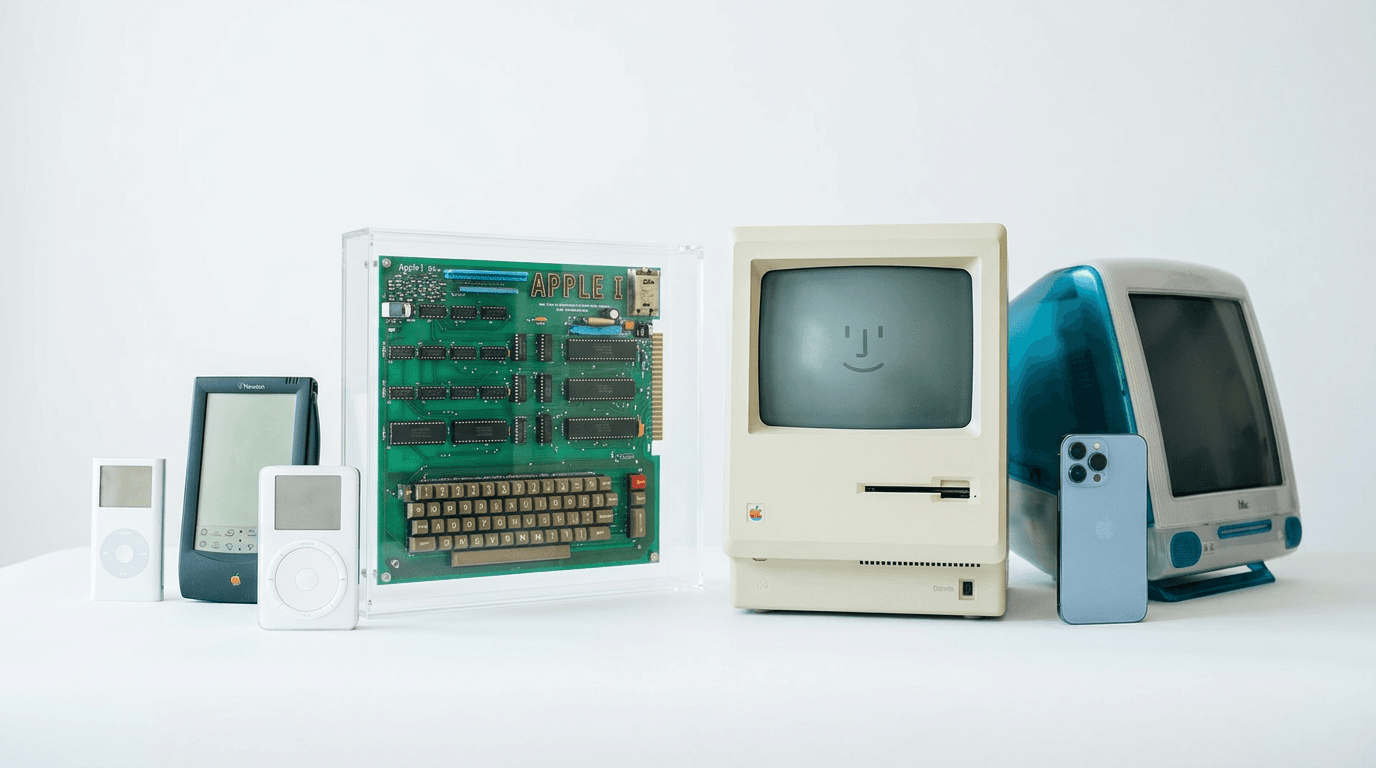
Apple's 50th Anniversary: Inside Europe's Largest Apple Museum
Learn more about chatgpt pro $100 tier: openai's play for developer market
Apple's 50th anniversary marks a milestone that extends beyond corporate celebrations. A new museum in Utrecht, Netherlands, now preserves five decades of innovation, offering tech enthusiasts and casual fans alike a physical journey through the company's evolution. This is not just another corporate archive - it's Europe's largest Apple museum, spanning 2,000 square meters of carefully curated history.
The Apple Museum at Wall Utrecht represents years of dedication by creator Ed Bindels and his team of volunteers. They have assembled one of the world's most comprehensive Apple collections, transforming thousands of devices, prototypes, and accessories into an interactive narrative that captures both triumphs and struggles.
What Makes the Utrecht Apple Museum Different from Other Tech Museums?
The Apple Museum distinguishes itself through storytelling rather than simple product displays. Bindels designed the space to guide visitors through distinct chapters of Apple's history, each room representing pivotal moments in the company's journey.
The museum features several standout installations that immediately capture attention. A rainbow wall showcases multiple iMac G3 machines in their iconic translucent colors, celebrating the product that saved Apple from near-bankruptcy. Visitors can step into a faithful recreation of the garage where Steve Jobs and Steve Wozniak launched their partnership in 1976.
What's Inside Europe's Largest Apple Collection?
Bindels and his volunteer team have assembled an exhaustive collection spanning Apple's entire product history. Nearly every device released between 1976 and 2026 appears somewhere in the 2,000-square-meter space.
The collection includes:
- Original Apple I and Apple II computers from the company's founding era
- Classic Macintosh models that revolutionized personal computing
- Complete iPod lineups showing the evolution of portable music
- iPhone generations documenting smartphone innovation
- Rare prototypes and development units never released to consumers
- Original manuals, packaging, and marketing materials
- Accessories and peripherals that completed the Apple ecosystem
Many devices remain functional, allowing visitors to experience vintage Apple technology firsthand. This hands-on approach transforms the museum from passive observation into active engagement with computing history.
For a deep dive on natasha lyonne responds to plane removal report, see our full guide
How Does the Museum Present Apple's Complete Story?
The narrative structure sets this Apple Museum apart from typical tech exhibitions. Bindels deliberately arranged the space to reflect Apple's dramatic ups and downs, creating emotional resonance alongside historical documentation.
For a deep dive on picoz80: drop-in z80 replacement using raspberry pi pico, see our full guide
The Wilderness Years: What Happened After Jobs Left?
One section specifically addresses the difficult period following Steve Jobs' departure in 1985. This era saw Apple struggle with leadership changes, product confusion, and declining market share. The museum does not shy away from these challenges, presenting them as essential context for understanding Apple's eventual resurgence.
Visitors then transition through a "Think Different" corridor, referencing the iconic 1997 advertising campaign that signaled Jobs' return and Apple's renewed focus. This physical journey mirrors the company's philosophical transformation during that pivotal period.
How Did the iMac G3 Save Apple?
The corridor opens into a circular room filled with colorful iMac G3 models. This installation symbolizes the beginning of Apple's modern era, when Jony Ive's design philosophy merged with Jobs' product vision to create computers that prioritized aesthetics alongside functionality.
The iMac G3, released in 1998, broke computing conventions with its translucent colored plastic and elimination of legacy ports. This bold design language would influence every subsequent Apple product, establishing principles that remain visible in today's iPhone and MacBook lineups.
What Interactive Experiences Does the Museum Offer?
The Apple Museum offers multiple engagement levels, accommodating both casual visitors and dedicated Apple enthusiasts. Interactive stations allow hands-on experimentation with vintage hardware, while detailed placards provide historical context and technical specifications.
Can You Touch the Exhibits?
Several rooms specifically explore Apple's design evolution. These spaces examine how the company's aesthetic philosophy developed from the beige boxes of early Macintosh computers to the minimalist aluminum and glass of modern devices.
Design exhibitions showcase industrial design sketches, color studies, and material samples. Visitors gain insight into the iterative process behind iconic products, understanding that each device represents countless refinements and rejected alternatives.
How Does the Museum Cover the iPod Era?
A dedicated iPod display chronicles how Apple transformed the music industry. From the original scroll-wheel model to the tiny iPod Shuffle and touchscreen iPod Touch, this collection demonstrates Apple's ability to iterate and improve within a single product category.
The iPod section also explores the broader ecosystem that made these devices successful, including iTunes software, the iTunes Store, and accessories from Apple and third-party manufacturers.
Who Built This Comprehensive Apple Collection?
Ed Bindels spent years assembling this collection with help from dedicated volunteers. The team tracked down devices through auctions, private collections, and direct acquisitions from former Apple employees and enthusiasts worldwide.
Restoration work forms a crucial component of the museum's mission. Many vintage Apple products arrived damaged or non-functional, requiring careful repair to restore them to display-worthy condition. The volunteer team developed expertise in repairing decades-old hardware, sourcing replacement parts, and preserving original components whenever possible.
How Hard Is It to Find Every Apple Product?
Achieving near-complete product coverage required tracking down rare variants and regional exclusions. Some Apple products had limited releases in specific markets, making them exceptionally difficult to locate decades later.
Prototypes present particular challenges. These pre-production units never reached consumers, existing only within Apple's development labs. Acquiring authentic prototypes requires connections within the collector community and verification expertise to distinguish genuine units from replicas.
How Much Does the Apple Museum Cost to Visit?
Tickets are priced at €21.50 for adult admission, positioning the museum as a premium cultural experience. Students and children receive discounted rates, making the collection accessible to younger generations who may not remember Apple's earlier products.
The pricing reflects the museum's scale and the extensive restoration work invested in each exhibit. Unlike smaller private collections, this 2,000-square-meter facility requires significant operational funding to maintain climate control, security, and ongoing restoration projects.
Why Should Tech Historians Care About This Museum?
Apple's influence extends far beyond its own products. The company's design decisions, user interface innovations, and ecosystem approach have shaped the entire technology industry. Preserving this history provides valuable context for understanding modern computing.
What Can We Learn from Apple's Failures?
The museum's willingness to showcase Apple's difficult periods offers important lessons. The post-Jobs era demonstrates how even innovative companies can lose direction without clear leadership and product vision. The subsequent recovery illustrates the power of focused strategy and design excellence.
Technology evolves rapidly, making physical preservation increasingly important. Digital archives capture specifications and marketing materials, but they cannot replicate the tactile experience of using a 1984 Macintosh or the satisfying click of an original iPod scroll wheel.
What Future Exhibits Will the Museum Add?
As Apple continues releasing new products, the museum faces the ongoing challenge of maintaining currency. Bindels and his team must continually acquire recent releases while preserving older items that become increasingly fragile with age.
Future expansions might explore Apple's software evolution, examining how operating systems developed from command-line interfaces to today's gesture-based interactions. The company's services business, including Apple Music, Apple TV+, and the App Store, represents another potential exhibition area.
Why Visit Europe's Largest Apple Museum?
Europe's largest Apple Museum offers more than nostalgia. It preserves critical technology history, demonstrating how design thinking and user experience focus can transform entire industries. Ed Bindels and his volunteer team have created a comprehensive resource for understanding Apple's journey from garage startup to trillion-dollar company.
The museum's narrative approach provides context often missing from product announcements and marketing materials. By showcasing both successes and struggles, it presents a complete picture of innovation's messy reality.
Continue learning: Next, explore disney promotes april carretta to evp of communications
For Apple fans, tech historians, and design enthusiasts, this Utrecht destination deserves a spot on any European itinerary. The Apple Museum stands as a testament to five decades of innovation, offering visitors an unparalleled journey through computing history.
Related Articles

AI's Role in Unveiling ICE Officers' Identities
AI unmasking ICE officers underscores a shift towards transparent law enforcement, raising questions about privacy and ethics in the digital age.
Sep 2, 2025

EU Leader's Flight Disrupted by Suspected GPS Jamming
A high-ranking EU official's plane was reportedly targeted by GPS interference, highlighting digital warfare's evolving landscape.
Sep 2, 2025

Transforming Gaza: From Conflict Zone to Tech Hub
A leaked plan from the Trump administration reveals a bold strategy to turn Gaza into a thriving high-tech hub. Discover the potential.
Sep 3, 2025
Comments
Loading comments...