Coros Voice Training Log: How It Transformed My Workouts
I never thought a simple voice feature could revolutionize my workout tracking. The Coros voice training log captures details I'd otherwise forget, making fitness more mindful.

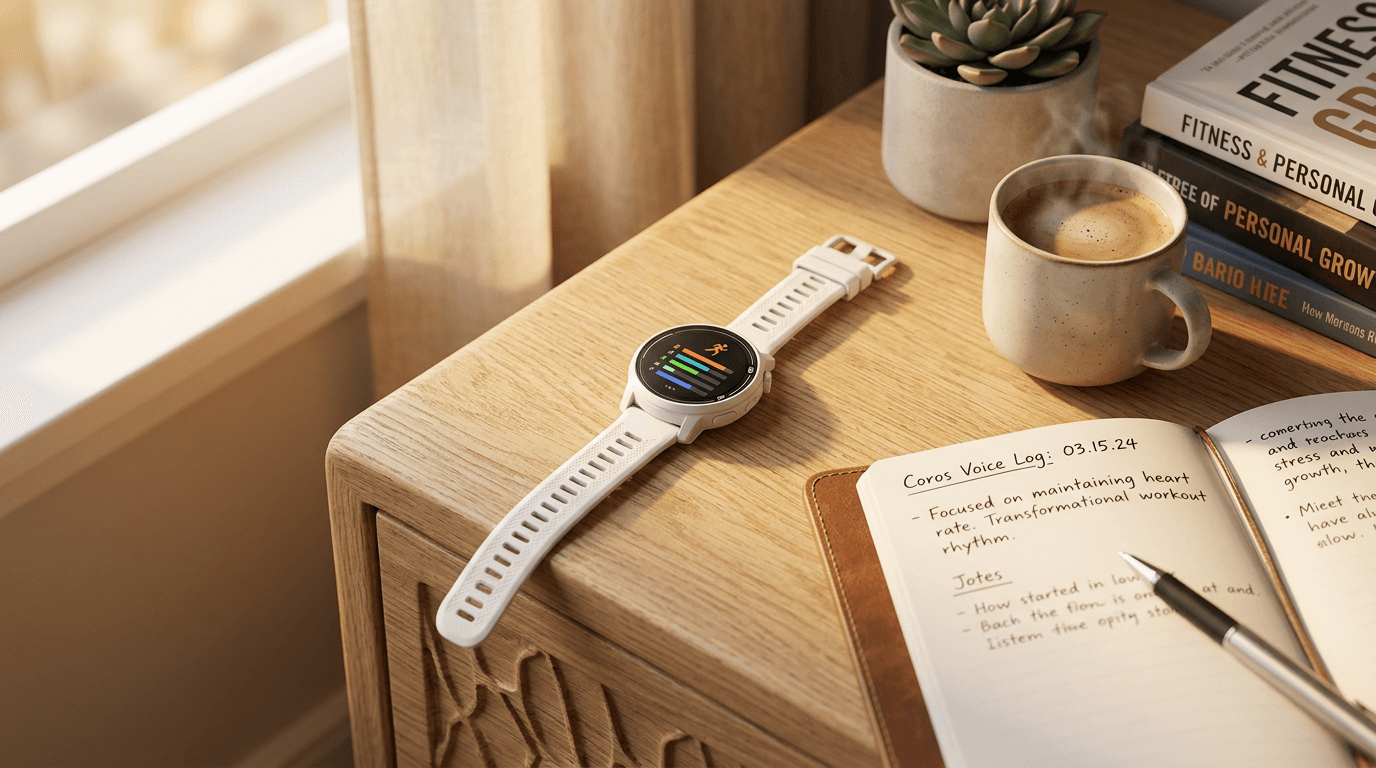
Why Does the Voice Training Log on My Coros Watch Matter?
Learn more about willingness to look stupid: the tech career superpower
I used to finish workouts with a vague sense of accomplishment, maybe glancing at my pace or heart rate before moving on with my day. Then I discovered the voice training log on my Coros watch, and suddenly my fitness routine became richer, more intentional, and genuinely enjoyable. This simple feature lets me capture thoughts, observations, and details immediately after a run or workout, preserving moments that would otherwise vanish into the mental fog of daily life.
The beauty lies not just in tracking metrics, but in capturing the human experience of movement. I record how the morning air felt, why that hill seemed harder today, or what song pushed me through the final mile. These slices of life transform raw data into meaningful stories.
What Makes the Coros Voice Training Log Different?
Most fitness watches excel at numbers. They measure distance, pace, elevation, heart rate zones, and cadence with impressive precision. The Coros watch does all that, but the voice training log adds a qualitative dimension that numbers alone cannot capture.
After completing a workout, I tap the microphone icon and speak for 30 seconds to a minute. The watch records my observations directly into the training log entry. No fumbling with my phone, no trying to remember details hours later when I finally sit down to journal.
This immediate capture matters more than I initially realized. The difference between recording thoughts 30 seconds after a workout versus 30 minutes later is enormous. Fresh observations carry authenticity that fades quickly once you shower, eat, and move on with your day.
How Do I Use Voice Notes During Different Workouts?
My voice log entries vary wildly depending on the workout type and how I feel. After easy runs, I might note the weather, wildlife I spotted, or interesting conversations if I ran with a friend. Post-interval sessions get more technical commentary about pacing strategy or how my breathing felt during hard efforts.
Here's what I typically capture:
For a deep dive on movement tips for desk workers from former sitters, see our full guide
- Physical sensations: Energy levels, muscle tightness, breathing quality
- Environmental factors: Weather conditions, trail conditions, temperature
- Mental state: Motivation levels, stress, clarity of mind
- Notable moments: Unexpected challenges, personal records, breakthrough feelings
- Recovery indicators: Sleep quality from the night before, nutrition timing
The variety keeps the practice engaging. I don't force myself to follow a rigid template, just speak naturally about what stood out.
For a deep dive on 29 easter brunch recipes for a sunny spring feast, see our full guide
What Training Details Would I Otherwise Forget?
Before using the voice training log, I lost valuable information between the trail and my front door. Maybe I noticed my left knee feeling slightly off, or perhaps I had an unusually strong finish despite starting sluggish. These observations would evaporate unless they were dramatic enough to remember hours later.
Now I capture these subtleties consistently. When that same knee issue appears three weeks later, I can scroll back through my voice notes and discover a pattern. Perhaps it always flares up after speed work on Tuesdays, or maybe it correlates with my longest weekend runs.
This historical context proves invaluable for injury prevention and performance optimization. I've identified that I run stronger on mornings when I've had quality sleep two nights in a row, not just the night before. I've noticed my breathing feels easier on humid days despite the discomfort. These insights only emerged through consistent voice logging.
What Are the Unexpected Mental Health Benefits?
What started as a training tool evolved into a mindfulness practice. Speaking my observations aloud forces me to actually process the workout experience rather than immediately jumping to the next task. Those 45 seconds of reflection create a tiny meditation moment in my busy day.
I've recorded frustrations, celebrated breakthroughs, and worked through mental barriers all through these brief voice notes. Looking back at entries from months ago, I can hear the evolution in my attitude toward challenging workouts. The Coros voice log became an accidental journal of personal growth.
How Does This Feature Enhance Training Analysis?
The combination of hard data and qualitative observations creates a complete training picture. My Coros watch shows me that I ran 8 miles at 8:45 pace with an average heart rate of 152. My voice note adds that the first three miles felt surprisingly hard because I was stressed about a work deadline, but I found my rhythm once I focused on breathing.
This context helps my training decisions make sense. If I see a slower-than-usual pace without the voice note, I might worry I'm losing fitness. With the note, I understand that mental stress affected that particular run, not physical conditioning. The next workout can proceed as planned rather than triggering unnecessary adjustments.
What Questions Should You Ask in Voice Logs?
If you're new to voice logging, these prompts help generate useful observations:
- How did this workout compare to my expectations?
- What felt different today compared to similar recent workouts?
- Did anything surprise me about my performance or feelings?
- What external factors might have influenced this session?
- What do I want to remember about today's experience?
You don't need to answer all these questions every time. Even addressing one creates valuable documentation.
How Do You Make Voice Logging a Sustainable Habit?
The key to maintaining this practice is keeping it simple and pressure-free. I don't force myself to record profound insights or complete analyses. Some days my voice note is just "felt great, beautiful morning, saw three deer." Other days I speak for the full minute about pacing strategy and energy management.
The consistency matters more than the content length. Even brief notes accumulate into a rich database over weeks and months. Recording something, anything, beats skipping entries because I don't feel I have enough to say.
What Are the Best Tips for Consistent Voice Logging?
- Record immediately: Don't wait until you're inside or distracted
- Speak naturally: Use conversational language, not formal reporting
- Focus on feelings: Numbers are already captured automatically
- Note anomalies: Anything unusual deserves mention
- Keep it brief: 30-60 seconds is plenty
Why Is Reviewing Past Entries So Valuable?
Scrolling through months of voice notes reveals patterns and progress that would otherwise remain invisible. I can hear myself struggling with runs that now feel comfortable. I notice seasonal patterns in my energy and motivation. I rediscover forgotten moments of beauty or challenge that made specific workouts memorable.
This review process isn't just analytical, it's deeply satisfying. The voice notes capture my actual voice, complete with breathlessness or excitement, making the memories more vivid than text ever could. I'm creating an audio scrapbook of my fitness journey.
Occasionally I'll listen to an entry from six months ago and smile at how much has changed. That hill I complained about? Now it's part of my regular easy route. That pace that felt impossibly hard? Now it's my comfortable tempo. The Coros voice training log documents growth in a tangible, emotional way.
What Are the Practical Limitations?
The Coros voice training log isn't perfect. The recording time limit means you need to be concise, which actually works in your favor by preventing rambling. The watch microphone quality is functional but not pristine, though it's always clear enough to understand.
You'll want to record in relatively quiet environments when possible. High wind or traffic noise can interfere with clarity. I've learned to step off the trail or wait until I'm away from busy roads before recording.
Battery impact is minimal. The voice recording feature uses negligible power compared to GPS tracking during the actual workout. I've never noticed any meaningful battery drain from this practice.
Why Does This Feature Deserve More Attention?
Most reviews of the Coros watch focus on its impressive GPS accuracy, battery life, and training metrics. The voice training log rarely gets mentioned, yet it's become my favorite feature. It bridges the gap between quantitative data and qualitative experience in a way that makes training more holistic and human.
This tool appeals to anyone who wants their fitness practice to be more mindful and documented. You don't need to be an elite athlete or data obsessive to benefit. Even casual exercisers gain value from capturing their experiences and building a personal archive of their fitness journey.
How Can You Start Voice-Enhanced Training?
The voice training log on my Coros watch has fundamentally changed how I approach workouts. I'm more present during exercise, more reflective afterward, and more connected to my long-term progress. The slices of life I capture have become treasured records of this chapter in my fitness journey.
If your watch has a similar feature, I encourage you to experiment with it. Start simple, stay consistent, and let the practice evolve naturally. You might discover, as I did, that the most valuable training data isn't always numerical. Sometimes the best insights come from simply speaking your truth immediately after pushing your limits.
Continue learning: Next, explore 8 steps to maximize your business management app roi
The combination of hard metrics and personal observations creates a complete picture of your fitness life. Your future self will thank you for these captured moments when you look back and remember not just what you did, but how it felt and why it mattered.
Related Articles

ChatGPT’s ‘Branching Chats’: The Ultimate Upgrade for Every User
Discover how ChatGPT's 'Branching Chats' feature enhances lifestyle conversations, making wellness, fitness, and travel planning more engaging.
Sep 12, 2025

This Zodiac Sign Definitely Gives The Worst Advice — Is It Yours?
Sagittarius is known for giving the worst advice. Learn how to navigate their guidance and make informed decisions.
Sep 14, 2025

Yes, You Can Get Vitamin D Without Skin Damage—Here's How
Discover safe ways to boost your vitamin D levels without risking skin damage. Explore dietary sources, supplements, and sun exposure tips.
Sep 11, 2025
Comments
Loading comments...