Baochip-1x: What It Is and Why It Matters Now
Baochip-1x is an open-source chip initiative making custom semiconductor design accessible. Learn about its origins, purpose, and why now is the perfect time for this breakthrough project.

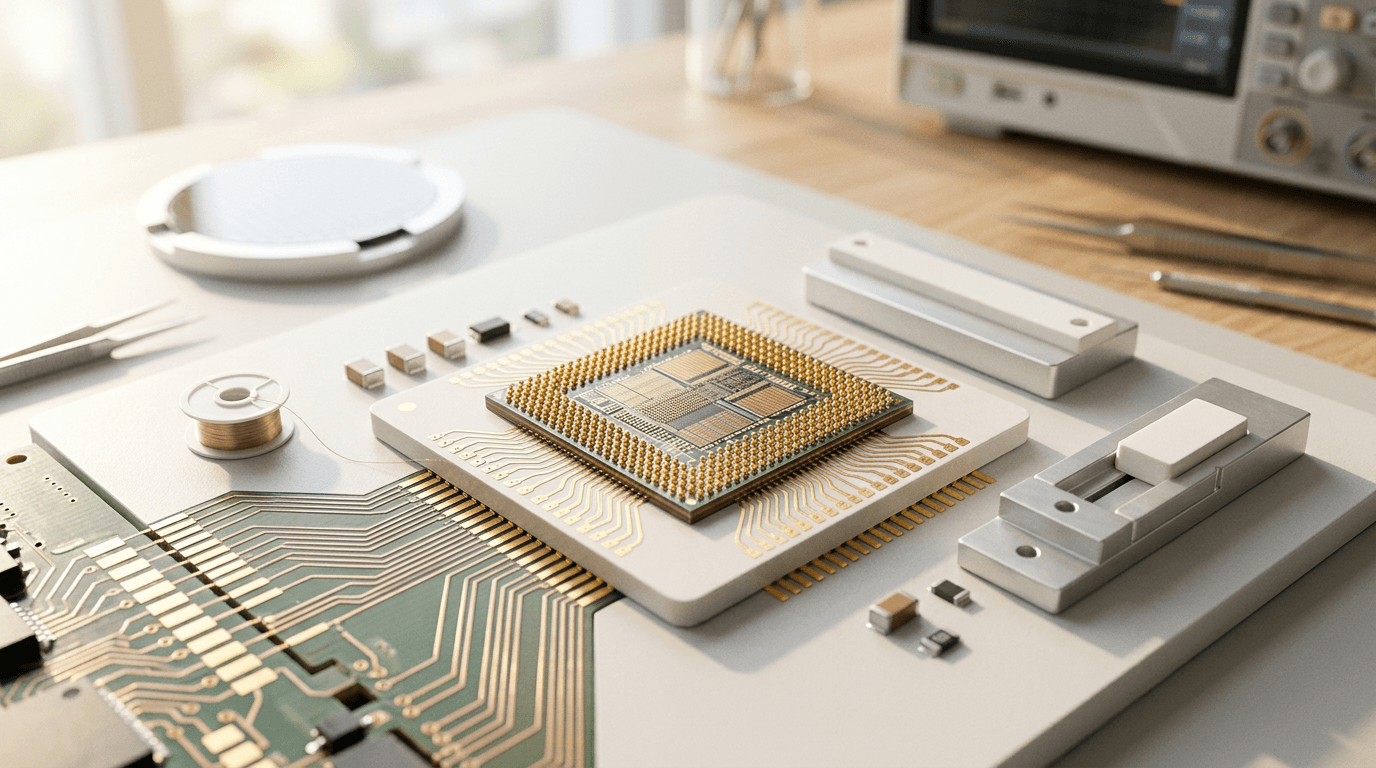
Baochip-1x: Making Custom Chip Design Accessible to Everyone
Learn more about 20x signal boost: new brain blood flow monitoring breakth...
The semiconductor industry stands at a crossroads. Global chip demand surges while supply chains face unprecedented pressure. Innovative solutions now emerge from unexpected places.
Baochip-1x represents one such breakthrough. This project was born from necessity and driven by the urgent need to democratize chip development.
This is not just another silicon story. It is about making advanced chip design accessible, affordable, and adaptable for the next generation of hardware innovators.
What Is Baochip-1x and Why Does It Matter?
Baochip-1x is an open-source chip development initiative focused on creating accessible, modular semiconductor designs. The project lowers the barrier to entry for custom chip development. Smaller companies and individual developers can now participate in hardware innovation.
The "1x" designation signifies the first iteration of a scalable architecture. It is simple enough for educational purposes yet powerful enough for real-world applications.
What Technical Foundation Powers Baochip-1x?
Baochip-1x utilizes a RISC-V instruction set architecture at its core. This open standard provides flexibility without licensing restrictions that traditionally plague chip development.
The design focuses on energy efficiency and modularity. Developers can add or remove components based on specific needs. The chip operates at modest clock speeds, prioritizing power efficiency over raw performance.
This approach makes it ideal for IoT devices, embedded systems, and edge computing applications. Battery life matters more than processing power in these use cases.
What Features Make Baochip-1x Stand Out?
Baochip-1x brings several distinctive features to developers:
- Open-source design files: Complete schematics and layouts available for modification
- Modular architecture: Add custom peripherals without redesigning the entire chip
- Low power consumption: Optimized for battery-powered applications
- Educational documentation: Comprehensive guides for learning chip design principles
- Community-driven development: Regular updates based on user feedback and contributions
For a deep dive on claude opus context generally available: what it means, see our full guide
Why Launch Baochip-1x Now?
Timing matters in technology. Several converging factors make this the right moment for Baochip-1x to emerge.
For a deep dive on alicia keys at apple grand central: 50th anniversary event, see our full guide
How Has Chip Manufacturing Become More Democratic?
Fabrication costs have historically kept custom chip development exclusive to large corporations. Recent advances in shuttle services and multi-project wafer runs changed this equation dramatically.
Small teams can now manufacture chips at a fraction of traditional costs. This shift creates unprecedented opportunity.
Designers who once only dreamed of creating custom silicon can now turn concepts into physical chips. The cost dropped from millions to tens of thousands of dollars.
Why Do Companies Need Custom Silicon?
Generic processors no longer meet every need. AI accelerators, crypto miners, and specialized sensors require purpose-built hardware. Companies increasingly seek custom solutions that generic chips cannot provide.
Baochip-1x serves as a foundation for these custom designs. Developers can modify and extend an existing, proven architecture instead of starting from scratch.
How Does Baochip-1x Address the Talent Shortage?
The semiconductor industry faces a critical talent shortage. Universities teach chip design theory, but students rarely get hands-on experience with real silicon.
Baochip-1x bridges this gap by providing a practical platform for learning. Students can study the design, modify it, and even fabricate their own versions. This hands-on approach accelerates learning and prepares the next generation of chip designers.
How Did Baochip-1x Come About?
What Sparked the Initial Idea?
The project started from frustration. While working on an IoT project, I needed a custom chip but found existing solutions either too expensive or too complex.
The gap between hobbyist microcontrollers and professional ASICs seemed unnecessarily wide. This realization sparked a question: Could we create a middle ground?
A chip design sophisticated enough for real applications but simple enough for individual developers to understand and modify seemed possible.
How Was the Foundation Built?
Development began with extensive research into existing open-source chip projects. SkyWater's open PDK and Google's sponsorship of open-source chip fabrication proved crucial. These initiatives demonstrated that open chip development was not just possible but practical.
The design phase focused on simplicity. Every component needed clear documentation and a specific purpose. Complex features were stripped away in favor of clean, understandable architecture.
What Role Did the Community Play?
Early feedback shaped the project significantly. Initial designs included features that seemed important but added unnecessary complexity.
Community input helped identify what developers actually needed versus what looked good on paper. Collaboration expanded the project's scope beyond initial expectations.
Contributors added peripheral designs, improved documentation, and identified bugs in early simulations. The project evolved from a solo effort into a genuine community initiative.
What Technical Challenges Emerged?
Developing Baochip-1x presented numerous obstacles. Power distribution across the chip required multiple iterations to optimize. Timing closure proved challenging with the chosen fabrication process.
Each problem demanded creative solutions. Fundamental design choices often required rethinking.
Simulation and verification consumed significant time. Ensuring the design would work as intended before expensive fabrication required thorough testing. Multiple simulation tools were employed to catch potential issues early.
What Makes Baochip-1x Different from Other Chip Projects?
Numerous chip projects exist in the open-source ecosystem. What distinguishes Baochip-1x from alternatives?
How Does Accessibility Come First?
Every design decision prioritizes accessibility. Documentation explains not just what each component does but why it exists and how it works.
This educational focus sets Baochip-1x apart from purely commercial projects. New developers can understand the entire architecture without years of specialized training.
Can Baochip-1x Power Real Products?
While educational, Baochip-1x targets real-world use. The design can power actual products, not just serve as a learning tool.
This dual purpose ensures the project remains relevant and useful. Developers learn while building commercially viable solutions.
Is Baochip-1x Truly Open Source?
No hidden proprietary components exist in the design. Everything from the core architecture to peripheral designs is openly available and modifiable.
This transparency builds trust and encourages innovation. Developers can examine every aspect of the chip without restrictions.
What Does the Future Hold for Baochip-1x?
Baochip-1x represents a beginning, not an endpoint. Future iterations will incorporate community feedback and expand capabilities.
Plans include enhanced peripheral options, improved power management, and support for additional fabrication processes. The roadmap evolves based on real-world usage and developer needs.
The ultimate goal extends beyond a single chip design. It is about building an ecosystem where custom silicon becomes accessible to anyone with an idea and determination to learn. As more people contribute and build upon this foundation, the possibilities multiply exponentially.
Making Custom Silicon Accessible to Everyone
Baochip-1x emerges at a pivotal moment in semiconductor history. Chip development becomes more accessible while demand for custom silicon grows. Projects like this fill a crucial gap in the industry.
By combining open-source principles with practical design and educational focus, Baochip-1x offers a pathway for the next generation of hardware innovators. The project demonstrates that custom chip development need not remain exclusive to large corporations.
With the right tools, documentation, and community support, individuals and small teams can create sophisticated silicon solutions. This democratization of chip design promises to accelerate innovation and bring fresh perspectives to an industry that desperately needs them.
Continue learning: Next, explore disclosure day: spielberg's ufo film release & details
The semiconductor revolution is no longer limited to those with massive budgets. Baochip-1x proves that accessibility, education, and practical application can coexist in custom chip development.
Related Articles

Transforming Gaza: From Conflict Zone to Tech Hub
A leaked plan from the Trump administration reveals a bold strategy to turn Gaza into a thriving high-tech hub. Discover the potential.
Sep 3, 2025

Gaza's Tech Revolution: Trump's Bold High-Tech Vision
A leaked plan from the Trump administration unveils a vision to make Gaza a high-tech hub, focusing on AI, cybersecurity, and digital innovation.
Sep 3, 2025

Trump's Bold Move: Patent Ownership for University Funding
Trump's administration proposes a bold initiative: patents for new inventions in exchange for university funding. How could this reshape technology?
Sep 2, 2025
Comments
Loading comments...