Asian Americans Report Highest Anxiety Amid Immigration D...
Asian Americans report the highest anxiety levels of any U.S. racial group as immigration debates intensify and anti-Asian discrimination persists despite declining hate crimes.
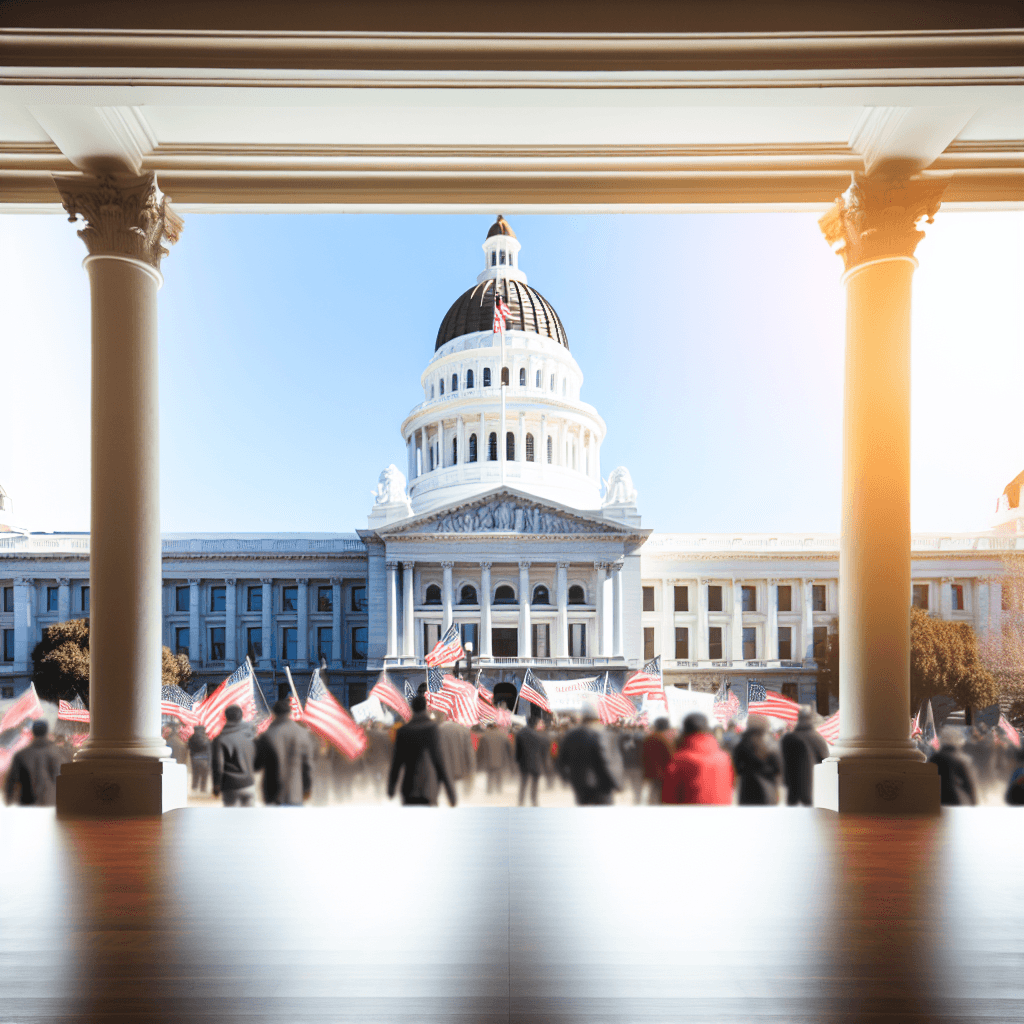
Asian Americans Face Record Anxiety Levels: What's Driving This Crisis?
Learn more about oil rises as iran ceasefire halts 60-day war deadline
Asian Americans are experiencing unprecedented levels of anxiety as the United States grapples with contentious debates over immigration policy, citizenship, and international relations with China. New survey data reveals a community caught between rising cultural visibility and deepening concerns about safety, belonging, and discrimination.
This anxiety comes six years after the COVID-19 pandemic sparked a wave of anti-Asian violence that fundamentally altered how many Asian Americans experience daily life. Despite declining hate crime numbers, the psychological impact persists, amplified by shifting federal policies and hardening public attitudes.
Why Do Asian Americans Report the Highest Anxiety Levels?
The 2026 STAATUS Index (Social Tracking of Asian Americans in the U.S.) paints a sobering picture of the Asian American experience. Released by The Asian American Foundation (TAAF) and NORC at the University of Chicago, the survey found that approximately 44% of Asian Americans report feeling worried about life right now.
Asian Americans are the only racial group where worry outweighs hope. While 44% express worry, only 40% report feeling hopeful about their current circumstances.
The survey, conducted from January 16 to February 10, 2026, drew from a nationally representative sample of 1,500 U.S. adults aged 18 and above. The margin of sampling error stands at plus or minus 3.17 percentage points at the 95% confidence level.
What Factors Drive Asian American Anxiety?
Several converging factors contribute to elevated anxiety levels within the Asian American community. Federal policies on immigration, trade, and visas increasingly shape how both Asian Americans and the broader public understand the community's place in American society.
The ongoing geopolitical tensions between the United States and China create additional pressure. Many Asian Americans, regardless of their actual national origin or citizenship status, find themselves viewed through the lens of international relations rather than as individual Americans.
Norman Chen, CEO of The Asian American Foundation, describes the current climate as "a shift from extreme incidents to more systemic pressure." While violent hate crimes may be declining, the underlying anxiety persists, fueled by immigration debates, China tensions, and persistent questions about citizenship and loyalty.
What Misconceptions Do Americans Hold About Asian Americans?
The STAATUS Index uncovered troubling misconceptions about Asian Americans held by the general public. These attitudes reveal the gap between perception and reality that contributes to community anxiety.
For a deep dive on noah kahan's 'the great divide' debuts at no. 1 australia, see our full guide
Key findings about public attitudes include:
- More than 1 in 5 U.S. adults (21%) believe Chinese Americans pose a threat to society
- Nearly 1 in 4 U.S. adults think Asian Americans are more loyal to another country than the United States, with half remaining unsure
- Almost 40% of Americans cannot name a famous Asian American, despite prominent figures like Bruno Mars and former Vice President Kamala Harris
- Asian Americans are perceived as successful and placed near the top of the U.S. "social ladder" by the public
For a deep dive on how to get discounted tsa precheck in may 2024, see our full guide
Why Does the Loyalty Question Still Persist?
The persistent questioning of Asian American loyalty represents one of the most insidious forms of discrimination the community faces. This "perpetual foreigner" stereotype has deep historical roots, dating back to exclusion laws and World War II internment camps.
Today, these doubts manifest in workplace discrimination, security clearance denials, and everyday microaggressions. When nearly one-quarter of Americans question Asian American loyalty, it creates an environment where community members must constantly prove their belonging.
Are Anti-Asian Hate Crimes Actually Declining?
Preliminary FBI data reviewed by Axios reveals a nuanced picture of anti-Asian hate crimes. While incidents fell 17% from 2024 to 2025, continuing a multi-year decline from the 2021 peak, the numbers remain dramatically elevated compared to pre-pandemic levels.
Anti-Asian hate crime stands approximately 200% higher than 2015 levels. This represents a lasting shift in the baseline rather than a return to previous norms. The community faces a "new normal" of heightened threat levels that shows no signs of reverting to pre-pandemic conditions.
The decline from peak levels offers limited comfort when the current rate remains double what it was a decade ago. For Asian Americans navigating daily life, the statistics translate to ongoing vigilance and persistent anxiety about personal safety.
How Has Anti-Asian Discrimination Evolved?
The nature of discrimination against Asian Americans is evolving. While headline-grabbing violent attacks may be decreasing, systemic pressures are intensifying through policy changes, workplace discrimination, and social exclusion.
Immigration restrictions, visa limitations, and heightened scrutiny in academic and professional settings create barriers that affect the entire community. These systemic issues may generate less media attention than violent crimes, but their cumulative impact on Asian American well-being is substantial.
Why Do Asian Americans Support DEI Programs Most Strongly?
Despite facing anxiety and discrimination, Asian Americans demonstrate strong support for inclusive policies. The STAATUS Index found that 66% of Asian Americans support diversity, equity, and inclusion (DEI) programs, the highest rate among any racial group compared to 48% overall.
This robust support for DEI initiatives reflects the community's lived experience with discrimination and their understanding of how inclusive policies benefit all marginalized groups. As Washington debates the future of DEI programs in federal agencies and beyond, Asian Americans stand as the demographic most invested in their continuation.
The strong support also challenges stereotypes that paint Asian Americans as politically conservative or indifferent to civil rights issues.
What Does the Future Hold for Asian American Communities?
Sruthi Chandrasekaran, data chief at TAAF, identifies reasons for cautious optimism. Americans prove "persuadable" when provided with additional context, particularly on issues like student visas. This suggests that education and exposure can shift public attitudes in positive directions.
However, the path forward remains uncertain. Federal immigration policies continue to harden, with implications for Asian American families and communities. The U.S.-China relationship shows no signs of warming, maintaining pressure on Asian Americans caught in the middle of geopolitical tensions.
Which Policies Impact Asian American Anxiety Most?
Several policy areas directly affect Asian American anxiety levels:
Immigration reform: Changes to family-based immigration and employment visas disproportionately impact Asian American communities.
Student visa policies: Restrictions on international students affect both current students and perceptions of Asian Americans generally.
Security clearance procedures: Heightened scrutiny in government and defense sectors creates career barriers.
Hate crime legislation: Federal and state responses to anti-Asian violence signal governmental commitment to community safety.
Each policy decision sends signals about how the nation values Asian American contributions and whether it views the community as truly American.
Why Doesn't Visibility Equal Belonging for Asian Americans?
Asian Americans occupy a paradoxical position in contemporary American society. Cultural visibility has never been higher, with representation increasing in entertainment, politics, and business leadership. Yet this visibility has not translated into feelings of safety, recognition, or belonging.
The STAATUS Index captures this disconnect. While Asian Americans gain prominence in public life, the data show that fundamental measures of inclusion lag behind. Nearly 40% of Americans cannot name a single famous Asian American, despite increased representation.
This visibility paradox creates its own form of anxiety. Asian Americans see themselves reflected in media and leadership positions, yet simultaneously face persistent questions about their loyalty, belonging, and place in American society.
How Does the Model Minority Myth Harm Asian Americans?
The "model minority" myth continues to harm Asian American communities by obscuring real challenges and discrimination. This stereotype suggests Asian Americans face no significant barriers and need no support or protection.
The anxiety data directly contradicts this narrative. When Asian Americans report higher worry levels than any other racial group, it reveals a community under significant stress despite outward markers of success.
How Can We Address Asian American Anxiety?
Addressing Asian American anxiety requires multifaceted approaches at individual, community, and policy levels. Education remains crucial, helping the broader public understand the diversity within Asian American communities and the challenges they face.
Policy makers must consider the cumulative impact of immigration restrictions, visa limitations, and security policies on Asian American mental health and community well-being. These decisions carry consequences beyond their immediate policy goals.
Community organizations play a vital role in providing support, advocacy, and spaces where Asian Americans can process their experiences. The work of organizations like TAAF in documenting these trends creates the evidence base necessary for informed policy discussions.
What Does This Data Mean for America's Future?
The 2026 STAATUS Index reveals a community at a crossroads. Asian Americans experience unprecedented cultural visibility while simultaneously facing elevated anxiety, persistent discrimination, and questions about their place in American society.
With 44% reporting worry about life right now, Asian Americans signal that current conditions are unsustainable. The gap between public perception of success and lived reality of anxiety demands attention from policy makers, community leaders, and the broader public.
As immigration debates intensify and U.S.-China tensions persist, the Asian American experience serves as a barometer for how the nation handles questions of identity, belonging, and inclusion. The data suggest that despite progress in representation, fundamental work remains to ensure Asian Americans feel safe, recognized, and truly at home in the United States.
Continue learning: Next, explore zara larsson's 'midnight sun' remix album unveiled
The path forward requires sustained commitment to combating discrimination, educating the public, and crafting policies that recognize Asian Americans as full participants in American life rather than perpetual foreigners or geopolitical pawns.
Related Articles

Trump's $100K Fee on H-1B Visas: A Game-Changer in Immigration Policy
Trump's new $100K fee on H-1B visas could reshape U.S. immigration policy, impacting businesses and foreign workers alike. Discover the implications.
Sep 20, 2025
Trump Administration Updates as Lawmakers Commemorate 9/11
As lawmakers remember 9/11, they reflect on Trump's policies and their ongoing impact on national security and future elections.
Sep 11, 2025

Kim Kardashian vs. Homeland Security: A Reality Clash
Kim Kardashian condemned ICE raids, prompting Homeland Security to label her 'misinformed'. The clash underscores the power of celebrity activism.
Sep 6, 2025
Comments
Loading comments...