Apple Gives Up on Vision Pro After M5 Refresh Flop
Apple has quietly shelved future Vision Pro development after the M5 refresh failed to spark consumer interest. The company sold just 600,000 units and faces unprecedented return rates.

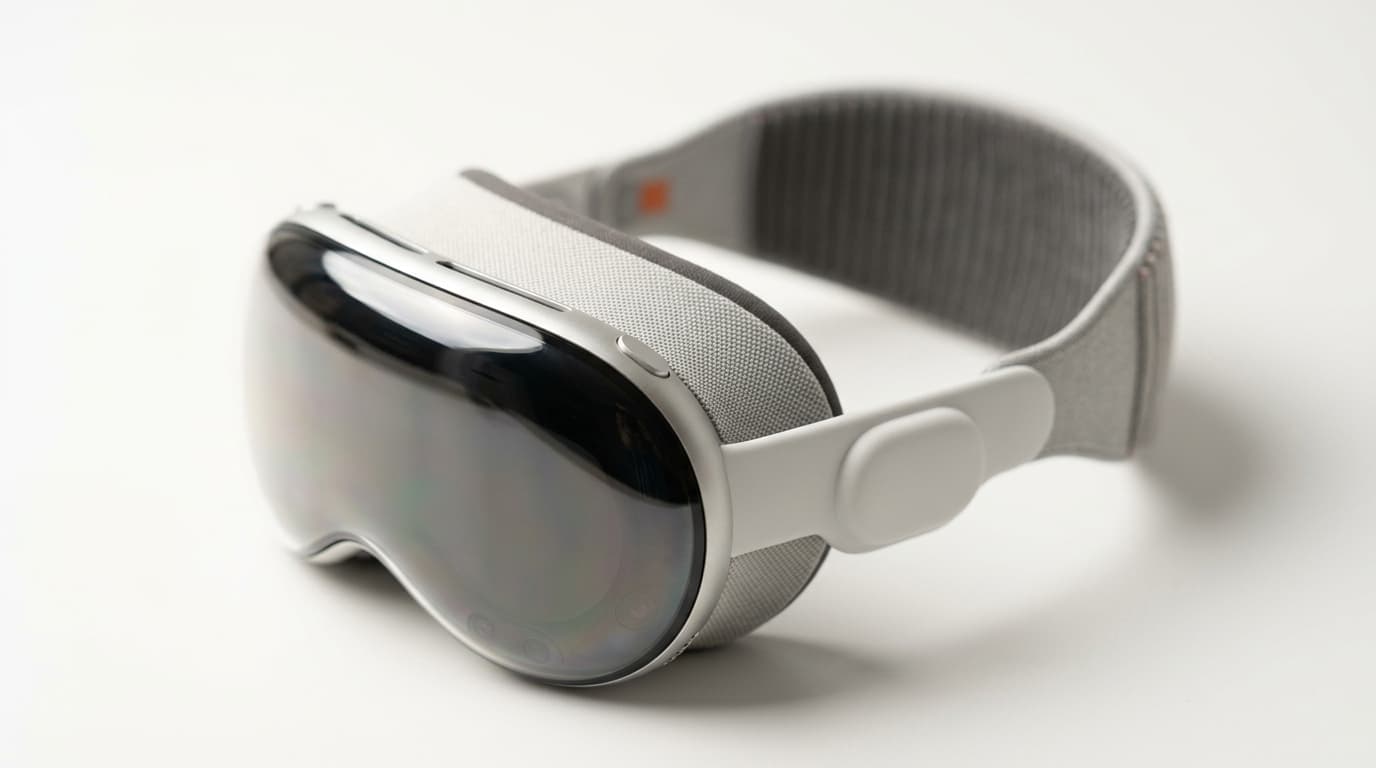
Why Did Apple Give Up on Vision Pro After the M5 Refresh Failed?
Learn more about amc seeks ad dollars for first views of lasting series
Apple's ambitious push into spatial computing has hit a wall. The tech giant abandoned future development of the Vision Pro after its M5 refresh failed to generate meaningful consumer interest. Despite launching with massive fanfare and representing years of research and development, the Vision Pro has become one of Apple's rare product missteps in recent memory.
The company halted future models, signaling a dramatic shift in strategy. Apple now redirects resources toward smart glasses that will eventually incorporate augmented reality features, marking a complete pivot from its original vision for spatial computing.
Did the M5 Update Improve Vision Pro Performance?
Apple updated the Vision Pro with an M5 chip and improved Dual Knit Band in October 2025, hoping to breathe new life into the struggling product. The M5 chip delivered tangible improvements, including a 120Hz refresh rate, 10 percent more rendered pixels, and approximately 30 additional minutes of battery life.
These enhancements were not enough. The $3,499 price tag remained unchanged, and consumers continued to stay away. The fundamental problems that plagued the original Vision Pro - weight and cost - remained unresolved.
The market response was clear. Sales figures tell a sobering story for a company accustomed to launching blockbuster products that reshape entire industries.
What Caused Vision Pro to Fail With Consumers?
The Vision Pro's struggles stem from multiple interconnected issues that Apple could not overcome with a simple chip upgrade:
- Excessive weight: At over 1.3 pounds, the device causes discomfort during extended wear sessions
- Prohibitive pricing: The $3,499 entry point placed it far beyond most consumers' budgets
- Limited use cases: Users struggled to find compelling reasons to wear the headset regularly
- Return rate crisis: Apple experienced unusually high returns, exceeding any modern product in its lineup
- Lack of ecosystem: The device launched without a robust library of must-have applications
For a deep dive on trump's big threats meet big tech's bigger wallets, see our full guide
The weight issue proved particularly problematic. Even with the improved Dual Knit Band designed to redistribute pressure, users reported difficulty wearing the Vision Pro for more than short periods.
This fundamental ergonomic flaw undermined the device's utility for productivity and entertainment. Comfort matters when users need to wear technology for extended sessions.
For a deep dive on anthropic bug causes $200 overcharge, refuses refund, see our full guide
How Many Vision Pro Units Did Apple Sell?
Apple sold approximately 600,000 Vision Pro units total, a figure that pales in comparison to the company's typical product launches. For context, Apple routinely sells millions of iPhones within the first weekend of availability.
The return rate tells an even more troubling story. Insider sources revealed that Vision Pro returns far exceeded any other modern Apple product, suggesting deep dissatisfaction among early adopters who took the plunge.
These customers, typically Apple's most loyal fans, found the experience lacking despite the premium price. These metrics represent more than disappointing sales figures - they indicate a fundamental disconnect between Apple's vision for spatial computing and consumer readiness for the technology.
Why Did Apple Cancel the Vision Air?
Apple had explored a more accessible alternative called the Vision Air. This lighter-weight, significantly cheaper model aimed to address the two biggest complaints about the Vision Pro: weight and price.
The project was cancelled last year. Apple determined that even a stripped-down version could not hit the right balance of features, comfort, and affordability while maintaining acceptable profit margins.
The technical challenges of creating a lighter headset without sacrificing core functionality proved insurmountable with current technology. This cancellation effectively closed the door on Apple's near-term VR ambitions.
What Do Leadership Changes Mean for Vision Pro?
The reassignment of Vision Pro chief Mike Rockwell to lead the Siri team in March 2025 provided an early signal of Apple's changing priorities. Rockwell's move was not a demotion but rather a strategic redeployment of talent toward projects with clearer paths to success.
Siri represents a critical battleground as AI assistants become increasingly central to user experiences. Apple has faced criticism for Siri lagging behind competitors like ChatGPT and Google's Gemini. Rockwell's expertise will now focus on catching up in the AI race rather than pushing forward with VR hardware.
This leadership transition effectively removed the Vision Pro's strongest internal advocate from the project. Future development became unlikely even if market conditions improved.
What Are Apple's Smart Glasses Plans?
Apple now channels its wearable technology efforts toward smart glasses that will compete with products like Ray-Ban Meta smart glasses. The first generation will focus on AI capabilities without an integrated display, dramatically simplifying the technical challenges and reducing costs.
This approach represents a more pragmatic path to market. Smart glasses without displays can achieve significantly lighter weight profiles, hit consumer-friendly price points, integrate seamlessly into daily life, and build an ecosystem gradually before adding AR features.
The strategy acknowledges that consumers are not ready for fully immersive spatial computing. Instead, Apple will introduce augmented reality capabilities incrementally as technology improves and costs decrease.
Will Apple Return to VR Eventually?
Apple has not completely closed the door on the Vision Pro line. The company continues selling the M5 model and has not officially discontinued the product. However, sources indicate no plans exist for future models.
A revival could happen if Apple achieves breakthroughs in key areas. The company would need to dramatically reduce weight, slash prices, and develop compelling use cases that justify the investment.
Current technology does not support these requirements, but future innovations might. The Vision Pro may eventually be remembered as ahead of its time - a product that pushed boundaries but arrived before consumers were ready to embrace spatial computing.
What Lessons Can We Learn From Vision Pro's Struggles?
The Vision Pro's struggles offer valuable insights into product development and market readiness. Even Apple, with its track record of creating product categories and reshaping consumer behavior, cannot force adoption of technology that does not solve clear problems.
The company's willingness to pivot demonstrates strategic flexibility. Rather than doubling down on a failing product, Apple redirects resources toward more promising opportunities.
The high return rates particularly stand out. Apple products typically enjoy industry-leading customer satisfaction and retention. The Vision Pro's failure to meet expectations even among early adopters who willingly paid $3,499 suggests fundamental issues that incremental updates could not address.
How Does Apple's Retreat Affect the Spatial Computing Industry?
Apple's retreat from VR sends ripples throughout the spatial computing industry. The company's entry into new categories typically validates markets and drives mainstream adoption. Its exit raises questions about consumer readiness for VR and AR technologies.
Competitors like Meta continue investing heavily in VR headsets, but they face similar challenges around pricing, comfort, and use cases. Apple's struggles suggest these are not problems unique to the Vision Pro but rather industry-wide obstacles that require technological breakthroughs to overcome.
The shift toward simpler smart glasses may indicate where the industry heads next. Building user bases with accessible products before introducing complex AR features could prove more successful than launching fully-featured headsets that overwhelm consumers.
What Does Vision Pro's Future Look Like?
Apple's decision to abandon Vision Pro development after the M5 refresh flop represents a strategic retreat rather than a complete failure. The company gathered valuable data about consumer preferences, technical limitations, and market readiness for spatial computing.
The Vision Pro sold 600,000 units and faced unprecedented return rates, proving that even Apple's brand power could not overcome fundamental issues with weight, price, and utility. The cancelled Vision Air project showed that solving these problems with current technology was not feasible.
Apple's pivot to smart glasses demonstrates adaptability and willingness to change course when products do not resonate. The company will incorporate lessons learned from the Vision Pro into future wearable technology, potentially returning to spatial computing when breakthroughs make truly compelling products possible.
Continue learning: Next, explore definity embeds ai agents in spark pipelines for real-tim...
For now, the Vision Pro remains available but represents a closed chapter in Apple's product evolution. The tech giant moves forward with a more measured approach to augmented reality, prioritizing accessibility and practicality over cutting-edge immersion.
Related Articles

AI Tools Reveal Identities of ICE Officers Online
AI's emerging role in unmasking ICE officers spotlights the intersection of technology, privacy, and ethics, sparking a crucial societal debate.
Sep 2, 2025

AI's Role in Unveiling ICE Officers' Identities
AI unmasking ICE officers underscores a shift towards transparent law enforcement, raising questions about privacy and ethics in the digital age.
Sep 2, 2025

AI Unveils ICE Officers: A Tech Perspective
AI's role in unmasking ICE officers highlights debates on privacy, ethics, and the balance between transparency and security in law enforcement.
Sep 2, 2025
Comments
Loading comments...