U.S. Blockade of Iran Ports: Trump Rejects New Talks
The United States has initiated a naval blockade of Iranian ports as President Trump doubles down on his hardline stance, rejecting any possibility of renewed diplomatic negotiations.
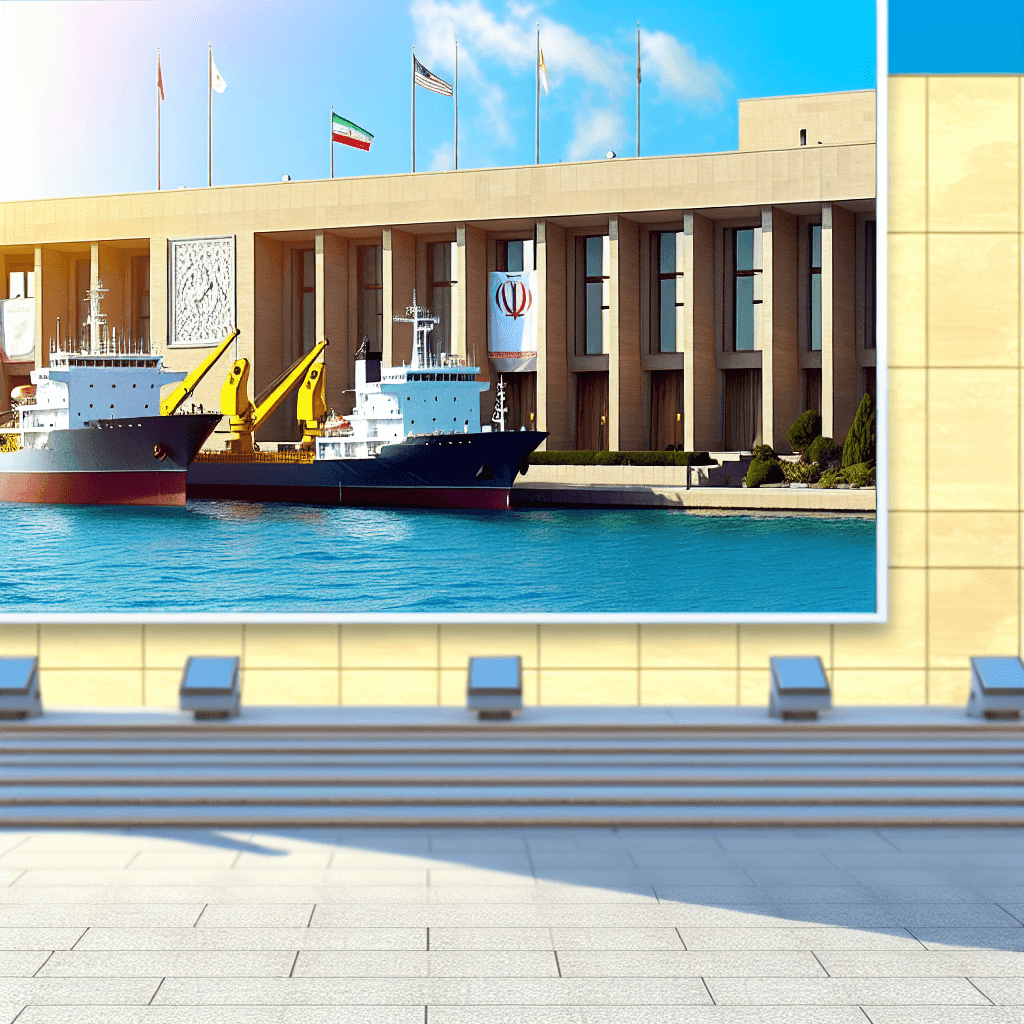
U.S. Blockade of Iran Ports Takes Effect as Trump Dismisses Diplomatic Overtures
Learn more about oil prices surge on trump's blockade vow, failed talks
The United States has initiated a naval blockade of Iranian ports, marking one of the most aggressive foreign policy moves in recent memory. President Donald Trump made clear his administration's position by stating he has no interest in pursuing new diplomatic talks with Tehran. This development represents a significant escalation in U.S.-Iran relations and could reshape Middle Eastern geopolitics for years to come.
The blockade went into effect following weeks of mounting tensions between Washington and Tehran. Military vessels from the U.S. Navy's Fifth Fleet have taken up positions around key Iranian maritime access points. This action effectively restricts Iran's ability to export oil and import essential goods through its primary shipping routes.
What Does the Iran Port Blockade Mean for Global Trade?
The naval blockade targets Iran's critical maritime infrastructure, including ports along the Persian Gulf and the Gulf of Oman. U.S. military officials report that multiple destroyers and support vessels have established a perimeter designed to inspect and potentially turn away ships entering or leaving Iranian waters.
This strategy differs from traditional sanctions by physically preventing maritime commerce. The blockade aims to cripple Iran's economy by cutting off its primary export revenue source: petroleum. Iran depends on oil exports for approximately 70% of its government revenue, making this action particularly devastating.
Key objectives of the blockade include:
- Preventing Iranian oil exports to international markets
- Restricting imports of goods that could support Iran's military capabilities
- Pressuring Tehran to abandon its nuclear program and regional activities
- Demonstrating American military dominance in the Persian Gulf region
- Deterring Iranian aggression against U.S. allies in the Middle East
Why Did Trump Reject Iran Negotiations?
For a deep dive on trump officials push banks to test anthropic's mythos model, see our full guide
President Trump declared he "doesn't care about new talks," signaling a dramatic shift from traditional diplomatic approaches. During a press briefing, Trump emphasized that his administration would not repeat what he called the "failed policies" of previous administrations. His comments suggest that economic and military pressure will remain the primary tools for dealing with Iran.
Trump has consistently criticized the 2015 Iran nuclear deal, formally known as the Joint Comprehensive Plan of Action (JCPOA). Since withdrawing from the agreement in 2018, his administration has pursued what officials call "maximum pressure" tactics. The current blockade represents the culmination of this strategy.
For a deep dive on trump orders navy blockade of strait of hormuz amid iran ..., see our full guide
The president's rejection of diplomacy comes despite reported back-channel communications from Iranian officials expressing willingness to negotiate. Multiple European allies have urged the administration to consider dialogue, but Trump remains unmoved.
How Are International Powers Responding to the Blockade?
The blockade has triggered swift reactions from international partners and adversaries alike. China and Russia have condemned the action as a violation of international law and maritime freedom. Both nations maintain significant economic ties with Iran and view the blockade as a threat to their strategic interests.
European allies find themselves in a difficult position. While many share concerns about Iran's nuclear ambitions and regional activities, they worry about the blockade's legality and potential consequences. France, Germany, and the United Kingdom have called for restraint and renewed diplomatic efforts.
The global oil market has reacted with significant volatility. Crude prices spiked immediately following the blockade announcement, with Brent crude jumping 8% in early trading. Analysts predict sustained price increases if the blockade continues, potentially affecting consumers worldwide through higher gasoline and energy costs.
Will Oil Prices Continue Rising?
Energy experts project that removing Iranian oil from global markets could eliminate approximately 2 million barrels per day from circulation. This reduction represents roughly 2% of global oil supply.
While other producers like Saudi Arabia and the United Arab Emirates could increase output, the sudden supply disruption creates uncertainty. Short-term price spikes seem inevitable, but long-term impacts depend on blockade duration and whether other nations honor it. Countries like China and India, major Iranian oil customers, must decide whether to challenge the blockade or seek alternative suppliers.
What Are the Military Risks of the Iran Blockade?
The blockade involves substantial military resources and carries inherent risks. The U.S. Navy has deployed carrier strike groups to the region, backed by air support from bases in neighboring countries. Military planners acknowledge that Iran could attempt to break the blockade, potentially leading to armed confrontation.
Iran's Islamic Revolutionary Guard Corps (IRGC) has threatened to respond forcefully to what it calls an "act of war." The IRGC controls significant naval assets, including fast attack boats and anti-ship missiles. The narrow Strait of Hormuz, through which roughly 20% of global oil passes, presents particular vulnerability.
Defense analysts warn about several potential flashpoints:
- Iranian attempts to escort commercial vessels through the blockade
- Proxy attacks against U.S. allies in Iraq, Syria, or Yemen
- Cyber operations targeting American infrastructure
- Harassment of U.S. naval vessels by IRGC boats
The Pentagon has assured that American forces are prepared for any contingency. However, even a minor incident could escalate rapidly given the high tensions and concentrated military presence in a confined area.
How Has Congress Responded to Trump's Iran Policy?
Trump's decision has divided American political leaders along predictable lines. Republican supporters praise the president for taking decisive action against what they characterize as the world's leading state sponsor of terrorism.
Democratic critics warn that the blockade risks unnecessary military conflict without congressional authorization. Several lawmakers have questioned whether the president has legal authority to impose a blockade without declaring war. Constitutional scholars note that such actions typically require congressional approval under the War Powers Act.
Public opinion polls show Americans remain deeply skeptical about Middle Eastern military involvement. Recent surveys indicate that 62% of Americans oppose military action against Iran without direct provocation. The blockade occupies a gray area, not quite war but certainly more aggressive than traditional sanctions.
What Impact Will the Blockade Have on Iranian Citizens?
Iran's economy, already struggling under years of sanctions, faces catastrophic consequences from the blockade. The Iranian rial has lost significant value, and inflation has soared above 40%. Basic goods are becoming increasingly scarce, and ordinary Iranians bear the brunt of economic hardship.
Humanitarian organizations express concern about the blockade's impact on civilian populations. While the U.S. maintains that humanitarian supplies will be permitted, the practical reality of naval enforcement often prevents legitimate goods from reaching their destinations.
Iranian government officials have accused the Trump administration of waging economic warfare against innocent civilians. They argue that the blockade violates international humanitarian law by collective punishment of an entire population. These claims resonate with some international observers who worry about unintended humanitarian consequences.
What Are the Possible Outcomes of This Standoff?
The coming weeks will prove critical in determining whether this confrontation escalates or finds resolution. Trump's refusal to engage in talks suggests a willingness to maintain pressure indefinitely. However, sustained military operations carry costs and risks that may eventually force reconsideration.
Several scenarios could unfold. Iran might seek to negotiate from a weakened position, accepting American demands in exchange for blockade removal. Alternatively, Tehran could attempt military action, triggering wider conflict. A third possibility involves international mediation efforts gaining traction despite Trump's current resistance.
The blockade's success depends partly on international cooperation. If major economies refuse to honor it and continue trading with Iran, its effectiveness diminishes. China has already indicated it will not recognize the blockade's legitimacy, setting up a potential confrontation between Washington and Beijing.
Conclusion: High Stakes in the Persian Gulf
The U.S. blockade of Iranian ports represents a high-stakes gamble in American foreign policy. President Trump's rejection of diplomatic talks demonstrates his commitment to maximum pressure tactics, regardless of international opposition or potential consequences.
Continue learning: Next, explore us oil exports hit record 5.2m barrels daily amid crisis
This confrontation will test American resolve, Iranian resilience, and international diplomatic mechanisms. The outcome could reshape Middle Eastern politics, global energy markets, and America's role in the world. The Persian Gulf has become a powder keg where one miscalculation could trigger consequences far beyond anyone's original intentions.
Related Articles

Trump's Final Ultimatum to Hamas: Accept Hostage Deal
Trump has issued a 'last warning' to Hamas to accept a hostage deal, stating that Israel is on board. This could be a significant turn in Middle East relations.
Sep 7, 2025
Trump and Witkoff Dine with Qatari PM Amid Tensions in Doha
Trump and Witkoff's recent dinner with Qatar's PM raises questions about U.S. foreign policy amid ongoing Middle Eastern tensions.
Sep 14, 2025
Trump to Meet Qatar's PM Amid Israeli Strike Fallout
Trump's upcoming meeting with Qatar's PM is crucial for U.S.-Middle East relations following the recent Israeli strike in Doha. Discover the implications.
Sep 12, 2025