Trump's 250-Foot Arch: Designs Unveiled for Monument
The Trump administration has unveiled designs for a massive 250-foot arch, sparking intense debate about presidential legacy, taxpayer costs, and national symbolism.
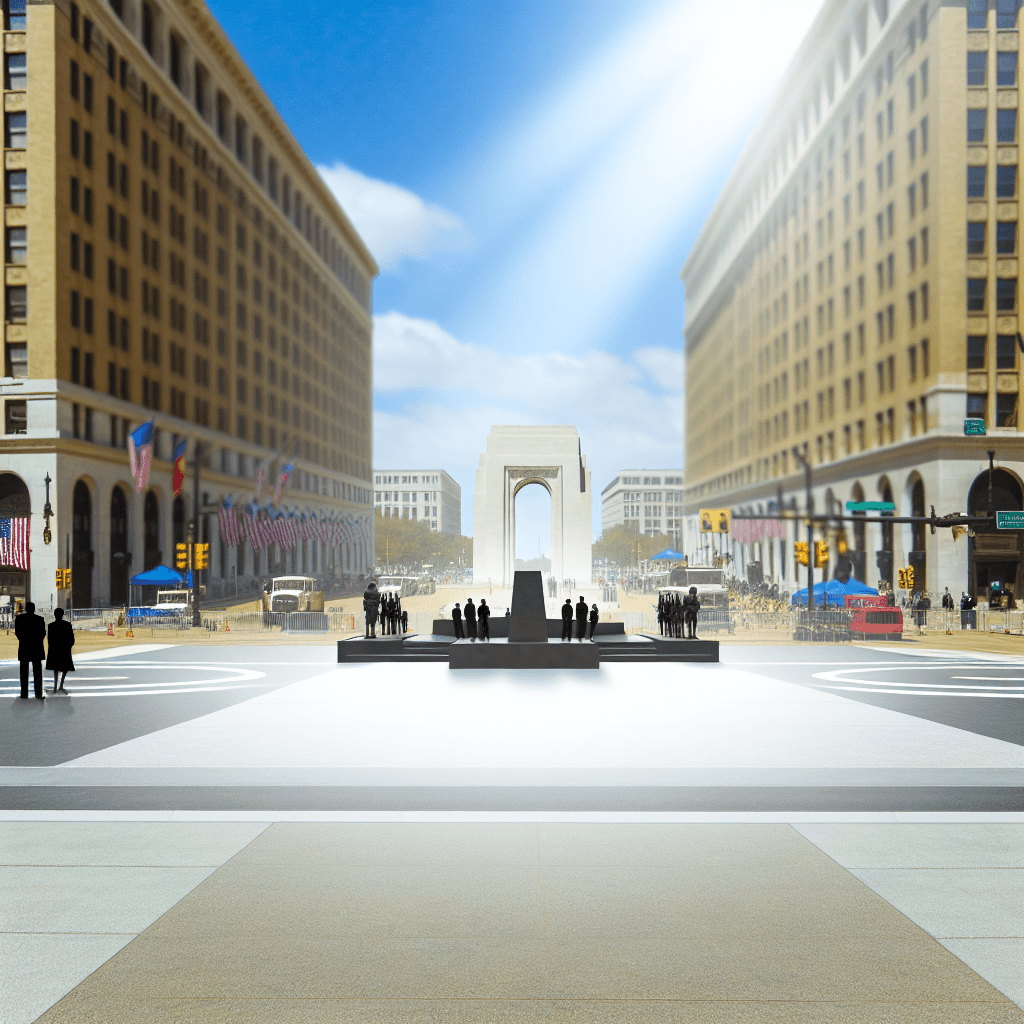
Trump's 250-Foot Arch: Official Designs Released for Controversial Monument
Learn more about satellite imagery withholding sets dangerous precedent
The Trump administration has released official designs for a controversial 250-foot arch that has ignited fierce political debate across the nation. The massive structure stands as a tribute to American achievement and presidential legacy. It represents one of the most ambitious architectural projects proposed by a sitting president in modern history.
Critics question the timing, cost, and purpose. Supporters view it as a bold statement of national pride.
The unveiling comes amid broader discussions about presidential monuments, federal spending priorities, and appropriate ways to commemorate political leadership. The arch design draws comparisons to historic monuments while incorporating distinctly modern elements that reflect Trump's signature aesthetic preferences.
What Do the Trump Arch Designs Reveal?
The architectural renderings showcase a colossal structure that would rival some of America's most iconic monuments in scale and ambition. Trump officials describe the arch as a celebration of American exceptionalism and economic prosperity during his administration.
The design features polished granite and limestone construction with gold-plated accents along the crown. The structure would span 200 feet in width and stand 250 feet tall. This makes it taller than the Statue of Liberty's pedestal and comparable to a 25-story building.
Interior spaces would house exhibition halls dedicated to American industrial achievement and economic milestones.
What Are the Key Architectural Features?
The proposed monument incorporates several distinctive characteristics that set it apart from traditional presidential memorials. Architects working on the project have emphasized both classical proportions and contemporary materials.
Key design specifications include:
- A central archway measuring 150 feet in height and 100 feet in width
- Inscription panels featuring quotes about American greatness and economic achievement
- LED lighting systems designed to illuminate the structure at night with programmable color schemes
- Observation platforms at multiple levels offering views of the surrounding landscape
- Underground visitor center with capacity for 500 people simultaneously
The architectural firm behind the designs has worked on several high-profile commercial projects but has limited experience with federal monuments. This choice has raised questions among architecture critics who note the departure from traditional selection processes for national memorials.
Where Will the Trump Monument Be Built?
For a deep dive on gen z gender voting gap linked to sexist attitudes study, see our full guide
Location discussions have centered on several potential sites, though officials have announced no final decision. Trump officials have suggested federal lands in states that showed strong electoral support during his campaigns.
Preliminary site assessments have examined locations in Florida, Texas, and Wyoming. Each potential site presents unique logistical challenges related to land acquisition, environmental impact, and accessibility.
For a deep dive on iran attacks saudi oil: impact on global energy markets, see our full guide
Federal land management agencies would need to approve any construction on public property. The location choice carries significant political implications beyond practical considerations.
Placement in a particular state would likely boost tourism and create construction jobs. This makes it a valuable economic asset that multiple communities are lobbying to host.
How Much Will Trump's Arch Cost Taxpayers?
Budget estimates for the project range from $150 million to $300 million, depending on final design specifications and site selection. These figures include construction costs, land preparation, infrastructure development, and initial operational expenses.
Funding mechanisms remain unclear and controversial. Trump officials have proposed a combination of federal appropriations, private donations, and potential naming rights for various monument components.
Congressional approval would be required for any federal funding allocation. Critics argue the costs represent poor fiscal priorities when infrastructure needs and social programs face budget constraints.
Supporters counter that presidential monuments have historically received public funding. They note the project would create jobs and stimulate local economies.
How Does the Cost Compare to Other Presidential Monuments?
The proposed budget significantly exceeds recent presidential memorial projects. The Martin Luther King Jr. Memorial cost approximately $120 million. The World War II Memorial reached $182 million.
However, direct comparisons prove difficult due to inflation, differing scales, and varying construction timelines.
Private fundraising efforts have already begun. A foundation established to solicit donations from supporters reports millions in commitments, though verification of these figures remains pending. The foundation's board includes several former Trump administration officials and business associates.
What Are Politicians Saying About the Arch?
The arch design has predictably divided politicians along partisan lines, though some unexpected voices have emerged on both sides. Republican lawmakers from potential host states have enthusiastically endorsed the project, citing economic benefits and historical significance.
Democratic critics have focused on cost concerns. They question whether a sitting president should commission such a monument to his own administration.
Some have called for congressional hearings to examine the project's funding sources and approval processes. Constitutional scholars debate whether existing laws adequately govern presidential monument proposals.
Independent analysts note that presidential monuments typically receive approval and funding years after an administration ends. This allows for historical perspective. The accelerated timeline for this project represents a departure from established norms that govern federal memorials.
What Do Voters Think About the Monument?
Public opinion polling shows sharp divisions that largely mirror partisan affiliations. Surveys indicate that approximately 65% of Republican voters support the monument concept. Meanwhile, 75% of Democratic voters oppose it.
Independent voters show more nuanced views, with support varying based on cost and location factors.
Some voters express concerns about the monument's focus on a single presidency rather than broader American themes. Others appreciate the bold architectural vision and potential tourism benefits. The debate reflects larger cultural divisions about presidential legacy, appropriate uses of public funds, and national symbolism.
How Do Presidential Monuments Typically Get Built?
American presidents have long sought to shape their legacies through architectural and memorial projects, though approaches have varied considerably. Mount Rushmore, while not commissioned by the presidents depicted, represents the most iconic example of presidential commemoration through monumental sculpture.
More recent presidents have typically focused on presidential libraries as their primary legacy institutions. These facilities combine archives, museums, and educational programming while generally avoiding the overtly commemorative character of monuments.
The shift toward libraries reflected changing attitudes about presidential self-aggrandizement and appropriate memorial practices.
Trump's proposed arch represents a return to earlier traditions of grand presidential monuments. It incorporates scale and design elements unprecedented in modern federal architecture. Historians note that such projects often become more controversial during a president's term than in retrospective evaluation.
What Approval Process Does the Trump Arch Face?
Federal law establishes specific processes for creating presidential monuments and memorials. The Commemorative Works Act requires congressional authorization for memorials on federal land in Washington, D.C. It establishes design review procedures through multiple agencies.
For monuments outside the capital, different regulations apply depending on land ownership and funding sources. National Park Service involvement typically requires environmental assessments and public comment periods.
These procedural requirements can extend project timelines by several years.
The Trump administration has explored potential pathways to expedite approvals. This includes executive orders related to federal construction projects. Legal experts debate whether such measures could bypass standard review processes or whether congressional action remains necessary.
What Happens Next with the Arch Project?
The design unveiling represents an early stage in what will likely be a lengthy development process. Several critical steps must occur before construction could begin. These include site selection finalization, environmental impact assessments, and funding confirmation.
Congress will play a crucial role in determining whether the project proceeds. Appropriations committees would need to approve any federal funding. Oversight committees may investigate the planning process and expenditure justifications.
The political composition of Congress will significantly influence these decisions.
Legal challenges appear likely regardless of how the project advances. Environmental groups, fiscal watchdog organizations, and political opponents may file lawsuits challenging various aspects of the approval process, funding mechanisms, or site selection. Such litigation could delay or permanently halt construction.
When Could Construction Begin on the Trump Arch?
If all approvals proceed smoothly, construction could theoretically begin within 18-24 months. However, most experts consider this timeline highly optimistic given regulatory requirements and probable legal challenges.
A more realistic projection suggests three to five years before groundbreaking. This assumes the project survives political and legal scrutiny.
Construction itself would require approximately three to four years for a project of this scale. Specialized engineering challenges related to the arch's height and span would necessitate careful phased construction with extensive safety measures. Weather conditions at potential sites could extend these timelines further.
Why Does the Trump Arch Matter for Presidential Legacy?
The arch controversy extends beyond immediate political battles to raise fundamental questions about how Americans commemorate leadership and create public memory. Presidential monuments reflect not only individual legacies but also national values and priorities at specific historical moments.
Scholars studying public memory note that monument debates often reveal deeper cultural conflicts. These include disputes about national identity, historical interpretation, and appropriate uses of public space.
The Trump arch discussion touches on all these themes while adding contemporary concerns about political polarization and institutional norms.
Future generations will ultimately judge both the monument itself, if built, and the process that created it. Historical precedent suggests that controversial monuments often become less divisive over time, though some remain perpetual sources of debate. The arch's fate will depend on political developments, legal outcomes, and evolving public attitudes about the Trump presidency.
The unveiling of designs for Trump's 250-foot arch marks a significant moment in ongoing debates about presidential legacy, federal spending, and national symbolism. Whether the monument ever rises from blueprints to reality remains uncertain. Success depends on political will, legal challenges, and public support.
Continue learning: Next, explore americans' fourth amendment rights are not for sale
The project has already succeeded in generating intense discussion about how Americans memorialize leadership and allocate public resources. As the debate continues, the arch serves as a tangible focal point for broader questions about presidential power, historical memory, and the appropriate scale of commemorating political leadership in a democratic society.
Related Articles
Lisa Cook Bank Docs Contradict Mortgage Fraud Allegations
Lisa Cook's bank documents challenge mortgage fraud allegations, revealing crucial insights that could reshape the political narrative. Explore the implications.
Sep 13, 2025
Federal Judge Halts Trump's Move to Fire Fed's Lisa Cook
A federal judge has stopped Trump from firing Fed Governor Lisa Cook for now, in a pivotal moment for U.S. governance and legal oversight.
Sep 10, 2025

Trump's Final Ultimatum to Hamas: Accept Hostage Deal
Trump has issued a 'last warning' to Hamas to accept a hostage deal, stating that Israel is on board. This could be a significant turn in Middle East relations.
Sep 7, 2025