Middle East Crisis Deepens: US Jets Crash, Iran Rejects Talks
Multiple Middle East crises converge as US military faces setbacks in Kuwait, Iran rejects diplomatic talks, and deadly Israeli strikes claim 31 lives in Lebanon.
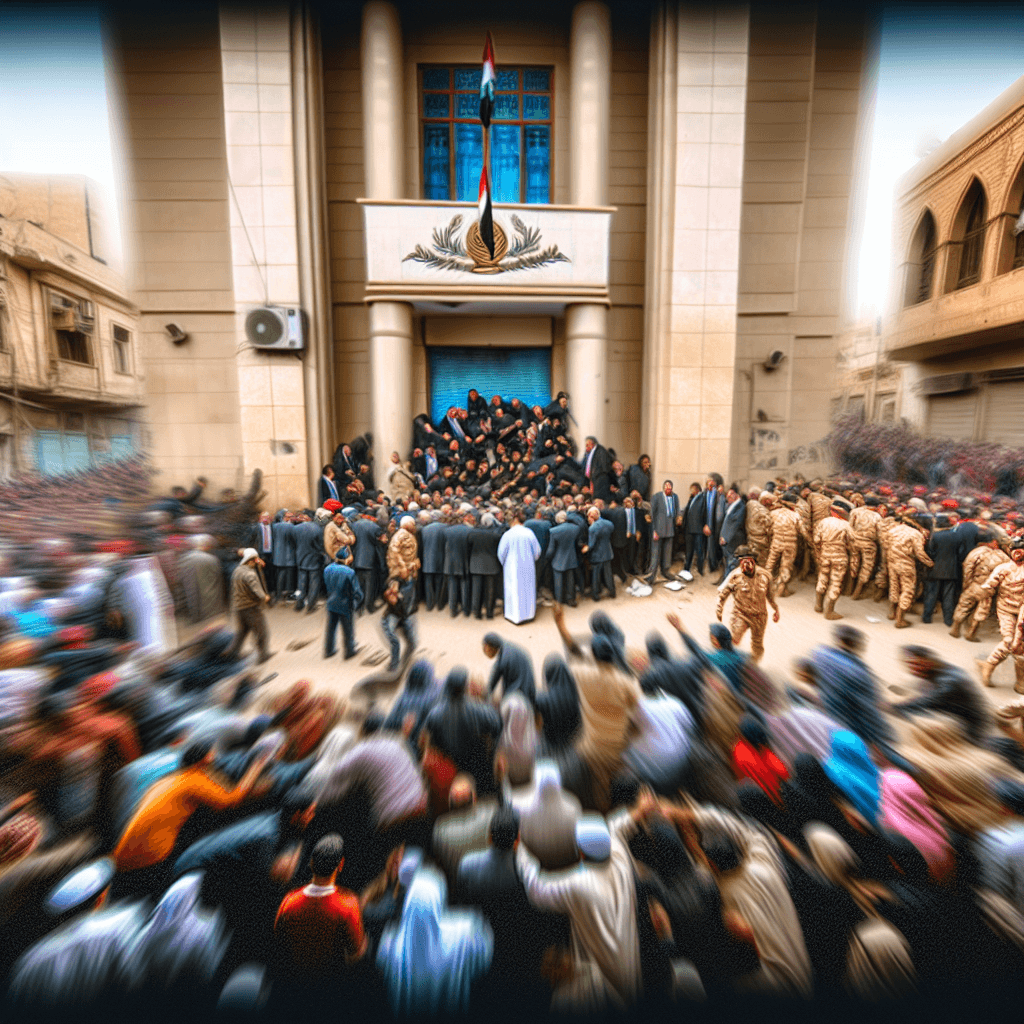
Middle East Crisis Escalates: What Do Military Setbacks and Diplomatic Failures Mean for Regional Stability?
Learn more about trump's military interventionism: data shows policy shift
The Middle East faces escalating tensions as multiple crisis points converge in a dangerous spiral. Recent developments include US military aircraft crashes in Kuwait, Iran's firm rejection of diplomatic negotiations, and deadly Israeli strikes in Lebanon that claimed 31 lives. These interconnected events highlight the region's volatile security landscape and its potential impact on global stability.
What Caused US Military Setbacks in Kuwait?
US jets crashed in Kuwait during routine operations, marking another concerning incident for American military presence in the Gulf region. The crashes underscore operational challenges facing US forces as they maintain strategic positions across the Middle East.
Kuwait serves as a crucial staging ground for US military operations in the region. The small Gulf nation hosts significant American forces and equipment, making any operational disruptions particularly noteworthy for regional security analysts.
The timing of these crashes coincides with heightened regional tensions. Military experts point to increased operational tempo and challenging environmental conditions as contributing factors.
How Do These Crashes Affect US Military Readiness?
The crashes raise questions about equipment maintenance and operational safety protocols. US military officials typically conduct thorough investigations following such incidents to prevent future occurrences.
Key concerns include:
- Equipment reliability under extreme conditions
- Pilot training and safety protocols
- Maintenance schedules for deployed aircraft
- Impact on regional mission capabilities
Why Did Iran Reject Diplomatic Negotiations?
Iran's leadership delivered a clear message rejecting current diplomatic overtures. This stance represents a significant setback for international efforts to de-escalate Middle Eastern tensions through dialogue.
The rejection comes at a critical time when multiple regional actors seek to manage escalating conflicts through diplomatic channels. Iran's position effectively closes one potential avenue for conflict resolution.
Tehran's decision reflects broader strategic calculations about regional power dynamics. Iranian officials cite ongoing sanctions and regional military pressures as factors influencing their diplomatic stance.
What Does Iran's Position Mean for Regional Stability?
Iran's rejection of talks carries implications far beyond bilateral relationships. The country's influence extends across multiple regional conflicts, making its diplomatic participation crucial for comprehensive solutions.
Regional implications include:
- Limited options for conflict de-escalation
- Increased reliance on military solutions
- Potential for proxy conflict expansion
- Challenges for international mediation efforts
How Deadly Were the Israeli Strikes in Lebanon?
Israeli military operations in Lebanon resulted in 31 confirmed deaths. The strikes targeted what Israeli officials described as militant positions and infrastructure.
Lebanese authorities reported civilian casualties among the dead, raising international concerns about proportionality in military responses. The strikes represent some of the deadliest incidents in recent cross-border exchanges.
The escalation follows weeks of increasing tensions along the Israel-Lebanon border. Both sides have engaged in exchanges that have gradually intensified in scope and lethality.
What Are the Regional Security Implications?
The Lebanese casualties mark a dangerous escalation that could trigger broader regional responses. Hezbollah and other regional actors may feel compelled to respond, potentially widening the conflict.
International observers express concern about:
- Civilian casualty levels
- Potential for conflict expansion
- Impact on Lebanese stability
- Regional alliance responses
How Is the International Community Responding?
Global powers closely monitor these developments as they assess potential interventions or diplomatic initiatives. The United Nations and other international bodies face pressure to address the escalating violence.
European allies express particular concern about refugee flows and regional stability impacts. The escalation complicates ongoing diplomatic efforts across multiple Middle Eastern conflict zones.
How Are These Crisis Points Connected?
These three developments illustrate the interconnected nature of Middle Eastern security challenges. Each incident influences regional calculations and response strategies among various actors.
The convergence of military setbacks, diplomatic failures, and escalating violence creates a particularly volatile environment. Regional powers must navigate multiple crisis points simultaneously while managing domestic and international pressures.
Analysts warn that the combination of factors could lead to miscalculations or unintended escalations. The absence of effective diplomatic channels, highlighted by Iran's rejection of talks, limits options for peaceful resolution.
What Are the Strategic Implications for US Policy?
These developments present significant challenges for American Middle East strategy. The US must address operational setbacks while managing alliance relationships and regional stability concerns.
Policy considerations include:
- Military presence adjustments
- Diplomatic engagement strategies
- Alliance coordination efforts
- Crisis response planning
The situation requires careful balancing of competing interests and priorities. American officials must weigh immediate security concerns against longer-term strategic objectives.
What Scenarios Could Unfold Next?
The current trajectory suggests several possible developments in the coming weeks. Regional actors face critical decisions about escalation versus restraint as multiple crisis points intersect.
Diplomatic efforts may intensify despite Iran's current rejection of talks. International mediators often persist through initial rejections to find eventual breakthrough opportunities.
Military preparations across the region indicate readiness for various scenarios. Both state and non-state actors appear to be positioning for potential conflict expansion or de-escalation.
What Should We Watch for Next?
Key indicators include response patterns from regional allies and adversaries. The international community's reaction will also shape how these crises develop.
Critical factors to monitor:
- Regional alliance responses
- International diplomatic initiatives
- Military positioning changes
- Economic impact assessments
Continue learning: Next, explore trump crossed 'red line' with soleimani killing, iran official says
The Middle East crisis continues evolving as multiple actors navigate competing interests and escalating tensions. Recent developments in Kuwait, Iran, and Lebanon demonstrate the region's complex security challenges and their potential for rapid escalation. Effective crisis management requires coordinated international responses and sustained diplomatic engagement despite current setbacks.
Related Articles
Republican Governor Urges Trump Administration: Keep Broadband Funds
A Republican governor raises concerns about the Trump administration's potential restrictions on a $42 billion broadband fund crucial for state internet access.
Sep 10, 2025

US Financial Firms Commit $1.7 Billion to UK Before Trump's Visit
US financial firms have pledged $1.7 billion to the UK just before Trump's visit, signaling strong economic ties and potential political implications.
Sep 14, 2025
Charlie Kirk, Close Trump Ally, Shot Dead at Utah University
Charlie Kirk, a prominent ally of Trump, was shot dead at a Utah university. This incident raises serious questions about political safety and discourse in America.
Sep 13, 2025