Gypsy Rose Blanchard Jokes About Killing Mom in TikTok
Gypsy Rose Blanchard issued an apology after a controversial TikTok video showed her making light of her mother's murder, reigniting public debate about her case and rehabilitation.

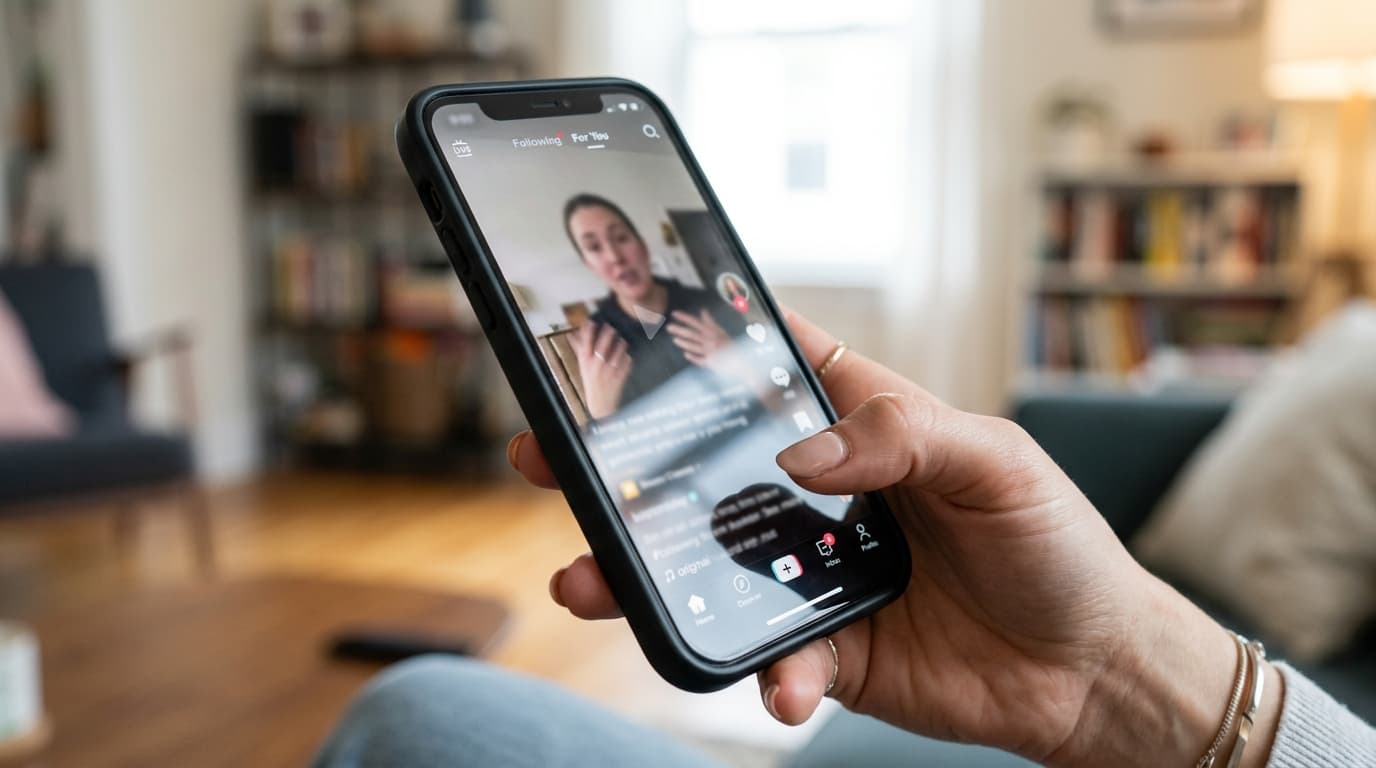
Gypsy Rose Blanchard Faces Backlash Over TikTok Video Joking About Mother's Murder
Learn more about the jay-z interview: gq's exclusive sit-down revealed
Gypsy Rose Blanchard apologized after appearing in a TikTok video where she joked about killing her mother, Dee Dee Blanchard, in 2015. The controversial clip, posted by influencer Natalie Reynolds, showed Blanchard participating in the "We listen and we don't judge" trend. The video sparked immediate outrage across social media platforms, forcing the 34-year-old to address the incident publicly.
The Gypsy Rose Blanchard case captivated the nation when details emerged about years of medical abuse she suffered at the hands of her mother. Dee Dee Blanchard subjected her daughter to unnecessary medical procedures and treatments, fabricating illnesses in a severe case of Munchausen syndrome by proxy. Gypsy Rose conspired with her then-boyfriend, Nicholas Godejohn, to murder her mother in June 2015.
What Happened in the Controversial TikTok Video?
The video featured Blanchard and Reynolds taking turns confessing actions they feared might be judged. When Blanchard's turn came, she referenced her past, making a comment about her mother's death. The lighthearted nature of the TikTok trend clashed dramatically with the serious subject matter of matricide.
Social media users immediately criticized Blanchard for making light of the murder. Many commenters expressed disappointment that someone who had received public sympathy would joke about such a tragic situation. Reynolds eventually removed the video from her account after it accumulated thousands of critical comments.
Blanchard released an apology statement days after the video went viral. She acknowledged that her participation showed poor judgment and was insensitive to those affected by the tragedy.
What Was the Medical Abuse Gypsy Rose Endured?
For a deep dive on saturday night live uk review: tina fey launch verdict, see our full guide
Understanding the current controversy requires context about Blanchard's extraordinary circumstances. Dee Dee Blanchard convinced doctors, family members, and charitable organizations that her daughter suffered from multiple severe conditions. These fabricated illnesses included leukemia, muscular dystrophy, and brain damage.
Gypsy Rose spent her childhood and young adulthood confined to a wheelchair she didn't need. She underwent unnecessary surgeries, took medications that made her sick, and was denied a normal education. Medical professionals estimate she endured dozens of procedures based entirely on her mother's false claims.
For a deep dive on hollywood teams don't stick together to learn from failure, see our full guide
The abuse extended beyond medical maltreatment. Dee Dee controlled every aspect of her daughter's life, including her food intake and social interactions. She shaved Gypsy Rose's head to maintain the appearance of chemotherapy treatment.
Dee Dee falsified birth certificates to make her daughter appear younger than her actual age. She isolated Gypsy Rose from potential support systems that might discover the deception. She accepted substantial charitable donations and benefits based on fraudulent medical claims.
Gypsy Rose eventually met Nicholas Godejohn through an online dating site. Their relationship developed in secret, as Dee Dee monitored her daughter's activities closely. In June 2015, Godejohn traveled to the Blanchard home in Springfield, Missouri, where he stabbed Dee Dee to death while Gypsy Rose waited in another room.
How Did the Legal System Handle the Gypsy Rose Blanchard Case?
Prosecutors charged Gypsy Rose with second-degree murder despite her history of abuse. The legal proceedings revealed the extent of her mother's manipulation and control. Mental health experts testified about the psychological impact of years of medical abuse and isolation.
In 2016, Blanchard accepted a plea deal and received a 10-year prison sentence. Many observers felt this was appropriate given her circumstances, while others believed she deserved a harsher penalty. Godejohn, who actually committed the stabbing, was convicted of first-degree murder and sentenced to life in prison without parole.
Blanchard was released on parole in December 2023 after serving approximately eight years. Her release generated significant media attention, with many following her transition back into society. She quickly established a presence on social media platforms, sharing details about her new life and experiences.
Why Is Social Media Presence Problematic for Parolees?
The recent TikTok controversy highlights challenges facing formerly incarcerated individuals in the digital age. Blanchard's case presents unique complications because of her celebrity status within true crime communities. Her story has been featured in documentaries, television series, and countless articles.
Social media offers parolees opportunities to rebuild their lives and connect with supportive communities. However, it also exposes them to scrutiny and creates situations where poor judgment can have immediate consequences. Blanchard's participation in a lighthearted trend about a serious crime demonstrates the difficulties of navigating public life after incarceration.
Criminal justice experts note several concerns about parolees maintaining high-profile social media accounts. Constant public attention can interfere with rehabilitation and reintegration. The pressure to create engaging content may lead to poor decisions.
Online interactions can trigger trauma responses or unhealthy behaviors. Public figures face heightened expectations that don't account for their adjustment period. Social media fame can become a barrier to developing a stable, private life.
What Does This Incident Reveal About Public Perception?
The backlash against Blanchard's TikTok video reflects conflicting attitudes about her case. Many people sympathize with the abuse she endured while simultaneously believing she should show more remorse. The expectation that she maintain a somber demeanor about her past creates an impossible standard for someone trying to build a new life.
Public reactions split along several lines. Some commenters argued that Blanchard deserves grace as she adjusts to freedom after years of incarceration. Others insisted that joking about murder, regardless of circumstances, crosses an ethical line.
Victim advocates point out that Dee Dee Blanchard's family members continue to grieve her loss. While Gypsy Rose suffered terrible abuse, her mother's death still represents a tragedy for those who loved her. The TikTok video appeared to dismiss their pain and the seriousness of taking a human life.
How Should Society Balance Sympathy and Accountability?
The Gypsy Rose Blanchard case challenges simple narratives about perpetrators and victims. She occupies both roles simultaneously, which complicates discussions about appropriate punishment and redemption. The TikTok incident demonstrates that public figures with criminal histories face unique pressures.
Criminal justice reform advocates emphasize the importance of allowing formerly incarcerated individuals to make mistakes during reintegration. Learning appropriate social boundaries takes time, especially for someone whose entire life was controlled by an abusive parent. Blanchard spent crucial developmental years either under her mother's manipulation or in prison.
However, the public platform she maintains comes with responsibilities. Her large following includes young people who may not fully understand the gravity of her actions. Making light of murder, even in the context of a TikTok trend, sends problematic messages about violence and accountability.
What Are the Lessons From the Gypsy Rose Blanchard TikTok Controversy?
The incident offers insights for both individuals and society. Blanchard's apology suggests she recognizes the mistake, though critics question whether she fully grasps the impact. Her continued presence on social media will likely generate additional controversies as she navigates her new freedom.
For the criminal justice system, this case highlights the need for better support systems for high-profile parolees. Traditional reintegration programs don't account for individuals who become celebrities through their crimes. Blanchard would benefit from guidance about managing public attention and social media presence.
The public reaction also reveals our collective struggle with nuanced situations. People want clear categories of good and evil, but reality rarely provides them. Gypsy Rose Blanchard's story resists simple interpretation, forcing us to consider how abuse affects decision-making and moral responsibility.
Gypsy Rose Blanchard's Path Forward After Controversy
Gypsy Rose Blanchard's TikTok controversy demonstrates the ongoing challenges she faces as a public figure with a criminal past. Her participation in a lighthearted trend about her mother's murder showed poor judgment and sparked justified criticism. The incident reminds us that rehabilitation is a process, not an event, and that mistakes are inevitable during reintegration.
The case continues to raise important questions about accountability, sympathy, and second chances. While Blanchard's history of abuse provides context for her actions, it doesn't excuse all behavior. Society must find ways to support formerly incarcerated individuals while maintaining appropriate expectations for their conduct.
Continue learning: Next, explore 'bucks harbor' review: a wistful portrait of maine life
As this controversy fades, the broader lessons about criminal justice, social media, and public perception remain relevant for future cases. The Gypsy Rose Blanchard story serves as a reminder that complex situations require nuanced responses, not simple judgments.
Related Articles

Prince Harry Meets King Charles: A Long-Awaited Reunion
Prince Harry meets King Charles for the first time in over a year. Discover the significance of this emotional reunion and its impact on the royal family.
Sep 12, 2025
Nina Dobrev and Shaun White Call Off Engagement After 5 Years
Nina Dobrev and Shaun White have called off their engagement after over five years together. Explore the timeline of their relationship and insights into their split.
Sep 12, 2025

Smartphones Before 13: A Risk to Lifelong Mental Health?
Early smartphone use linked to mental health issues later in life, urging action to protect young minds from social media, cyberbullying, and sleep loss.
Sep 6, 2025