Find a Custom Windows Optimization Project for Music Prod...
Discover how custom Windows optimization projects can eliminate audio dropouts, reduce latency, and transform your computer into a stable music production powerhouse.

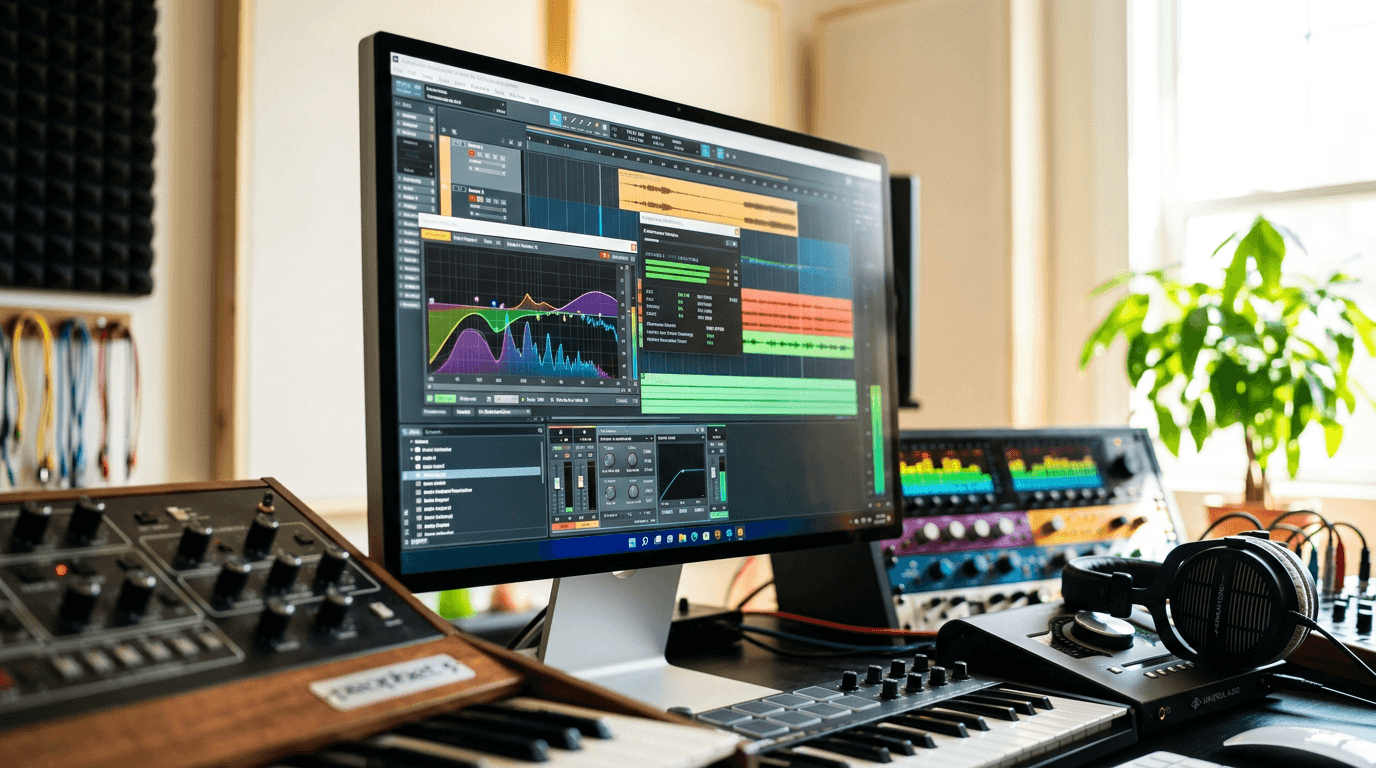
Custom Windows Optimization Projects for Music Production: Your Complete Guide
Learn more about ios 27 expands ai: claude & gemini join apple intelligence
Your DAW crashes during a critical recording session. Buffer underruns plague your mix. CPU spikes force you to freeze tracks constantly.
These frustrations stem from Windows running services and processes that compete with your audio workstation for system resources. Finding a custom Windows optimization project designed specifically for music production can transform your computer into a stable, low-latency powerhouse.
Why Does Windows Optimization Matter for Music Producers?
Windows ships with dozens of background services, telemetry processes, and visual effects that drain CPU cycles and increase latency. While these features serve general users, they actively harm real-time audio processing. A single Windows Update can spike your CPU to 100%, ruining an otherwise perfect take.
Professional studios invest thousands in hardware, yet many overlook the software foundation. A properly optimized Windows installation can reduce audio latency by 30-50% and eliminate the random dropouts that plague stock configurations.
The difference between a generic Windows setup and an optimized one often exceeds the performance gain from upgrading your CPU.
How Do You Find the Right Custom Windows Optimization Project?
Several community-driven projects focus on audio production optimization. These projects range from simple script collections to comprehensive system tweaks that address every aspect of Windows performance.
What Makes a Good Optimization Project?
Look for projects that document every change they make to your system. Transparency matters because you need to understand what modifications affect your workflow. The best projects provide rollback options if specific tweaks cause compatibility issues with your particular hardware or software setup.
Active development and community support separate reliable projects from abandoned experiments. Check the project's update frequency and user forum activity. A thriving community means you'll find solutions when problems arise and benefit from collective troubleshooting experience.
Where Can You Find Popular Windows Optimization Resources?
For a deep dive on valve releases steam controller cad files under cc license, see our full guide
The music production community has developed several trusted optimization approaches. Some projects focus on registry tweaks and service management, while others provide pre-configured Windows images or installation scripts.
Look for optimization guides on major audio forums where producers share their configurations. These community-vetted approaches typically include specific tweaks for different DAWs and audio interfaces. Real-world testing by actual producers provides more reliable results than generic performance optimization.
For a deep dive on why no torrentz? legal music production software matters, see our full guide
What Key Optimization Areas Should You Address?
A comprehensive Windows optimization project should tackle multiple system components. Understanding these areas helps you evaluate whether a project covers all critical aspects of audio production performance.
Power Management and CPU Scheduling
Windows power plans throttle CPU performance to save energy. Your optimization project should configure high-performance power settings and disable CPU parking, which puts processor cores to sleep. These changes ensure consistent processing power for real-time audio tasks.
Core parking particularly impacts multi-core systems. When Windows parks cores, bringing them back online creates latency spikes that manifest as audio dropouts. Disabling this feature maintains all cores in an active state, ready for immediate audio processing demands.
Network and Background Services
Windows runs numerous network services that create periodic CPU interruptions. Your optimization should disable or configure these services appropriately:
- Windows Update (set to manual or scheduled)
- Windows Search indexing
- Telemetry and diagnostic services
- HomeGroup and network discovery
- Bluetooth services (if not used for audio)
Each disabled service frees system resources and reduces potential interrupt sources. However, some services support essential functions, so complete documentation helps you understand trade-offs.
Visual Effects and Desktop Composition
Windows Aero and modern visual effects consume GPU resources and create DPC latency. Optimization projects should disable unnecessary animations, transparency effects, and visual flourishes. These changes reduce system overhead and improve overall responsiveness.
The Desktop Window Manager (DWM) can cause latency issues in some configurations. While completely disabling DWM is not possible in Windows 10 and 11, optimization projects can configure it for minimal interference with audio processing.
Disk and Storage Optimization
Disk activity creates system interrupts that compete with audio processing. Your optimization should address Windows features that cause unexpected disk access:
- Disable automatic defragmentation during work hours
- Configure Windows Defender for scheduled scans only
- Adjust virtual memory (page file) settings
- Disable system restore points on audio drives
These tweaks ensure consistent disk performance when streaming audio samples and recording multiple tracks simultaneously.
How Can You Safely Implement Optimization Projects?
Applying system optimizations requires careful planning. Even well-designed projects can cause issues if implemented incorrectly or on incompatible hardware configurations.
Create System Backups First
Before running any optimization scripts or making registry changes, create a complete system image. Windows includes backup tools, but third-party solutions often provide faster restoration. This safety net lets you experiment confidently, knowing you can revert changes if needed.
Document your current system state, including driver versions and audio interface settings. This baseline helps you identify which specific optimizations provide the most benefit and which might cause problems with your setup.
Apply Changes Incrementally
Implement optimizations in stages rather than applying everything at once. This approach helps you identify problematic tweaks before they compound into system instability. Test your DAW and plugins after each major change to ensure everything functions correctly.
Run latency monitoring tools like LatencyMon between optimization stages. These tools identify drivers and processes causing DPC latency spikes. Watching these metrics helps you verify that optimizations actually improve performance rather than just changing settings arbitrarily.
Verify Audio Interface Compatibility
Some optimizations affect USB or PCIe communication, potentially impacting audio interface stability. After optimization, test your interface at various buffer sizes and sample rates. Ensure you can achieve your target latency without dropouts or glitches.
Check with your audio interface manufacturer for specific Windows optimization recommendations. Many professional audio companies publish optimization guides tailored to their hardware, addressing known compatibility considerations.
How Do You Measure Optimization Success?
Objective metrics help you determine whether optimizations actually improve your production environment. Subjective feelings of improved performance should be confirmed with real data.
What Buffer Size Can You Achieve?
Your minimum stable buffer size directly reflects system optimization quality. Before optimization, record your lowest usable buffer size at your preferred sample rate. After optimization, test progressively lower buffer sizes until you encounter dropouts.
A well-optimized system typically allows buffer sizes of 128 samples or lower at 48kHz without issues. This translates to round-trip latency under 6ms, enabling comfortable real-time monitoring and virtual instrument performance.
What Track Count and Plugin Capacity Can You Reach?
Create a test project that pushes your system limits. Load multiple instances of CPU-intensive plugins across many tracks. Note how many tracks and plugins you can run before hitting performance walls.
After optimization, repeat this test to quantify improvement. This real-world testing reveals practical benefits more accurately than synthetic benchmarks. Your specific workflow and plugin choices determine actual usable performance, making customized testing essential.
How Do You Maintain Your Optimized System?
Optimization is not a one-time task. Windows updates and driver changes can undo your careful configuration, requiring ongoing maintenance to preserve performance gains.
Schedule Windows updates for times when you are not producing music. Review update change logs to identify potential conflicts with your optimizations. Some updates reset power management settings or re-enable services you previously disabled.
Periodically re-run latency monitoring tools to catch performance degradation early. New software installations can introduce background processes that interfere with audio performance. Regular monitoring helps you maintain your optimized state over time.
Transform Your Music Production Experience Today
Finding and implementing a custom Windows optimization project transforms your music production experience. These optimizations reduce latency, eliminate dropouts, and maximize your hardware's potential for real-time audio processing.
Start with well-documented community projects, apply changes incrementally, and measure results objectively. Your optimized system will reward you with stable, responsive performance that lets you focus on creativity rather than technical frustrations.
Continue learning: Next, explore exodus rpg combat echoes mass effect, dialogue evolves
The time invested in proper Windows optimization pays dividends in every production session, making it one of the most cost-effective upgrades any producer can make.
Related Articles

AI's Role in Unveiling ICE Officers' Identities
AI unmasking ICE officers underscores a shift towards transparent law enforcement, raising questions about privacy and ethics in the digital age.
Sep 2, 2025

Age Verification Laws: Impact on Web Traffic Trends
Discover the paradox of age verification laws: How compliance impacts web traffic and the tech innovations shaping the future of digital content access.
Sep 2, 2025

Merz Tags Putin as Top War Criminal in Modern Era
Merz's assertion that Putin could be this era's gravest war criminal triggers a global debate on cybersecurity, AI, and warfare ethics.
Sep 3, 2025