DaVinci Resolve Photo Editing: Beyond Video Production
DaVinci Resolve isn't just for video. Discover how this professional color grading powerhouse can revolutionize your photo editing workflow with Hollywood-grade tools available for free.
DaVinci Resolve Photo Editing: Can This Video Software Transform Your Photography Workflow?
Learn more about rare cosmic reaction recreated in groundbreaking lab study
DaVinci Resolve has dominated the video editing landscape for years, but its photo editing capabilities remain surprisingly underutilized. This powerhouse software offers photographers a robust alternative to traditional image editors, combining color grading excellence with powerful editing tools. Understanding how to leverage DaVinci Resolve for photo work can transform your post-production workflow.
What Makes DaVinci Resolve Photo Editing Different from Traditional Editors?
DaVinci Resolve brings Hollywood-grade color science to still photography. The software's color grading engine, trusted by major film studios, delivers precision that few dedicated photo editors can match.
Photographers who work with both stills and motion benefit from maintaining a consistent workflow in one application. The software's node-based color correction system provides unparalleled flexibility.
Unlike layer-based editors, nodes allow you to build complex adjustments that remain fully editable and reversible. This non-destructive approach gives you complete creative control without compromising image quality.
How Does DaVinci Resolve Handle RAW Photo Files?
DaVinci Resolve supports major RAW formats from Canon, Nikon, Sony, Fujifilm, and other manufacturers. The software processes RAW files using its advanced debayering algorithms, extracting maximum detail and dynamic range from your captures. You can adjust exposure, white balance, and other RAW parameters with the same precision you'd expect from dedicated photo software.
The Color page serves as your primary workspace for photo editing. Here you access professional-grade tools including curves, color wheels, HSL adjustments, and advanced masking options. The interface may seem complex initially, but its logical organization becomes intuitive with practice.
What Are the Key Photo Editing Features in DaVinci Resolve?
DaVinci Resolve offers several standout features for photographers:
- HDR Grading Tools: Process high dynamic range images with professional-grade tone mapping and color science
- Advanced Color Wheels: Primary and secondary color correction with precise hue, saturation, and luminance control
- Power Windows: Create complex masks and selections using vector shapes, gradients, or AI-powered tracking
- LUT Support: Apply and create custom Look-Up Tables for consistent color grading across projects
- Noise Reduction: Temporal and spatial noise reduction algorithms adapted from video technology
For a deep dive on apple may double mac user base with unusual strategy shift, see our full guide
How Do You Edit Photos in DaVinci Resolve?
Starting a photo project in DaVinci Resolve requires understanding its media management approach. The software works with projects and timelines, concepts borrowed from video editing that adapt surprisingly well to still photography.
For a deep dive on apple and amazon ink satellite deal amid globalstar takeover, see our full guide
You import images into the Media Pool, then place them on a timeline for processing. This workflow differs from traditional photo editors but offers unique advantages for batch processing and consistency.
How Do You Set Up Your Photo Project?
Create a new project and set your timeline resolution to match your photos' dimensions. For mixed-resolution work, choose the highest resolution you'll encounter.
Navigate to the Color page where you'll spend most of your editing time. The software displays your timeline at the bottom and your working image in the main viewer.
The node graph appears in the center of the Color page. Each image starts with a single node, but you can add unlimited nodes to build complex adjustments. Right-click in the node area to add serial, parallel, or layer nodes depending on your workflow needs.
How Do You Apply Color Corrections and Adjustments?
Start with basic corrections using the Lift, Gamma, and Gain color wheels. These controls adjust shadows, midtones, and highlights respectively, providing foundational color balance. The Offset wheel shifts all tonal values simultaneously, useful for overall color casts.
Move to the Curves panel for precise tonal adjustments. DaVinci Resolve offers RGB curves, individual channel curves, and hue versus saturation curves.
These tools provide surgical precision for targeted corrections that maintain natural-looking results. The curve interface responds intuitively to input, allowing fine-tuned adjustments across the entire tonal range.
How Do Selective Adjustments and Masking Work?
The Qualifier tool enables color-based selections similar to Photoshop's color range feature. Select specific hues, saturation levels, or luminance ranges to isolate adjustments.
Combine qualifiers with Power Windows (geometric masks) for complex selections that target specific image areas. DaVinci Resolve's masking capabilities rival dedicated photo editors.
Draw bezier curves, create gradient masks, or use circular and rectangular windows. The software tracks masks across frames automatically, though this feature proves less relevant for still photography.
Why Should Photographers Consider DaVinci Resolve?
Photographers working in mixed media environments find DaVinci Resolve invaluable. The ability to edit stills and video in one application streamlines workflows and ensures color consistency.
Commercial photographers shooting behind-the-scenes video alongside product photos benefit enormously from this unified approach. The software's color management system handles wide gamut workflows professionally.
Support for ACES, DCI-P3, Rec.2020, and custom color spaces ensures accurate color reproduction from capture to delivery. This level of color science exceeds what most photo-specific applications provide.
Is DaVinci Resolve Free for Photo Editing?
The free version of DaVinci Resolve includes full photo editing capabilities. You access the same Color page tools, node system, and RAW processing as paid users.
Limitations exist in resolution (UHD versus 4K+), certain effects, and collaborative features, but core photo editing remains unrestricted. This makes DaVinci Resolve an exceptional value proposition.
Photographers can explore professional-grade color grading without financial commitment. The free version handles most individual photographer needs, while studios might upgrade for advanced features.
What Are the Limitations of DaVinci Resolve for Photo Work?
DaVinci Resolve lacks certain tools photographers expect from dedicated photo editors. No content-aware fill, frequency separation, or advanced retouching brushes exist. The software focuses on color, tone, and overall image quality rather than detailed pixel-level manipulation.
The learning curve presents another challenge. DaVinci Resolve's video-centric interface confuses photographers accustomed to traditional photo editing paradigms. Understanding timelines, nodes, and project structure requires investment, though the payoff justifies the effort.
How Do You Export Photos from DaVinci Resolve?
Export individual images or batch process entire sequences through the Deliver page. Choose from JPEG, TIFF, PNG, DPX, and other formats with customizable quality settings.
The software supports 16-bit output for maximum quality retention, crucial for professional printing workflows. Batch processing capabilities shine when editing series of similar images.
Apply corrections to one photo, copy the node tree, then paste it across multiple images. Adjust individual images as needed while maintaining consistent baseline corrections.
How Can You Integrate DaVinci Resolve into Your Photo Workflow?
DaVinci Resolve works best as a specialized color grading tool within a broader workflow. Use it for final color work after completing retouching in dedicated photo editors. This hybrid approach leverages each application's strengths while minimizing their weaknesses.
Photographers shooting tethered can import images directly into DaVinci Resolve for real-time color grading during sessions. This immediate feedback helps refine lighting and styling decisions on set.
Export graded previews for client approval while maintaining RAW files for final processing. The round-trip workflow between applications becomes seamless with practice.
Who Should Use DaVinci Resolve for Photos?
DaVinci Resolve suits photographers prioritizing color accuracy and creative grading. Fashion, commercial, and automotive photographers benefit from its sophisticated color tools.
Videographers shooting stills alongside motion work find the unified workflow invaluable. The software appeals less to portrait and wedding photographers requiring extensive retouching.
While possible in DaVinci Resolve, detailed skin work and object removal prove more efficient in dedicated photo editors. Consider your specific needs before committing to learning the software.
Should You Add DaVinci Resolve to Your Photography Toolkit?
DaVinci Resolve offers photographers a powerful alternative for color-critical work. Its professional-grade tools, non-destructive workflow, and free availability make it worth exploring.
While not replacing traditional photo editors entirely, it excels at what it does best: world-class color grading. The software's video editing heritage brings unexpected advantages to still photography.
Continue learning: Next, explore iphone ultra foldable: hi-tech glue could eliminate crease
Understanding this unique tool expands your creative possibilities and potentially streamlines mixed-media workflows. Download the free version and experiment with your photos to discover if DaVinci Resolve fits your creative process.
Related Articles
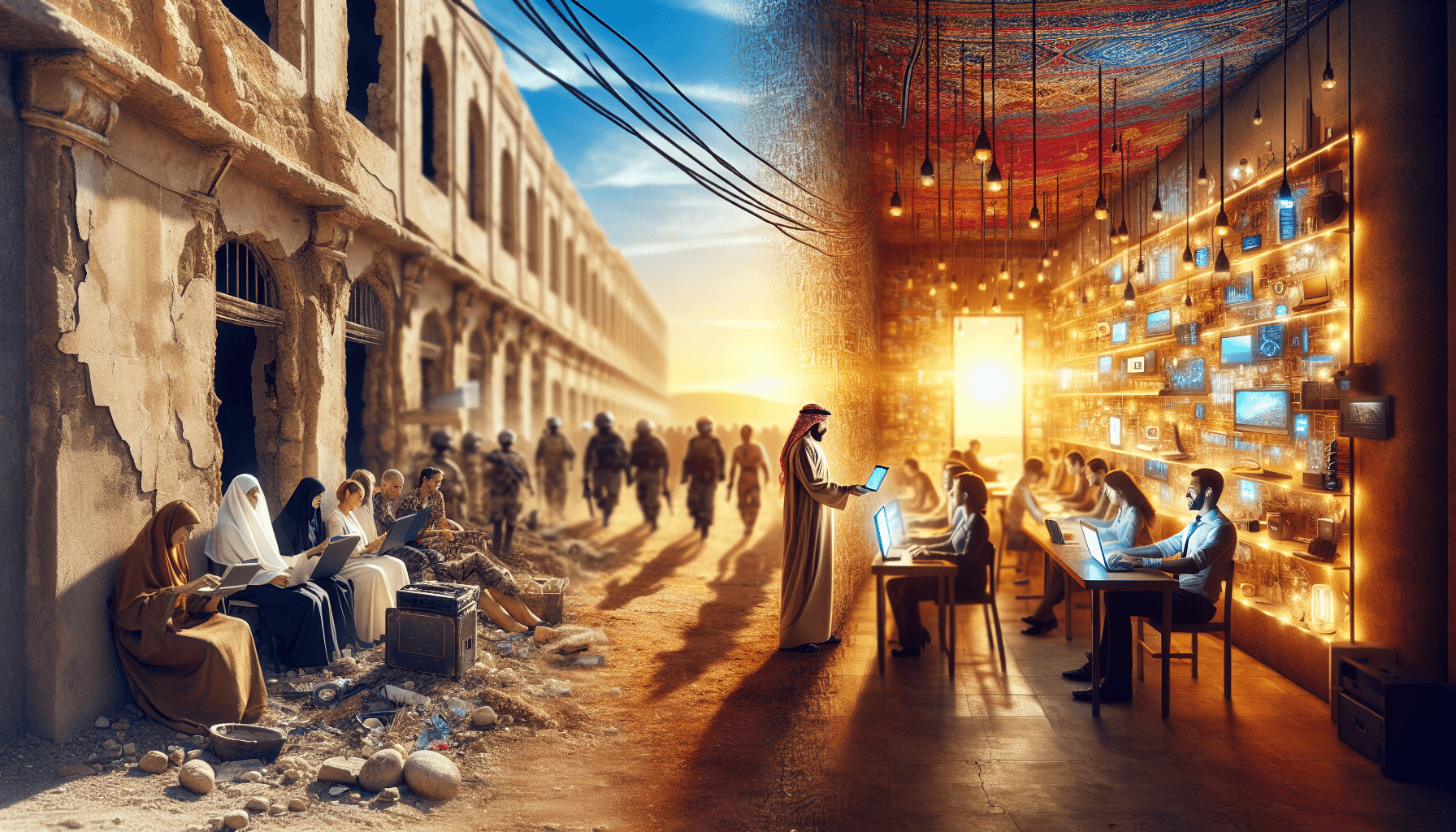
Transforming Gaza: From Conflict Zone to Tech Hub
A leaked plan from the Trump administration reveals a bold strategy to turn Gaza into a thriving high-tech hub. Discover the potential.
Sep 3, 2025
Gaza's Tech Revolution: Trump's Bold High-Tech Vision
A leaked plan from the Trump administration unveils a vision to make Gaza a high-tech hub, focusing on AI, cybersecurity, and digital innovation.
Sep 3, 2025
AI's Role in Unveiling ICE Officers' Identities
AI unmasking ICE officers underscores a shift towards transparent law enforcement, raising questions about privacy and ethics in the digital age.
Sep 2, 2025