Channel Surfer: Watch YouTube Like Cable TV Again
Channel Surfer recreates the cable TV experience on YouTube, letting you flip through curated channels instead of endlessly scrolling. Discover how this nostalgic approach tackles algorithm fatigue.

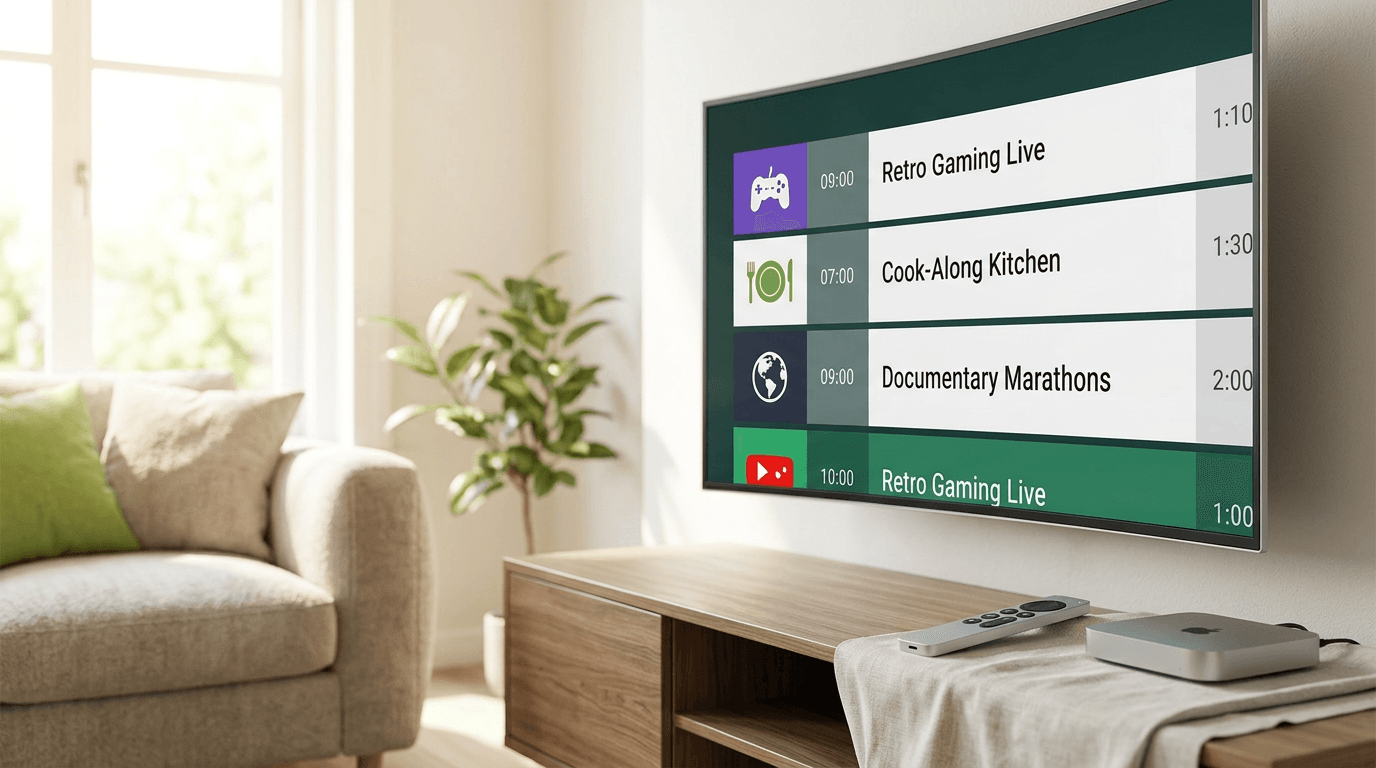
Channel Surfer: Can This App Bring Back the Lost Art of TV Channel Surfing?
Learn more about tui studio: visual terminal ui design tool for developers
Remember flipping through cable channels, stumbling upon unexpected documentaries or comedy specials you never knew existed? That serendipitous discovery experience has vanished in the age of algorithmic recommendations. Channel Surfer, a new Show HN project, aims to resurrect the joy of channel surfing by transforming YouTube into a nostalgic cable TV experience.
The platform addresses a growing frustration among users tired of YouTube's algorithm-driven content delivery. Instead of endless scrolling through recommended videos, Channel Surfer lets you flip through curated "channels" that play content continuously, just like traditional television.
What Makes Channel Surfer Different from Regular YouTube?
Channel Surfer reimagines how we consume YouTube content by removing the decision fatigue that plagues modern streaming. The platform organizes YouTube videos into themed channels that broadcast 24/7, eliminating the need to constantly choose what to watch next.
The interface mimics classic TV remotes, complete with channel up and down buttons. Users can browse through different categories ranging from educational content to gaming streams, each playing curated playlists automatically.
This passive viewing experience contrasts sharply with YouTube's engagement-focused design. The project taps into a broader trend of nostalgia-driven tech innovations where developers create tools that simplify digital experiences by borrowing from analog predecessors.
How Does the Channel Surfer Technology Work?
Channel Surfer leverages YouTube's Data API to aggregate and organize content into continuous streams. The platform uses playlist curation algorithms that differ fundamentally from YouTube's recommendation engine. Instead of personalizing content based on watch history, it creates generalized channels accessible to all users.
The technical architecture includes:
- Real-time video streaming through embedded YouTube players
- Channel switching mechanisms that maintain playback continuity
- Curated playlist management systems for content organization
- Minimal user tracking compared to traditional YouTube browsing
- Responsive design that works across desktop and mobile devices
For a deep dive on macbook neo first impressions: a18 pro chip review, see our full guide
The platform operates entirely through web browsers, requiring no downloads or installations. This accessibility lowers the barrier to entry for users curious about the nostalgic TV experience.
Why Do People Crave the Cable TV Experience Again?
For a deep dive on yaks may hint at a way to treat brain diseases like ms, see our full guide
The paradox of choice has made content consumption exhausting. Netflix, YouTube, and other platforms offer unlimited options, yet users often spend more time browsing than watching.
Research shows that excessive choice leads to decision paralysis and decreased satisfaction. Channel Surfer addresses this by limiting options deliberately. With predetermined channels, users surrender control in exchange for a more relaxed viewing experience.
The nostalgia factor also plays a significant role. Millennials and Gen X users remember the communal aspect of cable TV, where everyone watched the same programming. Channel Surfer recreates this shared experience in a digital context.
What Psychology Drives Channel Surfing Behavior?
Traditional channel surfing provided intermittent rewards that kept viewers engaged. Each channel flip offered the possibility of discovering something interesting, activating the brain's reward centers. This unpredictability created a low-stakes gambling effect that many found entertaining.
Modern streaming platforms optimize for retention and engagement metrics. YouTube's autoplay and recommendations keep users in content bubbles, reducing serendipitous discovery.
Channel Surfer reintroduces randomness and surprise into the viewing equation. The platform also reduces cognitive load by removing the need for active decision-making. Users can simply tune in and zone out, much like traditional TV watching.
Which Features Enhance the Cable TV Nostalgia?
Channel Surfer includes several design elements that amplify the retro television experience. The interface uses skeuomorphic design principles, incorporating visual elements that mimic physical TV remotes and channel guides.
Key features include:
- Channel guide interface displaying what's currently playing across all channels
- Picture-in-picture mode allowing channel previews while watching
- Random channel button for true serendipitous discovery
- Scheduled programming with specific shows at consistent times
- Commercial breaks (optional) that mimic traditional TV pacing
The scheduled programming feature particularly resonates with users. Knowing that a specific show airs at a certain time creates appointment viewing, fostering routine and anticipation.
How Does Channel Surfer Curate Content?
Channel Surfer offers diverse themed channels covering educational content, gaming, music, documentaries, and entertainment. Each channel maintains a consistent tone and subject matter, similar to specialized cable networks.
The curation process combines algorithmic selection with human oversight. Channel creators select videos that fit specific themes while ensuring content quality and appropriateness. This hybrid approach balances automation efficiency with human judgment.
Users can suggest new channels or vote on existing ones, creating community-driven programming. This participatory element adds a social dimension absent from traditional YouTube browsing. The platform essentially crowdsources the cable programming experience.
What Challenges Does Channel Surfer Face?
Channel Surfer faces several technical and legal considerations. YouTube's Terms of Service restrict how third-party applications can use their content. The platform must carefully navigate these restrictions to avoid takedown requests or API access revocation.
Content licensing presents another challenge. While YouTube videos are publicly accessible, organizing them into broadcast-style channels may raise copyright concerns.
The platform currently relies on YouTube's existing licensing agreements, but this creates potential vulnerability. Monetization remains unclear for the project. Without ads or subscriptions, sustaining development and server costs becomes difficult.
Can Channel Surfer Achieve Market Adoption?
The platform targets a specific niche: users fatigued by algorithmic recommendations seeking simpler viewing experiences. This audience may be smaller than mainstream YouTube users who prefer personalized content.
Competing with YouTube's sophisticated recommendation engine also poses challenges. Many users have grown accustomed to personalized feeds and may resist returning to linear programming.
The project's success depends on building a critical mass of engaged users. Without sufficient traffic, maintaining diverse channels and fresh content becomes unsustainable. Community growth will determine whether Channel Surfer remains a novelty or becomes a lasting alternative.
What Does Channel Surfer Mean for Digital Experiences?
Channel Surfer represents a broader movement questioning whether technological progress always improves user experience. Sometimes, older models offer advantages that newer systems sacrifice for efficiency or engagement metrics.
Several similar projects have emerged recently, including apps that simulate radio static between stations and platforms that recreate Blockbuster browsing experiences. These projects suggest growing appetite for digital experiences that prioritize simplicity over optimization.
The trend reflects fatigue with attention-capture design patterns prevalent across social media and streaming platforms. Users increasingly seek tools that respect their time and attention rather than maximizing engagement at all costs.
How Might Content Platforms Respond?
Major streaming platforms may take note of projects like Channel Surfer. Netflix has experimented with linear channels in some markets, acknowledging that not all users want to make constant viewing decisions.
YouTube could potentially integrate similar features into their platform. The success of nostalgic digital experiences suggests that platform designers should offer multiple consumption modes.
Some users prefer algorithmic recommendations, while others want curated channels or random discovery. Flexibility accommodates diverse user preferences. Channel Surfer demonstrates that innovation doesn't always mean adding features.
Will Channel Surfer Change How We Watch YouTube?
Channel Surfer offers a refreshing alternative to algorithm-driven content consumption by recreating the cable TV experience on YouTube. The platform addresses decision fatigue and algorithmic bubbles by providing curated channels that play continuously, requiring minimal user input.
While technical and legal challenges remain, the project taps into genuine user desire for simpler, more serendipitous viewing experiences. As streaming platforms grow increasingly complex, tools that simplify consumption by borrowing from analog predecessors will likely find receptive audiences.
Continue learning: Next, explore nasa dragonfly: nuclear-powered drone to explore titan 2028
Whether Channel Surfer becomes a lasting platform or remains a clever experiment, it highlights important questions about how we consume digital content. Sometimes, the best way forward involves looking backward at what worked before.
Related Articles

AI's Role in Unveiling ICE Officers' Identities
AI unmasking ICE officers underscores a shift towards transparent law enforcement, raising questions about privacy and ethics in the digital age.
Sep 2, 2025

Age Verification Laws: Impact on Web Traffic Trends
Discover the paradox of age verification laws: How compliance impacts web traffic and the tech innovations shaping the future of digital content access.
Sep 2, 2025

Gaza's Tech Revolution: Trump's Bold High-Tech Vision
A leaked plan from the Trump administration unveils a vision to make Gaza a high-tech hub, focusing on AI, cybersecurity, and digital innovation.
Sep 3, 2025
Comments
Loading comments...