Can Extinct Volcanoes Erupt? Greek Peak Reveals Clues
Tiny crystals in Greek volcanic rocks suggest extinct volcanoes might still grow underground, forcing scientists to rethink which peaks could erupt again and how we assess volcanic hazards.

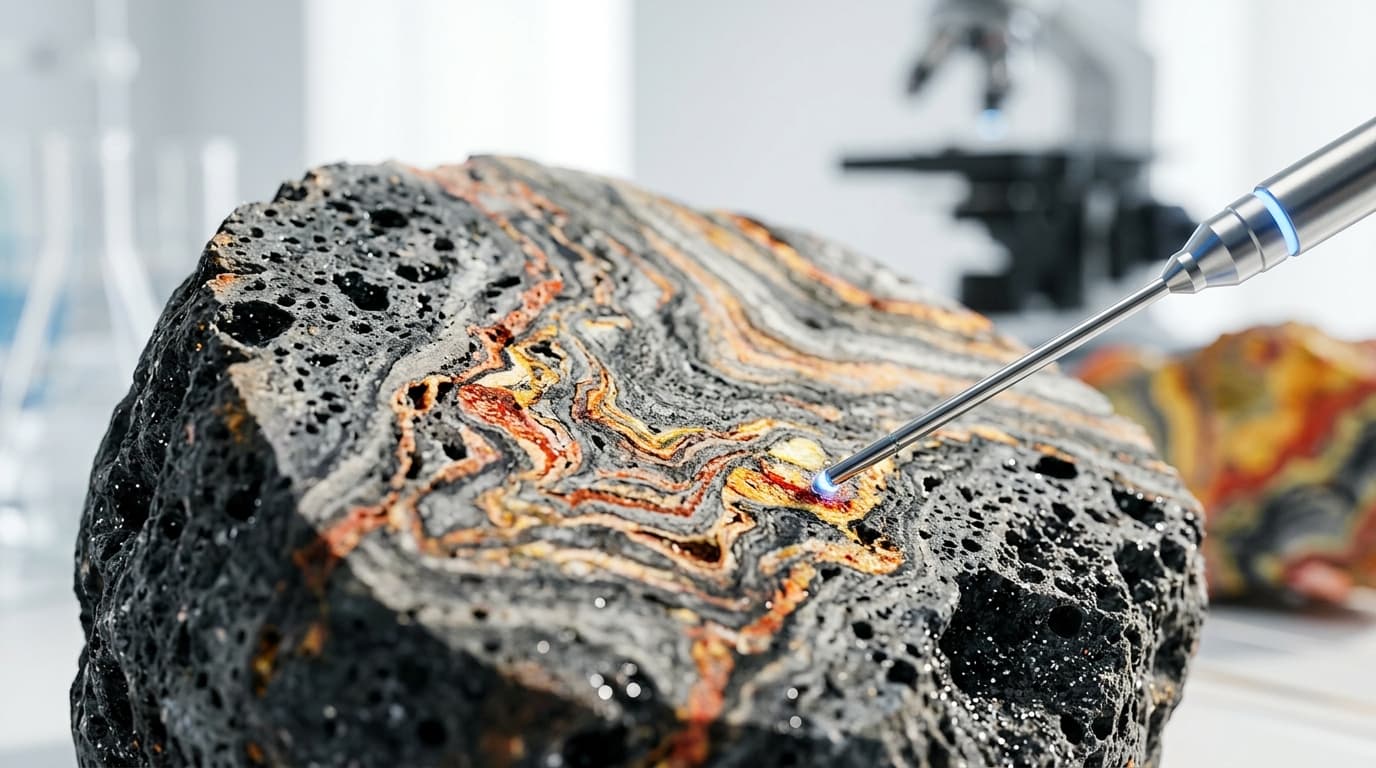
Hidden Magma Chambers: Can Extinct Volcanoes Erupt Again?
Learn more about nancy guthrie search at chilling turning point
Scientists have long assumed that extinct volcanoes pose no threat to nearby communities. Recent discoveries in Greece challenge this fundamental assumption. Tiny mineral crystals hidden within a supposedly dormant volcanic system suggest that "extinct" volcanoes might still harbor active magma chambers deep underground, potentially reshaping how we assess volcanic hazards worldwide.
What Makes a Volcano Truly Extinct?
Volcanologists traditionally classify volcanoes into three categories: active, dormant, and extinct. Active volcanoes have erupted recently or show clear signs of unrest. Dormant volcanoes have not erupted in recorded history but retain the potential for future activity.
Extinct volcanoes supposedly died millions of years ago. Their magma sources completely cooled and solidified.
This classification system now faces serious scrutiny. The discovery of fresh crystalline structures in Greek volcanic rocks suggests underground magma chambers might persist far longer than previously thought. These findings could force scientists to reconsider which volcanoes truly deserve the "extinct" label.
Where Did Scientists Find Active Magma Chambers?
Researchers focused their investigation on the Methana volcanic peninsula in Greece. This region last experienced volcanic activity approximately 300,000 years ago, earning its classification as extinct. The peninsula sits within the broader Hellenic Volcanic Arc, a geologically active zone formed by tectonic plate collision.
Scientists collected rock samples from various sites across Methana. Laboratory analysis revealed microscopic zircon crystals containing unexpected chemical signatures. These tiny time capsules preserve information about the conditions under which they formed, including temperature, pressure, and the presence of molten rock.
How Do Zircon Crystals Reveal Hidden Magma Chambers?
Zircon crystals act as natural recorders of volcanic history. These durable minerals incorporate trace elements during formation, creating a chemical fingerprint that persists for millions of years.
Scientists use uranium-lead dating techniques to determine when individual crystal zones grew. This builds a timeline of magmatic activity beneath extinct volcanoes.
The Methana zircons showed something remarkable. Their chemical composition indicated formation temperatures consistent with active magma chambers. Even more surprising, the crystals displayed growth patterns suggesting recent geological activity, possibly within the last few thousand years.
For a deep dive on nasa chief fights to make pluto a planet again, see our full guide
What Does the Crystal Evidence Tell Us?
The research team identified several key findings from their crystal analysis:
For a deep dive on decaying dark matter and supermassive black holes origins, see our full guide
- Zircon growth zones formed at temperatures between 750-850 degrees Celsius
- Chemical signatures indicated the presence of water-rich magma
- Crystal rims showed younger ages than interior sections
- Trace element patterns matched those found in active volcanic systems
- Multiple growth episodes suggested periodic magma recharge events
These discoveries point toward a persistent magma reservoir beneath Methana. Rather than cooling completely, the system appears to receive periodic injections of fresh magma from deeper sources. This process keeps the chamber partially molten despite hundreds of thousands of years without surface eruptions.
Could Extinct Volcanoes Actually Erupt Again?
The presence of active magma chambers beneath supposedly extinct volcanoes raises critical questions about eruption risk. Scientists must now determine whether these hidden reservoirs could produce future eruptions.
The answer depends on several factors. Magma volume, composition, and the rate of fresh magma input all play crucial roles.
Historical precedents exist for volcanic systems awakening after extended dormancy. Chaiten volcano in Chile erupted violently in 2008 after approximately 9,000 years of silence. Mount Pinatubo in the Philippines exploded in 1991 following a 500-year quiet period. These examples demonstrate that long repose intervals do not guarantee permanent extinction.
What Signs Indicate an Extinct Volcano Might Reawaken?
Volcanologists look for specific warning signs when monitoring potentially active systems:
- Increased seismic activity indicating magma movement
- Ground deformation from underground pressure changes
- Changes in gas emissions or hot spring chemistry
- Elevated heat flow measurements
- Unusual animal behavior or vegetation die-offs
The challenge lies in monitoring volcanoes currently classified as extinct. Limited resources mean most surveillance focuses on known active systems.
Reclassifying extinct volcanoes as potentially active would require significant expansion of monitoring networks worldwide. This presents both logistical and financial challenges for volcanic hazard assessment programs.
How Will This Change Volcanic Hazard Assessment?
This research carries profound implications for communities living near supposedly extinct volcanoes. Millions of people worldwide reside within potential impact zones of volcanic systems assumed to pose no threat. Cities, infrastructure, and agricultural lands developed without considering volcanic risk now face potential reassessment.
The findings do not suggest imminent danger from every extinct volcano. Rather, they highlight the need for more sophisticated classification systems.
Scientists propose replacing simple active-dormant-extinct categories with probability-based risk assessments. These assessments would incorporate geological, geochemical, and geophysical data from zircon crystals and other sources.
How Will Scientists Reassess Volcanic Risk?
Researchers advocate for comprehensive studies of volcanoes worldwide. This involves collecting rock samples for crystal analysis, deploying seismic monitoring equipment, and conducting detailed geological surveys.
Advanced imaging techniques like seismic tomography can reveal hidden magma chambers without drilling. These methods detect underground magma reservoirs that traditional monitoring might miss.
The Greek study provides a template for future investigations. By combining multiple analytical methods, scientists can build complete pictures of subsurface volcanic systems. This approach costs significantly less than responding to unexpected eruptions in supposedly safe areas.
What Does This Mean for Volcanic Monitoring Programs?
Government agencies and research institutions must reconsider resource allocation for volcanic monitoring. The traditional focus on obviously active volcanoes leaves potential gaps in hazard surveillance.
Developing countries with limited monitoring capacity face particular challenges. Implementing expanded programs requires international cooperation and technology sharing.
International cooperation could help address these gaps. Sharing monitoring data, analytical resources, and expertise allows more comprehensive global volcanic surveillance. Satellite-based monitoring systems offer cost-effective solutions for tracking ground deformation and thermal anomalies across multiple volcanic systems simultaneously.
How Should Communities Prepare for Volcanic Risk?
Communities near reclassified volcanoes need clear, accurate information about actual risk levels. Scientists must communicate findings without causing unnecessary panic. The probability of eruption from any individual extinct volcano remains extremely low, but acknowledging non-zero risk enables appropriate preparedness planning.
Educational programs should explain volcanic hazards, warning signs, and evacuation procedures. Regular drills and updated emergency response plans help communities respond effectively if monitoring detects concerning changes.
Transparent communication builds trust between scientists, authorities, and residents. This trust proves essential during volcanic crises when rapid evacuation decisions save lives.
What Future Research Will Examine Extinct Volcanoes?
The Methana discovery opens numerous research avenues. Scientists plan to investigate other supposedly extinct volcanoes using similar crystal analysis techniques. Particular attention will focus on systems near population centers or critical infrastructure.
Researchers also want to understand what conditions allow magma chambers to persist for hundreds of thousands of years. This knowledge will improve volcanic hazard assessment models worldwide.
Advanced computer modeling will help predict which extinct volcanoes pose the greatest reawakening risk. These models incorporate data about tectonic settings, magma composition, crustal structure, and historical eruption patterns. Machine learning algorithms might identify subtle patterns in monitoring data that precede volcanic unrest.
What Technological Advances Will Improve Volcanic Studies?
Emerging technologies promise to revolutionize volcanic research. Fiber optic sensing networks can detect minute ground movements indicating magma migration beneath extinct volcanoes.
Drone-mounted sensors measure gas emissions from inaccessible volcanic features. Artificial intelligence analyzes vast datasets to identify eruption precursors humans might miss.
These tools will enable more comprehensive monitoring of both active and potentially active volcanic systems. Early warning capabilities improve with each technological advance, potentially saving thousands of lives during future volcanic crises.
What Should You Know About Extinct Volcanoes?
The Greek volcanic research challenges our understanding of volcanic extinction. Tiny zircon crystals reveal that magma chambers can persist beneath supposedly dead volcanoes for hundreds of thousands of years.
This discovery necessitates reevaluating volcanic hazard assessments worldwide. Population centers built assuming zero volcanic risk may need updated emergency plans.
Scientists now recognize that volcanic extinction exists on a spectrum rather than as an absolute state. Some extinct volcanoes truly died permanently, while others merely sleep deeply with potential for future awakening. Distinguishing between these categories requires sophisticated analysis combining multiple scientific disciplines.
Continue learning: Next, explore jwst hunts for earth-moon twin but star interferes
The findings emphasize the importance of continued volcanic research and monitoring. While the immediate risk from any individual extinct volcano remains low, the cumulative global risk across all potentially active systems warrants attention. Investment in monitoring infrastructure, research programs, and public education will help societies better prepare for volcanic hazards in an increasingly populated world.
Related Articles

Quantum Leap: The 1000 Qubit Breakthrough Unveiled
Scientists achieve a quantum computing milestone with a 1000 qubit machine, paving the way for unprecedented computational power.
Sep 7, 2025

Shifting Society: From 'Me' to 'We' through Science
Discover the scientific and technological journey from individualism to collectivism, fostering a sustainable and cooperative global community.
Sep 7, 2025

Smartphones Before 13: A Risk to Lifelong Mental Health?
Early smartphone use linked to mental health issues later in life, urging action to protect young minds from social media, cyberbullying, and sleep loss.
Sep 6, 2025
Comments
Loading comments...