Belgium Stops Decommissioning Nuclear Power Plants
Belgium halts its nuclear power plant decommissioning, extending reactor operations to address energy security concerns and climate commitments amid Europe's energy transition.

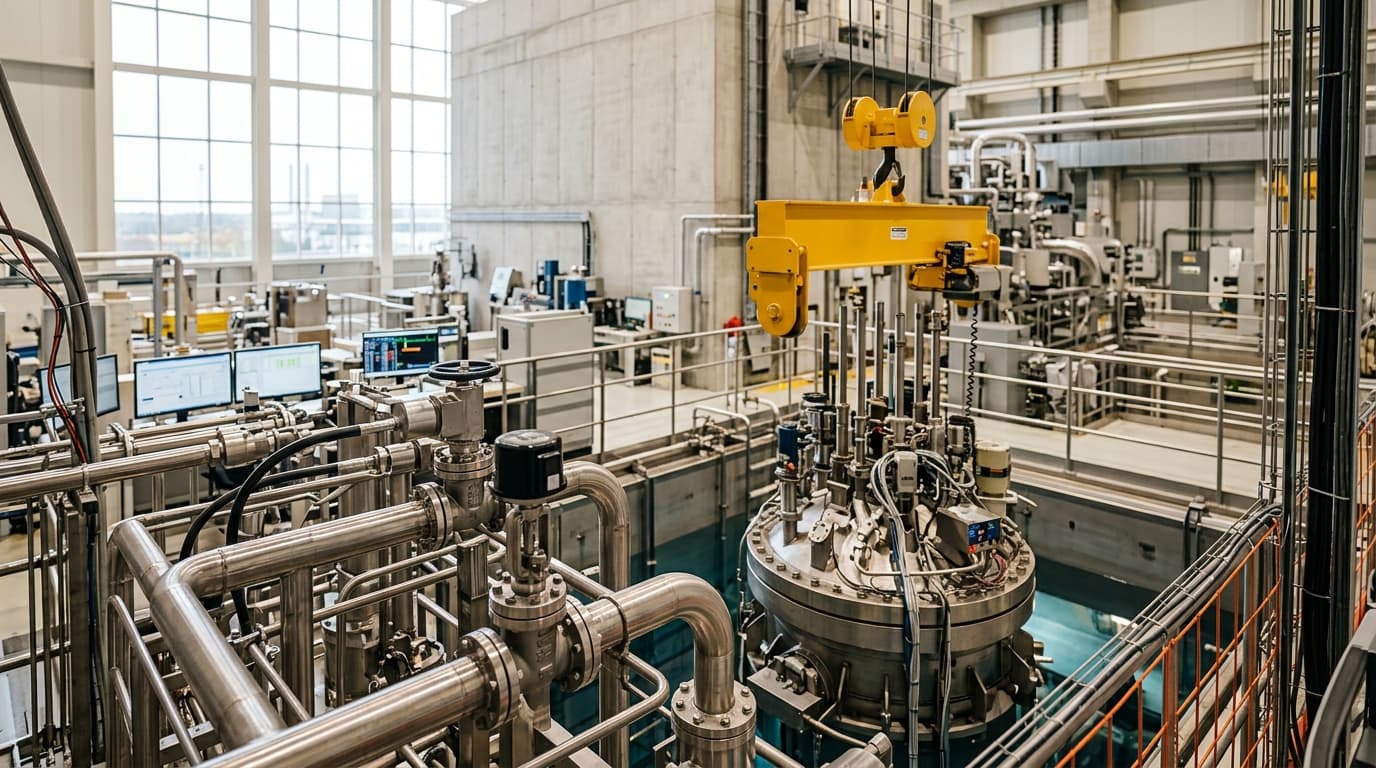
Belgium Stops Decommissioning Nuclear Power Plants: What Changed?
Learn more about seismic data captured the sound of awe during eclipse
Belgium has reversed its decade-long plan to phase out nuclear energy, marking a significant shift in European energy policy. The decision to halt the decommissioning of nuclear power plants reflects growing concerns about energy security, climate goals, and the technological challenges of transitioning to renewable sources. This policy reversal positions Belgium alongside other European nations reconsidering nuclear power's role in achieving carbon neutrality.
Why Did Belgium Reverse Its Nuclear Phase-Out Plan?
Belgium's government announced in 2023 that it would extend the operational life of two nuclear reactors, Doel 4 and Tihange 3, for an additional ten years beyond their planned 2025 shutdown date. This decision overturns the 2003 law that mandated the complete phase-out of nuclear power by 2025. The country's seven reactors currently generate approximately 50% of Belgium's electricity, making nuclear power a cornerstone of the national energy infrastructure.
The policy shift emerged from urgent energy security concerns following the 2022 energy crisis. Belgium faced the reality that renewable energy sources could not yet provide the stable baseload power required to maintain grid reliability. The government recognized that premature nuclear plant closures would increase dependence on fossil fuel imports and threaten climate commitments.
What Factors Forced Belgium to Change Its Nuclear Strategy?
Energy independence became paramount after geopolitical tensions disrupted traditional fuel supply chains. The war in Ukraine exposed Europe's vulnerability to energy supply disruptions, prompting nations to reassess their energy portfolios. Belgium could no longer ignore the risks of abandoning nuclear power prematurely.
Climate change commitments played a crucial role in the decision. Belgium committed to reducing greenhouse gas emissions by 55% by 2030 compared to 1990 levels. Nuclear power produces virtually zero carbon emissions during operation, making it an essential tool for meeting these ambitious targets.
Closing nuclear plants would necessitate increased reliance on natural gas, directly contradicting climate objectives. The technological limitations of renewable energy storage presented another challenge. Current battery technology cannot store sufficient energy to compensate for the intermittent nature of solar and wind power.
Belgium lacks the geographic features necessary for large-scale hydroelectric storage, further complicating the transition to 100% renewable energy. These converging factors left policymakers with limited alternatives.
How Will Belgium Extend Nuclear Plant Operations Safely?
Extending nuclear reactor lifespans requires comprehensive safety assessments and significant infrastructure upgrades. Belgium's nuclear safety authority, FANC, mandated extensive stress tests and modernization programs before approving the life extensions. These upgrades include replacing aging components, enhancing cybersecurity systems, and implementing advanced monitoring technologies.
For a deep dive on is this just the price of using cracked software?, see our full guide
The reactors will receive digital control system upgrades incorporating artificial intelligence and machine learning algorithms. These systems improve operational efficiency, predict maintenance needs, and enhance safety protocols. Modern sensors and IoT devices provide real-time data on reactor conditions, enabling predictive maintenance that reduces downtime and extends equipment lifespan.
What Cybersecurity Measures Protect Belgium's Nuclear Facilities?
For a deep dive on app store beta reveals surprise features coming soon, see our full guide
Cybersecurity measures have become critical as nuclear facilities face increasing digital threats. Belgium's nuclear operators are implementing multi-layered security architectures that address modern vulnerabilities.
Advanced intrusion detection systems powered by AI monitor network activity continuously. Zero-trust network architectures isolate critical control systems from potential breaches. Quantum-resistant encryption protocols protect data transmission against emerging threats.
Continuous vulnerability assessments and penetration testing identify weaknesses before attackers exploit them. Employee training programs address social engineering threats, recognizing that human factors remain crucial to security.
How Does Nuclear Power Support Belgium's Energy Security?
The decision to maintain nuclear capacity provides Belgium with energy stability during the renewable transition period. Nuclear power delivers consistent baseload electricity regardless of weather conditions, complementing variable renewable sources. This hybrid approach allows Belgium to increase renewable capacity without compromising grid reliability.
Economic considerations also influenced the policy reversal. Building new natural gas plants or importing electricity would cost significantly more than extending existing nuclear facilities. The estimated investment for reactor life extensions ranges between 1 and 1.5 billion euros, substantially less than developing equivalent renewable capacity with storage infrastructure.
What Does Belgium's Decision Mean for European Energy Policy?
Belgium's decision reflects a broader European trend toward nuclear energy reassessment. France never abandoned nuclear power and plans to build new reactors. The Netherlands announced plans to construct two new nuclear plants.
Sweden reversed its nuclear phase-out policy, and Finland recently commissioned Europe's most powerful reactor. The European Union's taxonomy regulation now classifies nuclear energy as a sustainable investment under specific conditions. This classification facilitates financing for nuclear projects and signals institutional recognition of nuclear power's role in decarbonization.
The shift represents pragmatic acknowledgment that achieving climate goals requires diverse low-carbon energy sources. Belgium joins a growing coalition of nations embracing nuclear power as part of their climate strategy.
What Technological Innovations Improve Nuclear Safety?
Modern nuclear plants incorporate passive safety systems that function without electrical power or human intervention. These systems use natural physical principles like gravity and convection to cool reactors during emergencies. Belgium's life extension program includes retrofitting older reactors with enhanced passive safety features.
Advanced materials science has produced corrosion-resistant alloys and radiation-tolerant components that extend reactor component lifespans. Nanotechnology enables more precise monitoring of material degradation, allowing operators to replace parts before failures occur. These innovations make extended operations safer than original design specifications anticipated.
Digital twin technology creates virtual replicas of physical reactors, enabling operators to simulate various scenarios and optimize performance. These AI-powered models predict equipment behavior under different conditions, supporting better decision-making and reducing operational risks. Belgium's nuclear operators are implementing digital twins as part of their modernization programs.
What Challenges Does Belgium Face With This Decision?
Environmental organizations criticized Belgium's policy reversal, arguing it diverts resources from renewable energy development. Critics contend that nuclear waste management remains an unsolved problem and that investment should focus exclusively on solar, wind, and energy storage technologies. The debate highlights tensions between immediate energy security needs and long-term sustainability visions.
Public opinion remains divided on nuclear energy. While some citizens support maintaining nuclear capacity for climate reasons, others fear safety risks despite modern technological safeguards. The government faces the challenge of maintaining public trust through transparent communication about safety measures and waste management strategies.
Does Nuclear Fuel Create New Dependencies?
The nuclear fuel supply chain presents another consideration. Belgium must secure uranium supplies and fuel fabrication services, creating different dependencies than those associated with fossil fuels. However, nuclear fuel's energy density means small quantities provide enormous energy output, reducing supply vulnerability compared to fossil fuels.
A single uranium fuel pellet the size of a fingertip produces as much energy as 17,000 cubic feet of natural gas. This remarkable energy density fundamentally changes supply chain dynamics and security considerations.
What Are the Long-Term Implications of Belgium's Decision?
Belgium's decision provides a decade-long bridge for developing renewable infrastructure and energy storage solutions. The government views this extension as temporary rather than permanent, maintaining commitment to eventual renewable transition. This pragmatic approach acknowledges technological and infrastructure realities while preserving climate ambitions.
The policy creates opportunities for nuclear technology innovation. Belgium's research institutions are exploring small modular reactors (SMRs) and next-generation nuclear technologies that promise enhanced safety, reduced waste, and lower costs. These emerging technologies could revolutionize nuclear power's role in future energy systems.
How Will Belgium Maintain Nuclear Expertise?
Workforce development becomes crucial as Belgium maintains nuclear expertise. The life extension program requires skilled engineers, technicians, and safety specialists. Universities and technical schools are expanding nuclear engineering programs to ensure adequate talent pipelines for both existing facilities and potential future projects.
The nuclear industry offers high-paying careers in cutting-edge technology fields. Belgium's commitment to nuclear power creates employment opportunities and maintains critical technical knowledge that might otherwise disappear.
How Does Digital Technology Transform Nuclear Power?
Nuclear energy is experiencing a technological renaissance driven by digitalization and advanced materials. Artificial intelligence optimizes reactor operations, predicting maintenance needs and improving fuel efficiency. Machine learning algorithms analyze vast datasets from sensors, identifying patterns that human operators might miss.
Blockchain technology is being explored for nuclear supply chain management, providing transparent tracking of nuclear materials and ensuring regulatory compliance. Smart contracts could automate safety protocol enforcement and streamline regulatory reporting. These digital innovations enhance both operational efficiency and security.
The integration of nuclear power with renewable energy creates opportunities for hybrid grid management systems. Advanced grid technologies balance nuclear baseload power with variable renewable generation, maximizing clean energy utilization. Belgium's decision to maintain nuclear capacity positions the country to develop and test these integrated systems.
Can Nuclear Power Help Belgium Achieve Carbon Neutrality?
Achieving carbon neutrality by 2050 requires eliminating emissions from electricity generation. Nuclear power's lifecycle carbon emissions are comparable to wind energy and lower than solar photovoltaics when manufacturing and construction are included. Maintaining nuclear capacity allows Belgium to decarbonize electricity while developing renewable infrastructure.
The Intergovernmental Panel on Climate Change (IPCC) includes nuclear energy in most pathways to limiting global warming to 1.5 degrees Celsius. Scientific consensus recognizes that achieving climate goals within required timeframes necessitates utilizing all available low-carbon technologies. Belgium's policy aligns with this evidence-based approach.
Nuclear power plants operate at over 90% capacity factor, compared to 25% for solar and 35% for wind. This reliability makes nuclear power indispensable for maintaining stable, low-carbon electricity grids during the transition period.
Belgium's Nuclear Future: A Pragmatic Path Forward
Belgium's decision to stop decommissioning nuclear power plants represents a pragmatic response to energy security challenges and climate commitments. The policy reversal reflects broader European recognition that nuclear power plays a vital role in the clean energy transition. By extending reactor lifespans, Belgium gains time to develop renewable infrastructure and energy storage solutions while maintaining grid stability and reducing carbon emissions.
The decision highlights the complex interplay between technology, policy, and sustainability. Modern digital innovations make nuclear power safer and more efficient than ever before. As Belgium navigates its energy future, the country demonstrates that achieving climate goals requires flexible, evidence-based policymaking that embraces diverse low-carbon energy sources.
Continue learning: Next, explore why i never wear a smart ring during my workouts
The next decade will prove crucial in determining whether this nuclear bridge successfully supports Belgium's transition to a sustainable energy system. Belgium's experience will provide valuable lessons for other nations balancing energy security, climate goals, and technological realities.
Related Articles

Transforming Gaza: From Conflict Zone to Tech Hub
A leaked plan from the Trump administration reveals a bold strategy to turn Gaza into a thriving high-tech hub. Discover the potential.
Sep 3, 2025

AI Tools Reveal Identities of ICE Officers Online
AI's emerging role in unmasking ICE officers spotlights the intersection of technology, privacy, and ethics, sparking a crucial societal debate.
Sep 2, 2025

Gaza's Tech Revolution: Trump's Bold High-Tech Vision
A leaked plan from the Trump administration unveils a vision to make Gaza a high-tech hub, focusing on AI, cybersecurity, and digital innovation.
Sep 3, 2025
Comments
Loading comments...