Austin Housing Surge Drives Down Rents: Tech City Wins
Austin added 25,000+ apartments, proving that aggressive construction can lower rents. Discover how technology accelerated building and reshaped the housing market in this tech hub.

Austin's Housing Market Proves Supply Economics Work
Learn more about spacex v3 starship static fire: new era begins april 2026
Austin's housing market just proved a fundamental economic principle: increase supply, and prices fall. The Texas capital experienced a dramatic surge in new housing construction that drove down rental prices, offering relief to residents in one of America's hottest tech hubs. This development carries significant implications for how cities can address affordability through data-driven urban planning and construction technology.
The city's transformation showcases how technology-enabled construction methods and smart city planning can reshape housing markets. Austin's experience provides a roadmap for other tech-centric cities struggling with affordability crises.
How Did Austin's Construction Boom Transform Rental Prices?
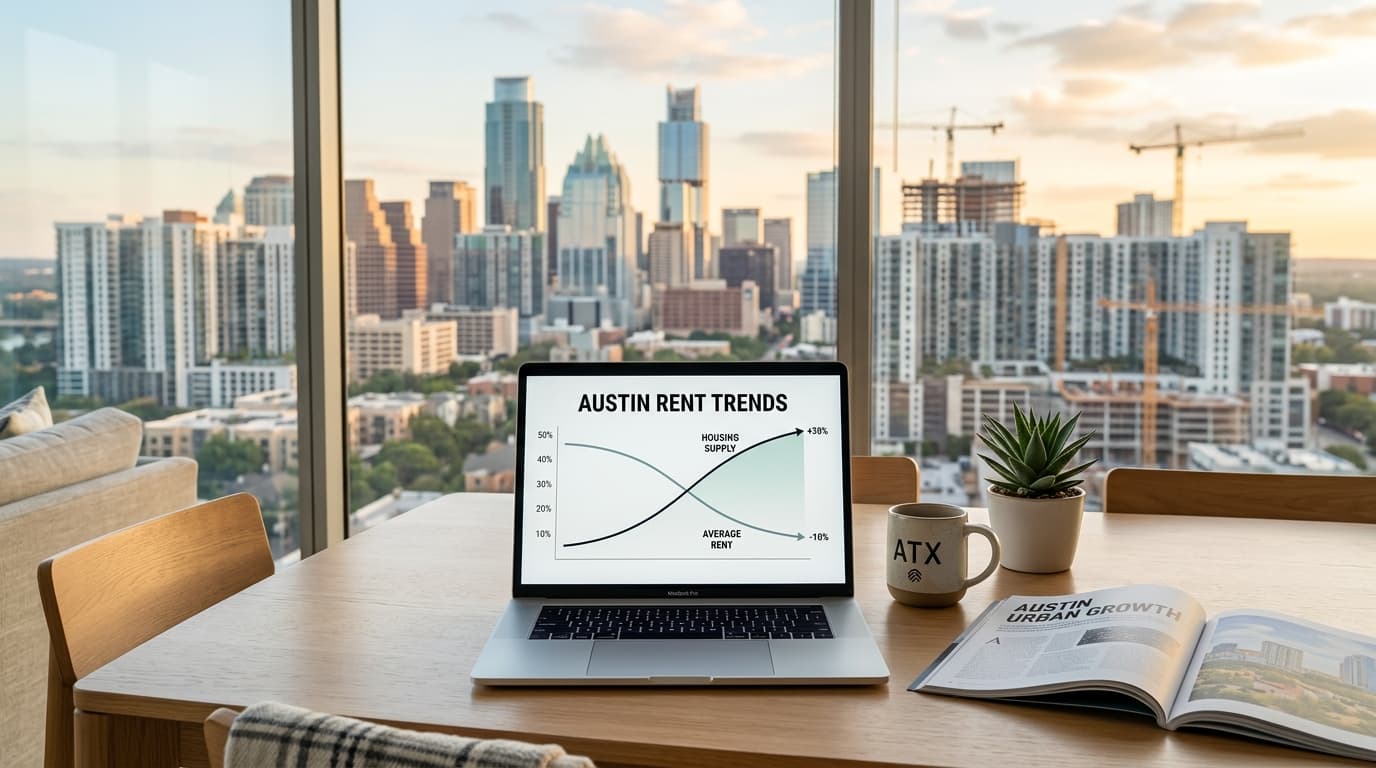
Austin added over 25,000 new apartment units between 2022 and 2023, representing one of the highest per-capita construction rates in the nation. This massive influx of housing inventory created immediate downward pressure on rental prices. Median rents dropped approximately 7-10% year-over-year in many neighborhoods, reversing years of double-digit increases.
The construction boom utilized advanced building technologies including modular construction, 3D-printed components, and AI-powered project management systems. These innovations accelerated timelines and reduced costs, enabling developers to bring units to market faster than traditional methods allowed.
What Construction Technologies Accelerated Development?
Construction technology played a crucial role in Austin's housing surge. Developers deployed Building Information Modeling (BIM) software to optimize designs and identify potential issues before breaking ground. This reduced costly delays and rework that typically plague large-scale projects.
Robotic systems and automated construction equipment increased productivity on job sites. Drones monitored progress and conducted safety inspections, while AI algorithms optimized material delivery schedules. These technologies compressed construction timelines by 20-30% compared to conventional approaches.
Prefabrication and modular construction methods gained significant traction. Developers manufactured building components off-site in controlled environments, then assembled them rapidly on location. This approach minimized weather delays and labor constraints while maintaining quality standards.
How Did Data Analytics Drive Development Decisions?
Real estate technology platforms provided developers with unprecedented market intelligence. Machine learning algorithms analyzed demographic trends, employment data, and migration patterns to identify optimal locations for new construction. This data-driven approach reduced investment risk and ensured projects aligned with actual demand.
For a deep dive on fed keeps rates steady as powell vows to stay until replaced, see our full guide
Predictive analytics helped developers forecast rental rates and occupancy levels with greater accuracy. These insights enabled more confident decision-making about project scale and amenity packages. The result was housing that better matched market needs at appropriate price points.
Digital permitting systems streamlined the approval process. Austin's city government implemented online platforms that reduced permitting timelines from months to weeks. This technological efficiency removed a major bottleneck that historically slowed housing development.
For a deep dive on openrocket: free rocket design software for hobbyists, see our full guide
What Triggered Austin's Unprecedented Building Surge?
Several converging factors triggered Austin's unprecedented building surge. The city's population exploded as tech companies relocated operations and remote workers sought lower costs of living. Tesla, Oracle, and numerous startups established major presences, creating massive housing demand.
Zoning reforms relaxed density restrictions in key areas, allowing taller buildings and more units per acre. These policy changes unlocked previously constrained development opportunities. City leaders recognized that restrictive zoning contributed to the affordability crisis and took corrective action.
Low interest rates during the pandemic years made construction financing attractive. Developers secured capital at favorable terms, enabling ambitious projects that might otherwise have remained on drawing boards.
How Did Tech Companies Influence Housing Policy?
Tech companies actively advocated for housing policy reforms. Major employers recognized that high housing costs threatened their ability to attract and retain talent. They lobbied city officials and supported pro-development initiatives through political contributions and public campaigns.
Some tech firms partnered directly with developers on housing projects. These collaborations sometimes included financial investments or land contributions. The partnerships demonstrated how private sector engagement can accelerate housing solutions.
The tech community's data-driven culture influenced policy discussions. Industry leaders presented detailed analyses showing how supply constraints drove price increases. These evidence-based arguments proved more persuasive than ideological debates about development.
What Economic Impacts Extended Beyond Lower Rents?
The rental price decline created ripple effects throughout Austin's economy. Residents gained additional disposable income as housing consumed smaller portions of their budgets. This increased spending power boosted local businesses and economic activity.
The construction boom generated thousands of jobs across multiple sectors. Contractors, architects, engineers, and construction workers found abundant employment opportunities. Supporting industries like building materials suppliers and logistics companies also benefited.
Property tax revenues increased as new developments came online. The expanded tax base provided city government with resources to invest in infrastructure and services.
What Challenges Emerged From Rapid Growth?
Not everyone celebrated the construction surge. Some neighborhoods experienced infrastructure strain as population density increased faster than supporting systems. Traffic congestion worsened in areas with concentrated development, and schools faced capacity challenges.
Longtime residents worried about neighborhood character changes. Tall apartment buildings replaced single-family homes in historically low-density areas. These transformations sparked debates about balancing growth with community preservation.
Environmental concerns emerged around construction impacts. Increased building activity raised questions about water usage, green space preservation, and carbon emissions.
What Can Other Tech Cities Learn From Austin?
Austin's experience offers valuable insights for cities facing similar affordability challenges. The most critical lesson: supply matters. Aggressive construction can meaningfully impact rental prices when pursued at sufficient scale.
Technology enables faster, more efficient construction. Cities should encourage adoption of modern building methods and remove regulatory barriers to innovation. Digital permitting systems and streamlined approval processes can significantly accelerate development timelines.
Key takeaways include:
- Zoning reform unlocks development potential - Relaxing density restrictions allows markets to respond to demand
- Technology accelerates construction - Modern building methods reduce timelines and costs
- Data drives better decisions - Analytics help align development with actual market needs
- Public-private partnerships work - Collaboration between government, tech companies, and developers produces results
- Scale matters - Meaningful supply increases require bold action
Can This Model Scale to Other Markets?
Austin's success raises questions about replicability. The city possessed unique advantages including available land, pro-growth political leadership, and strong economic fundamentals. Not every market can duplicate these conditions.
Geographic constraints limit some cities' ability to expand housing supply. Coastal markets like San Francisco face physical boundaries that Austin lacks. These cities must focus on increasing density within existing footprints rather than geographic expansion.
Political will remains the ultimate determining factor. Even cities with available land and favorable economics struggle when local opposition blocks development. Overcoming NIMBY resistance requires sustained political courage and community engagement.
What Does the Future Hold for Urban Housing Development?
Austin's housing surge represents an early example of how technology can reshape urban development. Emerging innovations promise even greater impacts in coming years. AI-powered design tools will optimize building layouts for efficiency and livability while minimizing costs.
Robotic construction systems continue advancing rapidly. Fully automated building processes may become commonplace within a decade. These systems could dramatically reduce labor requirements and construction timelines.
Sustainable building technologies will address environmental concerns. Net-zero energy buildings, advanced materials with lower carbon footprints, and water recycling systems will become standard features.
How Will Smart Buildings Transform Communities?
New construction increasingly incorporates smart building technologies. IoT sensors monitor energy usage, optimize climate control, and predict maintenance needs. These systems reduce operating costs and improve resident experiences.
Connected infrastructure creates more livable communities. Smart traffic management, shared mobility platforms, and digital community services enhance quality of life. Technology addresses the challenges that accompany increased density.
The convergence of construction technology, data analytics, and smart city systems points toward a future where housing development responds dynamically to market needs. Austin's experience suggests this future may arrive sooner than expected.
The Bottom Line on Austin's Housing Success
Austin's housing construction surge demonstrates that cities can address affordability through aggressive supply expansion enabled by technology. The dramatic increase in new housing drove rental prices down, providing tangible relief to residents. This outcome validates economic fundamentals while showcasing how modern construction methods and data-driven planning can accelerate development.
The lessons extend beyond Austin. Other tech-centric cities facing affordability crises can adopt similar approaches, combining zoning reform, construction technology, and public-private partnerships. Success requires political will, sustained commitment, and willingness to embrace change.
Continue learning: Next, explore buzzcut: the erosion clipper for aggressive sound design
As construction technology continues advancing, the potential for rapid housing development grows. Cities that leverage these innovations while maintaining quality and sustainability standards will best serve their residents. Austin's experience provides both inspiration and a practical roadmap for urban housing policy in the technology age.
Related Articles

AI's Role in Unveiling ICE Officers' Identities
AI unmasking ICE officers underscores a shift towards transparent law enforcement, raising questions about privacy and ethics in the digital age.
Sep 2, 2025

Transforming Gaza: From Conflict Zone to Tech Hub
A leaked plan from the Trump administration reveals a bold strategy to turn Gaza into a thriving high-tech hub. Discover the potential.
Sep 3, 2025

Gaza's Tech Revolution: Trump's Bold High-Tech Vision
A leaked plan from the Trump administration unveils a vision to make Gaza a high-tech hub, focusing on AI, cybersecurity, and digital innovation.
Sep 3, 2025
Comments
Loading comments...