Apple Glasses: Premium Designs & Four Styles in Testing
Apple is testing at least four frame styles for its smart glasses, using premium materials and multiple colors to differentiate from competitors like Ray-Ban Meta Glasses.

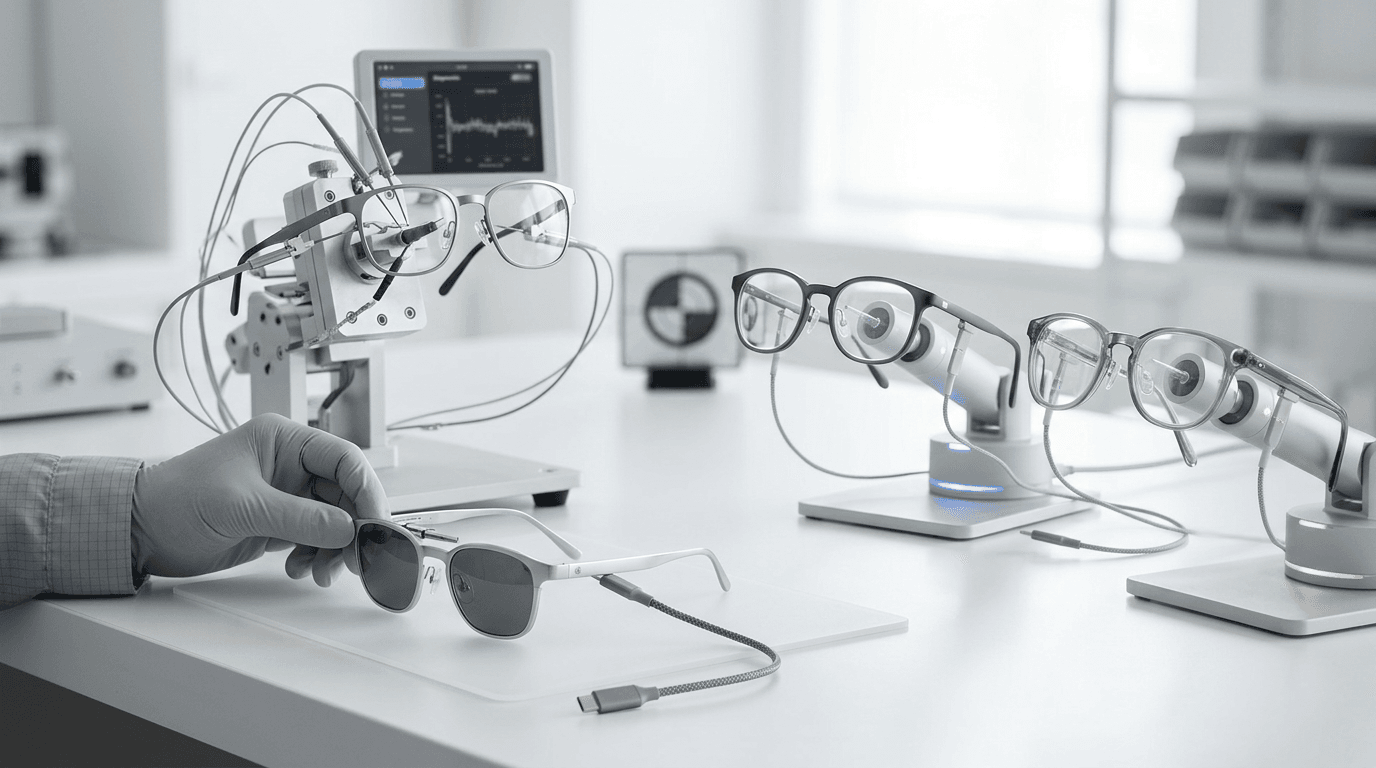
Apple's Smart Glasses Project Takes Shape with Premium Materials and Multiple Design Options
Learn more about diy soft drinks: tech-powered home carbonation revolution
Apple's smart glasses project is advancing with a clear focus on premium materials and diverse design choices. Bloomberg's Mark Gurman reports that the company is testing at least four distinct frame styles. This signals Apple's intention to differentiate its wearable from competitors through superior aesthetics and build quality.
The approach mirrors the strategy Apple used when launching the original Apple Watch in 2015. From day one, the company offered consumers variety and personalization options.
What Makes Apple Glasses Different from Current Smart Eyewear?
The smart glasses market is heating up. Apple appears ready to make its mark with a product that prioritizes design excellence.
According to Gurman's latest Power On newsletter, the tech giant is evaluating multiple frame designs. These will likely launch in various colors and configurations. This strategy aims to appeal to different tastes and use cases, positioning Apple Glasses as both a functional device and a fashion statement.
The decision to test four or more styles shows Apple understands that eyewear is deeply personal. Unlike smartphones or tablets that people carry, glasses sit on your face all day. They become part of your identity, which makes design and comfort absolutely critical to mainstream adoption.
How Will Apple Glasses Compare to Ray-Ban Meta Glasses?
Apple is betting heavily on its design expertise to stand out in an increasingly crowded market. The Ray-Ban Meta Glasses have gained traction by partnering with an established eyewear brand. Apple plans to leverage its own design language and premium positioning instead.
The key differentiators will likely include:
For a deep dive on google removes doki doki literature club from play store, see our full guide
- Superior materials: Expect titanium, high-grade aluminum, or advanced polymers that feel substantial yet comfortable
- Seamless integration: Apple's ecosystem advantage means these glasses will work flawlessly with iPhone, iPad, and other devices
- Refined aesthetics: Apple's minimalist design philosophy applied to eyewear could set new industry standards
- Multiple style options: Different frame shapes to accommodate various face types and personal preferences
Apple has consistently demonstrated that consumers will pay premium prices for products that combine functionality with exceptional design. The Apple Watch transformed the smartwatch category not just through features, but by making wearable tech desirable as a fashion accessory.
For a deep dive on jaxa's comet sample return: pristine solar system mission, see our full guide
What Features Will Apple Glasses Include?
While Gurman's report focuses on design aspects, previous rumors and patents suggest several potential features. Apple has been researching augmented reality technology for years. The company has filed numerous patents related to display systems, gesture controls, and spatial audio.
The first-generation Apple Glasses might include basic smart features rather than full AR capabilities. This measured approach would allow Apple to perfect the form factor and user experience before adding more complex technology.
Early features could include:
- Audio playback through bone conduction or discreet speakers
- Voice assistant integration with Siri
- Notification displays visible only to the wearer
- Camera functionality for photos and video capture
- Health monitoring sensors tracking activity or biometric data
Apple typically enters product categories after competitors establish the market. The company then refines the experience to make it more intuitive and desirable. Apple did this with smartphones, tablets, smartwatches, and wireless earbuds.
Why Is Apple Following the Apple Watch Launch Strategy?
Gurman specifically mentions Apple's 2015 Apple Watch launch as a comparable strategy. That product debuted in three collections: Sport, standard, and Edition. Each came with numerous band options and case materials.
This approach served multiple purposes. It allowed Apple to target different price points and customer segments simultaneously. The variety gave consumers ownership over their choice, making the device feel more personal. The strategy also generated significant media attention and retail display opportunities.
Apple Glasses could follow a similar playbook. Imagine a sport-focused version with durable materials. Add a professional version with refined finishes. Perhaps include a premium edition with luxury materials. Each style could come in multiple colors, creating dozens of possible combinations.
Why Do Premium Materials Matter for Smart Glasses?
The materials Apple chooses will directly impact comfort, durability, and perceived value. Traditional eyeglasses already use premium materials like titanium and acetate. These materials work well because they rest on your face for hours daily. Smart glasses add electronic components, making material selection even more critical.
Premium materials offer several advantages:
- Lightweight construction: Titanium and advanced composites reduce fatigue during extended wear
- Hypoallergenic properties: Medical-grade materials prevent skin irritation
- Durability: High-quality materials withstand daily wear and environmental exposure
- Thermal management: Proper materials dissipate heat from electronic components
- Aesthetic appeal: Premium finishes convey quality and justify higher prices
Apple has experience working with challenging materials. The company pioneered the use of aluminum unibody construction in laptops. It introduced ceramic backs for Apple Watch. Apple developed surgical-grade stainless steel finishes. This materials expertise will transfer directly to glasses development.
What Does Testing Multiple Designs Tell Us?
The fact that Apple is testing at least four different frame styles indicates serious investment in the project. Each design requires extensive prototyping, user testing, and refinement.
Apple likely has teams evaluating comfort across different face shapes. They're testing durability under various conditions. Engineers are ensuring electronic components integrate seamlessly.
This multi-design approach also suggests Apple plans to make smart glasses a significant product category rather than a niche experiment. The company wouldn't invest in developing multiple styles if it expected modest sales volumes.
What Colors and Finishes Can We Expect?
If Apple follows the Apple Watch playbook, expect a range of color options for each frame style. The company has mastered color development, creating distinctive finishes that feel premium and on-trend.
Potential color options might include:
- Classic neutrals like black, silver, and space gray
- Warmer tones such as gold or rose gold for premium models
- Bold colors like blue, red, or green for sport versions
- Seasonal or limited edition colors to drive repeat purchases
Apple could also introduce interchangeable components. This would allow users to customize their glasses over time. Swappable temples or accent pieces would create additional revenue streams and keep the product line fresh.
When Will Apple Glasses Launch and How Much Will They Cost?
Gurman's report doesn't specify a launch timeline, but the active testing phase suggests development is progressing. Apple typically tests products extensively before release, sometimes for years. The company filed its first smart glasses patents over a decade ago.
The smart glasses market is still emerging, giving Apple time to perfect its offering. Meta's partnership with Ray-Ban has shown consumer interest exists. Products like Snap Spectacles demonstrated the pitfalls of rushing to market with immature technology.
Apple's pricing strategy will likely position these glasses as premium products. Expect starting prices comparable to or higher than the Apple Watch. Prices could potentially range from $400 to $800 depending on materials and features. This pricing would reflect the device's complexity and Apple's brand positioning.
Apple's Design-First Approach Will Define Smart Glasses Category
Apple Glasses represent the company's next major wearable initiative. Design and materials quality are taking center stage. By testing multiple frame styles and planning various color options, Apple aims to make smart glasses appealing to mainstream consumers rather than just early adopters.
The strategy mirrors the successful Apple Watch launch. It offers personalization and premium positioning from day one. Superior materials and refined aesthetics will differentiate Apple's offering from competitors like Ray-Ban Meta Glasses.
Continue learning: Next, explore bring back idiomatic design: why native ui matters
Apple could define the smart glasses category the way Apple Watch defined smartwatches. As testing continues, expect Apple to refine these designs until they meet the company's exacting standards for comfort, functionality, and style.
Related Articles

AI's Role in Unveiling ICE Officers' Identities
AI unmasking ICE officers underscores a shift towards transparent law enforcement, raising questions about privacy and ethics in the digital age.
Sep 2, 2025

Transforming Gaza: From Conflict Zone to Tech Hub
A leaked plan from the Trump administration reveals a bold strategy to turn Gaza into a thriving high-tech hub. Discover the potential.
Sep 3, 2025

Gaza's Tech Revolution: Trump's Bold High-Tech Vision
A leaked plan from the Trump administration unveils a vision to make Gaza a high-tech hub, focusing on AI, cybersecurity, and digital innovation.
Sep 3, 2025
Comments
Loading comments...