Apple Faces New 3% Digital Tax in Poland Under Draft Law
Poland's draft digital services tax could impose a 3% levy on Apple's App Store, subscriptions, and advertising revenue, potentially costing millions annually.

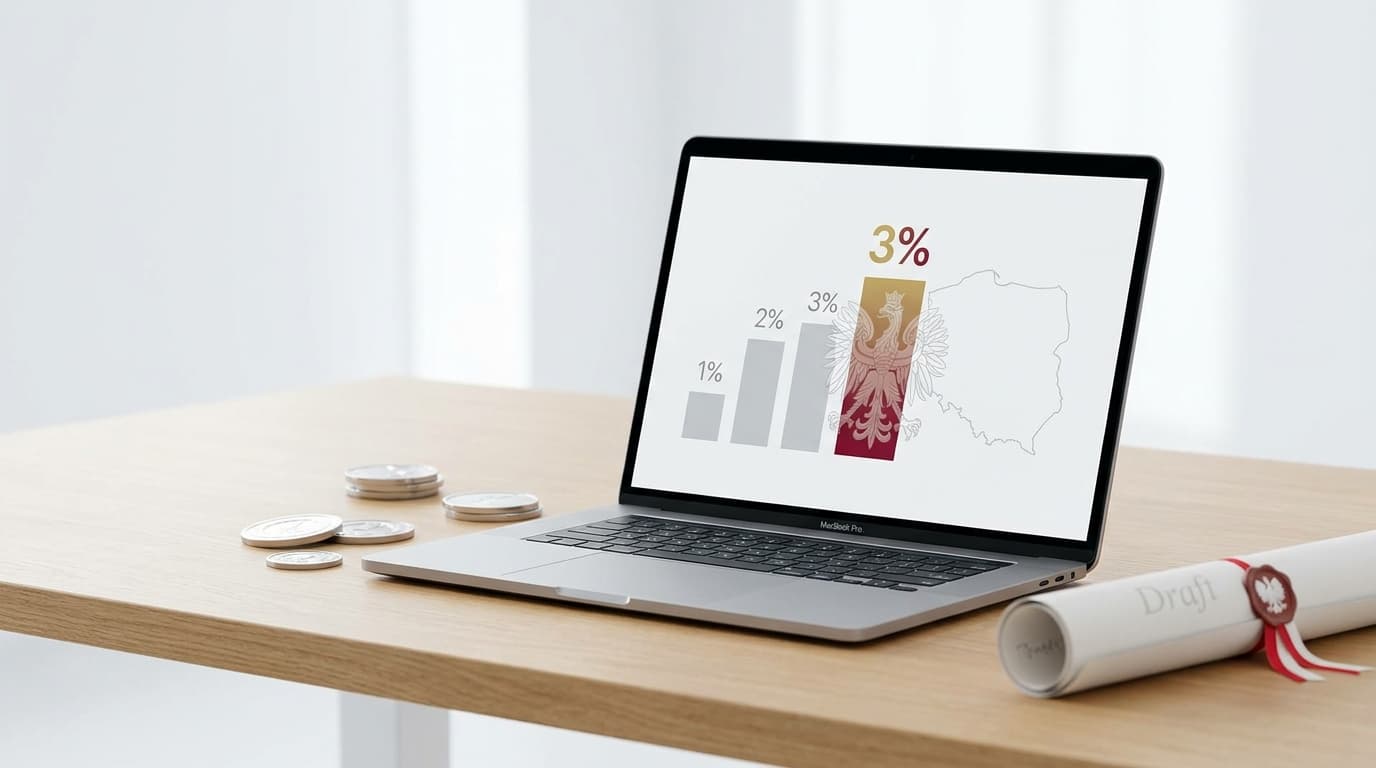
Apple Faces Millions in New Tax Bills as Poland Targets Digital Services Revenue
Learn more about goodbye to sora: what openai's video ai means for content
Apple could face significant new tax obligations in Poland as lawmakers push forward with a controversial digital services tax proposal. The draft legislation targets major tech companies generating substantial revenue from Polish users, potentially adding millions to Apple's annual tax bill in the country. This move aligns Poland with other European nations seeking to capture tax revenue from digital giants operating within their borders.
What Is Poland's Proposed Digital Services Tax?
Poland's Ministry of Finance has unveiled plans for a digital services tax that would impose a 3% levy on specific revenue streams from large tech companies. The proposal specifically targets businesses with global annual revenues exceeding 750 million euros and Polish digital services revenue surpassing 5 million euros.
The tax would apply to three main categories of digital services. These include online advertising services, digital intermediation platforms connecting users, and the sale or transmission of user data collected from digital activities. Apple's App Store, Apple Music subscriptions, and advertising revenue from services like Apple News would likely fall under this framework.
Poland joins France, Italy, Austria, and the United Kingdom in implementing digital services taxes. These countries have created a patchwork of regulations across Europe targeting tech giants.
Which Apple Services Would Face the New Tax?
Apple operates multiple revenue-generating services in Poland that could face the new tax. The App Store represents the most significant exposure, as Apple collects a 15-30% commission on app sales and in-app purchases from Polish developers and consumers.
Apple's subscription services present another substantial revenue stream. Apple Music, Apple TV+, iCloud storage, Apple Arcade, and Apple Fitness+ all generate recurring revenue from Polish subscribers. The proposed tax would apply to the gross revenue from these services before Apple's operational costs.
For a deep dive on apple's 6 new products could launch soon per rumors, see our full guide
The company's advertising business would also face taxation. Apple News and App Store search ads generate revenue from advertisers targeting Polish users, bringing these activities within the tax's scope.
How Much Could Apple Pay Under This Tax?
For a deep dive on star trek: strange new worlds deal: stream for $2.99/month, see our full guide
Estimating Apple's potential tax liability requires examining the company's Polish market presence. Apple doesn't disclose country-specific revenue figures for most markets. Analysts estimate the company generates between 200-400 million euros annually from digital services in Poland.
A 3% tax on 300 million euros in qualifying revenue would result in approximately 9 million euros in annual tax payments. This figure could increase as Apple's services business continues expanding in Central and Eastern Europe.
The financial impact extends beyond the direct tax payment. Compliance costs, accounting adjustments, and potential pricing changes to offset the tax burden add complexity to Apple's Polish operations.
Why Is Poland Pursuing Digital Services Taxation Now?
Poland's government cites fairness and revenue generation as primary motivations for the digital services tax. Traditional brick-and-mortar businesses pay substantial corporate taxes in Poland, while digital companies often route profits through lower-tax jurisdictions.
The COVID-19 pandemic accelerated digital adoption in Poland, significantly boosting tech companies' revenues. Polish consumers increased spending on digital services, streaming content, and app purchases during lockdowns. This surge highlighted the growing disconnect between digital companies' local revenue and their tax contributions.
Budget pressures also drive the proposal. Poland faces increasing fiscal demands from defense spending, social programs, and EU-mandated investments in green energy. The digital services tax represents a politically palatable way to generate additional revenue without raising taxes on Polish citizens or businesses.
How Does This Fit Into International Tax Negotiations?
Poland's proposal emerges amid ongoing international negotiations on digital taxation. The OECD has been coordinating discussions among 140 countries to establish a global minimum corporate tax rate and new rules for taxing digital companies.
The OECD framework aims to create a unified approach, potentially eliminating the need for individual country digital services taxes. However, negotiations have progressed slowly, prompting countries like Poland to pursue unilateral measures.
The United States has consistently opposed digital services taxes, viewing them as discriminatory against American tech companies. Previous proposals triggered threats of retaliatory tariffs, though tensions have eased under current diplomatic efforts.
How Might Apple Respond to Poland's Tax Proposal?
Apple has several options for responding to Poland's digital services tax if enacted. The company could absorb the tax as a cost of doing business, maintaining current prices for Polish consumers while accepting reduced profit margins.
Apple might pass the tax burden to consumers through price increases. The company has implemented this strategy in other markets facing similar taxes, raising App Store prices and subscription fees to offset new tax obligations.
Apple could also challenge the tax through legal channels. The company has historically fought tax assessments it considers unfair or legally questionable, as demonstrated by its prolonged battle with the European Commission over Irish tax arrangements.
What Impact Would Developers and Consumers Face?
Polish app developers would likely feel indirect effects from the digital services tax. If Apple raises App Store commission rates or adjusts payment structures to offset the tax, developers' net revenue could decrease.
Consumers might face higher prices for apps, in-app purchases, and Apple subscriptions. A 3% tax doesn't necessarily translate to a 3% price increase, but some cost transfer appears probable based on Apple's responses in other markets.
The competitive landscape could shift if the tax affects different companies unevenly. Smaller competitors without Poland-specific revenue thresholds might gain pricing advantages over Apple and other large tech platforms.
What Are the Next Steps for This Legislation?
The Polish parliament must debate and vote on the digital services tax proposal before it becomes law. The legislative process typically takes several months, with opportunities for amendments and stakeholder input.
Industry groups representing tech companies will likely lobby against the tax or seek modifications. Arguments will focus on potential negative impacts on innovation, consumer choice, and Poland's attractiveness for digital investment.
If passed, implementation would probably begin in 2025, giving affected companies time to adjust their systems and compliance procedures. The Polish tax authority would need to establish reporting requirements and enforcement mechanisms.
What Does This Mean for Global Tech Taxation?
Poland's proposal reflects a broader global trend toward increased taxation of digital services. Countries increasingly view tech giants as undertaxed relative to their market presence and revenue generation.
The proliferation of national digital services taxes complicates international business operations. Tech companies must navigate varying rates, definitions, and compliance requirements across dozens of jurisdictions.
This fragmented approach may eventually pressure the OECD negotiations toward conclusion. Companies and countries alike would benefit from a unified international framework replacing the current patchwork of national taxes.
Key Takeaways: Apple's Tax Challenge in Poland
Apple faces mounting tax obligations as Poland joins other nations targeting digital services revenue. The proposed 3% tax represents another step in the global reassessment of how tech companies should be taxed in the digital economy.
For Apple, the financial impact appears manageable but signals broader challenges ahead. As more countries implement similar measures, the cumulative effect on profitability and pricing strategies becomes increasingly significant.
Continue learning: Next, explore david blitzer's $1.8b indian cricket franchise deal
Polish consumers and developers should monitor the legislative process closely. The tax's final structure and Apple's response will determine whether they face higher prices or other changes to Apple's services in Poland. The coming months will reveal whether Poland proceeds with the tax and how it shapes the future of digital services in the country.
Related Articles

EU Leader's Flight Disrupted by Suspected GPS Jamming
A high-ranking EU official's plane was reportedly targeted by GPS interference, highlighting digital warfare's evolving landscape.
Sep 2, 2025

Wetlands as Defense: Finland & Poland's Strategy
Exploring Finland and Poland's innovative defense strategy: Using wetland restoration to deter military threats and promote ecology.
Sep 2, 2025

Eco-Defense: Wetlands vs. Tanks in Finland and Poland
Finland and Poland eye wetlands restoration as a natural barrier against tanks, marrying environmental conservation with national defense.
Sep 2, 2025