Ancient Bones Show Dogs Woven Into Human Life 16,000 Years
When a beloved dog dies, the grief feels ancient and universal. Science now confirms this bond stretches back nearly 16,000 years through archaeological evidence.

How Long Have Humans and Dogs Been Bonded? The 16,000-Year Story
Learn more about how neanderthals used a german lakeshore to hunt and survive
When Odin, a loyal kelpie, passed away from terminal illness, his family experienced profound grief. The loss felt as deep as losing any family member. This emotional response is not merely modern sentimentality.
Recent archaeological discoveries reveal that dogs have been woven into the fabric of human life for nearly 16,000 years. Our bond with canines ranks among the oldest interspecies relationships on Earth. The evidence comes from ancient burial sites, skeletal remains, and genetic studies that paint a picture of dogs as more than working animals.
They were companions, protectors, and family members millennia before recorded history began.
What Does Archaeological Evidence Reveal About Early Dog Domestication?
Scientists have uncovered compelling proof that ancient humans treated dogs with remarkable care and affection. Burial sites across Europe, Asia, and the Middle East contain dog remains placed alongside human bodies, often with grave goods suggesting ceremonial significance.
One of the most striking discoveries comes from a 14,200-year-old site in Germany. Researchers found a dog buried with a man and woman, positioned as though it had been a cherished member of their household.
The dog's bones showed signs of illness that would have required dedicated care. This indicates humans nursed sick dogs even in prehistoric times.
What Do Ancient Dog Bones Tell Us About Domestication?
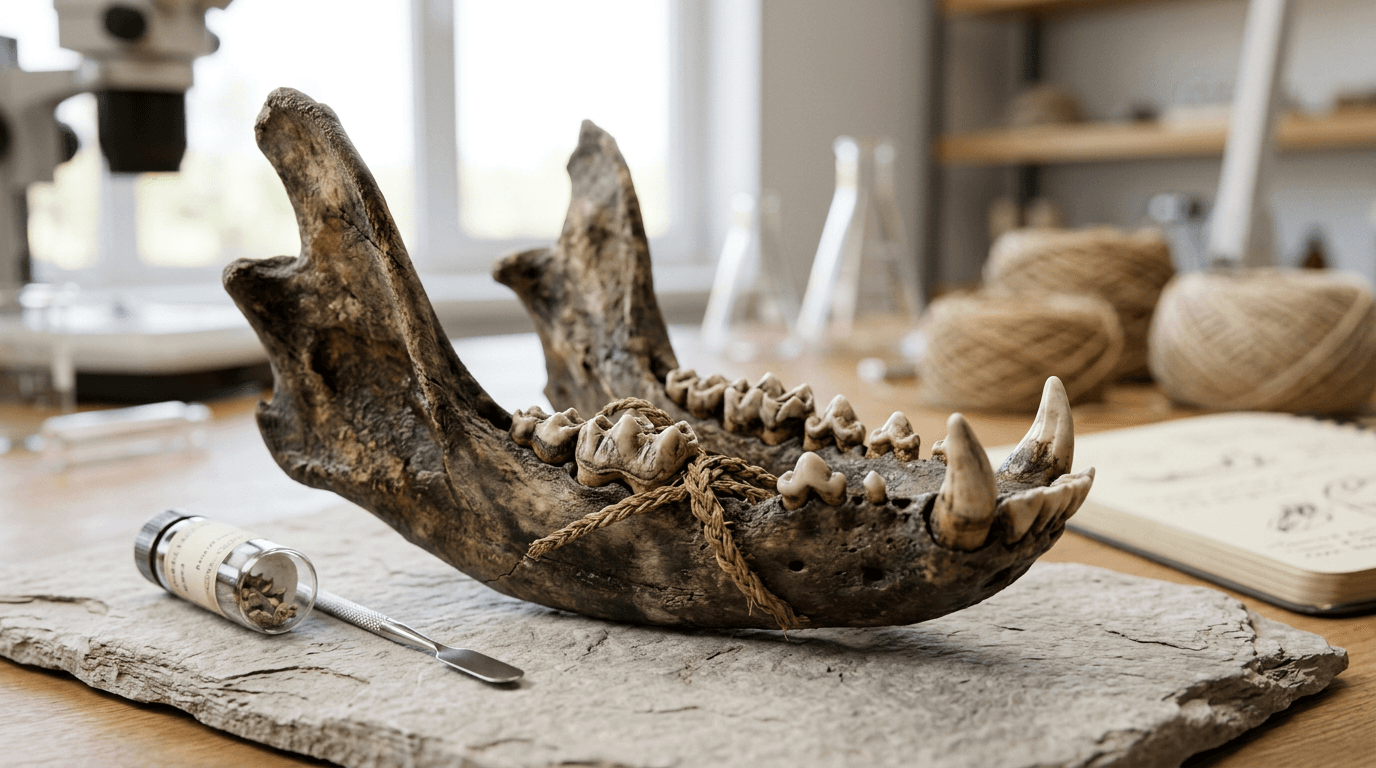
Paleontologists examine ancient canine skeletons for specific markers that distinguish domesticated dogs from wild wolves. These physical changes include shortened snouts and smaller teeth adapted to processed food. Changes in leg bone structure reveal lives spent alongside humans rather than hunting in packs.
Evidence of healed injuries suggests medical care. Dietary signatures match human food consumption. Bone pathologies indicate dogs lived to old age under human protection.
These physical changes did not happen overnight. The transformation from wolf to dog required thousands of years of selective breeding and cohabitation. Genetic studies suggest the initial domestication occurred between 20,000 and 40,000 years ago, but the archaeological record of deep emotional bonds becomes clear around 16,000 years ago.
Where Are the Oldest Dog Burial Sites Located?
The earliest confirmed dog burials demonstrate intentional, respectful treatment. At Bonn-Oberkassel in Germany, a 14,000-year-old grave contains a puppy buried with two humans.
Analysis of the puppy's teeth revealed it suffered from canine distemper, a deadly disease that requires intensive nursing. The puppy lived several weeks beyond when it should have died, proving humans provided round-the-clock care. This level of devotion to a sick animal indicates emotional attachment, not mere utility.
Similar sites in Siberia, Israel, and China show consistent patterns. Dogs received burial rites, were positioned carefully, and sometimes accompanied by offerings. These practices mirror how humans treated their own dead.
How Did Dogs Become Part of Human Families?
The domestication of dogs likely began with wolves scavenging near human settlements. Over generations, the least fearful wolves ventured closer, creating a feedback loop.
Humans benefited from their alertness and hunting abilities. Wolves gained access to food scraps and protection. This mutual benefit laid the foundation for a deeper relationship.
Did Dogs Domesticate Themselves?
Some researchers propose dogs essentially domesticated themselves. Wolves with friendlier temperaments thrived near humans, passing these traits to offspring. Humans then began actively selecting for desirable characteristics like loyalty, trainability, and protective instincts.
This process accelerated during the transition from hunter-gatherer to agricultural societies. Dogs proved invaluable for guarding livestock, hunting game, and providing companionship during long, isolated winters.
The relationship evolved from mutual tolerance to genuine partnership.
What Does Genetic Evidence Tell Us About Ancient Human-Dog Bonds?
DNA analysis of ancient dog remains reveals fascinating insights. Modern dogs share genetic markers with wolves that lived in multiple regions, suggesting domestication occurred independently in different locations. However, all domestic dogs trace ancestry to these ancient populations.
Researchers have identified genes associated with digestion of starchy foods. This indicates dogs adapted to human agricultural diets. Other genes affect social behavior, making dogs uniquely attuned to human emotions and commands.
These genetic changes reflect thousands of years living intimately with people.
Why Did Ancient Humans Care for Sick Dogs?
The archaeological evidence raises compelling questions. Why did prehistoric humans, living in harsh conditions with limited resources, invest time and energy caring for sick dogs?
Why bury them with ceremony? The answer likely involves the same reasons modern families grieve for pets like Odin.
Dogs provide emotional support, unconditional affection, and a sense of purpose. They alert us to danger, help with tasks, and offer companionship that transcends species boundaries.
How Does Brain Chemistry Explain Human-Dog Bonding?
Modern neuroscience reveals that interacting with dogs triggers oxytocin release in both species. Oxytocin, often called the "love hormone," promotes bonding between mothers and infants.
The fact that humans and dogs share this response suggests our relationship taps into deep evolutionary mechanisms. Ancient humans likely experienced the same neurochemical rewards when caring for dogs. This biological feedback loop reinforced the relationship, making dogs increasingly integrated into human social structures.
How Did Ancient Cultures View Dogs?
Evidence of human-dog bonds appears in diverse ancient societies. Egyptian art depicts dogs as hunting companions and household pets. Roman mosaics show dogs wearing collars with name tags.
Chinese texts from 4,000 years ago describe different dog breeds and their characteristics. These cultural artifacts demonstrate that dogs occupied important social roles across civilizations. They were not merely tools but recognized individuals with personalities and value beyond their utility.
When Did Ancient Dog Breeds Develop?
By 4,000 years ago, humans had developed distinct dog breeds for specific purposes. Archaeological remains show size variations from tiny lap dogs to massive guard dogs.
Skeletal analysis reveals breeds specialized for hunting, herding, and companionship. This diversification required intentional breeding programs and deep knowledge of canine genetics. Ancient humans understood inheritance and selection long before modern genetics explained the mechanisms.
What Do Modern Dogs Teach Us About Ancient Bonds?
When families like Odin's owner mourn their dogs, they participate in a tradition nearly 16,000 years old. The grief is real because the relationship is real.
Dogs occupy a unique position in human society, neither fully animal nor human, but something in between. Modern studies confirm dogs recognize human emotions, respond to our gestures, and form lasting attachments.
These abilities did not emerge recently. They are the product of millennia of coevolution, shaped by countless generations of humans and dogs living side by side.
How Are Human-Dog Relationships Evolving Today?
As urbanization increases and lifestyles change, the human-dog bond continues evolving. Dogs now serve as therapy animals, assist people with disabilities, and provide emotional support in clinical settings.
These modern roles build on ancient foundations. Understanding the deep history of our relationship with dogs enriches appreciation for their place in human life. They are not recent additions to our households but ancient partners who helped shape human civilization.
Why Is the Human-Dog Bond Unbreakable?
The archaeological evidence is clear. For nearly 16,000 years, dogs have been more than animals to humans.
Ancient burials, healed injuries, and genetic adaptations all point to deep emotional connections that mirror modern experiences. When Odin died, the grief his family felt echoed across millennia.
Countless humans before them mourned beloved dogs, cared for sick puppies, and recognized these animals as irreplaceable family members. This bond, forged in prehistoric times, remains one of the most enduring relationships in human history.
Science confirms what dog lovers have always known: our connection with dogs is ancient, profound, and fundamentally human.
Related Articles

Why Open Societies Foster Golden Ages in Science and Innovation
Open societies are essential for fostering innovation and scientific breakthroughs. Explore how diversity, education, and freedom create conditions for golden ages.
Sep 16, 2025

Millions Have Diabetes Without Knowing: The Hidden Epidemic
Nearly half of all diabetes cases go undiagnosed, particularly among young adults. Understand the risks and importance of early screening.
Sep 15, 2025

The Sweetpotato's DNA: Unraveling Its Surprising Complexity
Scientists have decoded the sweetpotato’s DNA, revealing its complex genome and hybrid origins, crucial for improving resilience and nutrition in food crops.
Sep 15, 2025
Comments
Loading comments...